DISTRIBUTOR-FIRST SUPPLY PARTNER · SINCE 1999 Live · Compressed Air System

A rotary screw compressor — fixed-speed is a continuous-duty industrial compressor whose motor runs at one constant speed and whose airend (the compression element — two intermeshing helical rotors in a close-fitting housing) feeds a single shared receiver tank. It is the default compressor for any operation that runs air all day, sized from 5 HP up past 500 HP and rated for 100% duty cycle. It sits in the generation layer at the head of the compressed air system, ahead of the receiver, dryer, filtration, and distribution piping.
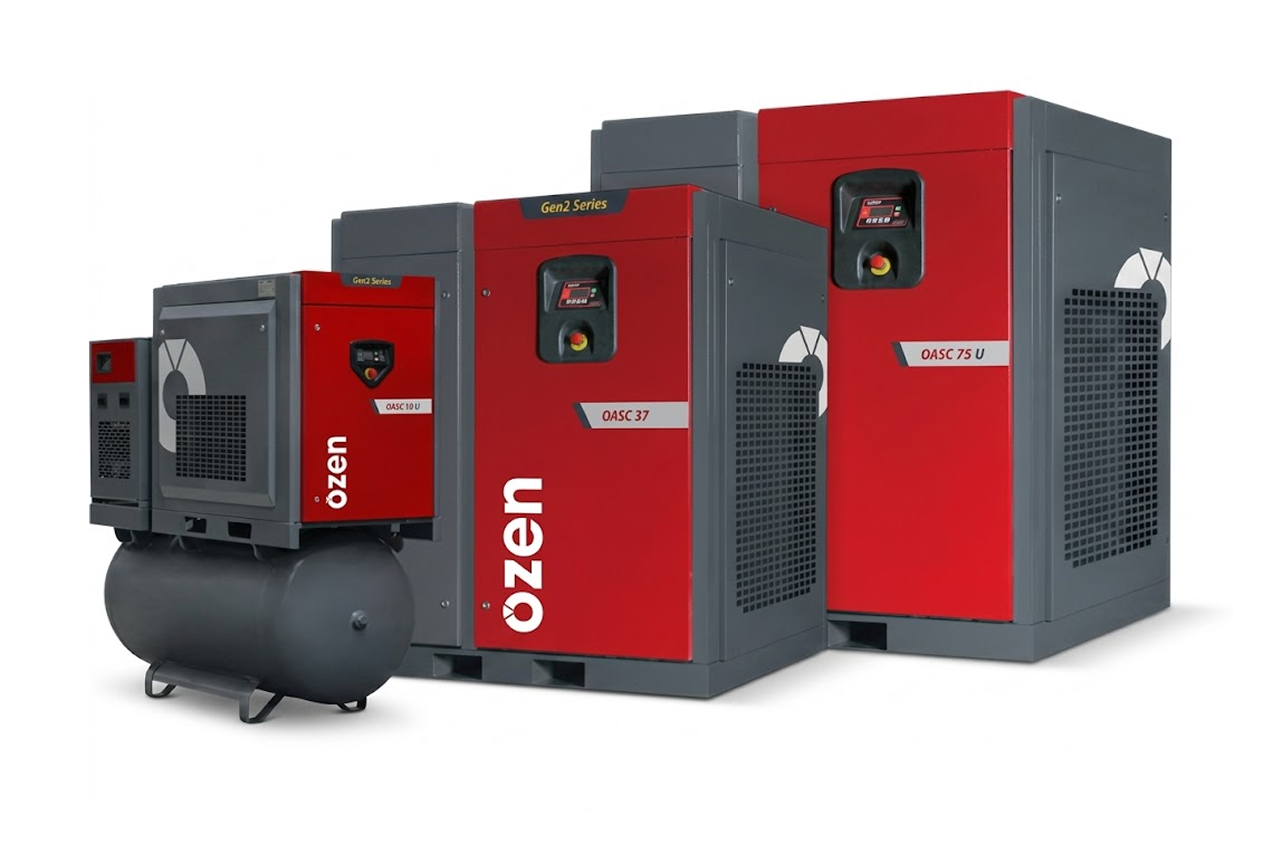
The compressor is the source of the air system — every downstream piece exists to treat, store, or distribute its output. The intake filter protects the airend from atmospheric particulate; the aftercooler and receiver knock down water before the air reaches the dryer. Quoting these together (compressor + intake + aftercooler + receiver) is standard install practice — they aren’t optional accessories, they’re the air train.
Tips and pointers on when fixed-speed rotary screw is the right call — and when a different compressor belongs on the quote. Scroll the strip →
Two intermeshing helical rotors compress air without stopping — no pistons reversing, no valves slapping. Rated for full-load operation around the clock; a production line at steady draw is the textbook fit.
60-75 dB versus 85+ dB on reciprocating. Installs inside the production envelope without a sound enclosure or a separate compressor room.
Output runs ~4 CFM per HP at 100 PSI from 5 HP to 500+ HP. Pull peak demand, add 25% headroom, divide by four — the HP picks itself.
Load/unload control is efficient when demand sits near rated output. If air draw swings more than ~30% across a typical day, quote VFD instead — an unloaded motor still pulls 25-40% of full-load power for zero CFM.
A two-bay auto shop running an impact gun in bursts will spend most of the day unloaded and amortize a screw against a small revenue stream. → Re-spec to reciprocating when honest loaded time is under ~40 min/hr.
Oil-injected feeds Class 1 with coalescing + carbon downstream — not Class 0. Food-direct-contact, pharma, electronics, fine finishing fail audit. → Switch to oil-free when an FDA / cGMP / ISO 8573-1 Class 0 spec is on the table.
Above 100°F ambient the compressor derates or trips on high-discharge-temp. → Fix the room first (ventilation, ducted intake) or spec a high-temp package — don't oversize the frame to mask a building problem.
From the machine spec sheet → to the part number. Answer what you know — leave the rest blank — and send.
Most distributors sell one brand per product type. SPC's 60-brand portfolio means every Product Type page surfaces three real options matched to how your customer is buying today. Pick the tier; the quote desk handles the cross-reference.
The compressor decision sets the air system. Get it wrong and every other piece gets compromised.
Each industry below uses this product across the listed areas. Open an industry to see how it fits the rest of its system.
 Automotive Manufacturing →
 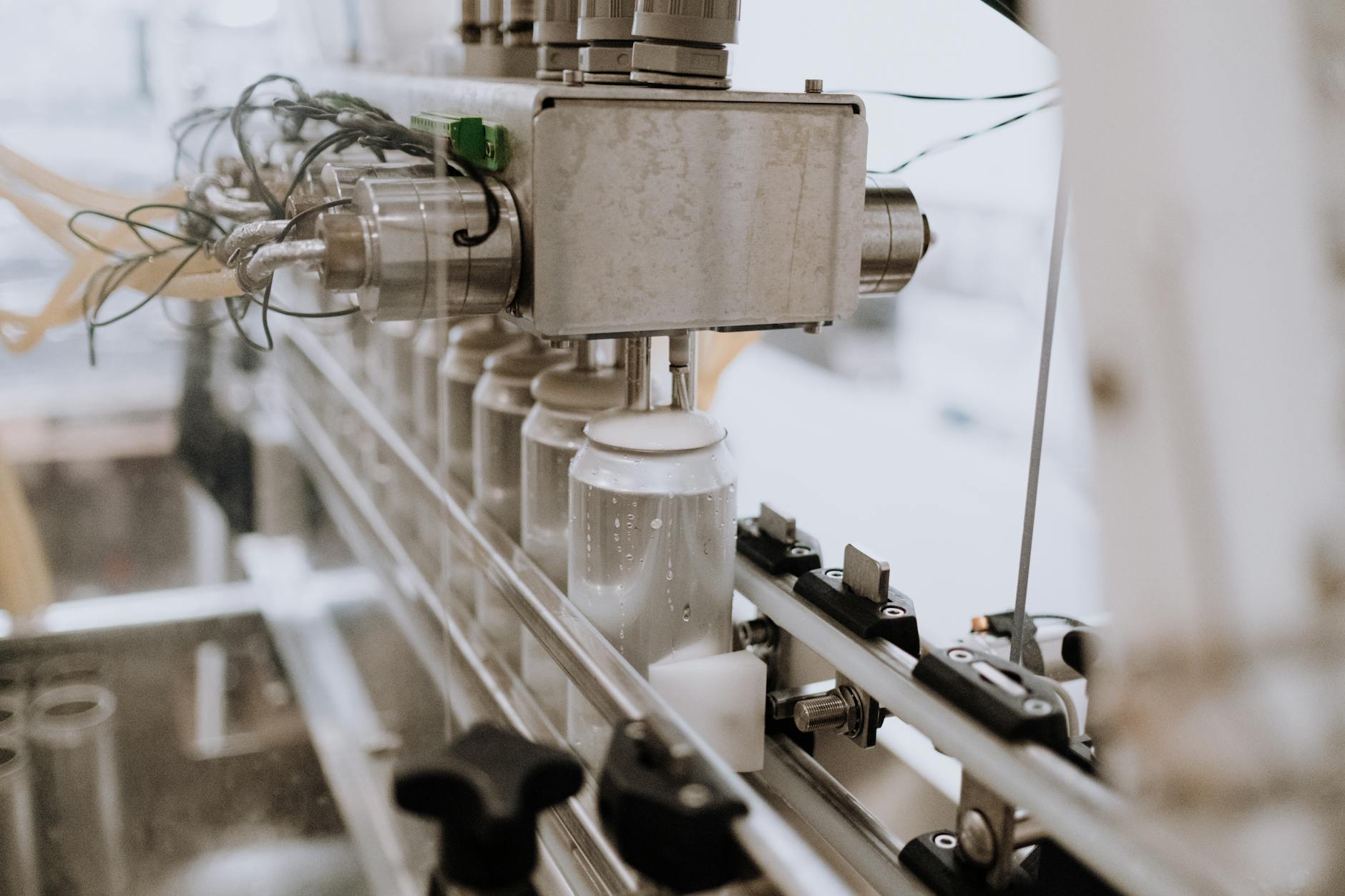 Food & Beverage Processing →
  Woodworking & Furniture →
 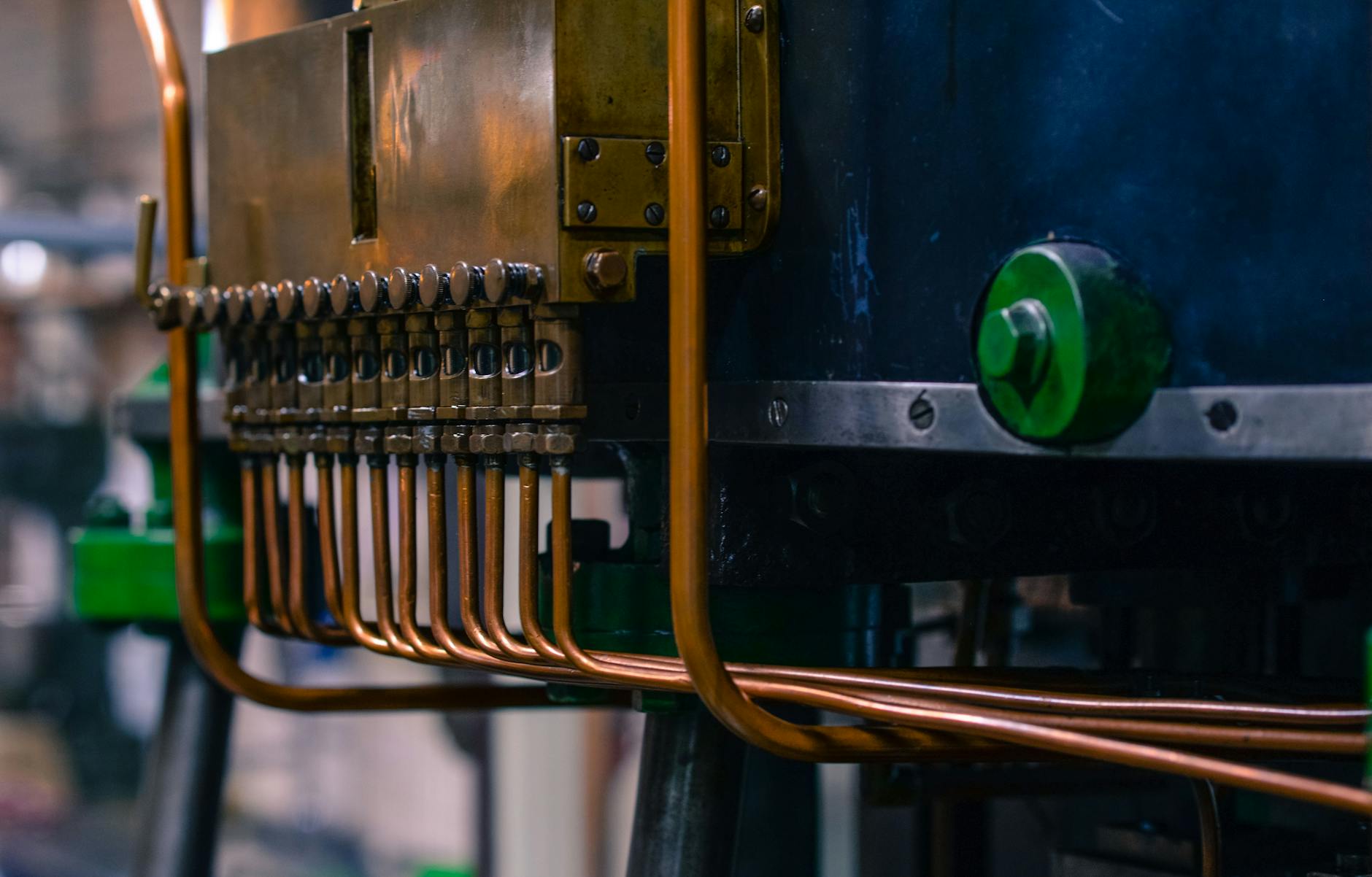 Metalworking & Fabrication →
  Chemical & Petrochemical →
  Plastics & Rubber Processing →
  General Manufacturing →
 Every entry is a real product on this site — linked, not just named. Quote them on the same line item.

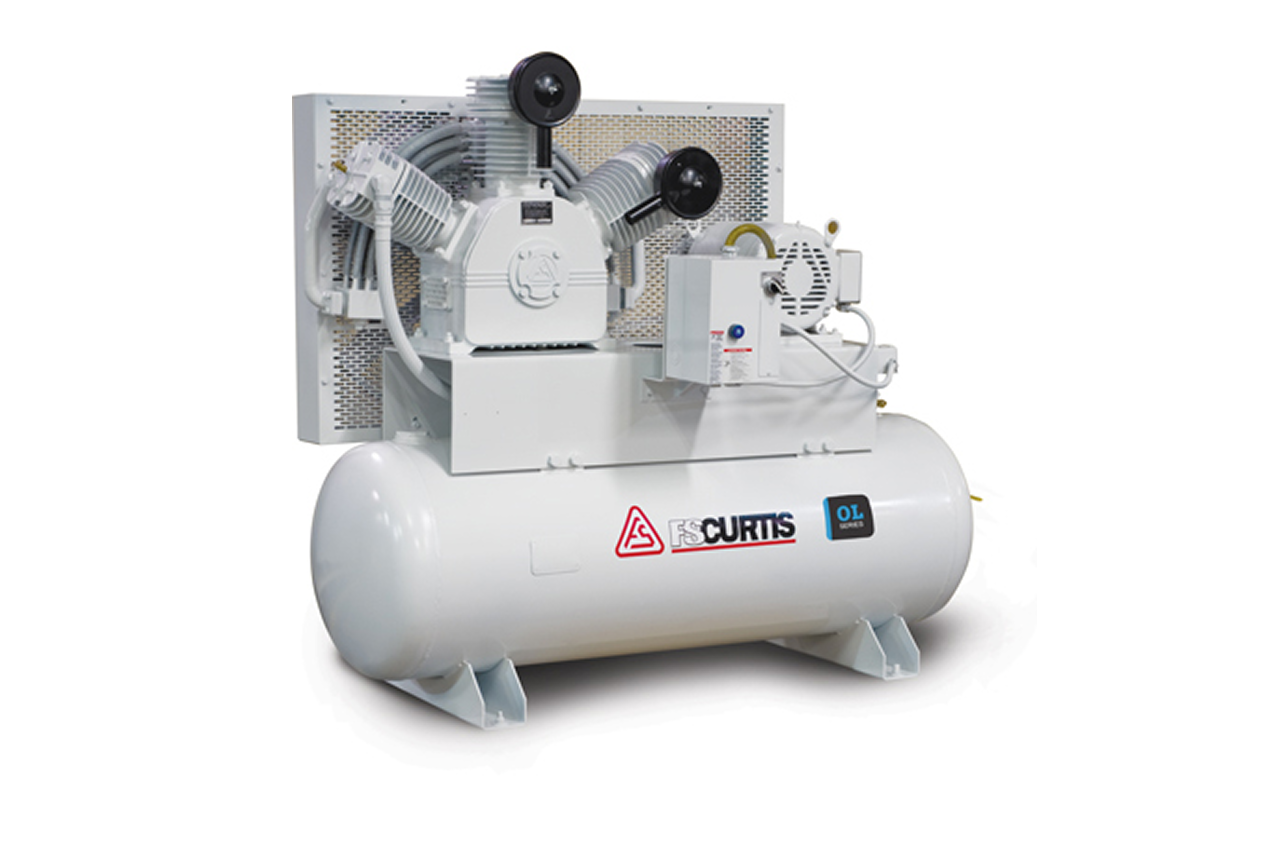
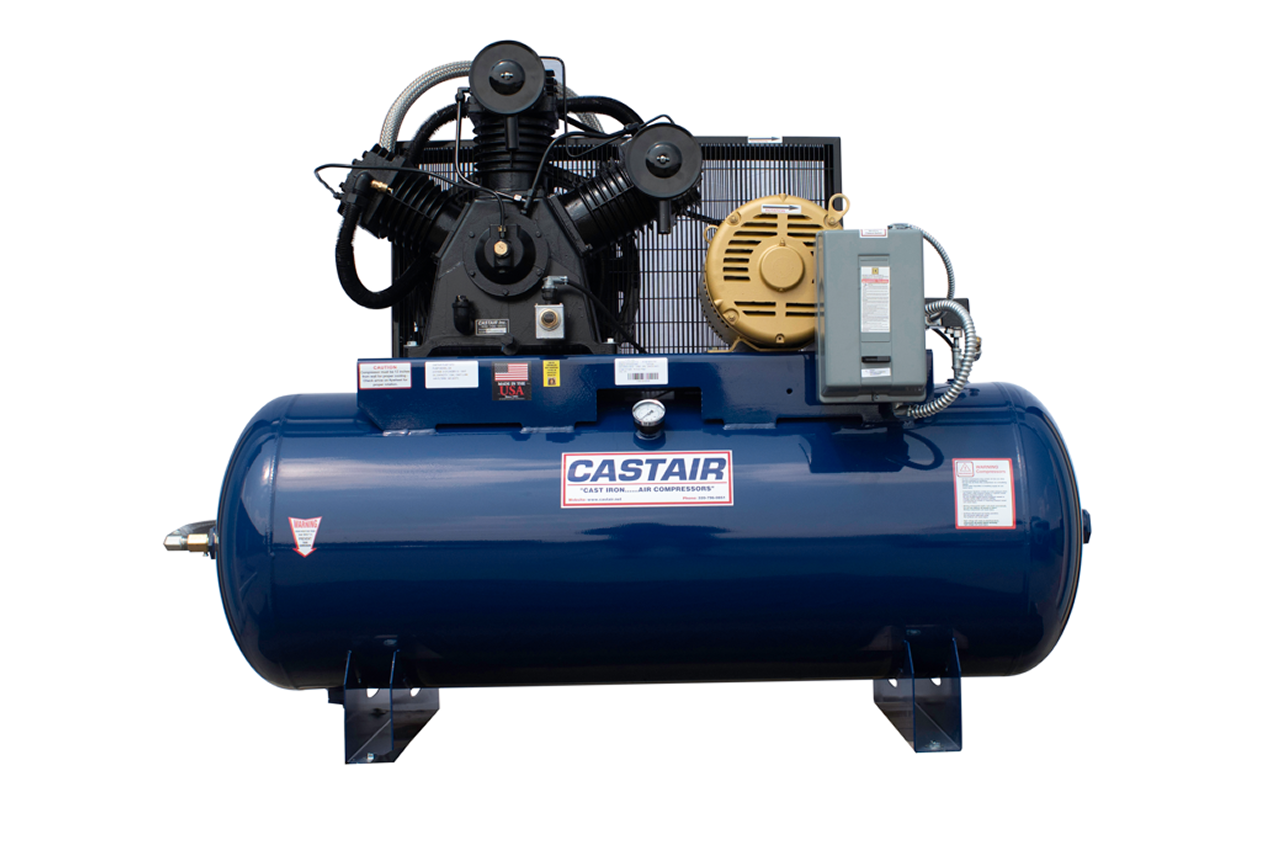
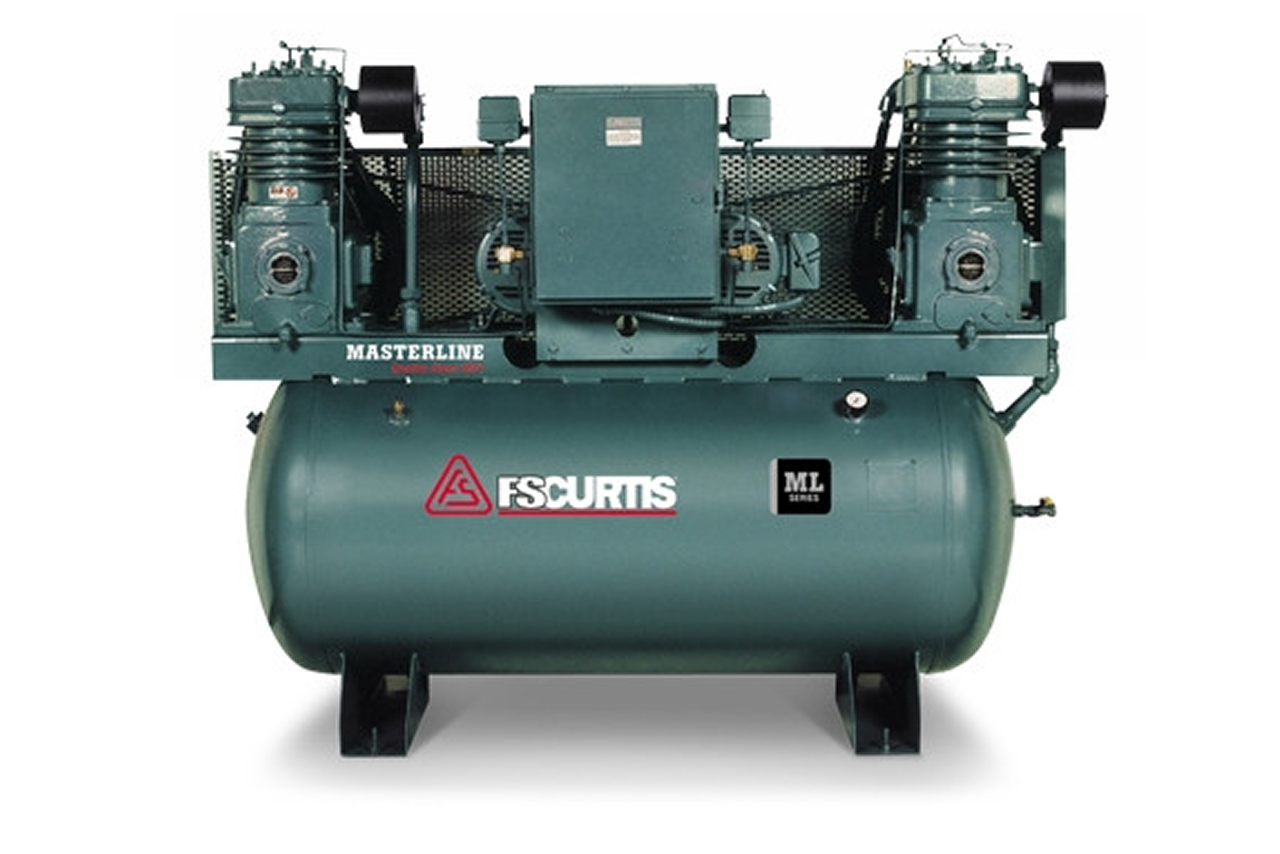

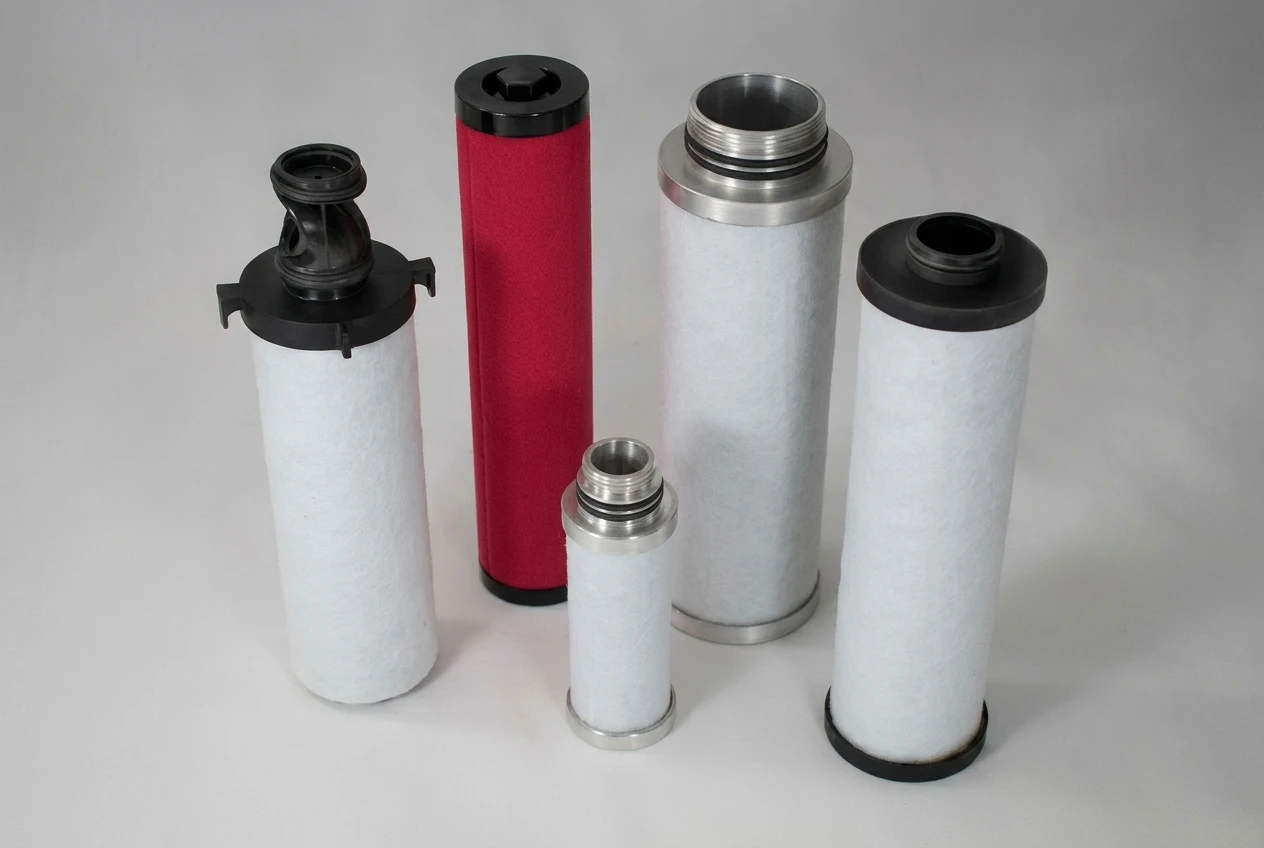

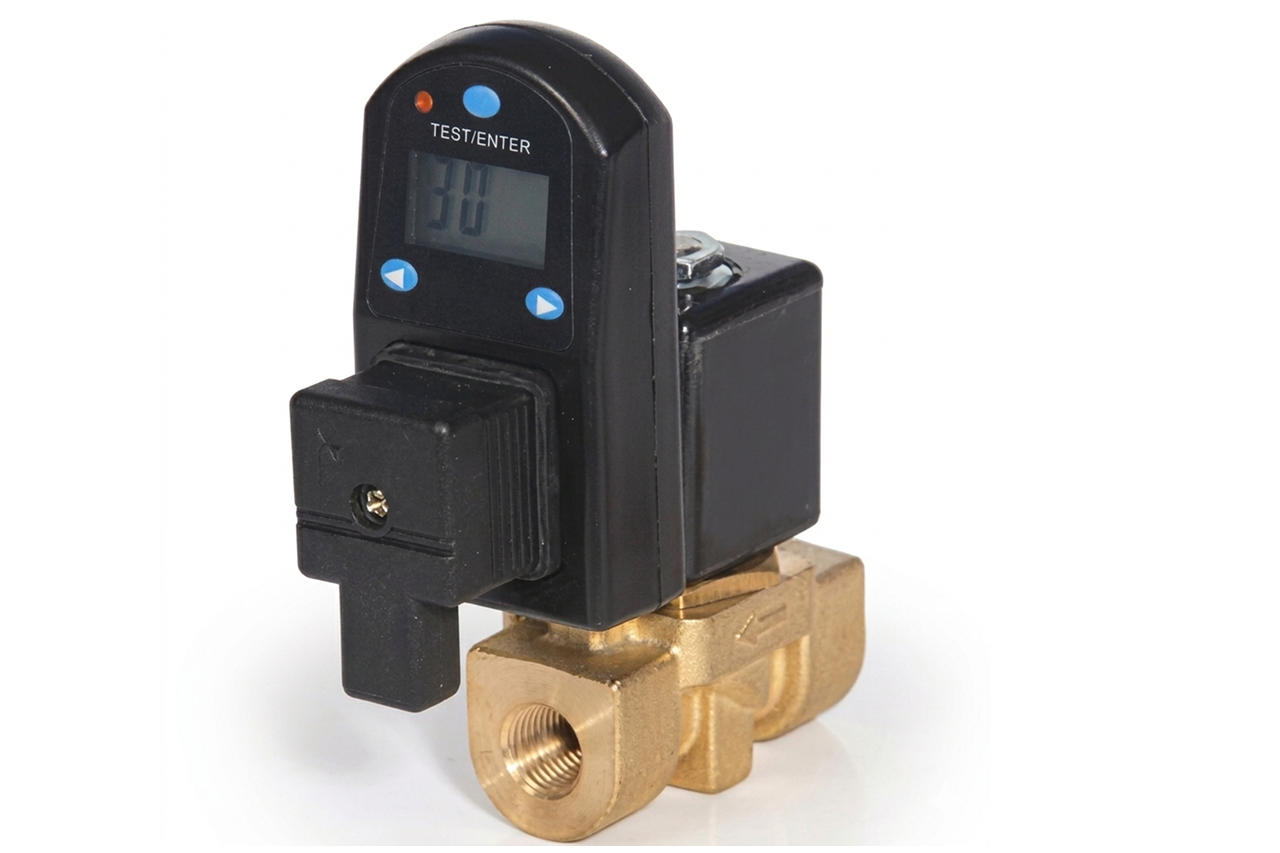
Stock the consumable bundle (oil filter, intake filter, air-oil separator element) per compressor at the customer's MRO crib so a scheduled service doesn't wait on a parts order. Aftermarket equivalents at 60-70% of OEM price are the standard play — same micron rating, same change interval.
Send us the application — a specialist routes you to the correct tier with a configured part. Lead-times and pricing returned within one business day.
—. We reply within one business day with pricing, lead-time, and configured parts.