DISTRIBUTOR-FIRST SUPPLY PARTNER · SINCE 1999 Live · Compressed Air System

SPC Company
Compressed Air / Generation / Air Compressors / Oil-Free Compressor
Layer 01 · Generation Industry Leader · Atlas Copco Emerging · ELGi
01What it is

Oil-Free Compressor

An oil-free compressor is a compressor whose compression chamber never contacts oil — bearing and drive-train lubrication is sealed in a separate housing isolated from the air path. The result is air certified to ISO 8573-1 Class 0 (zero detectable oil), the architectural answer when food, pharma, medical, electronics, or fine-finishing applications cannot tolerate trace oil. Three technologies cover the range: oil-free rotary screw (60-500 HP), oil-free rotary tooth (15-55 kW), and oil-free scroll (1-22 kW, often modular). It sits in the generation layer ahead of the receiver, dryer, and filtration.
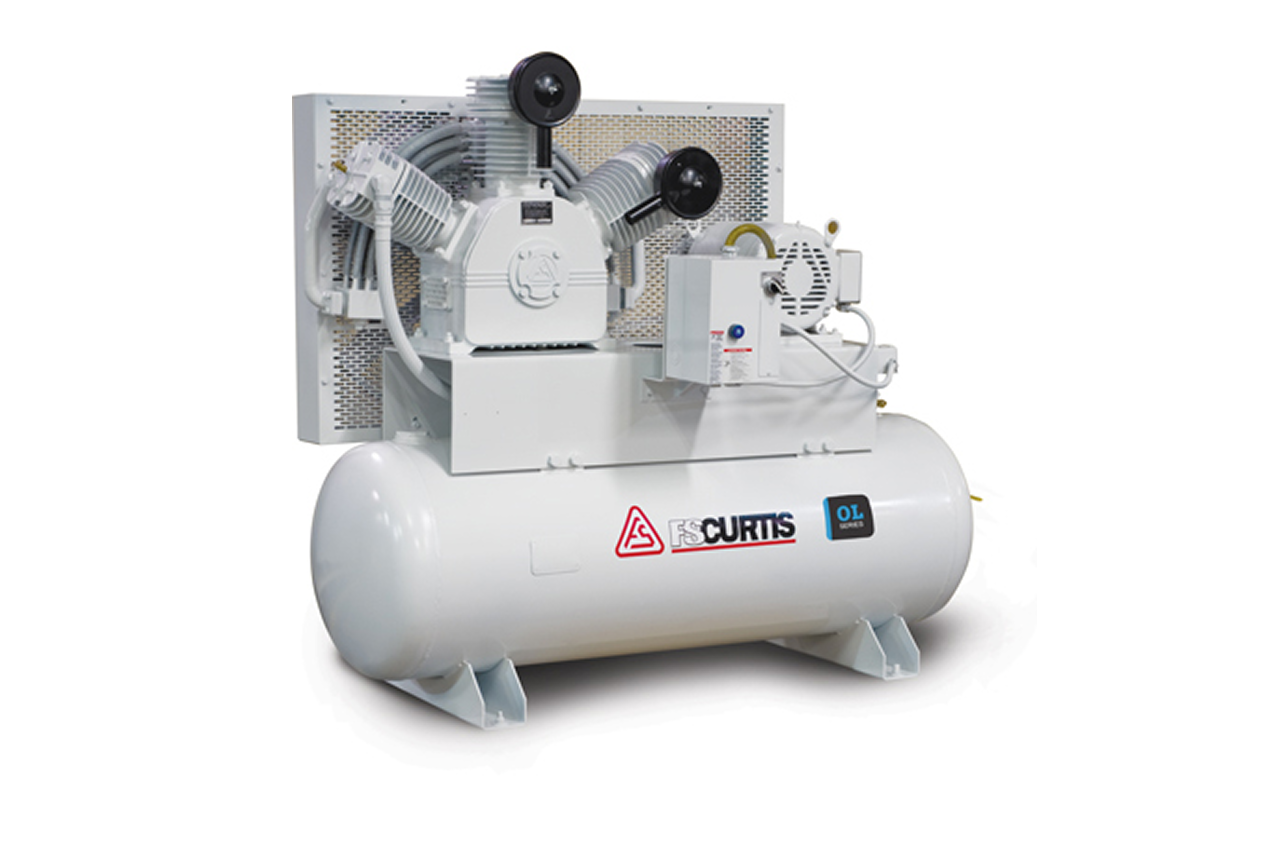
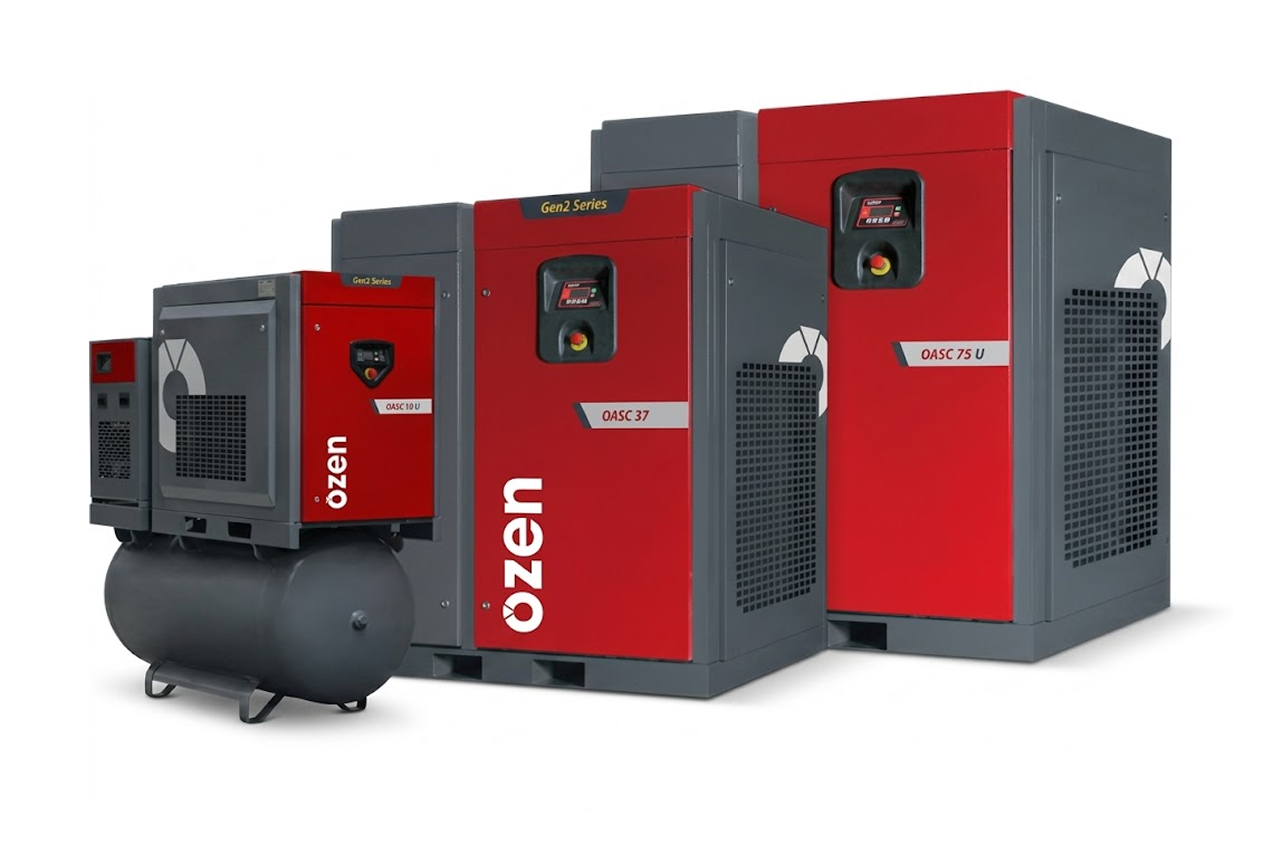
Real-world reference Representative oil-free compressor
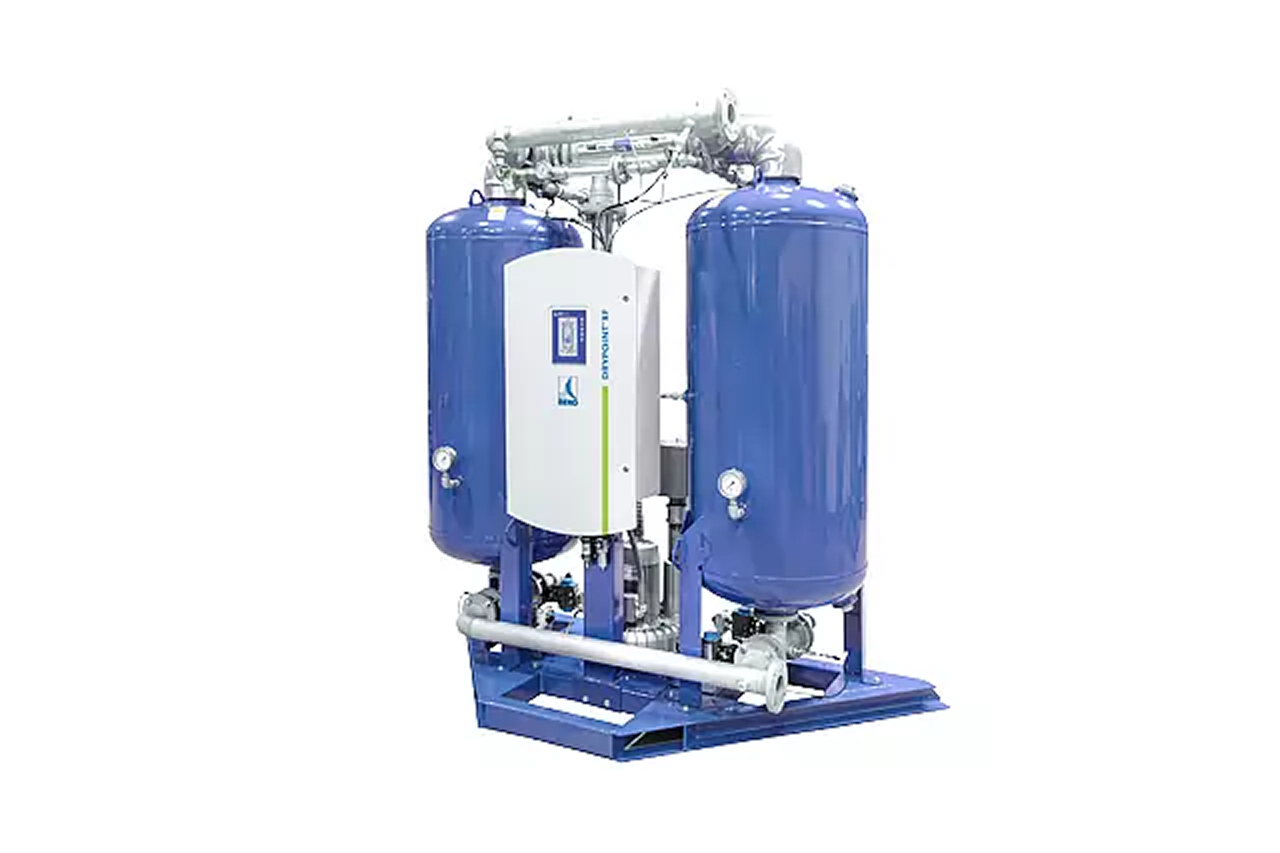
Oil-Free Compressor — representative product photo
02Why it's needed

Why this matters.

Tips and pointers on when oil-free is the architectural requirement — and when it's the wrong tool. Scroll the strip →

01 · Key point
Class 0 at the source, in writing.

Lubrication is sealed in a separate bearing housing — the compression chamber never contacts oil. Delivers ISO 8573-1 Class 0 (zero detectable oil), the signed-off document a regulated customer needs in the audit binder.

02 · Key point
Three technologies, full HP range.

Oil-free rotary screw 15-500+ HP for plants. Rotary tooth 20-75 HP for mid-size. Scroll 1.5-30 HP modular for dental, lab, and small fill-finish suites — sub-65 dBA and quiet enough for clinical spaces.

03 · Key point
Continuous duty, ~4 CFM/HP.

Same airend output basis as oil-injected at 100 PSI on screw and tooth machines. Fixed-speed or VSD configurations; full 100% duty rating across the line.

04 · Pro tip
Qualify the air-contact path first.

Ask: "does compressed air touch the product, package, or process gas directly?" Plus: "what audit standard are you certified to?" — FDA, cGMP, USP, SQF, BRC, ISO 8573-1 callout. The audit document is what makes Class 0 mandatory; without one, the requirement may not be real.

05 · Where not to use
General industrial without Class 0 spec.

Oil-free costs 2-3x oil-injected at equivalent capacity and runs slightly less efficient at full load. → Re-quote oil-injected with coalescing + carbon for manufacturing, automotive, plastics, woodworking, non-direct-contact food — Class 1 air is what they actually need.

06 · Where not to use
As a substitute for downstream treatment.

Oil-free removes the compressor as an oil source — it does NOT dry the air or remove particulate. Class 0 air with a wet distribution still fails audit on moisture. → Match dryer and filtration to the application's full air-quality class, every time.

07 · Where not to use
Confusing "oil-less" piston for oil-free.

Oil-less reciprocating is NOT certified to Class 0 — common terminology trap. → Verify oil-free rotary screw, rotary tooth, or scroll on every Class 0 quote. Selling an oil-less piston into a pharma fill suite is how audit failures happen.

03Key selection criteria

What we need to spec it right.

From the machine spec sheet → to the part number. Answer what you know — leave the rest blank — and send.

01 · Input
Pull from the customer's equipment list or current compressor nameplate. Size to peak demand + 25% safety. Scroll for small clinical / lab; screw for plant.
Scroll: 5-50 CFM (dental, lab, modular) · Tooth: 75-300 CFM (mid-plant) · Screw: 200-2000+ CFM (pharma, food)
02 · Input
Do not over-spec — every extra 2 PSI costs ~1% energy. Most pharma / food / electronics run standard plant pressure.
100 PSI (standard) · 125 PSI (mixed tooling) · 150 PSI (high-pressure process)
03 · Input
Class 0 is audit-driven, not a preference. Verify the certification document; without one, the requirement may not be real → re-quote oil-injected at 1/2 to 1/3 cost.
FDA / cGMP / USP (pharma) · SQF / BRC / FSSC 22000 (food) · ISO 8573-1 Class 0 spec (electronics) · NFPA 99 (medical air)
04 · Input
Does compressed air touch the product, package, or process gas directly? This is the qualifying question — direct contact makes Class 0 mandatory.
Direct product contact (mandatory) · Package / surface contact (mandatory) · Process gas / breathing air (mandatory) · No contact (re-spec oil-injected)
05 · Input
Continuous flat load is fixed-speed; significant demand swings favor VSD (same logic as any rotary compressor).
Flat 24/7 (fixed-speed) · Multi-shift / batch (VSD) · Lumpy clinical / lab (scroll modular)
06 · Input
Pull from the facility panel. Three-phase typically required above 5 HP; larger frames need water cooling and dedicated electrical drops.
230V/3ph/60Hz · 460V/3ph/60Hz (standard) · 575V/3ph/60Hz (Canada) · 400V/3ph/50Hz (export)
07 · Input
Air-cooled is default; water-cooled common above ~150 HP. Water-cooled needs verified supply, drain, and freeze protection.
Air-cooled (≤150 HP) · Water-cooled (150+ HP or hot rooms)
08 · Input
Drive electronics derate above 104°F. Affects placement and may force cabinet AC or drive relocation.
≤90°F (no action) · 90-104°F (ventilation) · 104°F+ (cabinet AC or relocate)
09 · Input
Class 0 oil is one parameter; dewpoint and particulate classes drive dryer and filter selection separately. Class 0 air with wet distribution still fails audit.
+38°F PDP refrigerated (indoor general) · -40°F PDP desiccant (pharma USP / outdoor) · Sterile + carbon (pharma / breathing)
10 · Input
Number of compressors for this configuration. Need redundancy (NFPA 99 / N+1) or staged capacity? Add a separate quote line per variant.
1 unit · 2 units (primary + backup) · 3+ units (lead/lag system)

Need different sizes, colors, or quantities? Fill the form, add to quote, then fill again — each click is one quote line.

04Choose your solution tier  ·  core differentiator

Whatever your lever — spec, value, or price — SPC has the right brand.

Most distributors sell one brand per product type. SPC's 60-brand portfolio means every Product Type page surfaces three real options matched to how your customer is buying today. Pick the tier; the quote desk handles the cross-reference.

05How to sell this  ·  distributor talk track

The tier conversation closes the deal. The cross-reference catalog wins the next one.

Oil-free is a yes/no question, not a tier question. The conversation isn't 'do you want premium air' — it's 'does your product touch the air, and what happens if there's oil in it.'
The SPC difference · how distributors actually buy

The 30-second positioning

Qualification first. Most customers asking "do I need oil-free?" are actually asking "is my application one where trace oil matters?" If yes, oil-free is on the table at any price. If no, the right move is to quote oil-injected at a fraction of the cost — that honesty is what brings the customer back when their NEXT plant is a food line or a pharma fill suite.

Three pieces: (1) Qualify the air-contact path — "does compressed air touch the product, package, or process gas directly?" Food blowoff (sometimes contact), pneumatic conveying of food powders (contact), pharma fill (contact), painting prep (contact through supply air), dental drill (contact with patient), semiconductor wafer handling (contact). (2) Verify the audit requirement — "what standard are you certified to?" FDA / GMP / cGMP / ISO 22000 / SQF / BRC for food, USP / cGMP for pharma, ISO 8573-1 Class 0 in a customer spec sheet. The audit document is what makes oil-free a hard requirement. (3) Scope the downstream stack — oil-free does NOT dry or de-particulate. Still need appropriate dryer and sterile/carbon/particulate filtration to the customer's full class.

Tier: Industry Leader tier for Fortune-500 pharma, semiconductor, and food-and-beverage where the audit binder needs a top-tier OEM line on it. Emerging tier for cost-sensitive Class-0 accounts — same ISO 8573-1 Class 0 certification, materially lower price. No Economical-tier oil-free is recommended — the Class 0 architecture has real engineering content cheap-tier manufacturers don't deliver reliably; an "economical oil-free" usually means oil-free at startup and oil-creep failure in year three.

Customer cue → talk move

""Spec'ing a new pharma / food / electronics plant""
Oil-free is mandatory. Lead with Industry Leader tier, scope the dryer + filtration to the required class, build the audit binder day one.
""Current oil-injected compressor is contaminating product or failing audit""
Oil-free retrofit. Do NOT try to fix with more downstream filtration. Pull the failing audit document, scope the new compressor.
""I need Class 0 but the budget is tight""
Emerging tier. Show the certification side-by-side with the Industry Leader option — air quality identical, audit acceptance identical, price materially lower.
""We don't have anything that touches the air""
Probably doesn't need oil-free. Qualify deeper — packaging blowoff contacting product surfaces? Finishing booth where oil aerosol spoils paint? If all no, route to oil-injected rotary screw.
""Dental office / small clinic / lab""
Oil-free scroll (mono or duplex). Quiet (sub-65 dBA), small footprint, no oil at all, modular packages scale up cleanly.
""Will downstream filtration get me to Class 0 from oil-injected?""
Honest answer: no, not architecturally. Filters hit Class 1 with sustained maintenance; Class 0 requires the compressor itself not be a source.
""Why is it twice the price?""
No oil to seal the chamber means tighter tolerances, more cooling, often two-stage on larger frames. The architecture IS the cost.
06Where it's used

Industries served.

Each industry below uses this product across the listed areas. Open an industry to see how it fits the rest of its system.
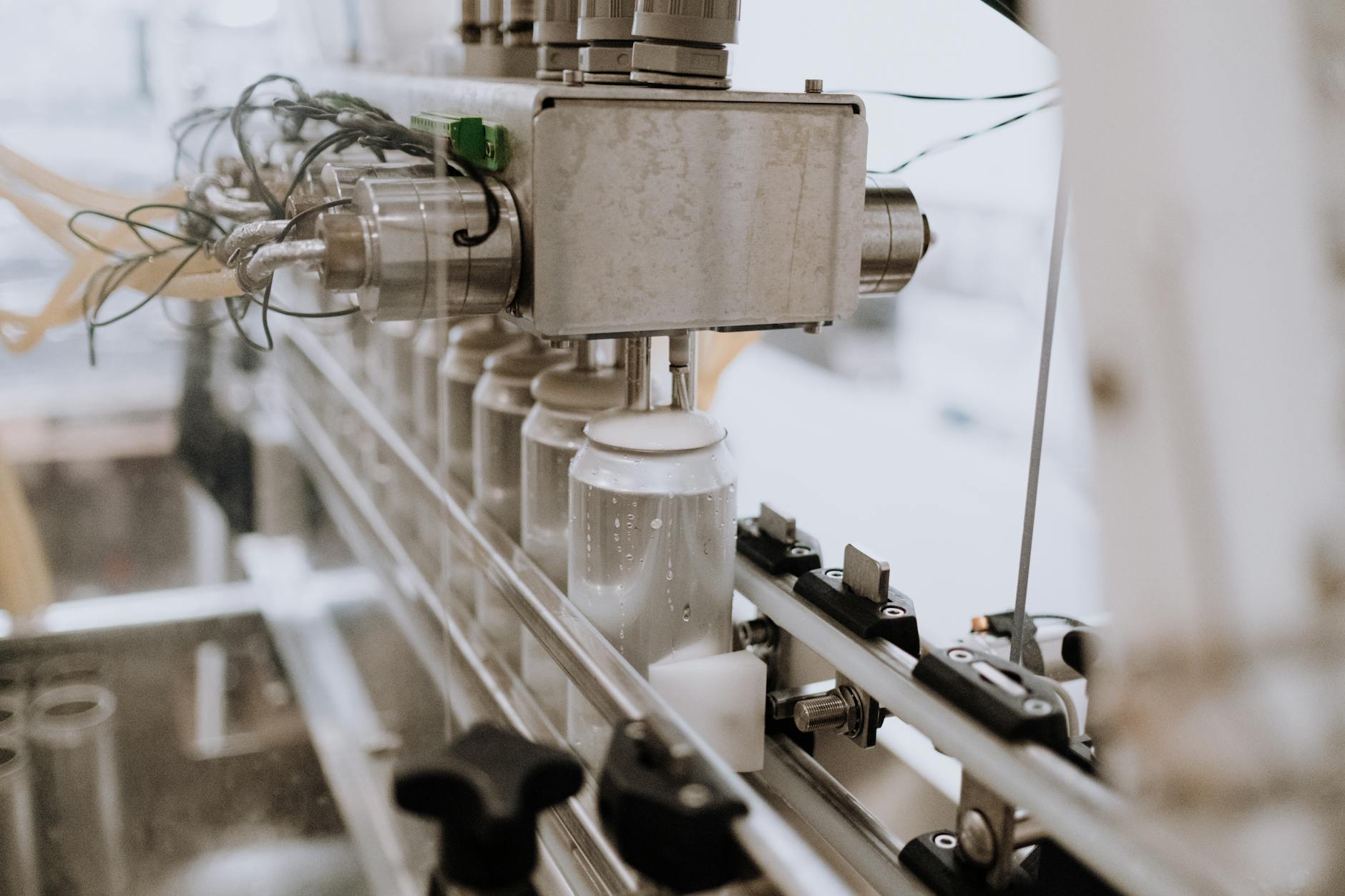
Also applies to High-quality painting & coating · Oil aerosol creates fisheye defects and adhesion failures. · Breathing-air supply (industrial & emergency-response)

09Install · 6 critical steps

The things that matter on the first install.

Step 01
Confirm the air-quality requirement is in writing
Get the customer's air-quality specification before installing — ISO 8573-1 class numbers, audit document references (FDA, GMP, USP, SQF, BRC), and customer-specific spec callouts. Oil-free is the right answer for Class 0 oil. Verify dryness and particulate classes too — the dryer and filtration get sized to those, not to the compressor itself.
Step 02
Locate the compressor in the air train
Standard install order: oil-free compressor → integrated aftercooler → wet receiver tank → dryer (desiccant for pharma / outdoor / sub-38°F dewpoint, refrigerated for indoor non-pharma) → particulate filter → activated-carbon filter → sterile filter if pharma / breathing-air → distribution. Receiver is NOT optional; it buffers transient peaks and lets the dryer work in steady state.
Step 03
Verify the air-quality chain end-to-end
An oil-free compressor feeding a contaminated receiver tank, leaky distribution pipe, or end-of-life filter elements does NOT deliver Class 0 to the point of use. At commissioning, sample air at the point of use (not the compressor outlet) with an ISO 8573-1 test kit. For Class-0 audited customers, this sample becomes the install baseline reviewed at the next audit.
Step 04
Three-phase service + drive cabinet temperature
Most oil-free above ~30 HP is VSD — three-phase power at drive input voltage, plus cabinet temperature management (derate above 104°F, fault around 122°F). Compressor-room AC or drive relocation fixes hot rooms.
Step 05
Plumb condensate to an oil-water separator anyway
Counter-intuitive but real: oil-free compressors still pull atmospheric hydrocarbons (vehicle exhaust, urban smog) into the intake, and a fraction condenses out in the aftercooler and dryer with the water. The condensate is NOT certified hydrocarbon-free. Plumb to an OWS (oil-water separator), OWS effluent to permitted discharge. Saying "it's oil-free, the condensate goes to sanitary" is how regulatory citations happen.
Step 06
Commission with documentation + service cadence
Class-0 customers expect a full commissioning binder: ISO 8573-1 air-quality test result at point of use, compressor performance verification at rated flow + pressure, drive parameter print-out, leak survey baseline. Set the service calendar at install — timing-gear lubricant change on screws, scroll-tip seal change on scroll lines, downstream filter elements. A missed scroll-tip change is the most common audit failure on small medical units.
10Troubleshoot · top failures

Most returns trace to one of these causes.

Symptom
Most likely cause
Fix
Air-quality test at point of use fails ISO 8573-1 Class 0.
The compressor is delivering Class 0 at its outlet, but the downstream stack is contaminating the air. Most common: end-of-life activated-carbon filter (hydrocarbon breakthrough), unflushed receiver tank from a prior oil-injected installation, distribution-pipe scale or biofilm, or a missed sterile-filter change.
Sample air sequentially — compressor outlet first (should pass), then dryer outlet, then each filter outlet, then point of use. The first failing point identifies the contamination source. Replace filter elements, drain and flush the receiver, repipe distribution if it was previously oil-injected supply.
Compressor faults on overcurrent or vibration.
On oil-free rotary screw, the precision timing gears that hold the rotors apart are the highest-stress component — worn timing gears cause rotor contact and immediate faults. On scroll, the tip seals or orbiting-scroll bearing. On rotary tooth, the synchronizing gear set.
Pull the OEM service log and confirm timing-gear lubricant change was performed on interval. Vibration analysis identifies the degrading bearing set. Timing-gear or scroll-element replacement is a planned-shutdown job, not a field repair — schedule with the OEM service team.
Trace oil detected after a year of operation.
Most likely the bearing/drive lubricant housing seal degrading and oil migrating into the air path. Less common: aftermarket non-OEM lubricant in the bearing housing creeping past the seal. Rarely: the compressor was misidentified at install — some "oil-less" reciprocating compressors are NOT Class 0 and were sold to a Class 0 customer in error. (Terminology trap — worth verifying on every audit-failing site.)
Pull the maintenance log and verify OEM-spec lubricant. Sample at the compressor outlet first — if it fails there, the unit needs OEM service. If the customer was sold "oil-less" piston rather than "oil-free" rotary/scroll, replace the unit.
Drive cabinet trips on overtemperature in summer.
Compressor-room ambient exceeds derating point (typically 104°F), cabinet ventilation filter is clogged, or cabinet cooling fan has failed.
Clean cabinet filter (often missed). Verify cooling fan. Measure room ambient — if over 100°F, install cabinet AC or relocate the drive.
Customer asks why oil-free runs more expensive than oil-injected at same flow.
It is — slightly. Removing the oil film from the compression chamber costs ~5-10% efficiency at full load on rotary-screw oil-free, more on scroll. This is physics, not a fault.
Reframe around audit risk avoided, not energy cost. Class 0 has a price tag, and the energy delta is part of it. If the customer doesn't have an audit driving the Class 0 requirement, ask whether they actually need oil-free at all.
System short-cycles on light load.
Same as any compressor — undersized receiver, oversized compressor, or pressure band set too narrow. On scroll multi-pump (SF Multi / Duplex), the lead/lag staging logic may be mis-tuned.
Verify receiver sizing — 4 gal/CFM fixed-speed, 1-2 gal/CFM acceptable on VSD. Widen pressure band to 10-15 PSI if tight. On modular packages, recommission the staging controller; uneven runtime across pumps is the tell.

Get the right oil-free compressor on quote in 24 hours.

Send us the application — a specialist routes you to the correct tier with a configured part. Lead-times and pricing returned within one business day.

Request a quote