DISTRIBUTOR-FIRST SUPPLY PARTNER · SINCE 1999 Live · Compressed Air System

SPC Company
Compressed Air / Treatment / Compressed Air Filtration / Activated Carbon Filter
Layer 02 · Treatment Industry Leader · Walker Filtration
01What it is

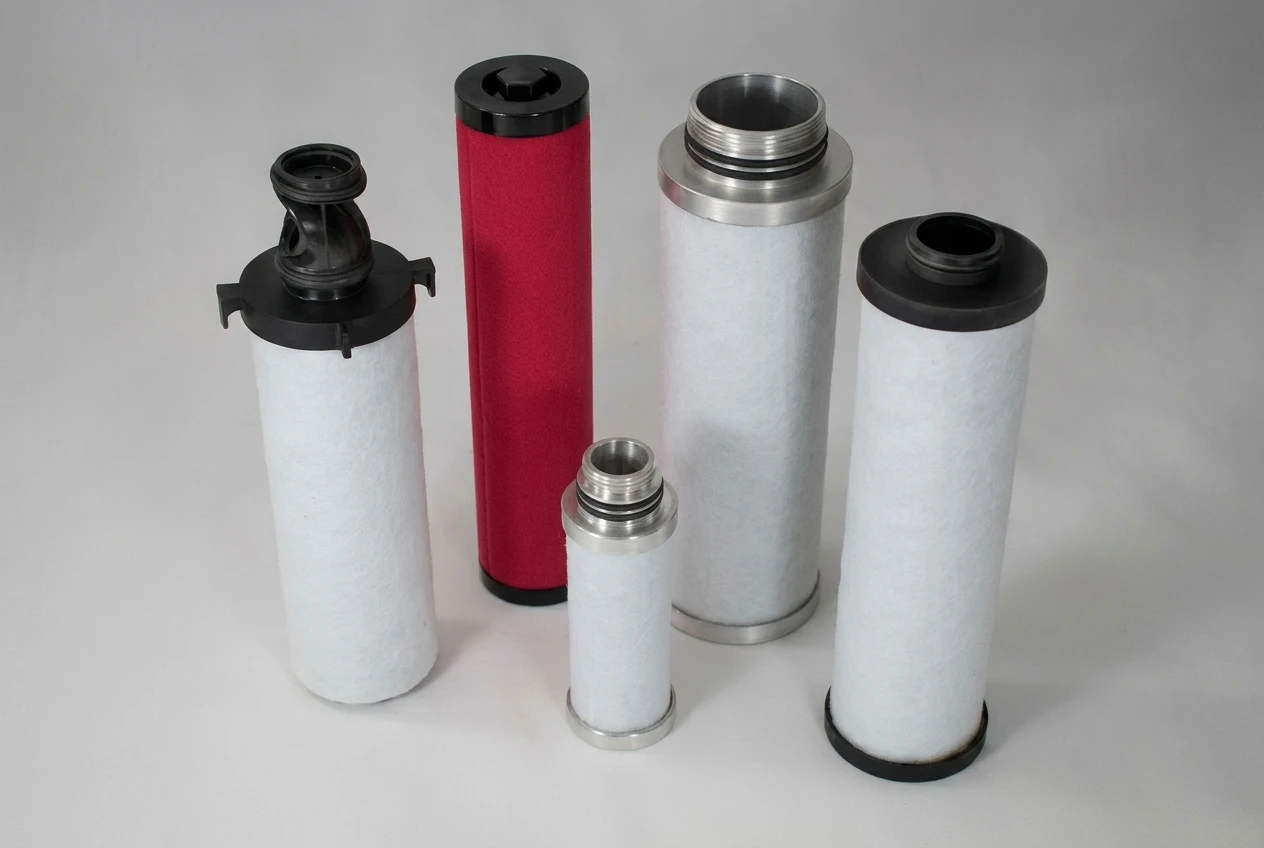
Activated Carbon Filter

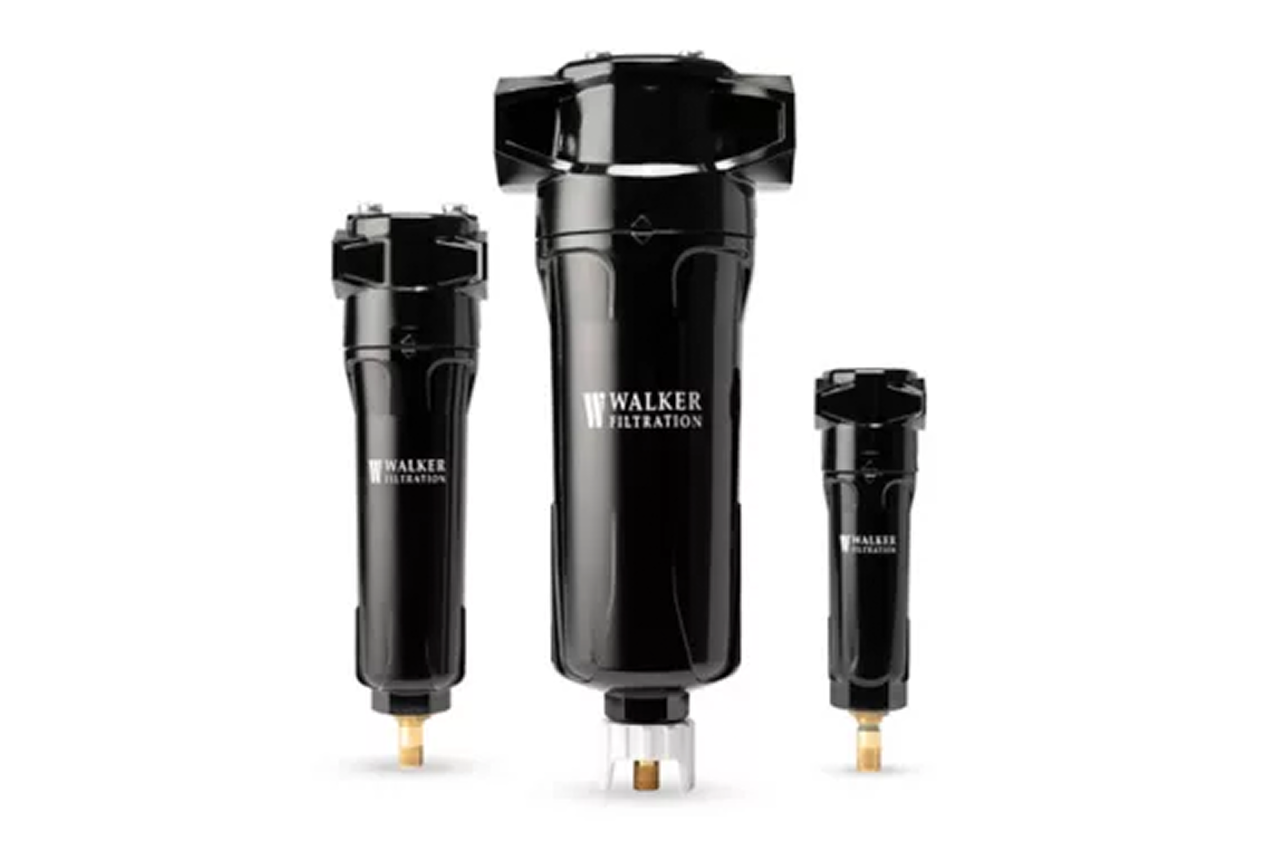
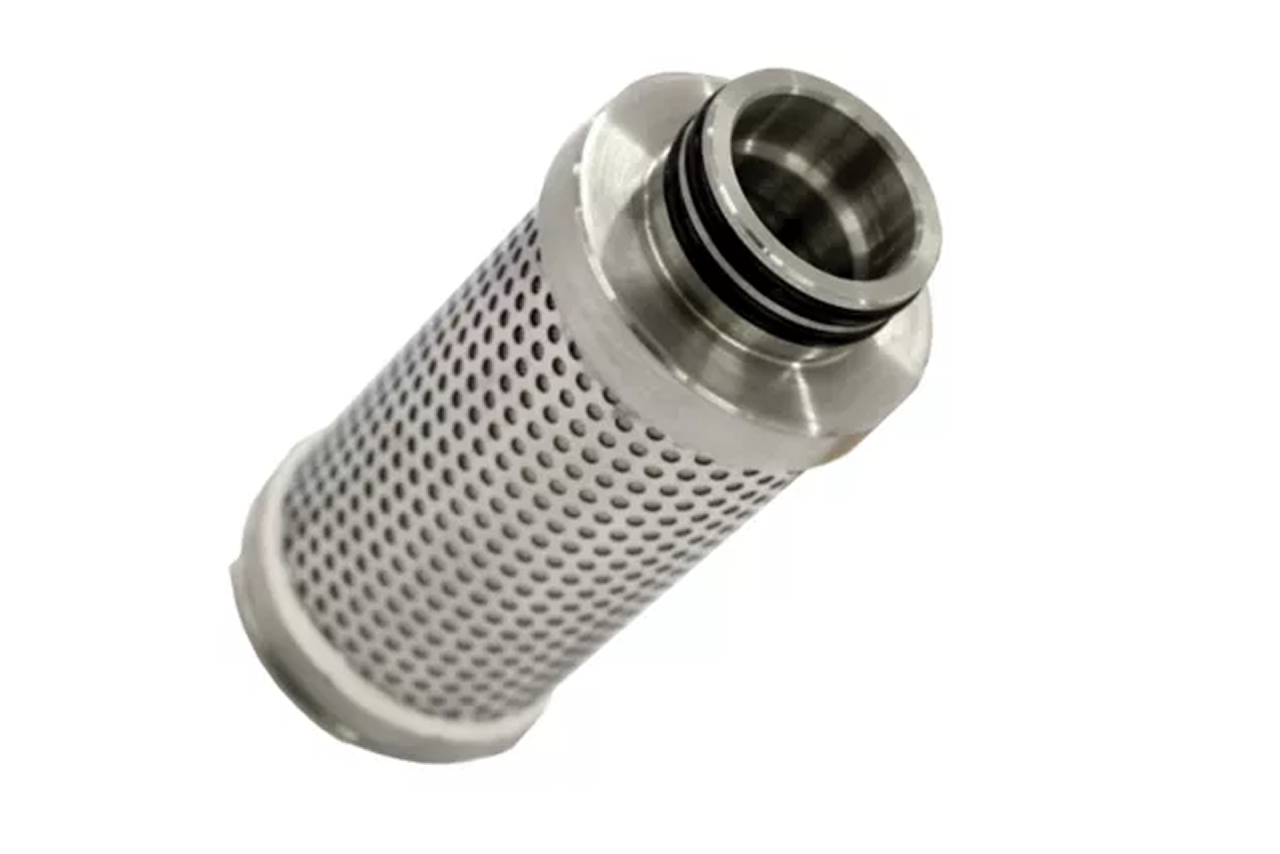
An activated carbon filter removes gaseous oil vapor and odor from compressed air — the one contaminant a coalescing filter physically cannot capture. Coalescing media works by merging liquid droplets, but oil vapor is not a droplet; it is a gas, and it passes straight through glass fiber. Activated carbon removes it by ADSORPTION: the carbon's enormous internal surface area chemically holds hydrocarbon molecules out of the air stream as air passes through the media bed. It is always installed as the final oil-removal stage, downstream of a coalescing filter that has already taken the liquid oil out — feeding liquid oil to a carbon bed saturates the media almost instantly. It is a specified stage for clean-air work (food, pharma, breathing air, electronics, paint), not a default stage for every system.
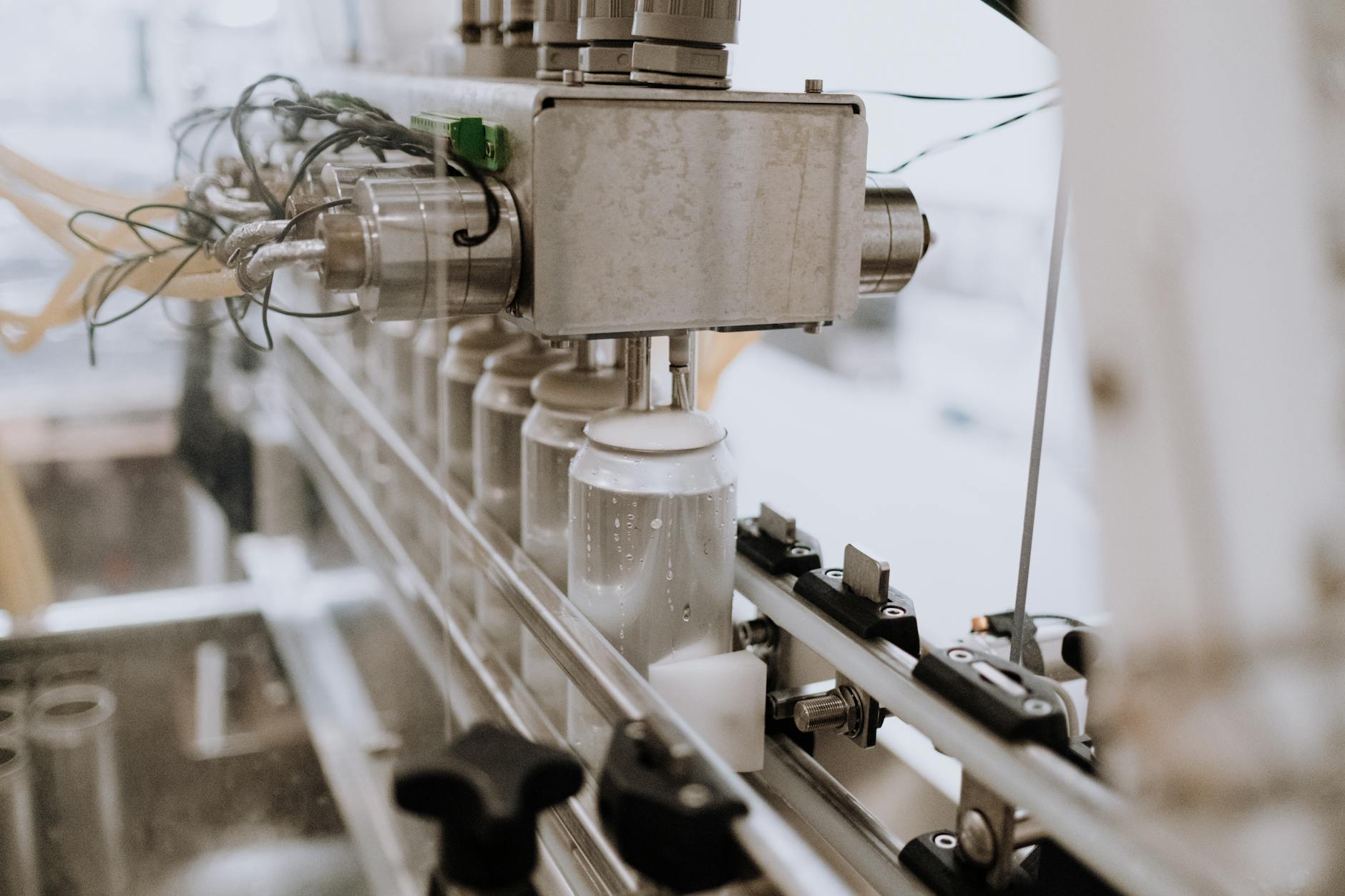
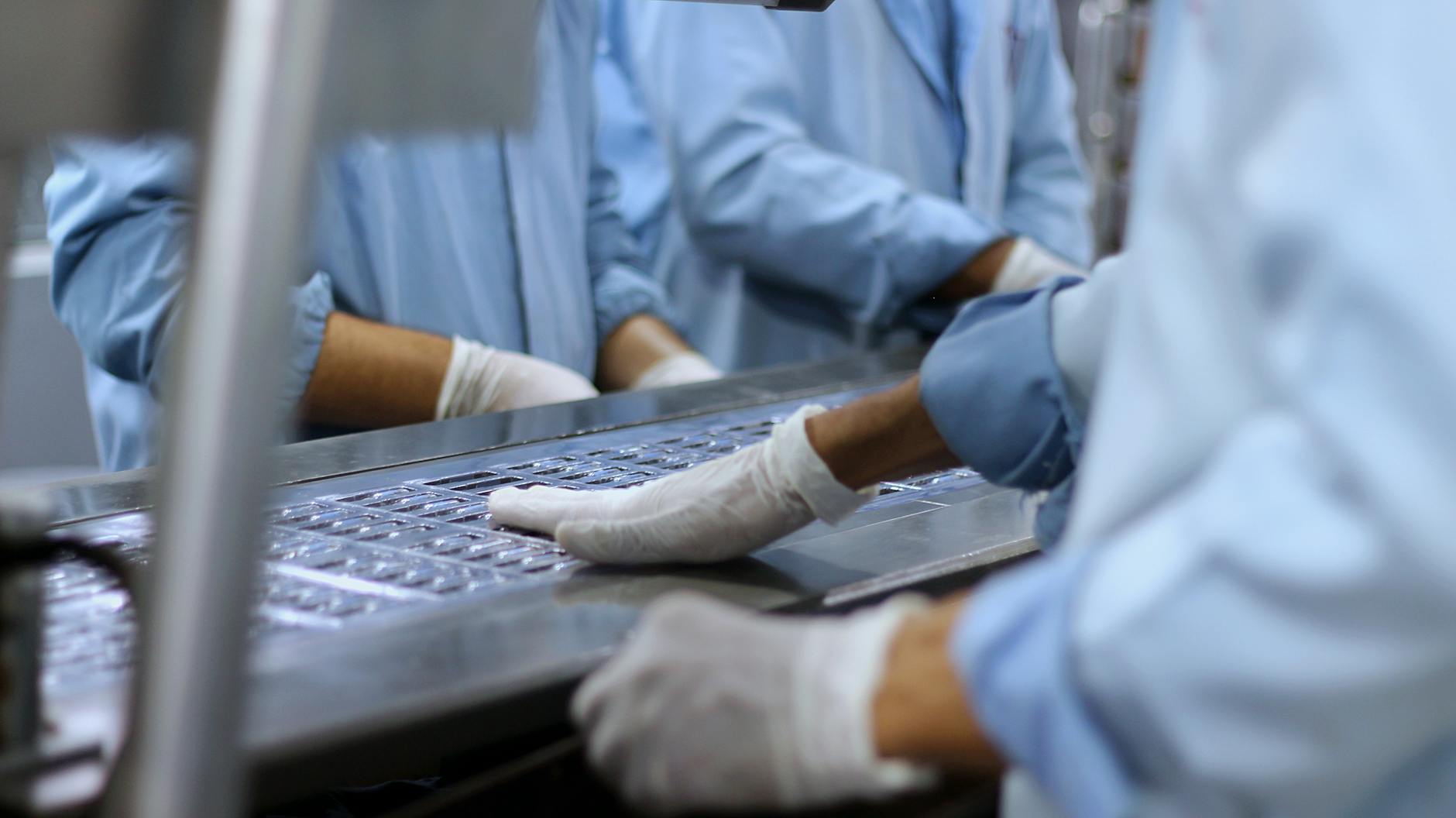
Where it's used Food & Beverage Processing
Food & Beverage Processing application
02Why it's needed

Why this matters.

The only filter that handles oil vapor — and the only one that fails invisibly. Scroll the strip →

01 · Key point
It removes the vapor coalescing can't.

Some compressor oil volatilizes under heat and pressure; 0.5-5 ppm of hydrocarbon vapor passes straight through glass fiber. Carbon adsorbs it — the only media in the train that addresses gaseous oil.

02 · Key point
It hits ISO 8573-1 Class 0.

A fine carbon grade drops oil carryover to roughly 0.003 ppm — the lowest of any filtration stage and the threshold for Class 0 total oil (liquid + vapor). The only path to that spec at point of use.

03 · Key point
It removes hydrocarbon odor.

Same adsorption mechanism captures the trace hydrocarbons that taint food packaging, fail paint adhesion, and complaint-trigger on breathing-air installs. Class 0 by spec; odor-free by audit.

04 · Pro tip
Replace on calendar, not DP.

Carbon saturation is invisible — adsorption sites fill up with no pressure-drop warning. Default cadence: 6 months calendar OR continuous downstream oil-vapor monitoring. Never extend on visual inspection; the element looks identical at saturation.

05 · Where not to use
Without upstream coalescing.

Liquid oil saturates a carbon bed in days, not months. → Add upstream coalescing at 0.01 micron — mandatory. Quoting carbon without verifying upstream coalescing protection is malpractice.

06 · Where not to use
CO removal on breathing air.

Carbon doesn't address carbon monoxide — Grade D/E breathing-air spec covers hydrocarbons AND CO. → Add a CO monitor and (if needed) a CO-catalyst stage. SCBA and supplied-air respirator stations need both.

07 · Where not to use
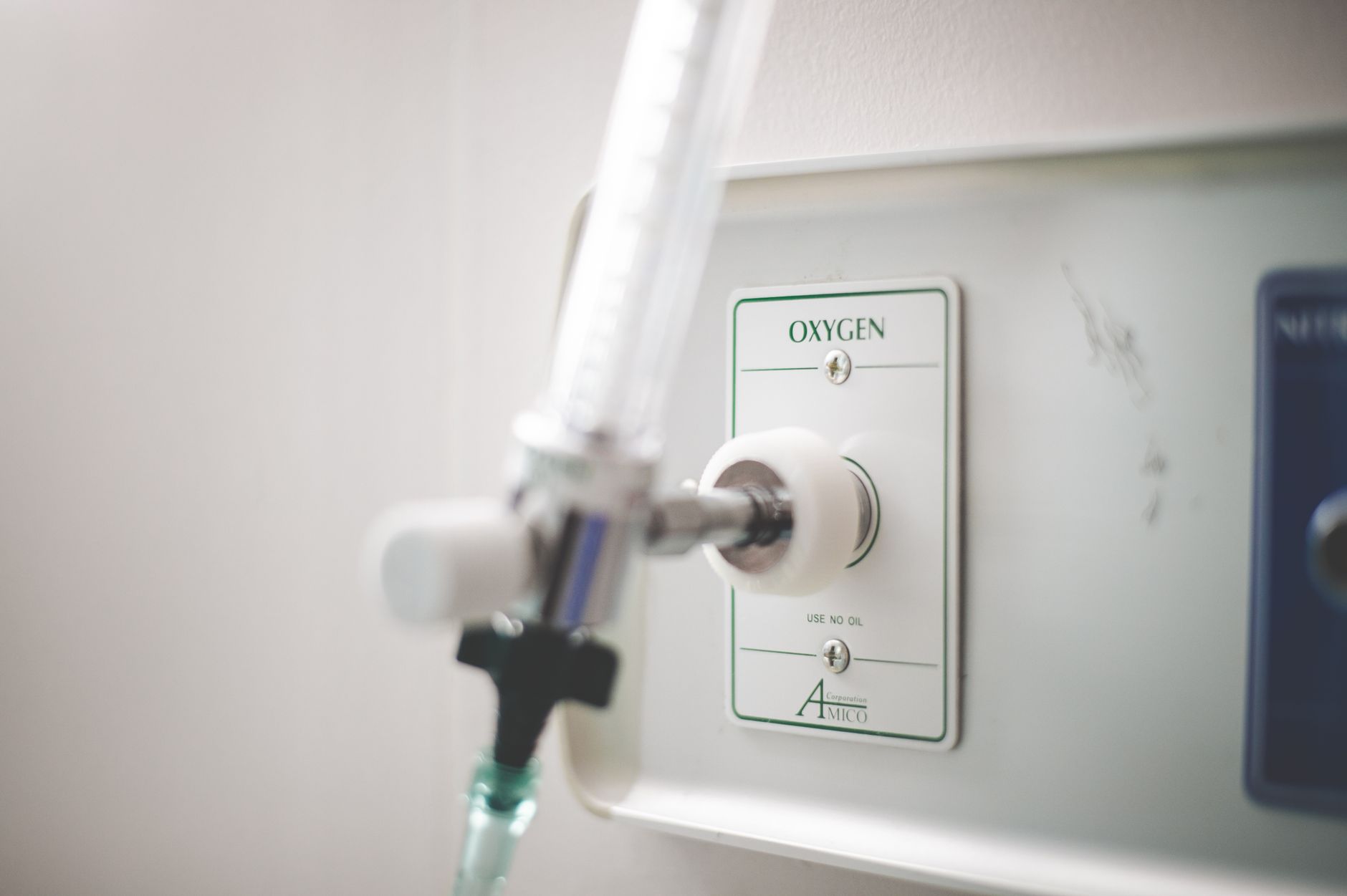
Live bacteria / NFPA 99 air.

Adsorption captures vapor; it doesn't remove microorganisms. → Re-spec to medical-sterile as the final stage on hospital medical-air, pharma fill, and food-direct-contact installs, downstream of carbon.

03Key selection criteria

What we need to spec it right.

From the machine spec sheet → to the part number. Answer what you know — leave the rest blank — and send.

01 · Input
Pull from the compressor nameplate or system audit and add ~25% headroom — oversize is especially favorable on carbon because slower face velocity improves vapor adsorption.
Point-of-use / drop: 10-50 SCFM · Branch / cell: 50-250 SCFM · Main-line bulk: 250-1000+ SCFM
02 · Input
Carbon is only needed when the spec calls for total-oil (liquid + vapor) control — ISO 8573-1 Class 0. General manufacturing doesn't need it; quoting it where it isn't required wastes customer spend. "Oil-free air" in customer specs needs interpretation.
Food contact / packaging · Pharma / cGMP · Breathing air · Electronics / semiconductor · High-end paint / coatings
03 · Input
Read off the system pressure gauge at the install point — housing pressure rating must clear it. Standard housings top out around 150 PSI.
Standard: 100 PSI · 125 PSI · 150 PSI · High-pressure housing: 232 PSI · 500+ PSI
04 · Input
Carbon must be the final stage after a 0.01 micron coalescing filter. Without upstream protection, liquid oil reaches the carbon bed and saturates it in days instead of months.
Full train upstream (particulate + 0.01 coalescing) · Adding carbon to existing train · Quote full train (no upstream protection in place)
05 · Input
Carbon runs a ~6-month cadence — faster than every other element. For replacements, pull existing brand/model and last change date from the maintenance log; calibrate to the customer's PM schedule. Carbon depletion is invisible (no pressure-drop warning) — quote downstream vapor monitoring on audited installs.
New install · Cross-reference element (OEM brand + model) · 6-month replenishment cycle · + Downstream oil-vapor monitor
06 · Input
Number of housings for this configuration. Carbon is typically one polishing stage per branch, but parallel housings on high-flow audited installs are common. Different sizes on different branches? Add a separate quote line per variant.
1 housing · 2-3 (staged train: pre-filter + coalescer + carbon) · 4+ (multi-line plant or parallel high-flow)

Need different sizes, colors, or quantities? Fill the form, add to quote, then fill again — each click is one quote line.

04Choose your solution tier  ·  core differentiator

Whatever your lever — spec, value, or price — SPC has the right brand.

Most distributors sell one brand per product type. SPC's 60-brand portfolio means every Product Type page surfaces three real options matched to how your customer is buying today. Pick the tier; the quote desk handles the cross-reference.

05How to sell this  ·  distributor talk track

The tier conversation closes the deal. The cross-reference catalog wins the next one.

Activated carbon is the filter customers don't know they need until they fail an audit. The sale is usually retroactive — they fix the failure by adding the stage they should have had at install.
The SPC difference · how distributors actually buy

The 30-second positioning

Carbon is a specified filter, not a default. General manufacturing air, plant blow-off, pneumatic tools, automation — none of these need carbon. The applications that DO need it are specific and audit-driven: food and beverage with direct air contact, pharmaceutical and medical, breathing air, electronics and semiconductor, high-end paint and coating. The sale is qualification-first: identify whether the application demands vapor removal, then build the carbon stage into the train.

Tier: Industry Leader tier is effectively single-source in this category. The engineered activated-carbon element is the audit-spec'd choice in pharma, food, and breathing-air installs — backed supply chain, full documentation, and published hydrocarbon-vapor breakthrough curves that most lower-tier carbon vendors don't provide. Lower-tier carbon exists but the 6-month replacement interval is often optimistic on it, which creates audit-failure risk. For an audited install, Industry Leader tier is the durable answer.

The consultative move — verify the train. Confirm 0.01 micron coalescing is installed immediately upstream of where the carbon will go. Without that, the carbon saturates in days. Then set the cadence and the monitoring: 6-month calendar replacement, OR continuous downstream oil-vapor monitoring that signals depletion. Most plants miss the monitoring conversation and end up failing the next audit because the carbon was replaced "when it was time" rather than "when it was needed."

Element interval: 6 months calendar OR continuous downstream vapor monitoring. Never extend on visual inspection — carbon looks identical at saturation.

Customer cue → talk move

"ISO 8573-1 Class 0 total oil at point of use"
Coalescing 0.01 micron + activated carbon in series. Document the full train in the customer's air-quality binder.
"Food and beverage with direct air contact"
Coalescing + carbon + sterile filter. Brief the customer on the 6-month cadence at install; missed carbon change is an audit finding.
"Pharma fill line / sterile injectables"
Same stack — coalescing + carbon + sterile. Pair with continuous oil-vapor monitoring for cGMP audit packages.
"Breathing air supply"
Coalescing + carbon + sterile + CO monitor. Grade D / E breathing-air spec is explicit on hydrocarbons. Carbon does NOT address CO — quote that separately.
"Paint shop air"
Silicone-free coalescing + silicone-free carbon + particulate guard. Standard carbon can carry silicone trace causing fisheye defects.
"Customer asks why carbon is more expensive than coalescing"
Engineered adsorption media costs more than glass fiber AND the cadence is twice as fast. Annualized, carbon is ~4x the cost of coalescing — but the application that needs it has no substitute.
"Compressor is oil-free, do I still need carbon?"
Maybe. Oil-free removes the compressor source; atmospheric intake still carries hydrocarbon vapor (urban smog, vehicle exhaust). If the spec is Class 0 at point of use, carbon is still needed.
09Install · 7 critical steps

The things that matter on the first install.

Step 01
Position the filter at the end of the filtration train
Standard order: compressor → aftercooler → wet receiver → dryer → particulate pre-filter → coalescing 0.01 micron → ACTIVATED CARBON (this product) → sterile filter (if pharma / breathing air / food) → distribution. Carbon is always the last oil-removal stage; only sterile sits downstream.
Step 02
Verify upstream coalescing is in place and rated for the load
Coalescing 0.01 micron immediately upstream is mandatory. If the customer's existing train has only coarse particulate or only 0.1 micron coalescing, upgrade BEFORE installing carbon — otherwise the carbon saturates in weeks. Pull the upstream filter documentation and verify both grade and installation date.
Step 03
Size to flow plus 25% headroom (50% for performance-critical installs)
Match housing SCFM at operating pressure to compressor output. Oversize is especially favorable on carbon because contact time with the carbon bed matters — slower face velocity through a larger housing = better vapor adsorption. Cost-constrained installs can size to spec; performance-critical installs should size 50% above flow rating.
Step 04
Install downstream oil-vapor monitoring (for audited installs)
Continuous oil-vapor sensor downstream of the carbon stage, logged to the customer's monitoring system. This is what audit reviewers expect on cGMP and breathing-air installs — proof of compliance between calendar replacements. Add it as a separate line item; most customers don't know it exists until SPC quotes it.
Step 05
Set the replacement calendar at install
6-month replacement cadence is the default. Calibrate to the customer's annual PM schedule so the carbon change happens during a planned shutdown, not as an emergency. Document install date, element part number, brand, and grade in the customer's air-quality binder.
Step 06
Verify housing pressure rating against system pressure
Standard carbon housings rated to 150 PSI. Boosted systems (200+ PSI) need a high-pressure housing; the carbon media itself is fine at higher pressure, but the housing rating is the limit. Pinch point: customer running 250 PSI on a 150 PSI housing — handles steady-state, fails on transients.
Step 07
Stock spare elements and brief the operator
Stock at least one spare element per housing in the customer's MRO crib; carbon supply chain is longer than for glass fiber media. Brief the operator on the invisible-failure mode — explain that carbon doesn't show pressure drop and shouldn't be evaluated visually. Operators trained on coalescing criteria often over-extend carbon elements, then fail audits and don't understand why.
10Troubleshoot · top failures

Most returns trace to one of these causes.

Symptom
Most likely cause
Fix
Audit fails on ISO 8573-1 oil class despite carbon filter installed
Carbon element past its 6-month interval (most common — operator running on visual inspection rather than calendar), upstream coalescing failure dumping liquid oil onto the carbon bed (saturates it instantly), wrong grade installed (general-purpose carbon when application needs an engineered Industry Leader-grade element), or — rarely — undersized housing with too-high face velocity reducing adsorption.
Replace the carbon element on calendar regardless of appearance. Verify upstream coalescing is within its replacement window and DP is below 8 PSI. Confirm grade matches application. Upsize housing if face velocity is high. Add downstream oil-vapor monitoring to catch the next event in real time.
Smell of compressor oil at the point of use
Carbon depletion (most common — vapor breakthrough often precedes formal test failure by weeks), upstream coalescing pushing liquid oil through, or — on breathing-air installs — CO breakthrough that the customer mistakes for oil smell (CO is odorless but causes similar olfactory complaints).
Replace the carbon element. If smell returns within weeks, the upstream coalescing is the problem — replace coalescing element and inspect for housing leak. On breathing-air installs, add CO monitoring; carbon doesn't address CO.
Pressure drop high across carbon filter
Unusual for carbon — DP doesn't rise from adsorption loading. High DP usually means liquid carryover saturating the media physically (upstream coalescing failure), housing internals fouled with debris from upstream piping disturbance, or media collapse in a poorly built element.
Replace element and inspect for liquid. Verify upstream coalescing performance. If a known-good upstream coalescing is in place and DP is still high, the carbon element may have collapsed — return to vendor under warranty and re-verify on the next element.
Carbon element appears unchanged at 6 months — customer wants to "save" it
Customer is evaluating carbon by visual standards that don't apply. Adsorption capacity depletes invisibly; the element looks identical at saturation.
Educate the customer on the invisible-failure mode. Replace on calendar regardless of appearance. If pushback persists, install downstream oil-vapor monitoring so they can see the depletion curve and trust the calendar.
Element replacement intervals vary widely between similar installs
Variation in hydrocarbon load between sites — urban industrial sites with high atmospheric hydrocarbon (highways, industrial neighbors) load carbon faster than rural sites; oil-lubricated compressors with worn separators dump more vapor than well-maintained ones; operating-pressure variations affect adsorption efficiency.
Set replacement intervals per site based on monitoring data when available. Default to 6 months for new installs; tighten to 3-4 months if downstream monitoring shows faster depletion. Document the actual cadence in the customer's air-quality binder.

Get the right activated carbon filter on quote in 24 hours.

Send us the application — a specialist routes you to the correct tier with a configured part. Lead-times and pricing returned within one business day.

Request a quote