DISTRIBUTOR-FIRST SUPPLY PARTNER · SINCE 1999 Live · Compressed Air System

SPC Company
Compressed Air / Treatment / Air Dryers / Refrigerated Dryer
Layer 02 · Treatment Industry Leader · Great Lakes Air Emerging · Ozen Air Economical · KELTEC
01What it is

Refrigerated Dryer

A refrigerated dryer is the default primary dryer on an indoor compressed air system — sized to full compressor flow and installed in the treatment layer, downstream of the compressor, aftercooler, and wet receiver (the tank that catches bulk liquid water before it reaches the dryer). It conditions the entire air stream before that stream enters distribution. Its job is to drop moisture content to a level that protects everything downstream — piping, tools, cylinders, valves — wherever those pipe runs stay above freezing. It is the cheapest treatment that solves the moisture problem for the 80% of plants that fit those conditions.

Real-world reference Representative refrigerated dryer
Refrigerated Dryer — representative product photo
Pictorial Vertical cabinet · air-cooled
Process context L2 · Treatment · between aftercooler & distribution
Aftercooler Wet Recvr Refrigerated Dryer you are here Coalescing Distribution FROM COMPRESSOR → → TO PLANT AIR L2 · TREATMENT

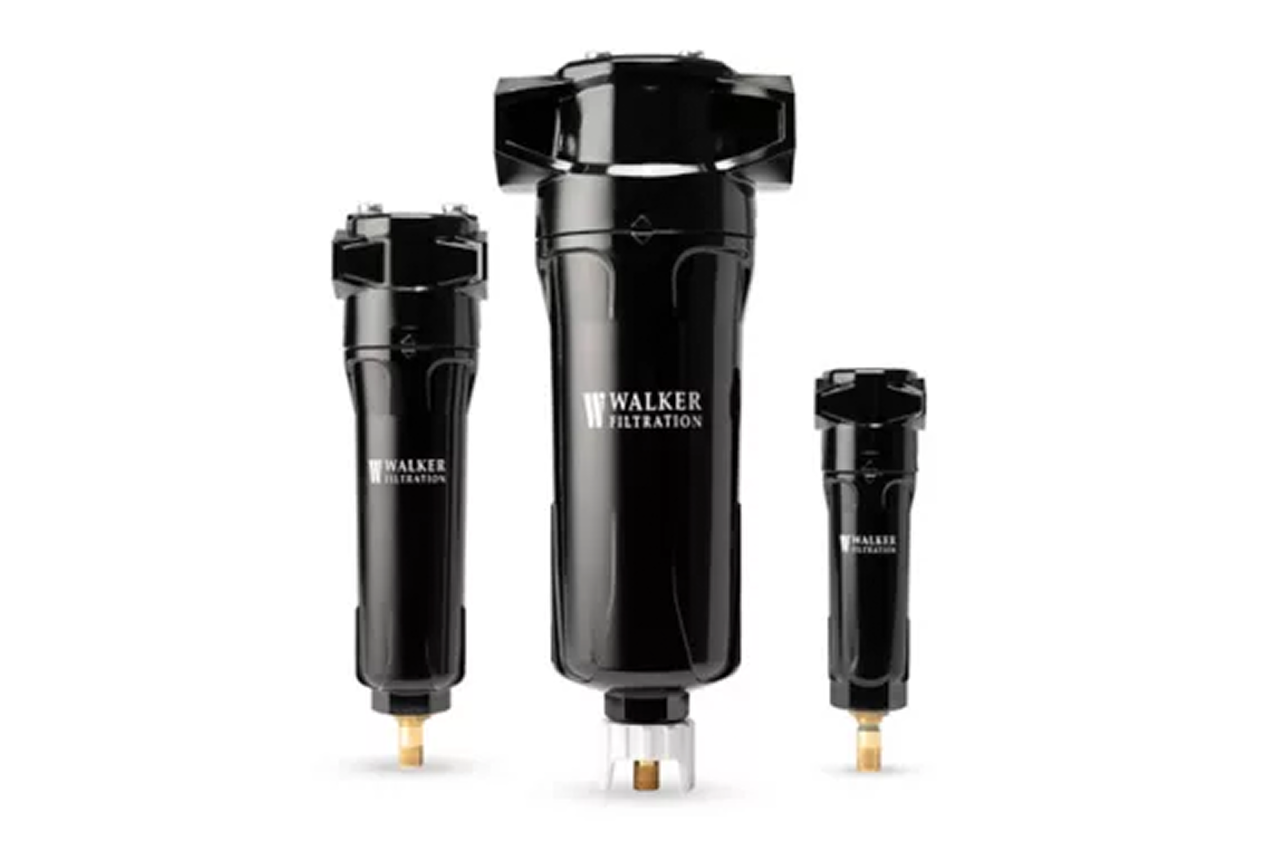
Refrigerated dryers sit after the wet receiver (first-stage water knockdown) and before distribution. The coalescing filter immediately downstream catches any oil aerosol or fine moisture carryover the dryer’s separator misses — quoting the two together is standard install practice.

02Why it's needed

Why this matters.

Tips and pointers on when a refrigerated dryer is the right call — and when to spec something else. Scroll the strip →

01 · Key point
It removes the vapor, not the drip.

A 100 HP rotary screw dumps 25-40 gallons of liquid water a day into the system as vapor condenses downstream. Refrigerated chills the stream to 35-40°F so the vapor drops out before distribution — line drains only catch what already condensed in the header.

02 · Key point
It covers the 80% case cheaply.

+35 to +50°F PDP, ISO 8573-1 Class 4-6 — exactly what indoor pipe at room temperature needs. A $3-8K dryer prevents $50-200K in tool, piping, and finish damage. Cheapest insurance policy a plant can buy on its air system.

03 · Key point
Cycling saves real money at part-load.

Cycling / thermal-mass units shed capacity when load drops — 30-50% electric savings on lines that run under ~60% load most of the time. Pays back the capital premium in 18-36 months at typical industrial rates.

04 · Pro tip
Size CFM × 1.1, then attach the drain.

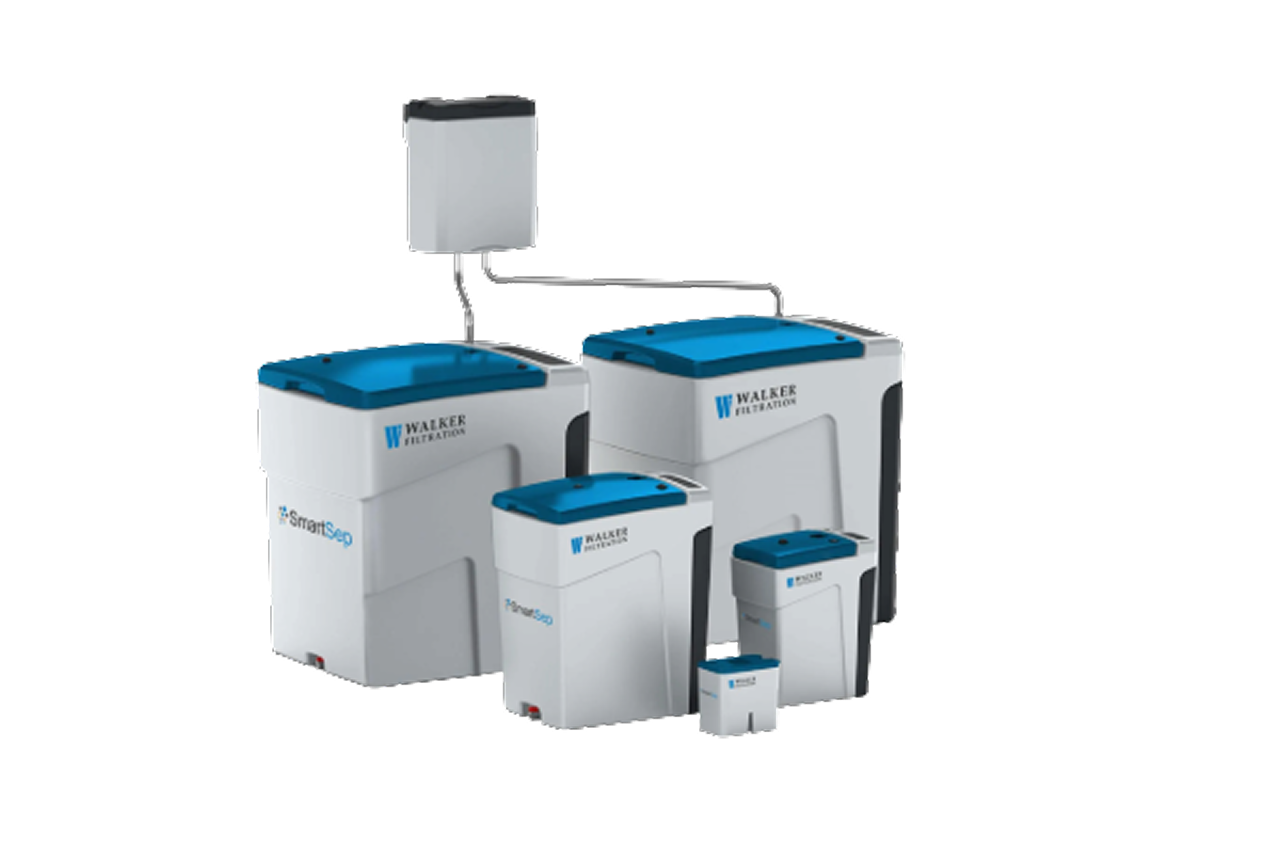
Dryer SCFM ≥ compressor full-load × 1.1. Then attach an electronic-timer condensate drain and an oil-water separator on every quote — manual and float drains fail in service; oily condensate to sanitary sewer is illegal (fines start at $10K).

05 · Where not to use
Outdoor pipe or sub-freezing runs.

The refrigeration circuit cannot chill below freezing without icing the exchanger — and the +40°F PDP floor means vapor still drops out in any pipe that goes cold. → Re-spec to desiccant for outdoor pipe, unheated buildings, walk-in freezers, and loading docks.

06 · Where not to use
ISO 8573-1 Class 2 or below.

Refrigerated covers Class 4-6, reaches Class 3 with quality coalescing. → Re-spec to desiccant for instrument air, paint Class 1-2, lab, pharma, semiconductor, food direct-contact — applications that genuinely need -40°F PDP or lower.

07 · Where not to use
Hot compressor room, no derate.

Rated at 100°F inlet / 100°F ambient. Above 100°F, refrigeration capacity drops fast and PDP climbs out of spec under load. → Upsize one frame, relocate to a cooler room, or fix upstream cooling (aftercooler, ventilation) — don''t install at nameplate in a 110°F room.

03Key selection criteria

What we need to spec it right.

From the machine spec sheet → to the part number. Answer what you know — leave the rest blank — and send.

01 · Input
Pull from the compressor nameplate or spec sheet. Size the dryer to at least 110% of compressor SCFM — the 10% safety factor protects PDP under summer load and demand spikes.
Under 50 SCFM · 50-200 SCFM · 200-500 SCFM · 500-1000 SCFM · 1000+ SCFM
02 · Input
Both matter — inlet is compressor-room ambient plus aftercooler discharge at the dryer port; ambient is the install-site air the condenser breathes. Rated at 100°F / 100°F; above either, derate or upsize one frame. Use site reality, not the customer's "normal."
Inlet: ≤100°F (standard) · 100-120°F (derate) · >120°F (high-temp model) · Ambient: ≤90°F · 90-105°F · >105°F (high-ambient model / relocate)
03 · Input
Confirm from the system gauge on the running line. The dryer's pressure rating must cover operating pressure AND the relief setting of the upstream receiver.
100 PSI · 125 PSI · 150 PSI · 175 PSI · 200+ PSI (high-pressure model)
04 · Input
Pull from the application spec sheet. Refrigerated covers +35-50°F PDP (Classes 4-6); Class 3 reachable with quality coalescing. Class 2 or below = desiccant, not refrigerated.
+50°F PDP (Class 6) · +38°F PDP (Class 4-5) · +35°F PDP (Class 3 with post-coalescing)
05 · Input
Get from the customer's production schedule. Lines under ~60% load most of the day reward a cycling dryer (30-50% electric savings, 18-36 month payback). 24/7 high-load lines don't.
Non-cycling (continuous, 80%+ load) · Cycling / thermal-mass (variable / part-load, multi-shift)
06 · Input
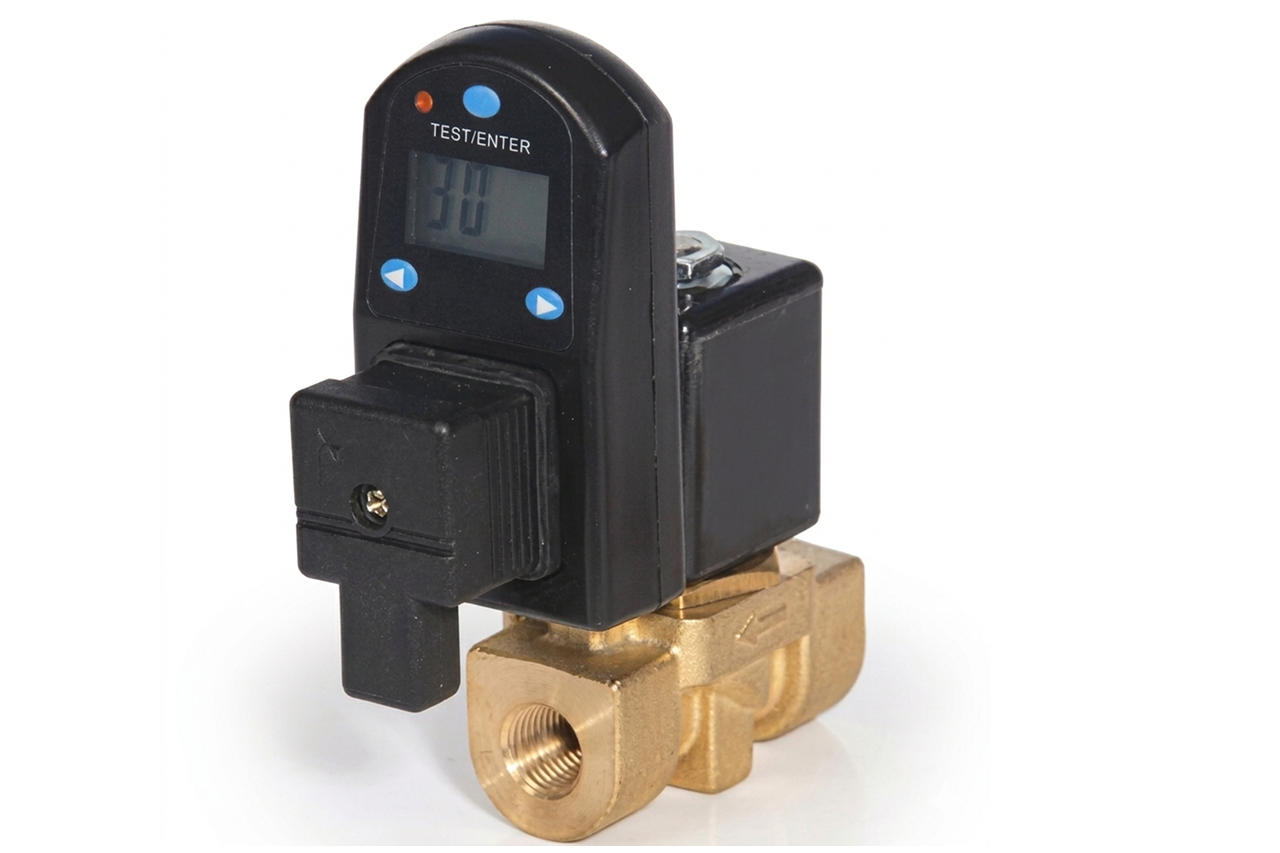
Every refrigerated dryer produces condensate continuously. Manual and float drains fail in service — SPC standard is an electronic-timer drain (programmable interval) on every dryer.
Electronic-timer drain (standard quote) · Zero-loss drain (energy-conscious / large units) · OWS downstream (mandatory for legal discharge)
07 · Input
Number of dryer units for this configuration. Need a different size class? Add a separate quote line.
1 unit · 2-3 units (redundancy / staged) · 4+ units (multi-line plant)

Need different sizes, colors, or quantities? Fill the form, add to quote, then fill again — each click is one quote line.

04Choose your solution tier  ·  core differentiator

Whatever your lever — spec, value, or price — SPC has the right brand.

Most distributors sell one brand per product type. SPC's 60-brand portfolio means every Product Type page surfaces three real options matched to how your customer is buying today. Pick the tier; the quote desk handles the cross-reference.

05How to sell this  ·  distributor talk track

The tier conversation closes the deal. The cross-reference catalog wins the next one.

A refrigerated dryer is the cheapest insurance policy a plant can buy on its compressed air system.
The SPC difference · how distributors actually buy

The 30-second positioning

The math sells itself. A $3-8K dryer prevents $50-200K in tool, piping, and finish-quality damage over the life of the air system. Customer almost never argues the value once framed this way — the only conversation is sizing, environment, and cycling vs non-cycling.

Tier: Industry Leader tier for spec-driven Fortune-500 accounts (ASME-rated, premium service network, domestic manufacturing). Emerging tier for value-tier replacements at the same flow rating. Economical tier for cost-driven shops where the badge isn't the buying signal.

Three sizing rules. First, compressor full-load CFM × 1.1 — the 10% safety factor. Second, environment check — derate or upsize if compressor room runs hot in summer. Third, cycling vs non-cycling — cycling pays back in 18-36 months at typical industrial electric rates if the dryer runs under 60% load most of the time.

The gating question: "What dew point does your application need?" Most customers don't know they have a spec. If the downstream is general manufacturing with above-freezing pipe, +35-50°F PDP is correct and the conversation ends. If it's instrumentation, paint, outdoor pipe, or anything that needs ISO 8573-1 Class 2 or below — route to desiccant.

The condensate-management attach is mandatory revenue. Every dryer needs a condensate drain (most customers forget to spec one), and the drain feeds an oil-water separator (discharging oily condensate to sanitary sewer is illegal in most jurisdictions, fines start at $10K). Attach both on every dryer quote.

Customer cue → talk move

"I just need a dryer for my compressor"
Refrigerated if install is indoor above-freezing. Size CFM × 1.1, attach drain + OWS.
"Outdoor compressor / outdoor pipe runs"
NOT refrigerated. The cold side freezes the coil. Quote desiccant.
"Instrument air / lab application"
Refrigerated is too warm (+35°F floor). Quote desiccant for -40°F PDP or better.
"Compressor room gets hot in summer"
Derate. Above 100°F at inlet, capacity drops fast. Size up one frame OR move the dryer to a cooler location.
"Multiple shifts, weekend shutdowns, demand varies"
Cycling dryer. 30-50% electric-bill recovery at part-load; pays back in 18-36 months.
"Existing system, no dryer, water in tools"
Layup sale. Quote dryer + bypass valve so commissioning doesn't need system shutdown.
"ISO 8573-1 Class 4 is the spec"
Refrigerated covers it. Class 3 needs quality refrigerated + post-coalescing. Class 2 and below = desiccant.
09Install · 6 critical steps

The things that matter on the first install.

Step 01
Place AFTER the wet receiver, BEFORE distribution
Standard install order: compressor → aftercooler (often integrated) → wet receiver → refrigerated dryer → dry receiver (optional) → distribution. The wet receiver does first-stage water knockdown so the dryer isn't fighting bulk liquid. Skip the wet receiver and the dryer's drain runs constantly while PDP climbs under load.
Step 02
Install a three-valve bypass around the dryer
Inlet, outlet, bypass — lets the customer service or replace the dryer without shutting down the entire air system. Mandatory on any production line that can't tolerate full-system downtime, which is most of them. Don't ship a dryer without it.
Step 03
Verify cooling-air clearance on air-cooled units
The dryer rejects heat through a condenser that needs ambient airflow on all sides — manufacturer specifies clearance, typically 18-36" all around. Tight install fouls the condenser, head pressure climbs, the dryer trips on high-pressure refrigeration fault. Don't install it in a corner.
Step 04
Plumb the condensate drain to an oil-water separator
Every dryer produces condensate. Quote an electronic-timer drain (NOT manual, NOT plain float) routed to an oil-water separator, then to a permitted discharge point. The OWS effluent is a separate plumbing run — don't tie it to the sanitary sewer.
Step 05
Pressure-test and verify dew point at commissioning
Confirm pressure is being maintained downstream (1-5 PSI drop across the dryer is normal), no leaks at the connections, and the drain is actually cycling. Document the commissioning PDP with a calibrated meter so future drift is measurable.
Step 06
Set the service cadence
Refrigerated dryers need annual condenser cleaning (huge impact on performance, often missed), drain-valve service every 6-12 months, and refrigerant-level check on units that allow it. Document in the customer's MRO system at install — most dryer failures are missed maintenance, not unit defects.
10Troubleshoot · top failures

Most returns trace to one of these causes.

Symptom
Most likely cause
Fix
Pressure dew point climbing under heavy load
Dryer is undersized for actual flow, OR inlet air is hotter than the dryer's rating, OR refrigeration capacity is reduced (fouled condenser, low refrigerant charge).
Verify actual peak CFM against dryer rating — if undersized, replacement is the only fix. If sized correctly, measure inlet temperature; above 100°F means fix upstream cooling (aftercooler, ambient airflow). If sized correctly AND inlet is at spec, service the refrigeration circuit — clean condenser first (usually the cause), then check refrigerant.
Water carryover into the air system despite dryer running
Condensate drain not discharging — water collects in the separator and carries over with the air. Drain is plugged, the timer is set wrong (interval too long, duration too short), or the drain valve is failed closed.
Manually open the drain and verify water discharges. If clear flow, check timer settings. If no flow, the drain valve or strainer is plugged — clean or replace.
Dryer cycling refrigeration on and off rapidly (non-cycling units)
Hot-gas bypass valve malfunctioning — it's supposed to modulate to hold a steady evaporator temperature regardless of load. When it binds, the unit cycles instead of bypassing.
Service or replace the hot-gas bypass valve. This is a refrigeration-technician-grade repair, not a user-service item.
Excessive pressure drop across the dryer (over 5 PSI)
Demister / separator is fouled (most common, especially on installs without a wet receiver), the heat exchanger has internal fouling, or the bypass valve is partially closed.
Pull the demister for inspection; clean or replace. Verify the wet receiver is upstream and doing its job. Check bypass valve position.
Dryer trips on high-pressure refrigeration fault
Fouled condenser or restricted ambient airflow around the dryer. Refrigeration head pressure climbs until the safety trips.
Clean the condenser fins (compressed air or soft brush). Verify clearance around the unit. If the trip recurs after cleaning, the refrigerant charge is high or the condenser fan is failing.

Get the right refrigerated dryer on quote in 24 hours.

Send us the application — a specialist routes you to the correct tier with a configured part. Lead-times and pricing returned within one business day.

Request a quote