DISTRIBUTOR-FIRST SUPPLY PARTNER · SINCE 1999 Live · Compressed Air System

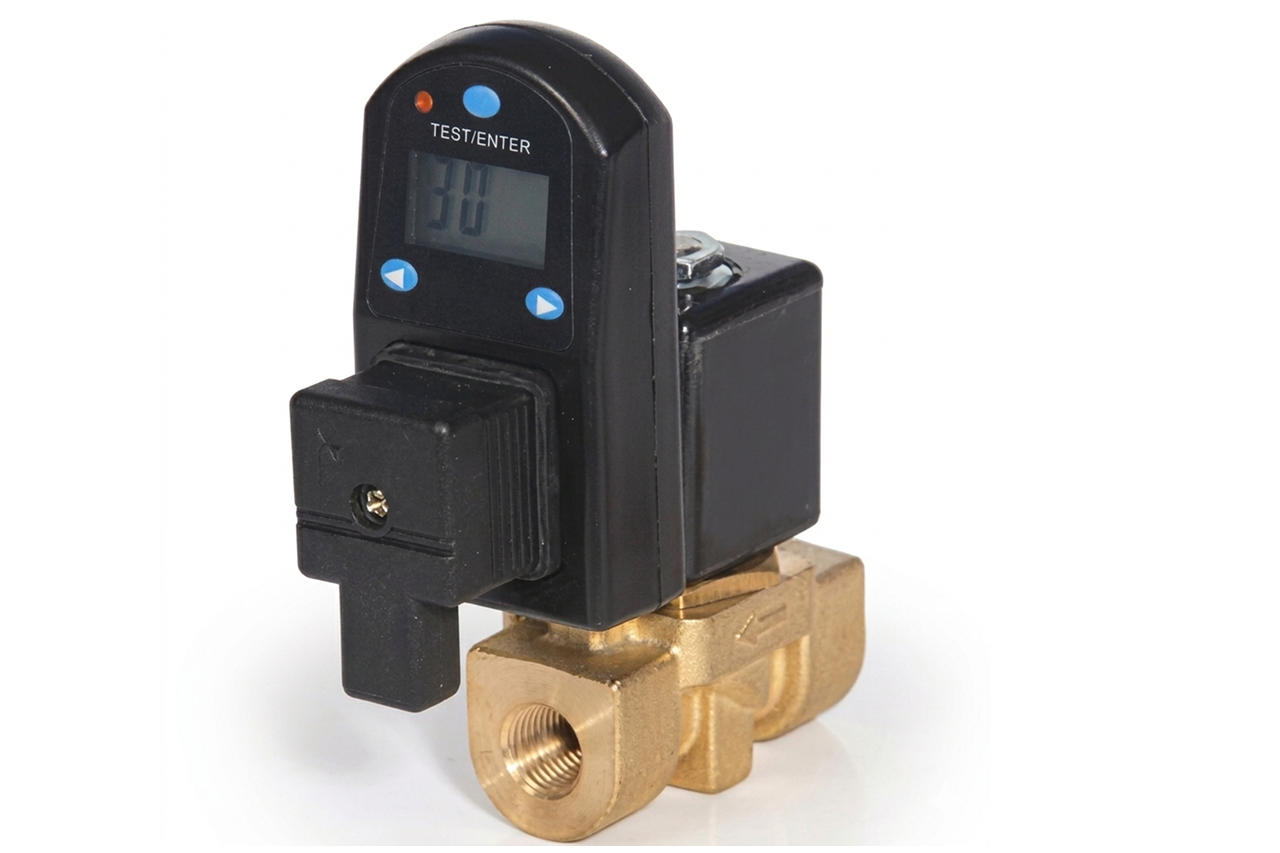
A timer-drain condensate drain is a powered valve that discharges accumulated condensate (the water-and-oil mixture that collects at cool points in a compressed-air system) from an aftercooler, receiver tank, dryer, or filter sump. A small programmable controller opens a solenoid valve on a fixed schedule — every X minutes for Y seconds — and whatever sits in the trap at that moment goes to drain. Because the valve has no way to know whether the trap holds liquid or only compressed air, every cycle vents some paid-for air along with the condensate. It is the lowest-cost powered drain on the catalog and the simplest to wire, and it sits at each cool point — aftercooler, receiver, dryer, filter — between the component's low-point drain port and a routed discharge line to an oil-water separator (OWS, the treatment unit that polishes oily condensate before sewer discharge).
Where the timer drain is the right call — and where the bleed-through tells you to re-spec. Scroll the strip →
A solenoid on a programmable timer fires every X minutes for Y seconds — no operator walking the room, no float to stick. The cheapest powered way to keep condensate moving at every cool point.
Manual ball valves get opened at startup and forgotten by lunch. The timer drain is the lowest-cost upgrade that ends the "operator-walked" fiction — install at aftercooler, receiver, dryer, and every filter sump.
115V AC or 24V DC at the install point depending on model, ball-valve isolation on the inlet, field-replaceable solenoid coil. 15-minute swap when the coil fails — that's the most-failed part under continuous duty.
Start at 5 seconds open, 5-minute interval. Tune down (shorter open) if the air bleed is visible; tune up only if the trap fails to clear. Retune seasonally — summer load is materially higher than winter.
The dryer outlet is the single largest condensate drop in the plant and the load swings hour-to-hour. Fixed-schedule valve can't track it. → Re-spec to zero-air-loss at the dryer outlet always.
At 4000+ hours/year, a miscalibrated timer bleeds $500-2000/year per drain in paid-for air. Multiply by 3-6 cool points and the customer is burning thousands annually. → Re-spec to zero-air-loss; payback runs 12-24 months.
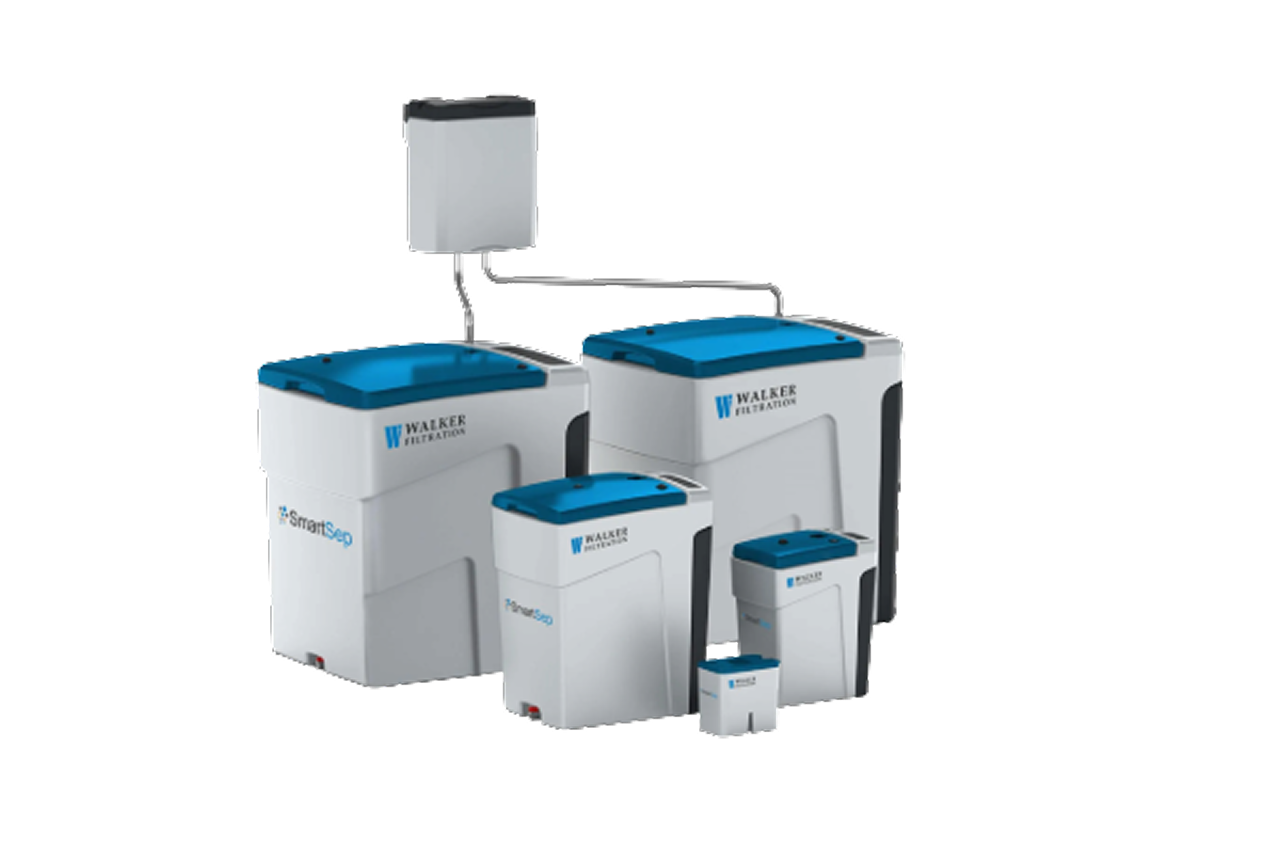
Condensate from any oil-injected compressor runs 300+ ppm oil — sanitary-sewer discharge untreated is a regulated violation in most US jurisdictions. → Add oil-water separator downstream; the drain alone is half the install.
From the machine spec sheet → to the part number. Answer what you know — leave the rest blank — and send.
Most distributors sell one brand per product type. SPC's 60-brand portfolio means every Product Type page surfaces three real options matched to how your customer is buying today. Pick the tier; the quote desk handles the cross-reference.
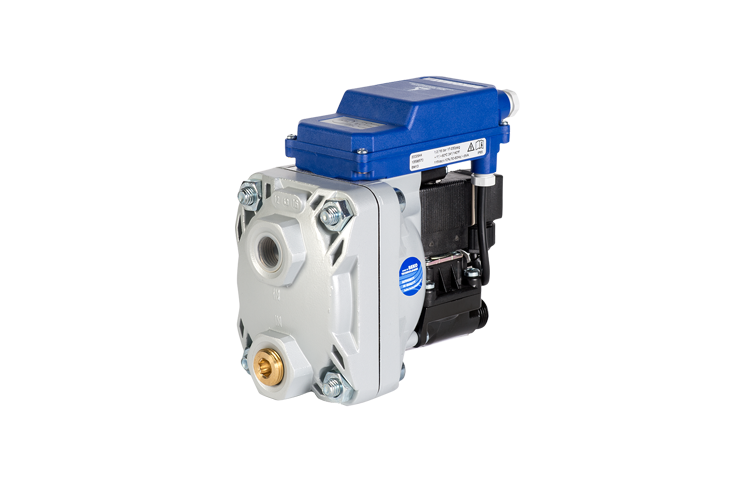
Selling condensate drains is selling against the customer's assumption that a drain is a drain. The timer-vs-electronic choice is the difference between $80 of hardware that wastes $1,500 a year of compressed air and $500 of hardware that wastes nothing. Frame the math, sell the savings.
Each industry below uses this product across the listed areas. Open an industry to see how it fits the rest of its system.
Also applies to Air receiver / wet receiver tank · Coalescing filter sump · Particulate filter sump · Compressor aftercooler discharge · Refrigerated dryer outlet · Outdoor / portable / generator-driven compressor packages · Small-shop or low-duty applications under steady ambient · NOT typically used in
Every entry is a real product on this site — linked, not just named. Quote them on the same line item.
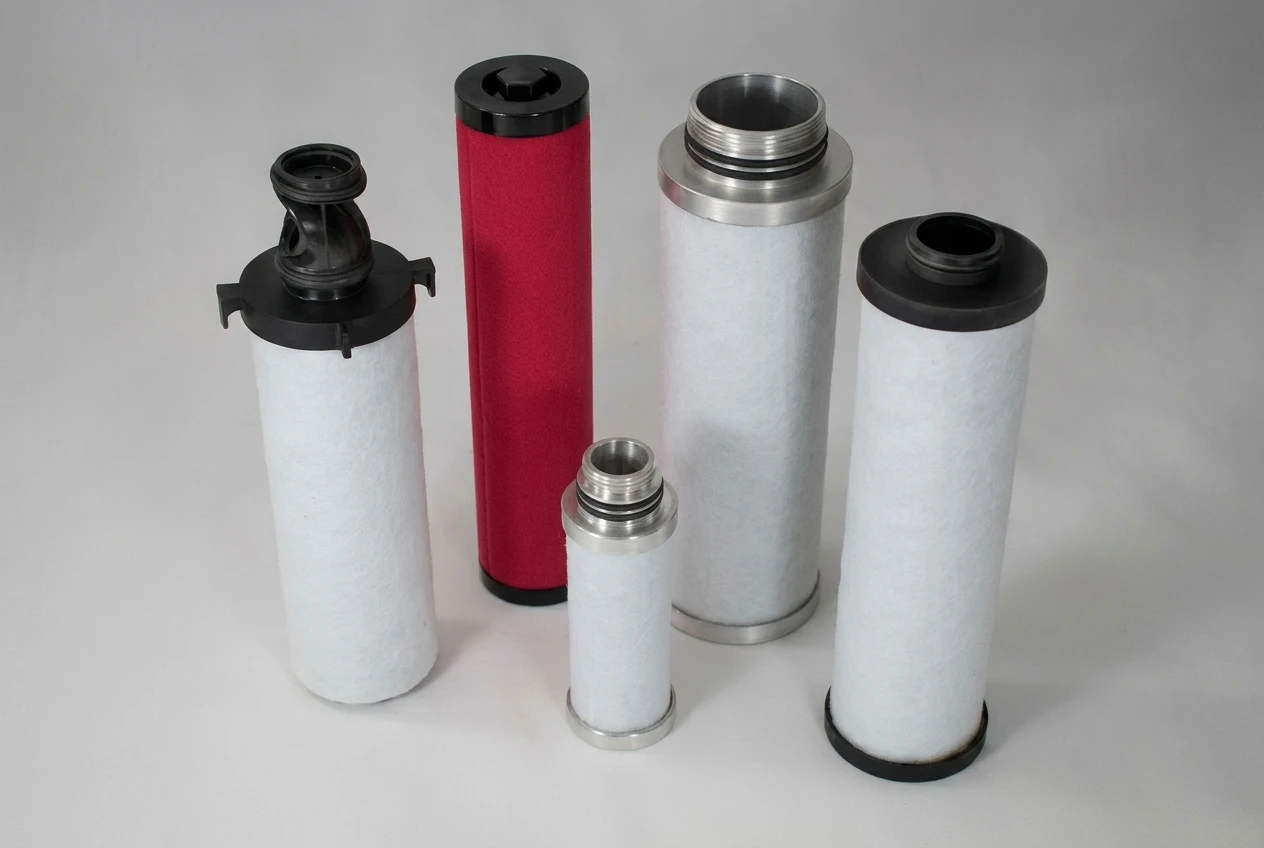
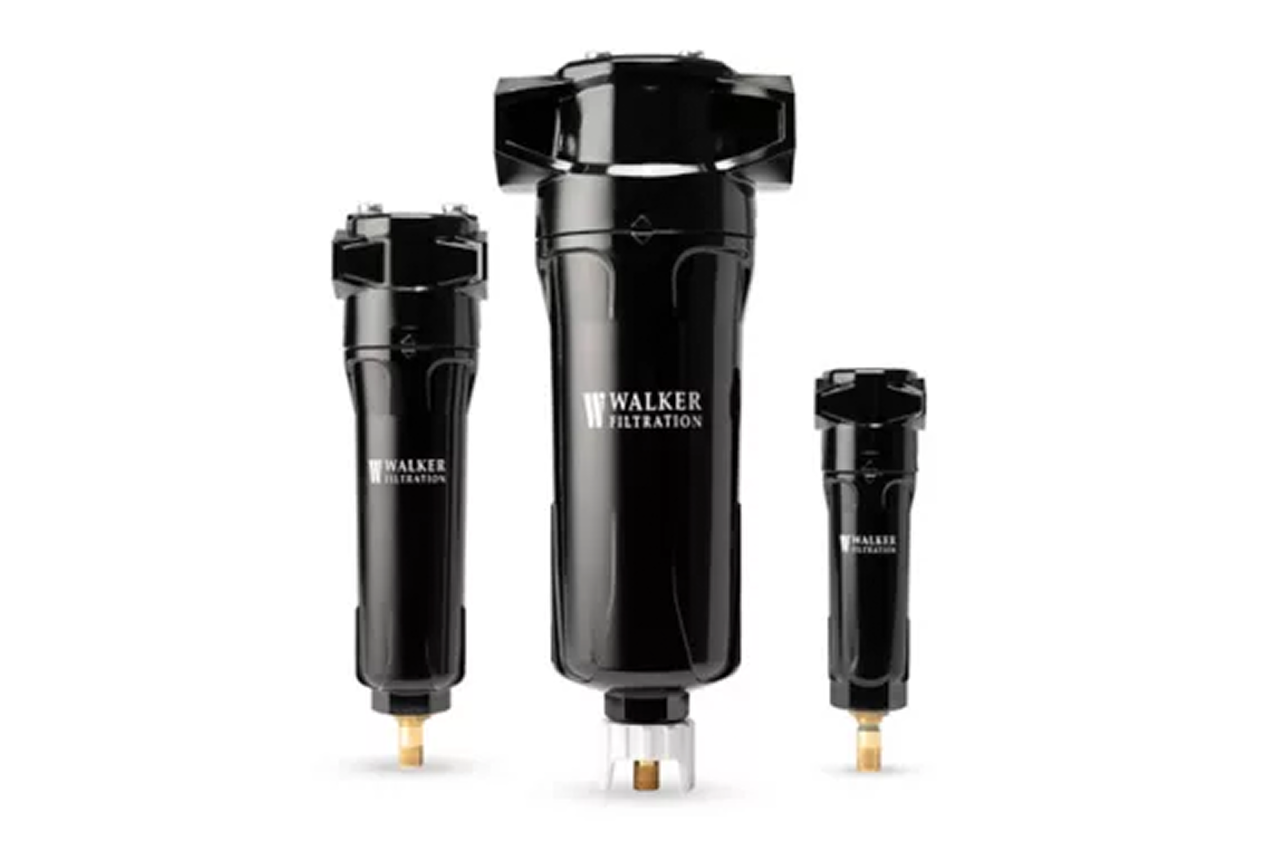
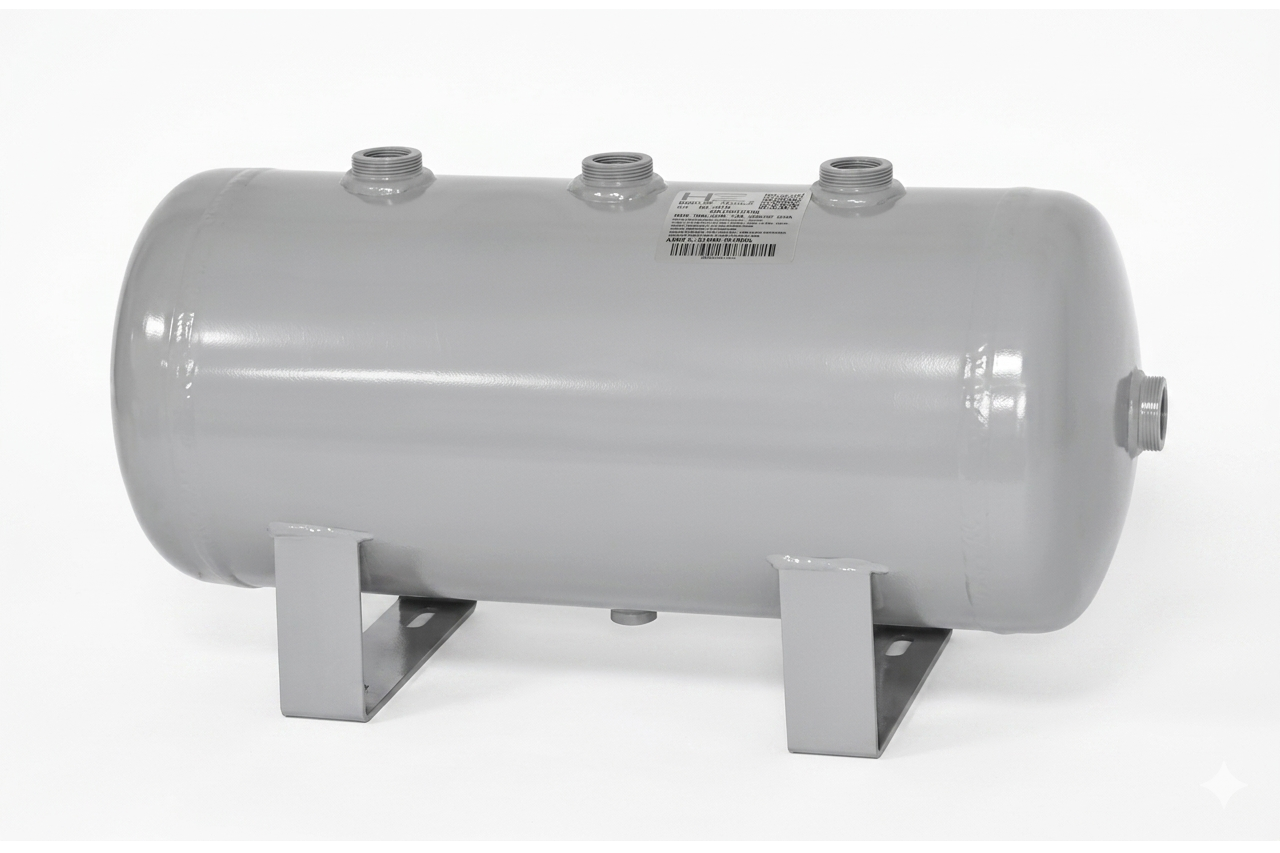
Stock replacement solenoid coils and timer modules in pairs per compressor room. The coil is the first thing to fail under continuous duty; a spare on the shelf turns a 2-hour service call into a 15-minute swap.
Send us the application — a specialist routes you to the correct tier with a configured part. Lead-times and pricing returned within one business day.
—. We reply within one business day with pricing, lead-time, and configured parts.