DISTRIBUTOR-FIRST SUPPLY PARTNER · SINCE 1999 Live · Compressed Air System

SPC Company
Compressed Air / Treatment / Condensate Management / Oil-Water Separator
Layer 02 · Treatment Industry Leader · KELTEC Emerging · Beko
01What it is

Oil-Water Separator

An oil-water separator (OWS) is a treatment unit that cleans the oily condensate discharged by compressed-air drains so the water fraction can be released to sanitary sewer legally. Raw condensate from an oil-injected compressor runs on the order of 300+ ppm oil — the federal sewer-discharge benchmark commonly cited under 40 CFR is 40 ppm, so untreated condensate is roughly seven times over the line and pouring it to a floor drain is a regulated discharge violation. The OWS sits downstream of every condensate drain in the plant — aftercooler, receiver tank, refrigerated dryer, filter sumps — typically with multiple drain discharges manifolded into a single OWS inlet. It receives the oily mixture, captures the oil as a discrete waste stream for recycling, and routes the cleaned water to the floor drain or sanitary sewer with the customer's compliance documentation on file.
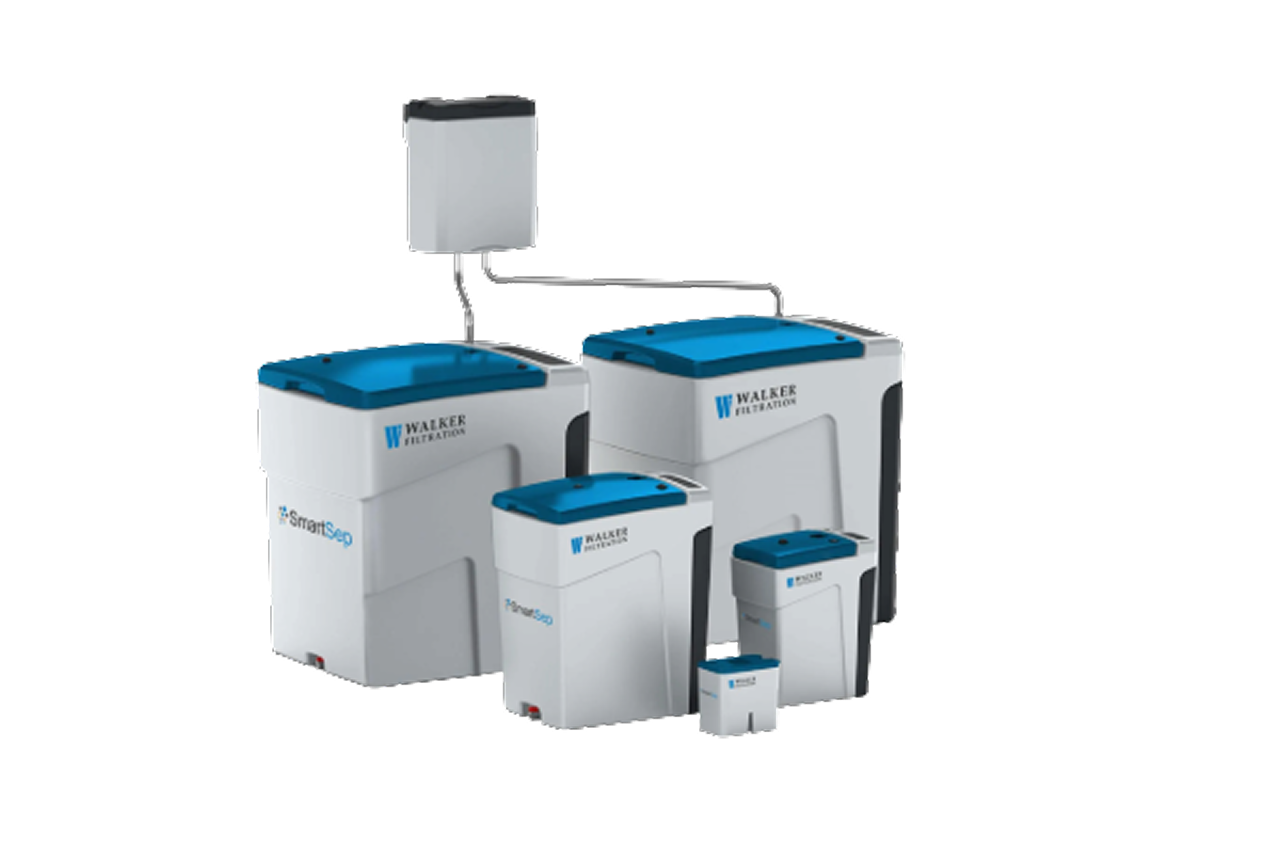
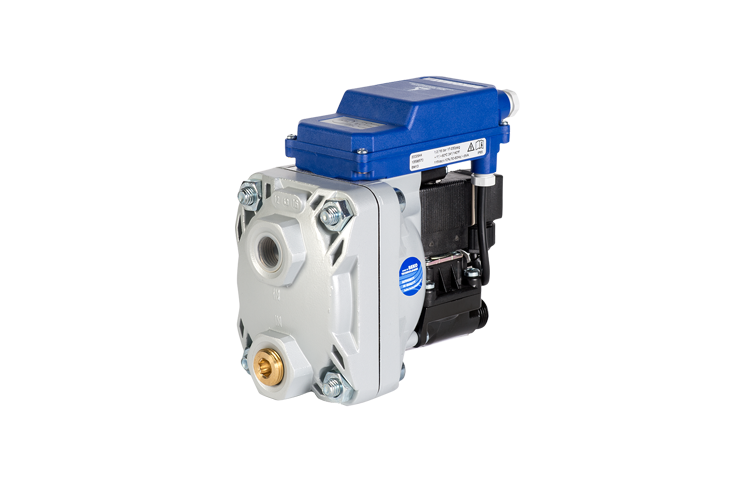
Real-world reference Representative oil-water separator
Oil-Water Separator — representative product photo
02Why it's needed

Why this matters.

Where the OWS is non-negotiable — and where the spec breaks if it's sized or sited wrong. Scroll the strip →

01 · Key point
It makes the discharge legal.

Raw condensate runs 300+ ppm oil against a 40 CFR benchmark of 40 ppm — multiples over. Staged separation polishes outlet water to under 10 ppm, below most local POTW (Publicly Owned Treatment Works) limits. The OWS converts illegal effluent into legal effluent. Full stop.

02 · Key point
It captures waste oil for recycling.

Free oil collects in a top chamber — typically 1-5 gallons per month per OWS — disposed of through standard used-oil recycling at low cost. The customer's waste-oil paperwork doubles as audit documentation; both the EPA inspector and the lease holder ask for it.

03 · Key point
It absorbs a $25K-50K/day exposure.

EPA fines for oily-discharge violations run $25,000-50,000 per day per violation, and state/local POTW enforcement has been climbing year over year. One OWS sized to total compressor HP defends the whole site — cheap insurance against a five-figure finding.

04 · Pro tip
Size to peak summer, then oversize one step.

Sum nameplate HP across every compressor feeding the discharge, apply 1.5x de-rating for humid climates (Gulf Coast, Southeast, eastern summer), then pick one model step larger. Stock the first replacement media set at install — media is a 6-12 month consumable and the recurring relationship.

05 · Where not to use
100% oil-free compressor sites.

Oil-free compressors don't generate oily condensate — no OWS needed for those machines. But verify each compressor individually: most "oil-free" facilities still have one oil-injected unit somewhere on the discharge. That one line still needs the OWS.

06 · Where not to use
Outdoor or unheated install locations.

Most standard OWS housings are not rated for outdoor freezing service — a frozen separator back-pressures every upstream drain. → Relocate indoors, or spec a heated enclosure with insulation and heat trace on inlet/outlet plumbing.

07 · Where not to use
Absorbent socks at the floor drain.

Spill socks are a one-time response, not a continuous treatment — they saturate in days under real condensate flow, and the customer is non-compliant the whole time. → Re-spec to a properly sized OWS; socks fail the next inspection regardless of how recently they were laid.

03Key selection criteria

What we need to spec it right.

From the machine spec sheet → to the part number. Answer what you know — leave the rest blank — and send.

01 · Input
Sum nameplate HP across every compressor feeding the OWS — the metal data plate on each unit. Size to combined output, not the largest single unit. Typical guidance: 1 OWS unit per 100-200 HP combined.
Under 50 HP · 50-200 HP · 200-500 HP · 500+ HP (parallel units)
02 · Input
Oil-lubricated compressors (rotary screw, reciprocating, vane) require an OWS. Verify each compressor individually — most "oil-free" facilities still have one oil-injected unit somewhere.
Oil-injected (mineral) · Oil-injected (PAO / diester synthetic) · Mixed fleet · 100% oil-free (no OWS needed)
03 · Input
From the maintenance log and customer's ZIP. A 24/7 plant produces 3-4x more condensate than one-shift; humid climates (Gulf Coast, Southeast) drop 1.5x more water — de-rate OWS sizing accordingly.
1 shift / dry climate · 2 shifts / moderate climate · 24/7 / humid climate
04 · Input
Anything other than "to an OWS" reveals regulatory exposure and is the opening for the sale.
Floor drain / sanitary sewer (non-compliant) · Holding tank / hauled · Existing OWS (upsize / replace) · Unknown
05 · Input
From the local sewer-use ordinance. May be stricter than the 40 ppm federal benchmark — some are 5-10 ppm. Verify the OWS's under-10 ppm output clears the local cap.
40 ppm (federal default) · 10-20 ppm (typical municipal) · Under 10 ppm (strict) · Not yet confirmed
06 · Input
Most standard OWS housings are not rated for outdoor freezing. OWS inlet must sit below the lowest drain it serves (gravity feed).
Indoor heated compressor room · Indoor unheated · Outdoor (heated enclosure required)
07 · Input
Typically 1 OWS sized to combined flow, with all drain discharges manifolded into a single inlet. Add parallel units for 500+ HP or where dryer SCFM dominates. Stock the first replacement media set with the install.
1 unit (most plants) · 2+ units (parallel, large plants) · 1 unit + first replacement media set

Need different sizes, colors, or quantities? Fill the form, add to quote, then fill again — each click is one quote line.

04Choose your solution tier  ·  core differentiator

Whatever your lever — spec, value, or price — SPC has the right brand.

Most distributors sell one brand per product type. SPC's 60-brand portfolio means every Product Type page surfaces three real options matched to how your customer is buying today. Pick the tier; the quote desk handles the cross-reference.

05How to sell this  ·  distributor talk track

The tier conversation closes the deal. The cross-reference catalog wins the next one.

Oil-water separators sell on the day the customer learns about them — usually because an EPA notice, a tenant audit, or a tour from the local POTW inspector forced the conversation. The job is to surface the requirement BEFORE the enforcement event, not after.
The SPC difference · how distributors actually buy

The 30-second positioning

Raise the compliance issue first. Most industrial customers running oil-lubricated compressors don't know they're out of compliance — and many compressor service vendors don't mention it because it's an extra line item. Lead with one direct question: "Where does your compressor condensate discharge to today?" If the answer is a floor drain, a sanitary sewer, or "I don't know," the customer has a regulatory exposure and needs an OWS.

Tier: Industry Leader tier is the premium line — full flow range, cartridge-based media (cleaner service), approved for both mineral and PAO/diester synthetic oils. Emerging tier covers mid-tier at a lower price point with similar capability. Additional catalog brands round out specific application fits.

Size to TOTAL compressor HP and peak condensate season. Add up the nameplate HP of every compressor feeding the discharge point. Apply a 1.5x de-rating for humid climates. The OWS must handle peak summer flow, not average — undersizing means the separator breaks through and discharges oily water under peak demand. Quote one size larger than the customer's "typical" load.

Quote the media replacement at install. The adsorption media is a 6-12 month consumable. Stock the first replacement set with the OWS; calendar the next change in the customer's MRO log. Recurring media revenue is 25-40% of the OWS's annual revenue, and the customer who buys media from you also buys the next OWS replacement from you.

Customer cue → talk move

""Where does my condensate go today?" floor drain / sanitary sewer / "not sure""
Confirm the regulatory exposure. Quote an Industry Leader tier or Emerging tier OWS sized to total compressor HP. Frame as compliance investment plus waste-oil capture plus good-neighbor.
""We have an EPA inspector / audit coming""
Urgent install. Industry Leader tier or Emerging tier OWS — in stock or expedited from vendor. Get the unit installed and operating BEFORE the inspection date; document the install in the customer's environmental compliance binder.
""My compressor is oil-free""
Confirm — oil-free compressors don't need an OWS for their own condensate. But check whether the site has any oil-injected compressor anywhere on the discharge; if yes, that line still needs an OWS.
""Won't the local sewer department let some oil through?""
Maybe — depends on the local POTW limit. Some are 40 ppm, some 10 ppm or lower. Even if the local limit is permissive, the OWS still pays back on waste-oil capture and labor savings. Don't bet on the inspector being lenient.
""Will it work with my PAO/synthetic oil?""
Most modern Industry Leader tier and Emerging tier OWS lines are rated for PAO and diester synthetic oils; older designs from other vendors may struggle with synthetic emulsions. Verify against the datasheet.
""How often do I change the media?""
Every 6-12 months depending on oil load. Stock the first replacement at install; calendar the customer's next change. Media replacement is the recurring relationship.
""Multiple compressors, multiple drains — one OWS or several?""
Usually one, sized to combined flow, with all drain discharges manifolded into a single OWS inlet. Easier to maintain, single media replacement cycle, single waste-oil collection point.
06Where it's used

Industries served.

Each industry below uses this product across the listed areas. Open an industry to see how it fits the rest of its system.

Also applies to Any facility with one or more oil-injected compressors · Multi-compressor industrial plants · Manufacturing plants with onsite tenants or shared facilities · Generator-package and outdoor compressors · NOT typically used in

09Install · 6 critical steps

The things that matter on the first install.

Step 01
Size to combined compressor HP with climate de-rating, then oversize one model step
Add nameplate HP across all compressors feeding the discharge point. For humid climates (Gulf Coast, Southeast, eastern summer), de-rate 1.5x. Pick the OWS model rated at or above the de-rated HP, then oversize one step if seasonal swing is significant — undersizing under peak load causes breakthrough at the worst possible time.
Step 02
Locate the OWS at or BELOW the lowest condensate-drain elevation
Drains discharge by gravity into the OWS inlet, so the OWS inlet must be lower than every drain it serves. If the lowest drain is in a basement, the OWS goes lower; if the lowest drain is on a mezzanine, the OWS can go on the floor below. Manifold all drain discharges to a single OWS inlet with appropriate slope.
Step 03
Plumb the OWS clean-water outlet to floor drain or sanitary sewer
Confirm the local sewer ordinance allows OWS-treated effluent — almost universally yes if the OWS's rated output is under the local POTW oil limit. Outlet plumbing is standard PVC or copper; no special discharge required.
Step 04
Install the waste-oil collection point at the OWS top
Most OWS models have a top-mounted collection chamber for free oil. Provide a small (1-5 gallon) collection container under the drain spigot, OR plumb directly to the customer's waste-oil tank if one exists nearby.
Step 05
Verify outlet water quality with a first-fill test
After install, route the first 4-8 hours of effluent into a sample container. Test for visible oil sheen, or send for laboratory ppm analysis if regulatory compliance is documented. Outlet should be clear and below 10 ppm; if visible oil is present, the media is contaminated from manufacturing or shipping — flush per OEM instructions before commissioning.
Step 06
Calendar first media replacement at 6 months and document compliance in the customer's environmental binder
Set the customer's MRO calendar for a 6-month media inspection. Many OWS designs have a sight glass or test port for breakthrough detection; teach the customer to check at every inspection. Record OWS model number, install date, flow rating, and outlet test result — this is the documentation an EPA or POTW inspector will ask for, and having it on file is the compliance defense.
10Troubleshoot · top failures

Most returns trace to one of these causes.

Symptom
Most likely cause
Fix
Visible oil sheen on the OWS outlet effluent.
Adsorption media is past breakthrough (loaded and no longer capturing), the OWS is undersized for current condensate load, OR inlet flow is bypassing the media path.
Sample effluent and test for ppm. If above 10 ppm, replace the media immediately. If media is recent (under 6 months) and effluent is still oily, the OWS is undersized OR the customer has added compressor capacity since install — upsize or add a parallel OWS.
OWS is overflowing at the inlet or back-pressuring the upstream drains.
OWS is undersized for actual flow, outlet plumbing is restricted or blocked, OR media is fully saturated and not allowing flow-through.
Inspect outlet plumbing for blockage. Test media flow capacity (replace if saturated). If both clear, the OWS is undersized; upsize or add parallel capacity.
Waste-oil chamber is filling extremely fast (full in days).
Not an OWS issue. The compressor's air/oil separator is failing upstream — releasing more oil than normal into the discharge air, which carries to condensate.
Route to compressor service. Replace the air/oil separator element; check the oil-feed rate to the air-end. The OWS is functioning as designed.
Media replacement done but effluent immediately shows oil.
New media not seated correctly, bypass channel in the OWS housing not closed, OR media cartridges packed improperly during install.
De-pressurize, open the OWS, inspect media placement. Re-seat per OEM instructions. Re-test effluent before recommissioning.
Customer reports a POTW inspector concern despite OWS installed.
OWS is undersized (effluent above local limit at peak load), the local POTW limit is stricter than 40 ppm (some are 5-10 ppm), OR documentation is incomplete.
Verify the local POTW limit against the current effluent test. If above limit, upsize the OWS. Provide compliance documentation (OWS model, capacity rating, current effluent test result) directly to the inspector — this usually resolves the concern.
OWS freezes in an outdoor or unheated install.
Outdoor installation without freeze protection.
OWS should be indoor or in a heated enclosure. Outdoor installation requires a heated housing OR insulation plus heat trace on inlet/outlet plumbing AND on the OWS body. Most standard OWS units are not rated for outdoor freezing service — relocate if needed.

Get the right oil-water separator on quote in 24 hours.

Send us the application — a specialist routes you to the correct tier with a configured part. Lead-times and pricing returned within one business day.

Request a quote