DISTRIBUTOR-FIRST SUPPLY PARTNER · SINCE 1999 Live · Compressed Air System

A particulate filter removes dry solid particles — dust, rust, pipe scale, and debris — from the compressed-air stream. The air passes through dry filter media, typically pleated or wound, and solids are trapped on the surface and within the depth of the media while the air continues through. Because it captures dry solids rather than liquid, it does no coalescing and removes no oil or water. Its job is purely to keep abrasive and clogging particles out of the air. It plays one of two roles: PRE-FILTER ahead of a coalescing filter (a cheap element protecting a costly one), or AFTER-FILTER downstream of a desiccant dryer (catching desiccant fines before they reach close-tolerance valves). It loads slowly with dry solids and carries the longest service life of any filter in the train.
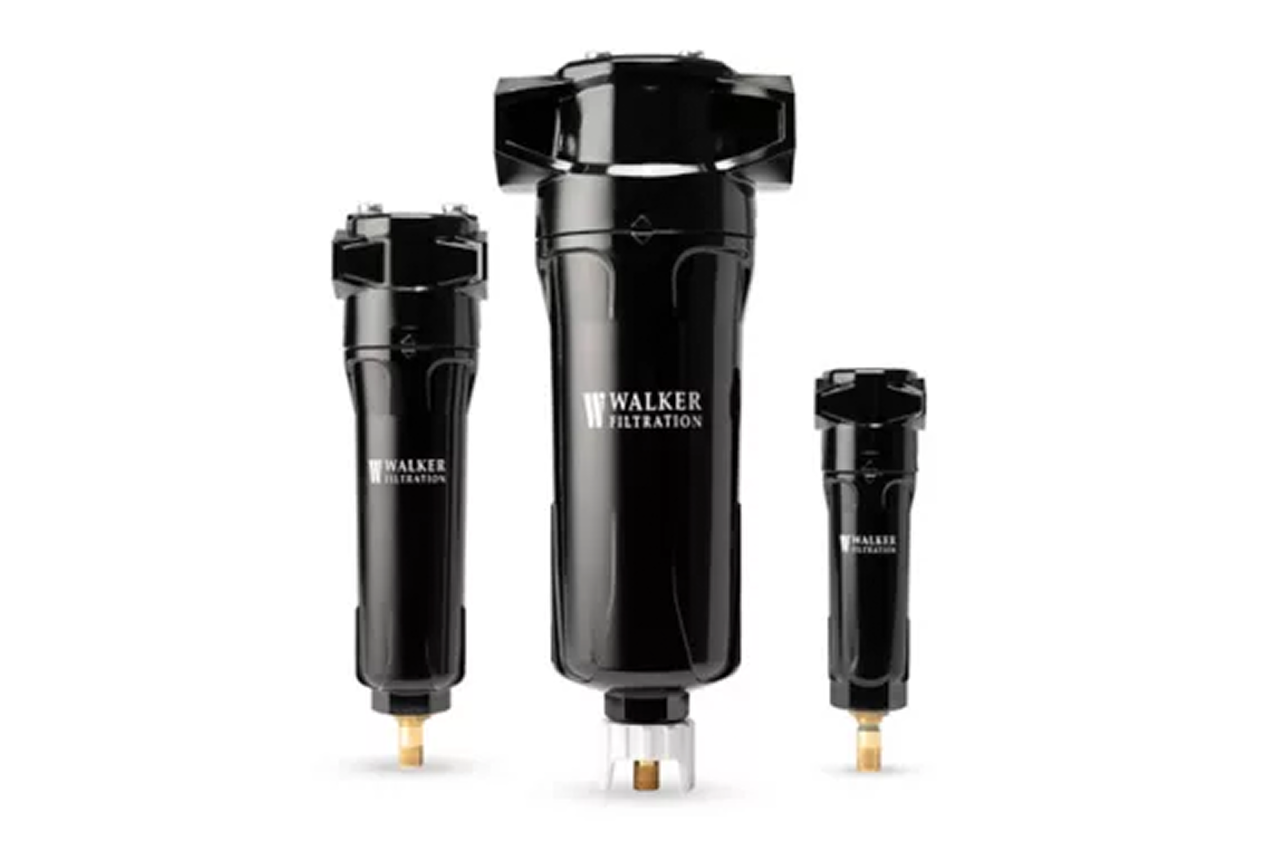
The cheap filter that protects the expensive ones — and where it stops being enough. Scroll the strip →
Distribution piping sheds rust flakes and pipe scale; intake air carries atmospheric dust. Simple mechanical sieving at 5 micron stops the bulk solids before they reach more expensive media downstream.
Every regenerative desiccant dryer sheds fine bed dust on cycle. A 1 micron after-filter immediately downstream stops that dust before it reaches close-tolerance valves and air-bearing instruments.
Dry-solid loading is gradual — no saturation, no chemistry. 12-month replacement intervals are routine even in dusty systems. Cheap insurance for everything downstream.
5 micron pre-filter upstream of coalescing. 1 micron after-filter downstream of a desiccant dryer. 0.5 or 0.1 micron for older dryers shedding finer dust or tight-clearance instrumentation. Most plants need both pre and after positions filled.
Dry media isn't built for liquid — droplets pass through or saturate the element. → Add downstream coalescing at 0.1 or 0.01 micron. Particulate alone never delivers air-quality compliance.
No mechanical filter captures gaseous hydrocarbon. → Step up to activated-carbon as the final polish for Class 0 oil applications — food, pharma, breathing air, paint.
Particulate handles dry solids; it doesn't address live bacteria. → Re-spec to medical-sterile as the final stage on hospital, dental, and pharma fill-line air, downstream of the full particulate + coalescing + carbon train.
From the machine spec sheet → to the part number. Answer what you know — leave the rest blank — and send.
Most distributors sell one brand per product type. SPC's 60-brand portfolio means every Product Type page surfaces three real options matched to how your customer is buying today. Pick the tier; the quote desk handles the cross-reference.
Particulate is the cheap filter that protects the expensive ones. Customers who skip it save $80 a year on element cost and spend $400 a year on shortened coalescing-element life — and they always blame the coalescing brand.
Each industry below uses this product across the listed areas. Open an industry to see how it fits the rest of its system.
Also applies to Compressor-room pre-filter · Desiccant-dryer after-filter · Point-of-use guard at sensitive machines · Paint and coating booth supply · Pneumatic-conveying systems · Instrument-air supply at process plants · Plant header retrofits during piping replacement
Every entry is a real product on this site — linked, not just named. Quote them on the same line item.
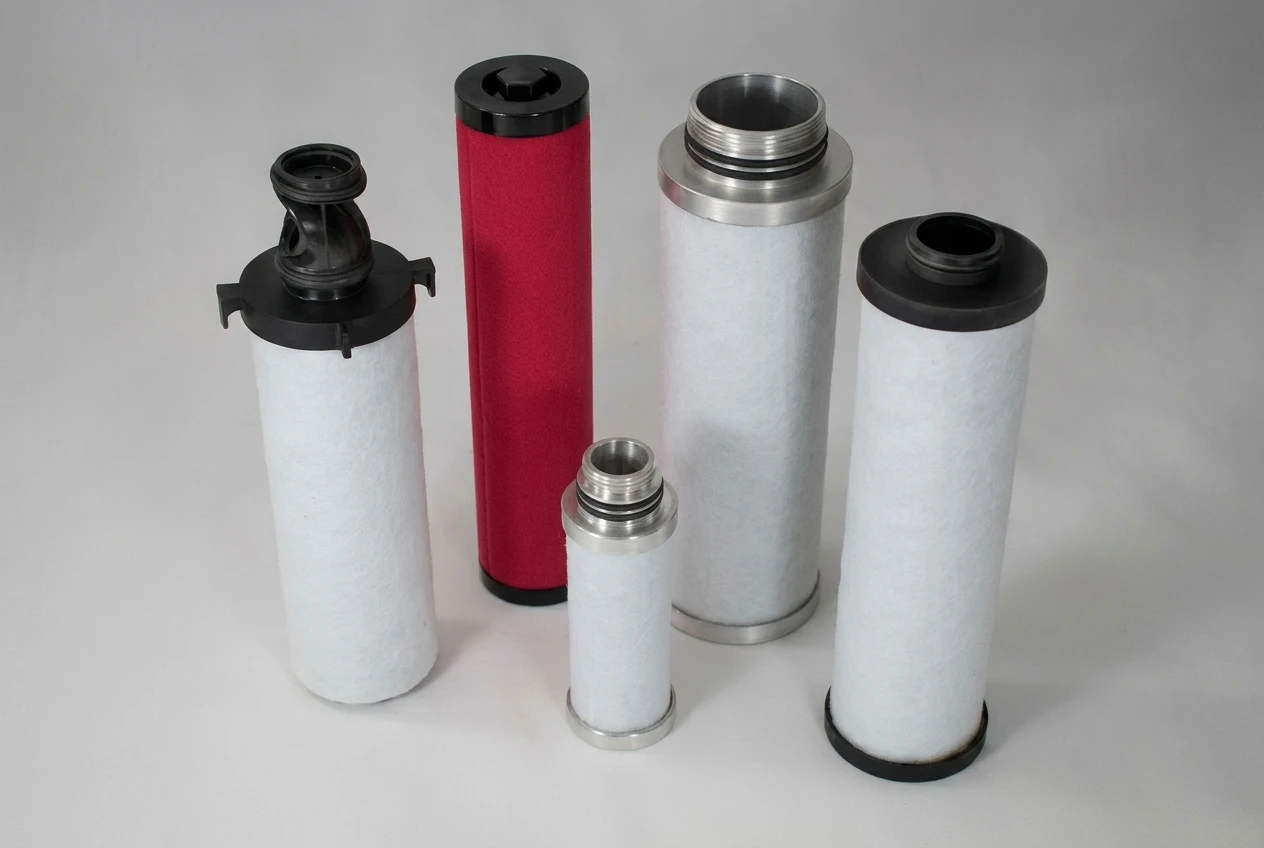
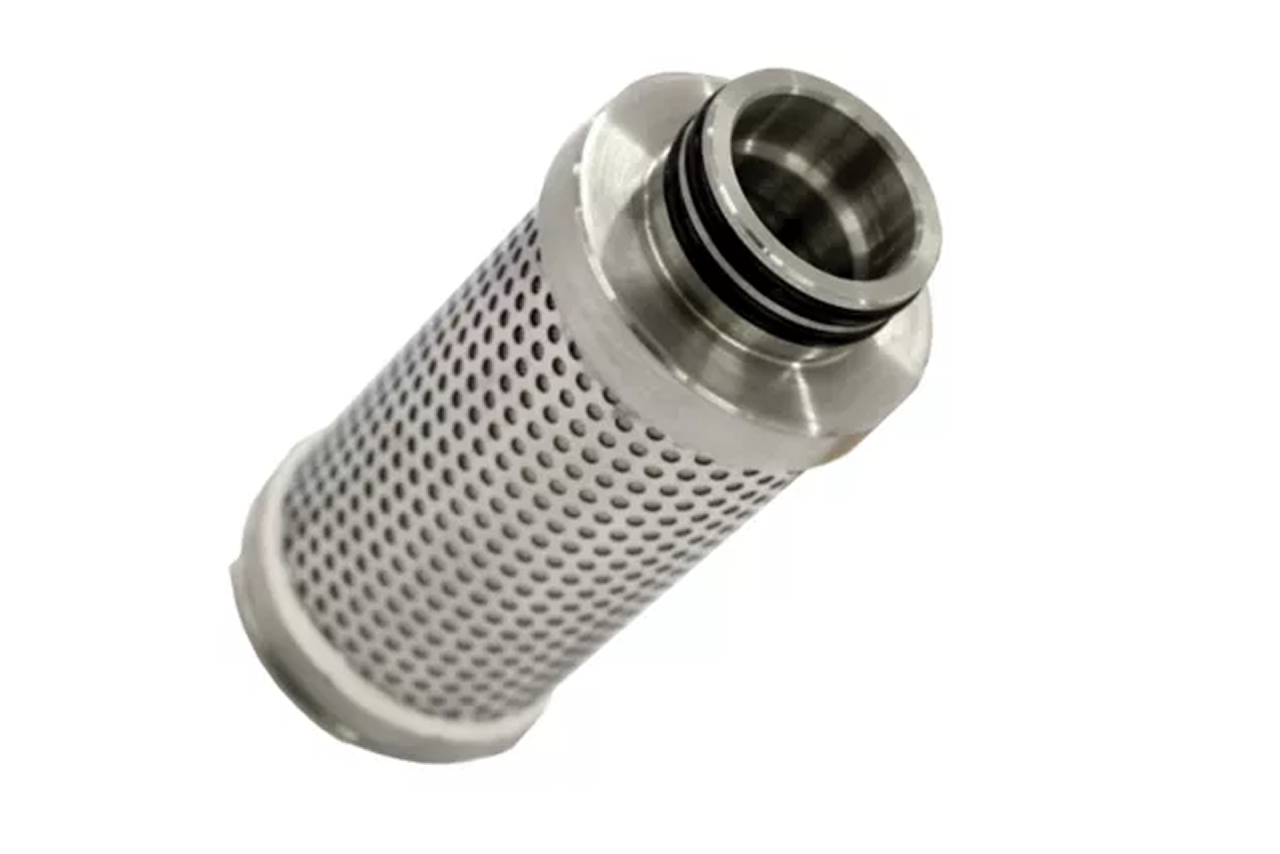

Particulate elements are inexpensive enough that double-stocking one spare per housing is cheap insurance against supply-chain delay at change time. Pair the order with coalescing elements on the same PM calendar.
Send us the application — a specialist routes you to the correct tier with a configured part. Lead-times and pricing returned within one business day.
—. We reply within one business day with pricing, lead-time, and configured parts.