DISTRIBUTOR-FIRST SUPPLY PARTNER · SINCE 1999 Live · Compressed Air System

SPC Company
Compressed Air / Treatment / Air Dryers / Membrane Dryer
Layer 02 · Treatment Emerging · Beko
01What it is

Membrane Dryer

A membrane dryer is the point-of-use dryer for compressed air drops that need dry air but don't have power and aren't served well by a central dryer — a remote instrument enclosure, an outdoor pneumatic-actuator panel, a portable skid, a dental or small-medical air outlet, an analytical instrument bench. It sits at the drop it serves rather than in the compressor room, with mandatory coalescing pre-filtration immediately upstream. Passive units have no electrical connection at all; they're sized for small flows (single-digit SCFM up to ~100 SCFM at point-of-use) and trade purge-air consumption for zero electricity and zero moving parts. It is the wrong tool for whole-plant drying — quote refrigerated or desiccant for that.
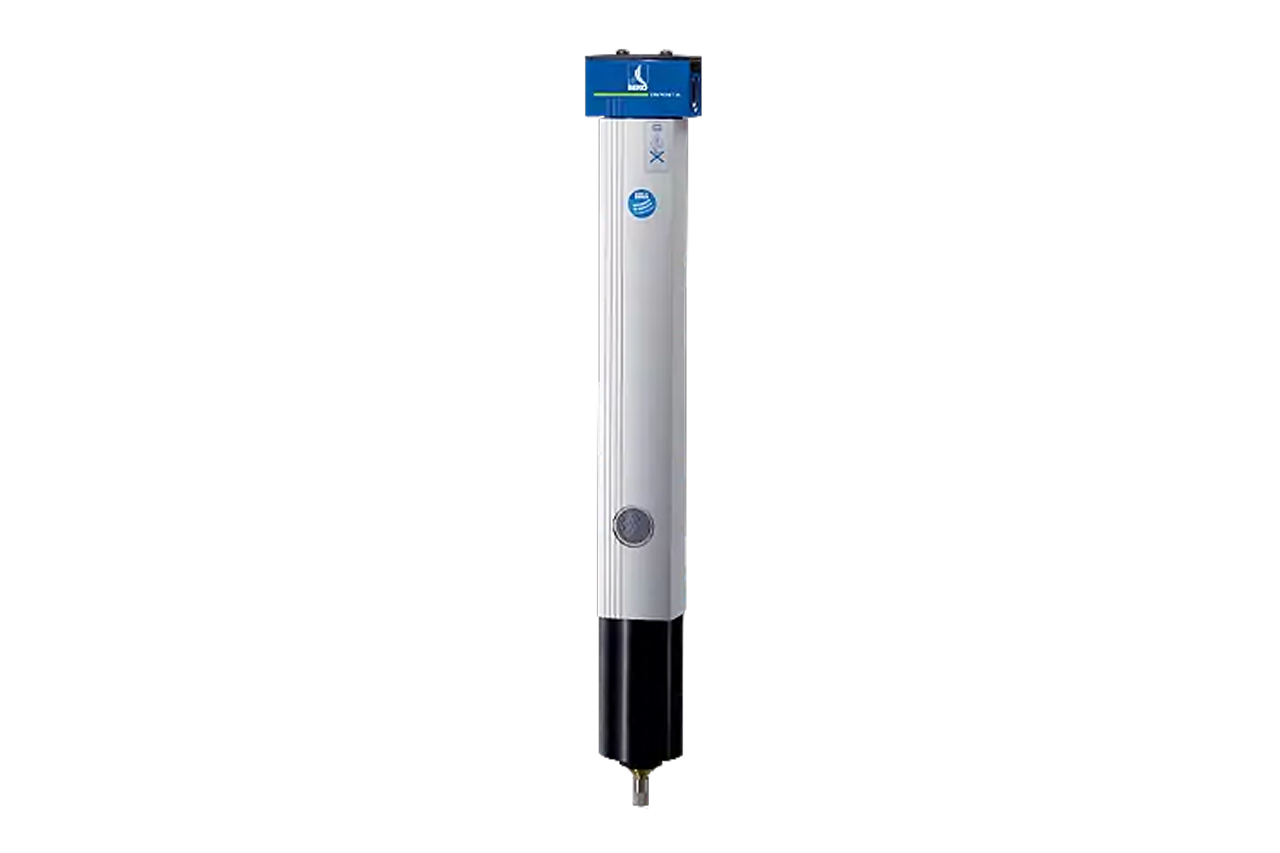
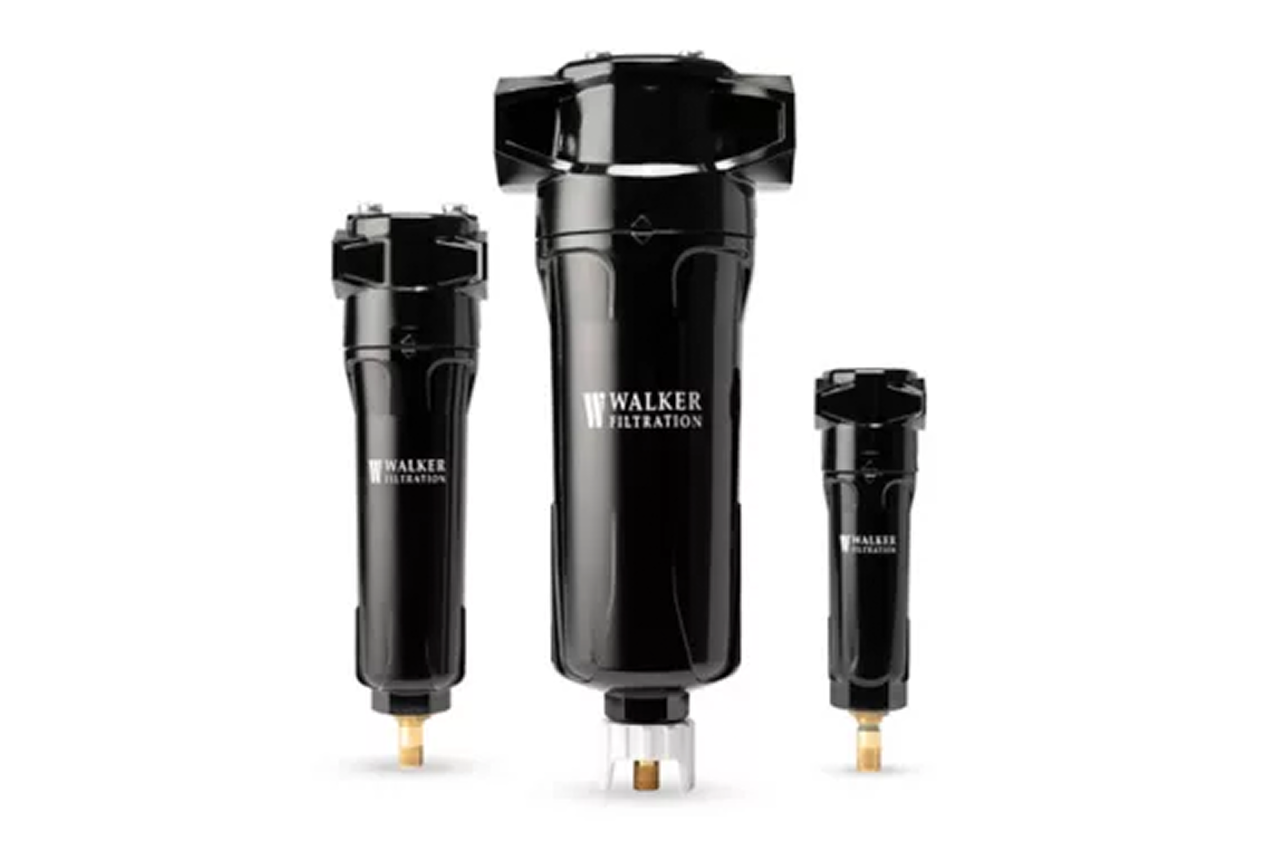
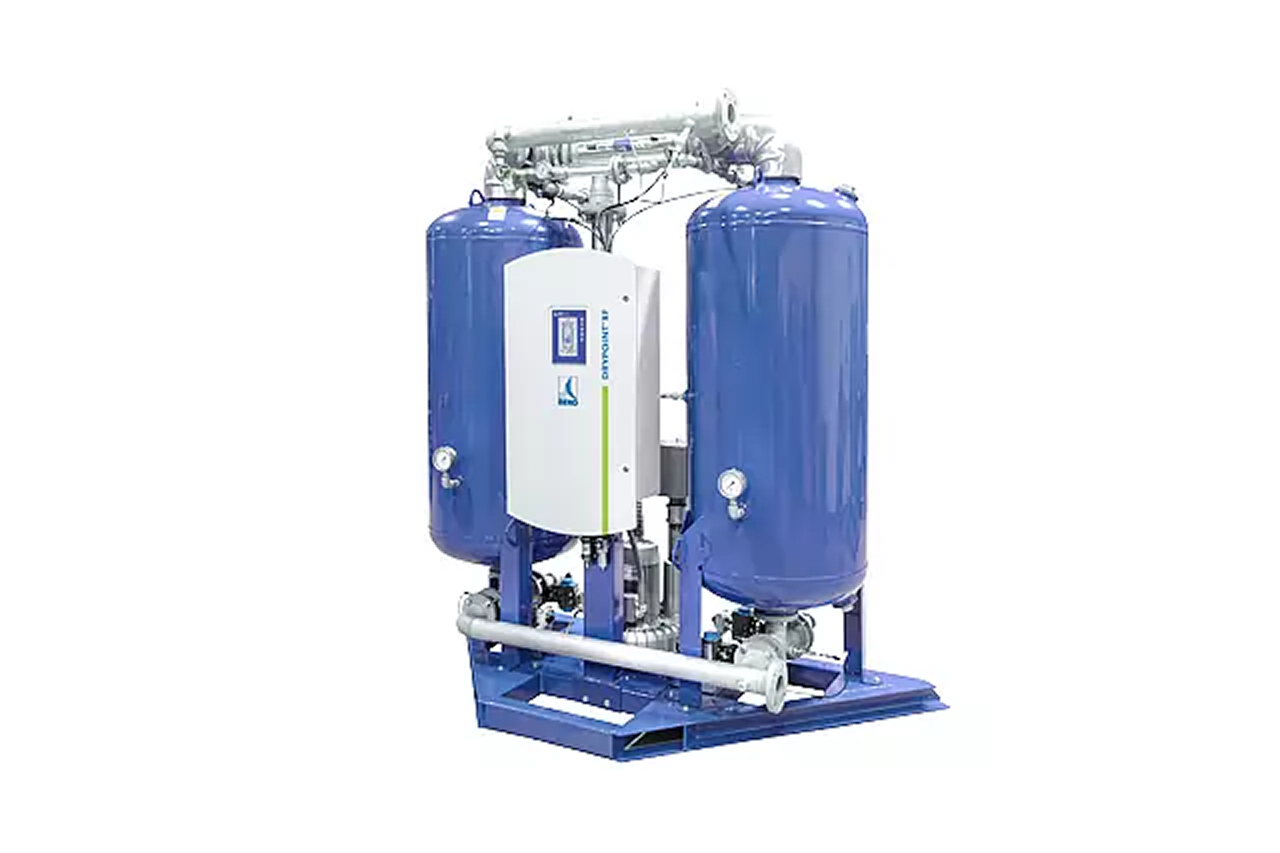
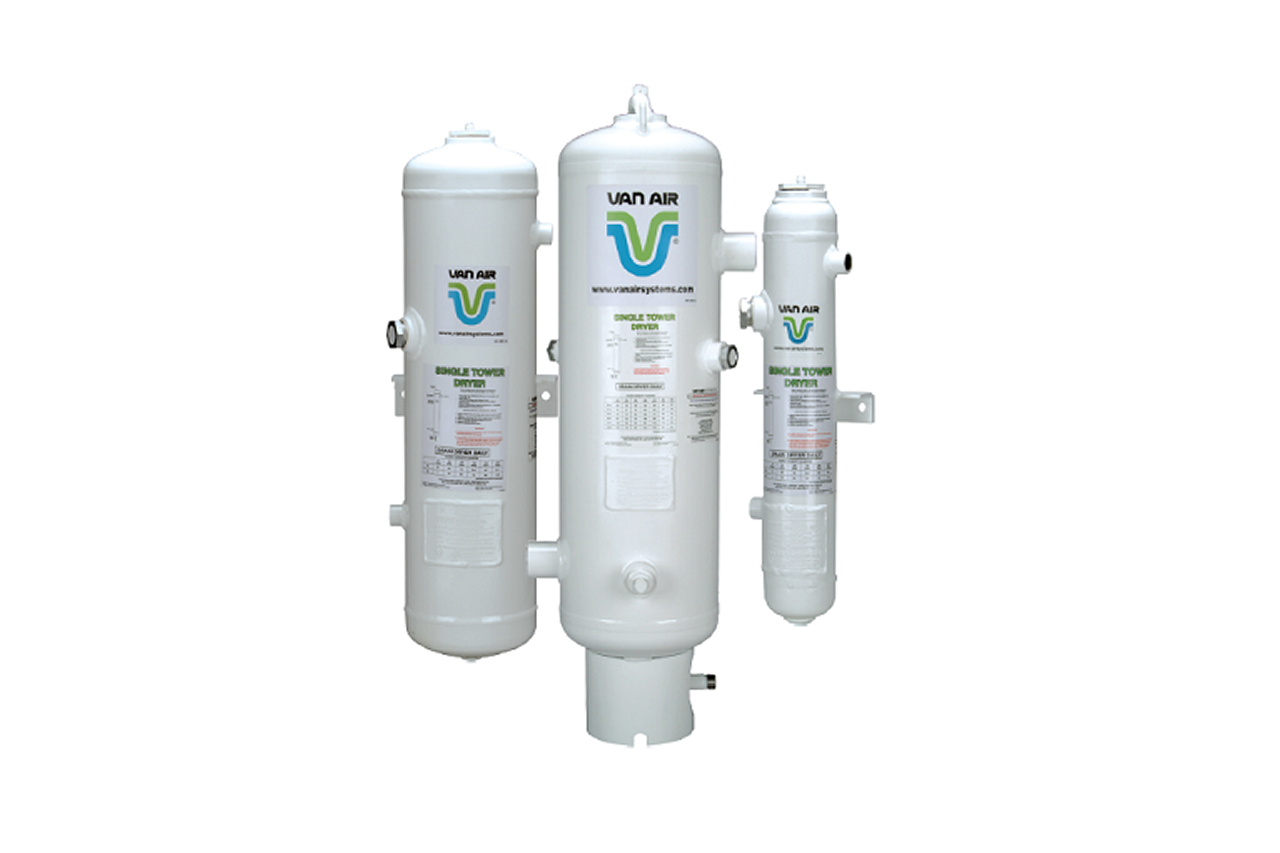
Real-world reference Representative membrane dryer
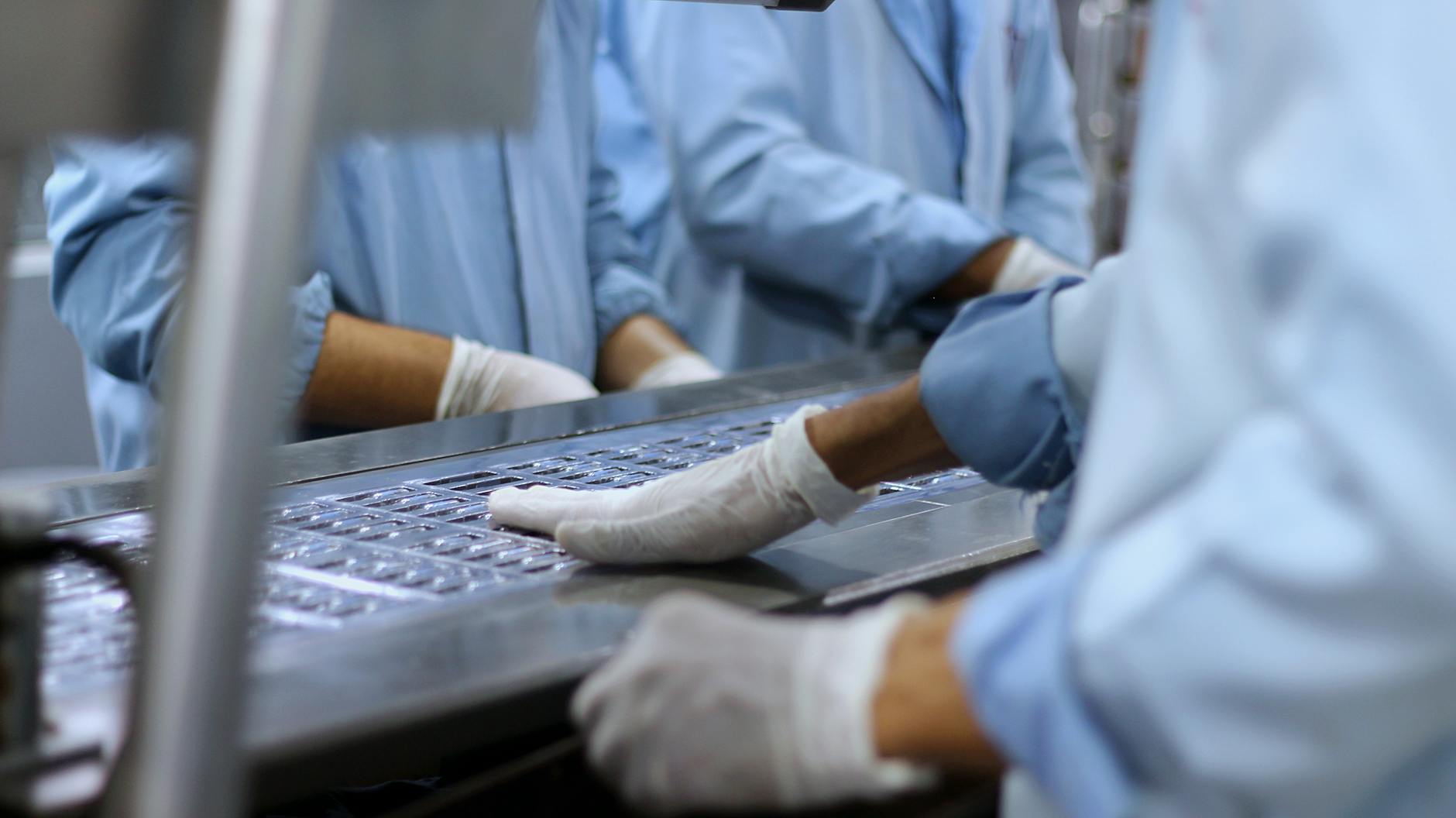
Membrane Dryer — representative product photo
02Why it's needed

Why this matters.

Tips and pointers on when a membrane dryer is the right call — and when to spec something else. Scroll the strip →

01 · Key point
It dries air at the drop, not at the compressor.

Moisture re-condenses any time pipe drops below the central dryer''s PDP — a +40°F refrigerated upstream still freezes a 20°F outdoor actuator panel. Dry at the drop and the problem disappears: remote instrument enclosures, outdoor actuator panels, dental and lab benches.

02 · Key point
Passive — no power, no moving parts.

A bundle of hollow-fiber membranes permeates vapor through the fiber walls while dried air continues through the bores. No switching cycle, no desiccant, no refrigerant. The passive variant needs zero electrical service — install and forget.

03 · Key point
Membrane is essentially permanent.

No calendar element replacement on the fiber bundle itself — the only recurring item is the 12-month coalescing pre-filter element. If upstream protection is maintained, the dryer outlives most of the equipment it serves.

04 · Pro tip
Quote flow AND dewpoint together.

Membrane PDP is flow-dependent — a unit rated -40°F PDP at 5 SCFM might deliver only +30°F at 25 SCFM. Pick the row on the dryer''s spec sheet that matches the application; don''t quote at the +35°F SCFM rating and promise -40°F output.

05 · Where not to use
Whole-plant or high-flow drying.

Capacity tops out around 100 SCFM at point-of-use — there is no economical membrane dryer at the 300+ SCFM plant scale. → Switch to refrigerated for indoor warm-pipe plant air, or desiccant for sub-freezing / Class 1-2 plant air.

06 · Where not to use
Without coalescing pre-filtration.

Liquid water, oil aerosol, or particulate permanently destroys the fibers. → Mandatory 0.01-micron coalescing pre-filter immediately upstream (leading-tier membrane dryers integrate it on most models). Add activated carbon on oil-lubricated compressors. Skipping it means the dryer fails in year two and nobody connects it back to the missed element change.

07 · Where not to use
Audited pharma / NFPA medical central air.

Membrane serves point-of-use; audited central-air systems require documented dewpoint logging on a desiccant or refrigerated package. → Switch to desiccant + carbon + sterile for pharma USP, or oil-free compressor + desiccant + sterile for NFPA 99 medical central supply. Membrane is fine for the dental chair, wrong for the hospital MGPS.

03Key selection criteria

What we need to spec it right.

From the machine spec sheet → to the part number. Answer what you know — leave the rest blank — and send.

01 · Input
Pull from the single tool, instrument, or drop being served. Membrane is point-of-use sized, not whole-system — flows above ~100 SCFM route to refrigerated or desiccant.
Under 5 SCFM (single instrument) · 5-25 SCFM (small skid / panel) · 25-100 SCFM (large point-of-use)
02 · Input
Pull from the application spec. Same dryer passes far less air for -40°F than for +35°F — flow and PDP must be quoted together. Pick the row on the dryer's spec sheet that matches.
+40°F PDP (general drop) · +20°F PDP (cold-pipe / freezing protection) · -40°F PDP (instrument / lab — derated flow)
03 · Input
Both must fit the membrane's rated window. Standard pressure ~150 PSI (high-pressure variant ~180 PSI at reduced temp ceiling). Temperature window typically +35°F to +140°F — too cold reduces capacity, too hot degrades fibers.
Pressure: ≤150 PSI (standard) · 150-180 PSI (high-pressure variant) · Temp: 35-100°F (typical) · 100-140°F (hot inlet, derate)
04 · Input
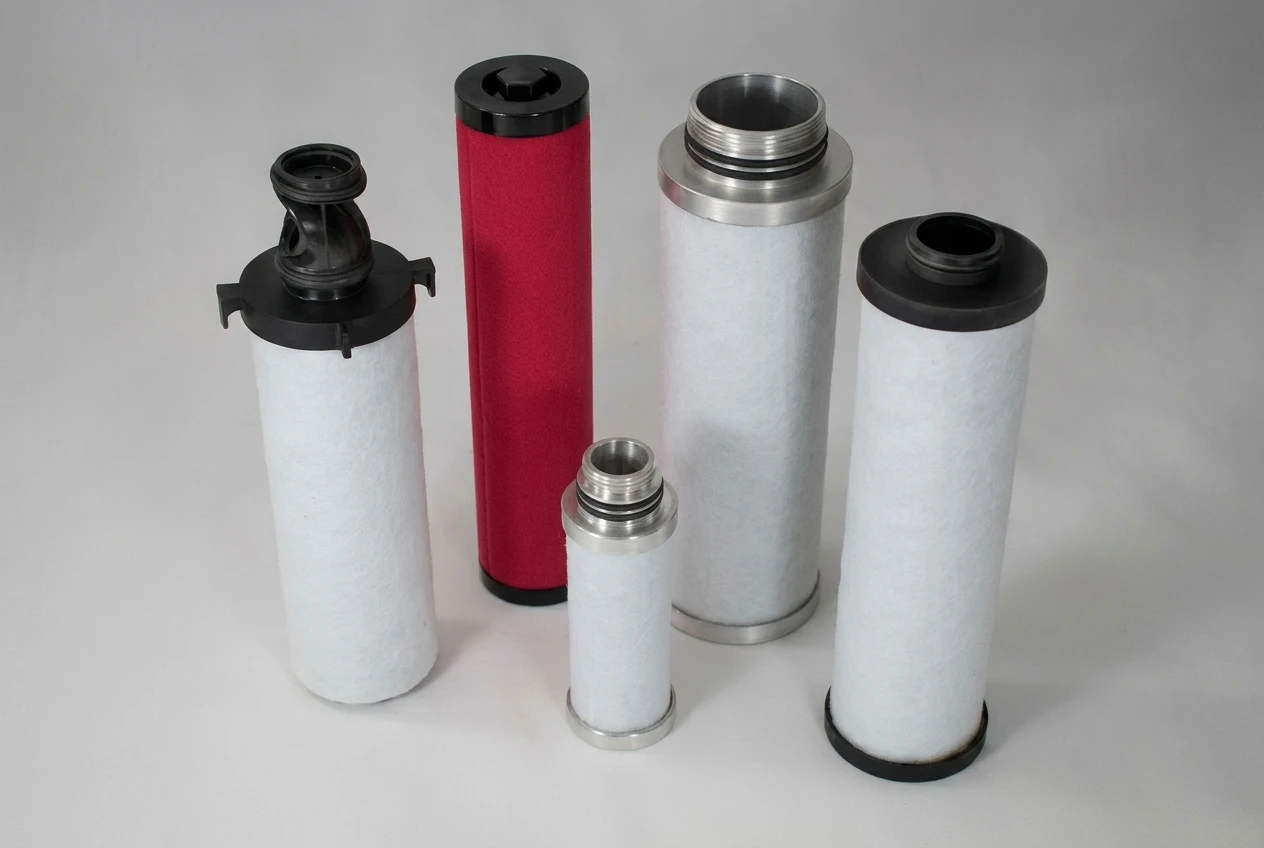
Coalescing 0.01µ pre-filter is MANDATORY (usually integrated on leading-tier membrane dryers). Liquid water, oil, or particulate destroys the membrane irreversibly. Add activated carbon on oil-lubricated upstream compressors.
Integrated coalescing 0.01µ (most leading-tier models) · External coalescing housing (if not integrated) · Activated carbon (oil-lubricated upstream)
05 · Input
No power is the reason to choose membrane over a powered dryer. If power is available and full drying isn't always needed, electronically regulated units modulate purge by dewpoint demand and cut consumption 50%+.
Passive (no power) — fixed PDP, off-grid drops · Electronically regulated — dewpoint demand control, lower purge
06 · Input
Continuous dried-air sweep (typically 10-20% of rated flow). The supply line must deliver demand + purge — account for it in the drop's air budget.
10-20% of rated flow (passive) · 5-15% (electronically regulated, demand-modulated)
07 · Input
Number of dryer units for this configuration. Need a different size class? Add a separate quote line.
1 unit · 2-3 units (multi-drop) · 4+ units (refinery / wellpad fleet)

Need different sizes, colors, or quantities? Fill the form, add to quote, then fill again — each click is one quote line.

04Choose your solution tier  ·  core differentiator

Whatever your lever — spec, value, or price — SPC has the right brand.

Most distributors sell one brand per product type. SPC's 60-brand portfolio means every Product Type page surfaces three real options matched to how your customer is buying today. Pick the tier; the quote desk handles the cross-reference.

05How to sell this  ·  distributor talk track

The tier conversation closes the deal. The cross-reference catalog wins the next one.

Membrane dryers solve a specific problem: drying air at a point of use that has no power. If the problem is whole-plant drying, route to refrigerated or desiccant — don't make membrane do a job it isn't sized for.
The SPC difference · how distributors actually buy

The 30-second positioning

Membrane is a niche but high-value sale — typically point-of-use applications where customers have struggled with moisture problems and other dryers don't fit the install constraints. The conversation is application-led: identify whether the install is point-of-use (yes → membrane is on the table) or whole-plant (no → route to refrigerated or desiccant), then size to flow + target PDP together.

The conversation has three pieces. First, verify it's a point-of-use install — single instrument, single skid, single outdoor enclosure, single remote air drop. If the customer wants to dry the whole compressor output, route to refrigerated (indoor, above-freezing) or desiccant (outdoor, sub-freezing, or pharma-grade dewpoint). Second, size flow AND dewpoint together — quote rated SCFM at the customer's required PDP, not the SCFM at the dryer's best case. A membrane spec sheet lists multiple flow ratings for the same dryer at different PDPs; pick the row that matches. Third, verify upstream coalescing protectionmembrane fibers are fragile and liquid water, oil aerosol, or particulate damage them irreversibly. Coalescing 0.01-micron pre-filter is mandatory upstream; leading-tier models integrate it.

Tier: Industry Leader tier is the engineered membrane line SPC carries — European-engineered, integrated coalescing pre-filter on most models, passive and electronically regulated variants both available, strong reputation in instrument-air and remote-monitoring applications. The brand premium is repaid in membrane life — Industry Leader tier fibers are more durable to upset conditions than generic alternatives, and customers who buy on price often replace the dryer in year three because the membrane was destroyed by an upstream coalescing failure.

The recurring revenue is small but predictable. Membrane itself is essentially permanent if upstream protection is maintained — no calendar element replacement. The recurring play is the coalescing pre-filter element (12-month replacement) and, on electronically regulated units, controls/sensor calibration. Bigger revenue is the application sale itself: the customer who buys a membrane dryer for a remote instrument enclosure often comes back for the next enclosure, the next skid, the next outdoor panel. Build the relationship around problem-solving for hard-to-dry drops.

Customer cue → talk move

"Remote instrument enclosure, no power, moisture problems"
Classic membrane application. Quote a passive membrane dryer sized to the instrument's SCFM at the required PDP, with integrated coalescing pre-filter. Single-line install: supply in, instrument out, purge to atmosphere.
"Outdoor pneumatic actuator panel freezing in winter"
Two options: insulate + heat-trace the supply line (cheaper but maintenance-heavy), or install a membrane dryer at the panel (cleaner but higher upfront). Membrane wins on long-term reliability if the customer has multiple winter-freezing drops.
"Whole-plant air drying"
NOT membrane. Route to refrigerated (indoor, above-freezing) or desiccant (sub-freezing or pharma-grade PDP). Membrane is not sized for whole-plant SCFM; pretending it is leads to over-promised PDP and frustrated customers.
"Customer wants -40°F PDP at the drop"
Check the dryer's spec sheet for the rated SCFM at -40°F (far lower than the same dryer's rated SCFM at +35°F). If actual SCFM exceeds the -40°F rating, oversize the dryer or route to desiccant. Don't quote at the +35°F SCFM rating and promise -40°F output.
"How much purge air does it consume?"
Typically 10-20% of rated flow continuous. Account for it in the drop's air budget. Electronically regulated units can reduce purge when full drying isn't needed (dewpoint demand control).
"My existing membrane dryer stopped drying after two years"
Membrane damage from upstream contamination. Check the coalescing pre-filter — past its life or absent means the membrane is likely damaged irreversibly. Replace the dryer AND install proper upstream coalescing on the new install; otherwise the new dryer fails the same way.
"Dental / small medical office"
Small membrane dryer at the medical-air outlet is a clean install for dental practices that don't have a central desiccant dryer. Pair with the standard NFPA 99 medical-air package (sterile filter, CO/CO2 monitor) downstream.
06Where it's used

Industries served.

Each industry below uses this product across the listed areas. Open an industry to see how it fits the rest of its system.
Also applies to Remote instrument enclosures & field instrumentation · Outdoor pneumatic actuator panels (cold climate) · Portable / mobile skids

09Install · 8 critical steps

The things that matter on the first install.

Step 01
Confirm point-of-use sizing
Membrane dryers serve a single drop, single instrument, or single skid — not whole-plant. Verify SCFM and target PDP match the dryer's spec for that flow + PDP combination. If the application demands whole-plant drying, install refrigerated or desiccant instead.
Step 02
Install upstream coalescing protection
Coalescing 0.01 micron immediately upstream is MANDATORY. Most leading-tier membrane dryer models include integrated coalescing pre-filter — verify it's in place and within service life. If installing a dryer without integrated pre-filter, add an external coalescing housing. Skipping this destroys the membrane.
Step 03
Position vertically per manufacturer diagram
Membrane dryers typically install vertically with inlet at the top and outlet at the bottom, so any residual condensate drains rather than re-entering the airstream. Manufacturer drawing is authoritative; follow it.
Step 04
Route the purge discharge to atmosphere
The dryer continuously discharges a small purge stream — 10-20% of rated flow. Route the purge port to an outdoor or vented location; don't plumb it back into a closed system or into a regulated discharge. Purge is dry oil-free air at low pressure.
Step 05
Verify inlet temperature and pressure are within the dryer's rated window
Membrane performance degrades sharply outside the rated window: too cold reduces drying capacity; too hot accelerates membrane degradation. Manufacturer inlet temperature and pressure curves are in the dryer datasheet; verify the install environment fits before commissioning.
Step 06
For electronically regulated units, wire the control circuit
Smart membrane dryers use a control circuit to modulate purge based on real-time dewpoint demand — cuts purge consumption when full drying isn't needed. Wire power and any control signals per the manufacturer's drawing. Passive units skip this step.
Step 07
Commission with a dewpoint test
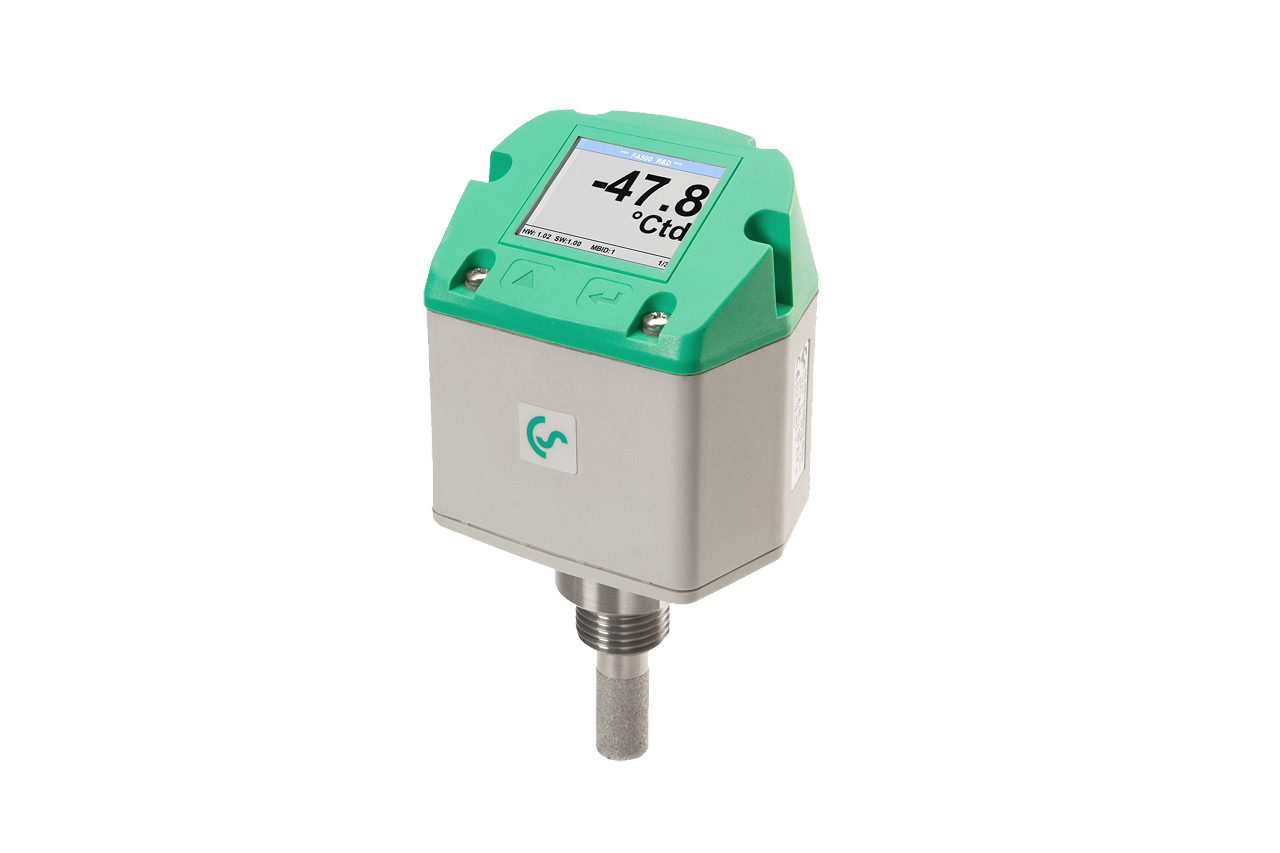
Confirm output PDP at rated flow with a calibrated dewpoint meter. Document in the customer's air-quality binder. Most installation problems show up as PDP not reaching spec — that's the signal to verify upstream coalescing, inlet temperature, and actual flow are within rated parameters.
Step 08
Set the maintenance cadence
Membrane is essentially permanent if protected; recurring maintenance is the upstream coalescing element (12-month replacement) and — on electronically regulated units — the dewpoint sensor calibration (every 12-24 months). Brief the operator on the upstream coalescing change as the primary maintenance item; skipping it destroys the dryer.
10Troubleshoot · top failures

Most returns trace to one of these causes.

Symptom
Most likely cause
Fix
Output dewpoint not reaching spec
Actual flow exceeds dryer's rated SCFM at the target PDP (most common — install at higher flow than the dryer is sized for), upstream coalescing failure flooding the membrane with liquid, purge discharge restricted or plugged, or membrane degraded from a past upset condition.
Verify actual SCFM against dryer spec sheet at the target PDP — most "underperforming" membrane dryers are correctly performing but mis-sized for the actual flow. Check upstream coalescing element. Verify purge port is unobstructed. If all upstream conditions are correct and PDP is still off, the membrane is damaged and the dryer needs replacement.
Dryer suddenly stopped drying after months or years of normal operation
Membrane fibers damaged by liquid water, oil, or particulate breakthrough from an upstream filter failure. Almost always traces back to the coalescing pre-filter (skipped replacement, undersized, or installed wrong).
Replace the dryer. Diagnose and fix the upstream failure BEFORE installing the replacement — otherwise the new dryer fails the same way. Common scenarios: coalescing element 2x past replacement life, integrated pre-filter sump full of water, oil-lubricated compressor with failing air-oil separator dumping bulk oil downstream.
Continuous loud hissing from the purge discharge
Normal operation — membrane dryers continuously vent purge air to atmosphere. Volume varies with dryer size; small units are quiet, larger units (>50 SCFM) can be audible. Customers unfamiliar with membrane technology sometimes mistake this for a leak.
Educate the customer — purge is the dryer's only operating cost and the discharge is supposed to be there. If hiss is louder than rated or accompanied by output PDP problems, then it's an actual issue (likely membrane damage causing excess permeation).
Liquid water at the outlet port
Major upstream coalescing failure flooding the dryer (bulk liquid passing through the membrane without being permeated), inlet temperature too cold causing condensation in the housing, or — rarely — membrane catastrophic damage allowing air bypass around the fibers.
Replace coalescing pre-filter immediately and inspect for damage. Verify inlet temperature is within rated window. If both are good and water persists at outlet, the membrane has failed and the dryer needs replacement.
Customer complaint: purge consumption seems high
Passive (non-regulated) units run at
ed purge consumption regardless of actual demand — typically 10-20% of rated flow continuous. Customers comparing to refrigerated dryers (no purge loss) sometimes misperceive this as inefficient. Fix: For high-purge-cost concerns, upgrade to electronically regulated unit that modulates purge based on dewpoint demand — can cut purge consumption 50%+ when partial drying is acceptable. Otherwise educate on the no-power, no-maintenance trade-off; purge IS the cost of the passive architecture.
Dryer not certified for the application's standard
Customer assumed membrane carries the same documentation as a desiccant dryer for pharma/medical applications. Membrane dryers serve point-of-use; pharma/medical/audited installs typically require desiccant or refrigerated with specific dewpoint logging.
Re-scope the application. For NFPA 99 medical-air, route to oil-free compressor + desiccant + sterile filter package. For pharma USP, route to desiccant + carbon + sterile. Membrane is right for instrument-air at remote drops, but not for audited central-air systems.

Get the right membrane dryer on quote in 24 hours.

Send us the application — a specialist routes you to the correct tier with a configured part. Lead-times and pricing returned within one business day.

Request a quote