DISTRIBUTOR-FIRST SUPPLY PARTNER · SINCE 1999 Live · Compressed Air System

SPC Company
Compressed Air / Treatment / Air Dryers / Deliquescent Dryer
Layer 02 · Treatment Emerging · Van Air Systems
01What it is

Deliquescent Dryer

A deliquescent dryer is the no-power primary dryer for off-grid, portable, and mobile compressed air systems — sandblasting trailers, oilfield service rigs, marine deck air, mining and remote pump stations. It sits in the same place as any primary dryer (downstream of the compressor, aftercooler, and wet receiver, before distribution), but it earns its place by needing zero electricity, zero refrigerant, and zero moving parts. It is a narrow-application sale: the customer who picks it is solving a specific constraint, not chasing a cheaper dryer. Quote it to off-grid customers and route everyone else to refrigerated or desiccant.
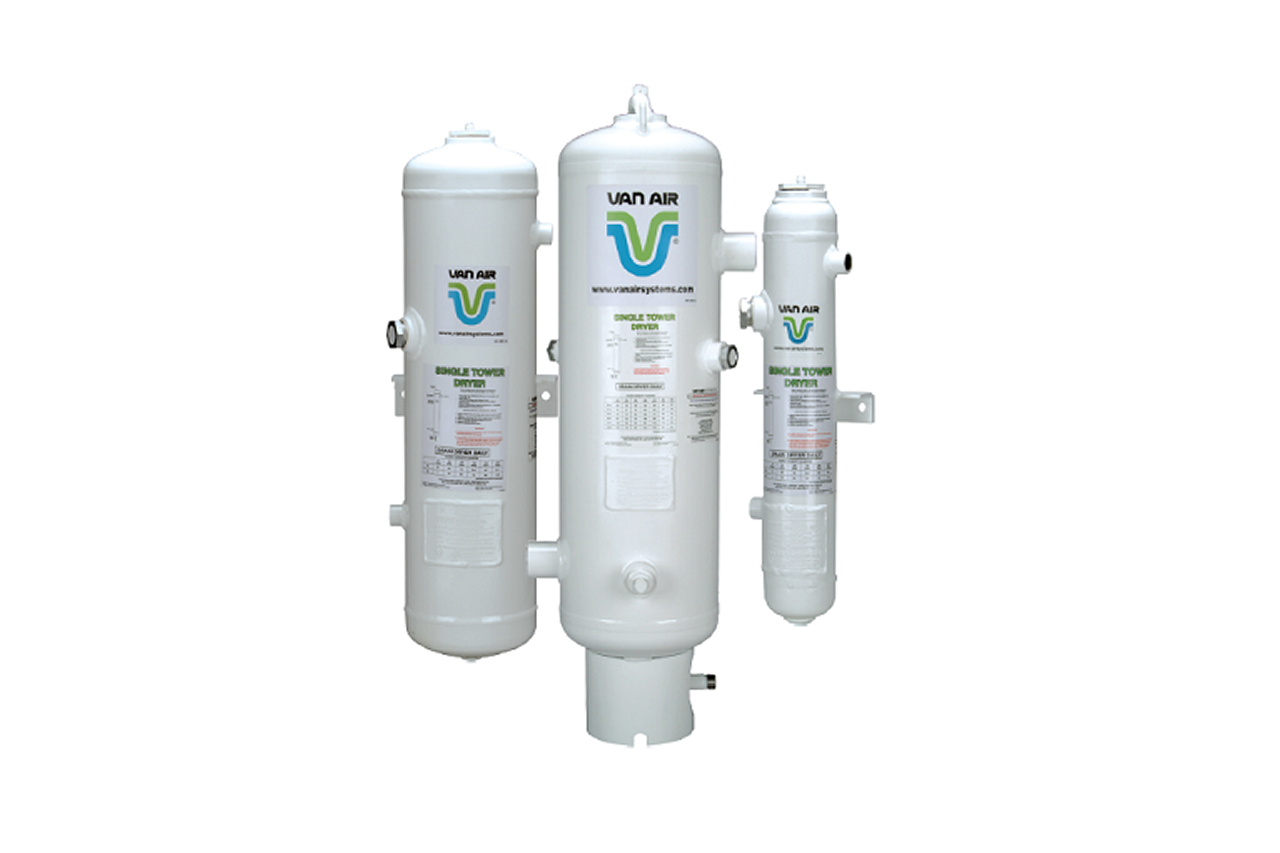
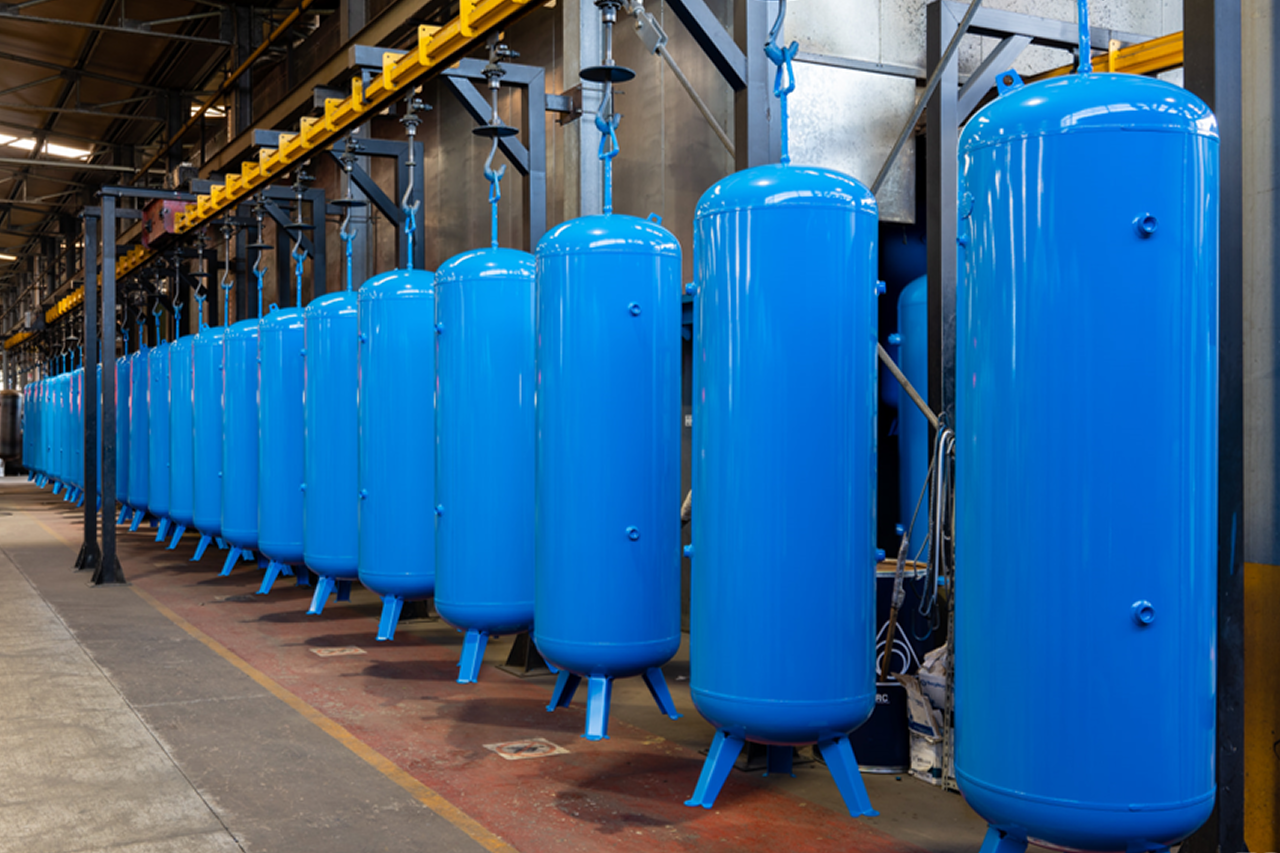
Real-world reference Representative deliquescent dryer
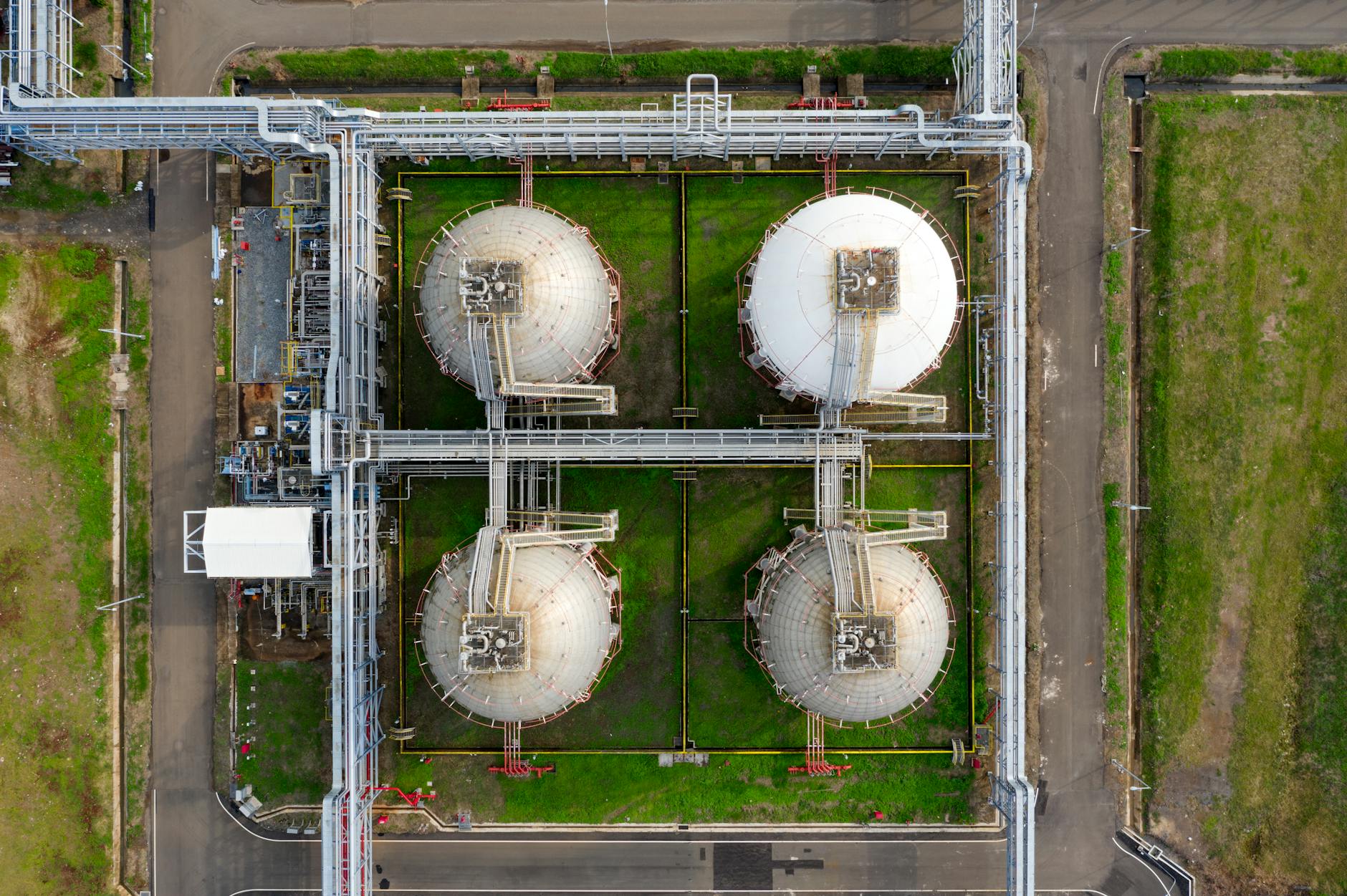
Deliquescent Dryer — representative product photo
02Why it's needed

Why this matters.

Tips and pointers on when a deliquescent dryer is the right call — and when to spec something else. Scroll the strip →

01 · Key point
It runs on zero power.

No electricity, no refrigerant, no controller, no moving parts — just a steel tower of hygroscopic salt tablets that pull vapor out of the stream and drain as brine. The dryer for sandblasting trailers, oilfield rigs, marine deck air, and remote pump stations where powered dryers can''t live.

02 · Key point
It scales from 15 to 2,400 SCFM.

Leading-tier deliquescent dryers cover everything from a small contractor rig to a 2,400 SCFM oilfield service install. Pressure vessel, tablet bed, brine drain — that''s the whole machine. Bulletproof in the field because there''s nothing to break.

03 · Key point
It earns a place as a backup or pre-stage.

Behind a powered primary as no-power backup during service events or outages. Or as pre-treatment ahead of a desiccant on tropical/marine very-wet inlet — knocks out bulk water cheaply and protects the desiccant bed from premature contamination.

04 · Pro tip
Set up standing tablet auto-replenish at install.

Tablets are a 30-90 day consumable, not a same-day shipment. Running dry is a callback event. Also: aftermarket OEM-compatible tablets at 60-70% of OEM price are the margin opportunity on the recurring side.

05 · Where not to use
Anywhere needing real low PDP.

Only suppresses dew point 15-25°F below inlet — a +75°F inlet yields ~+50°F PDP. Plus salt particulate carryover corrodes downstream equipment. → Switch to desiccant for instrument, lab, food, pharma, paint, semiconductor. → Always install a mandatory coalescing after-filter on every deliquescent.

06 · Where not to use
When the customer has reliable power.

"The panel is across the yard" is not off-grid. → Switch to refrigerated at the same flow — better PDP (+35°F vs +50°F), no tablets, no brine, often comparable upfront cost. Deliquescent 3-year operating cost usually exceeds refrigerated.

07 · Where not to use
Cold inlet below ~40°F.

Deliquescent action stalls when inlet is cold — tablets don''t dissolve and there''s little vapor to remove anyway. Winter callbacks ("dryer doesn''t work") trace here. → Insulate or pre-heat the inlet, or if year-round guaranteed PDP is required, switch to a powered dryer.

03Key selection criteria

What we need to spec it right.

From the machine spec sheet → to the part number. Answer what you know — leave the rest blank — and send.

01 · Input
Pull from the compressor output or downstream tool demand. Selects the D-Series model size — units available across roughly 15 to 2,400 SCFM.
15-50 SCFM · 50-200 SCFM · 200-600 SCFM · 600-1200 SCFM · 1200-2400 SCFM
02 · Input
Pull from install conditions summer AND winter. Deliquescent only suppresses ~15-25°F below inlet, so confirm the resulting PDP is acceptable. Cold inlet (below ~40°F) stalls the drying action.
40-75°F (winter / cool ambient — derated) · 75-95°F (typical) · 95-120°F (hot / humid outdoor — peak consumption)
03 · Input
Two qualifiers, both required. (1) No reliable power at the install — sandblasting trailer, oilfield rig, marine deck, remote pump. "Panel across the yard" is not off-grid. (2) Downstream tolerates ~+50°F PDP and salt-particulate environment — NOT for instrument, food, pharma, electronics.
Off-grid portable / mobile · Backup behind a powered primary · Pre-treatment ahead of desiccant (very-wet inlet) · Sandblasting / general-purpose tools
04 · Input
Dissolved salt drains continuously as a corrosive brine — CANNOT go to sanitary sewer, storm drain, or open ground. Drain piping must be brine-compatible (stainless or polyethylene, never galvanized).
Sealed drum + licensed waste hauler (standard) · Facility hazardous-waste collection (refinery / industrial) · Code-compliant marine discharge (offshore)
05 · Input
MANDATORY — dissolved salt carries over as particulate and corrodes every downstream pneumatic component. Quote standard on every install; no exceptions.
1µ coalescing after-filter (mandatory) · Replacement elements 6-12 months (recurring)
06 · Input
Recurring 30-90 day consumable. Running dry is a callback event and tablets aren't same-day. Aftermarket OEM-compatible tablets at 60-70% of OEM price are the margin opportunity.
OEM tablet standing auto-replenish · Aftermarket-compatible standing auto-replenish · Pallet quantities (fleet accounts)
07 · Input
Number of dryer units for this configuration. Need a different size class? Add a separate quote line.
1 unit · 2-3 units (redundancy / staged) · 4+ units (multi-line plant)

Need different sizes, colors, or quantities? Fill the form, add to quote, then fill again — each click is one quote line.

04Choose your solution tier  ·  core differentiator

Whatever your lever — spec, value, or price — SPC has the right brand.

Most distributors sell one brand per product type. SPC's 60-brand portfolio means every Product Type page surfaces three real options matched to how your customer is buying today. Pick the tier; the quote desk handles the cross-reference.

05How to sell this  ·  distributor talk track

The tier conversation closes the deal. The cross-reference catalog wins the next one.

Deliquescent isn't the dryer you sell when refrigerated would have worked. It's the dryer you sell when refrigerated wouldn't even run.
The SPC difference · how distributors actually buy

The 30-second positioning

Deliquescent is a narrow-application sale — not an upgrade, not a budget choice, not a default. The customer who picks it is solving a specific constraint: no electricity, no place to plug in, remote/mobile/portable. Sell to that customer; route everyone else to refrigerated or desiccant where moisture performance is dramatically better. Quoting deliquescent to an indoor industrial customer who has three-phase service is a missed sale and a customer back complaining about wet air in six months.

The conversation has three pieces. First, confirm the no-power constraint is real — is the install genuinely off-grid, portable, or mobile? Not "the panel is across the yard." If the customer has power but wants a cheaper dryer, refrigerated at the same flow is the answer. Second, confirm the application tolerates a basic dew point — sandblasting, freeze protection, general-purpose tools, backup duty all work. Instrument, lab, food/pharma, paint, moisture-critical process — deliquescent is wrong, quote desiccant. Third, set the consumables expectation upfront — tablets every 30-90 days, brine drain to a proper container, mandatory coalescing after-filter. Customers who don't know about the brine and tablets are unpleasantly surprised; customers who know upfront treat it as part of operating cost.

Tier: The deliquescent dryer market is effectively a single-tier category — the Industry Leader brand defined the modern deliquescent dryer and its tablet standard is what the rest of the market sizes against. No premium-vs-value tier here. Aftermarket-compatible tablets at 60-70% of OEM price are the margin opportunity on the recurring side; OEM pricing carries a premium customers don't need to pay once past the initial install.

The recurring revenue lives entirely in tablets. A 200 SCFM deliquescent in continuous service consumes 200-400 lb of salt tablets per year; at 30-90 day refill cycle, every customer is on standing reorder for the life of the dryer. Set up auto-replenish at install — customer hates having the dryer go dry, tablets aren't same-day shipment. Mandatory coalescing after-filter elements every 6-12 months round out the consumable line.

Customer cue → talk move

"No power at the compressor location"
Deliquescent. Confirm the constraint is real (not just "the panel is across the yard"), then quote the dryer sized to flow and salt tablets on standing reorder.
"Portable sandblasting trailer / oilfield service rig"
Layup. Mobile compressor with no shore power, very-wet outdoor inlet, downstream application doesn't need low PDP. Deliquescent + coalescing after-filter + brine drum is the standard package.
"Remote pump station / off-grid agricultural"
Deliquescent if a dryer is needed at all. Sometimes the customer can run undried air; quote deliquescent only if there's evidence of moisture damage downstream.
"We have power, just want something cheap"
NOT deliquescent. Quote refrigerated at the same flow — better PDP, no tablets, no brine, often comparable upfront cost at small/medium flow. Deliquescent operating cost over 3 years usually exceeds refrigerated.
"Instrument air / lab / food / pharma"
NOT deliquescent. PDP is too high; quote regenerative desiccant. Salt carryover would contaminate any of these applications.
"Backup dryer for when our primary is down"
Reasonable use case if customer tolerates degraded PDP during backup. Size to match primary flow; keep tablet reorder fresh so the backup actually works when called on.
"Pre-treatment ahead of a desiccant dryer on a very-wet application"
Valid in extreme inlet (tropical outdoor compressor, marine deck). Deliquescent knocks out bulk water cheaply; desiccant downstream hits the required PDP. Protects the desiccant investment.
"We're running out of tablets every 2-3 weeks"
Either flow is higher than the dryer was sized for, inlet humidity has spiked (seasonal), or the configuration is marginal. Verify flow + inlet against dryer rating; consider upsizing or moving to a powered dryer if conditions allow.
06Where it's used

Industries served.

Each industry below uses this product across the listed areas. Open an industry to see how it fits the rest of its system.
Also applies to Sandblasting & surface preparation · Backup drying behind a powered primary · Pre-treatment ahead of desiccant on very-wet inlet

09Install · 7 critical steps

The things that matter on the first install.

Step 01
Place AFTER the aftercooler and wet receiver, BEFORE distribution
Standard order: compressor → aftercooler → wet receiver (collects bulk condensate so the dryer isn't fighting standing water) → deliquescent dryer → coalescing after-filter → distribution. Skipping the wet receiver overloads the tablet bed with liquid water and burns through tablets in days instead of months.
Step 02
Install the coalescing after-filter — mandatory
Dissolved salt carries over with the air as fine particulate and corrodes downstream pneumatic equipment (valves, regulators, cylinders, instruments). A 1-micron coalescing after-filter immediately downstream catches the salt. Without it the customer is unknowingly destroying everything past the dryer. Not an upgrade — quote it standard on every install.
Step 03
Plumb the brine drain to a code-compliant collection container
The brine is corrosive and CANNOT go to sanitary sewer, storm drain, or open ground. Standard install routes the drain to a sealed plastic drum sized for several months of brine accumulation; the drum is emptied by a licensed waste hauler or per local code. Drain piping must be brine-compatible — stainless or polyethylene, NOT galvanized or carbon steel (the brine eats both).
Step 04
Mount level and accessible for top-up
Tablets are added through the top port every 30-90 days. Mount the dryer where the top port is reachable by a person standing on the floor with a 50 lb tablet pail; if the top is overhead, the customer will skip refills until the dryer fails. Ground-level installs work best on portable/mobile units.
Step 05
Verify the bed is at proper fill at startup
First-fill is per the OEM's bed-volume specification — too little and the tablet bed channels (air finds a path with no contact); too much and the brine drain backs up. Top of the bed at the OEM-marked fill line. Document the first-fill volume so future refills target the same level.
Step 06
Run a startup check after first 24 hours
Verify brine is discharging from the drain (the dryer is working), no air-blow-by at the drain (brine drain valve is seating), and a noticeable difference in inlet vs. outlet air feel/PDP if a temporary PDP gauge is available. Document baseline tablet consumption rate over the first month so future deviation is detectable.
Step 07
Set the consumable cadence
Tablets every 30-90 days based on flow and inlet humidity (more wet = more frequent). Coalescing after-filter element every 6-12 months. Brine drum disposal per the customer's waste-hauler schedule. Set up standing tablet auto-replenish at install — running dry is a customer-callback event, tablets aren't same-day.
10Troubleshoot · top failures

Most returns trace to one of these causes.

Symptom
Most likely cause
Fix
Outlet air is wet / no apparent drying
Tablet bed has been exhausted (most common — customer forgot to refill), inlet temperature is too cold to drive deliquescent action effectively, OR the tablet bed has channeled (air finding a path through without contacting tablets).
Open the top port and inspect. Tablet level below fill line → refill. Bed at fill but dryer not drying → check inlet temperature; deliquescent needs at least 35-40°F at the inlet to work meaningfully. Bed intact and inlet OK → bed has channeled; drain the tower, refill completely from scratch with proper compaction.
Brine drain not discharging / brine backing up into the tower
Drain valve plugged with crystallized salt (most common in low-flow / intermittent service), drain piping run uphill or restricted, OR the collection drum is full and back-pressuring the line.
Check the collection drum first; empty if full. Disassemble the drain valve and flush with warm water to dissolve crystallized salt. Verify drain piping runs downhill to the drum with no traps. On low-flow installs, plan on a quarterly drain-valve flush as PM.
Tablets being consumed dramatically faster than expected
Flow is higher than the dryer was sized for (most common), inlet air is much wetter than design (seasonal hot-humid summer), OR the wet receiver upstream has failed and is letting bulk water reach the dryer.
Verify actual peak flow against the dryer's rated capacity; upsize if undersized. Check inlet conditions — a hot humid summer day can double tablet consumption versus winter on the same dryer. Verify the wet receiver drain is functioning and condensate isn't standing in the receiver and slugging through.
Salt carryover damage on downstream equipment (corroded valves, fittings)
Coalescing after-filter is missing, undersized, or its element has failed. Without effective after-filtration, salt particulate travels with the air and corrodes every downstream pneumatic component.
Verify a coalescing after-filter is installed downstream; add immediately if missing. If installed, replace the element and inspect the housing for accumulated salt residue. Existing downstream corrosion is permanent — replace affected fittings/valves on the next PM cycle.
Tower internal corrosion / external rust
Brine leakage past a gasket or fitting (most common — salt environment is aggressive on every seal), OR tower interior coating damaged during a refill or service event.
Inspect every gasket and threaded joint for brine seepage; replace failed seals with brine-compatible material (FKM (fluorocarbon rubber), EPDM). External rust above a rust line indicates a leak above that line — find and fix the source before corrosion progresses. Severely corroded towers should be replaced; field repair on a pressure vessel is not advised.
Customer reports the dryer "doesn't work in winter"
Inlet temperature has dropped below the threshold where deliquescent action proceeds effectively (~35-40°F). The dryer hasn't failed; the physics have constrained it.
Honest conversation. Deliquescent depends on inlet temperature; cold inlet doesn't have much vapor to remove and the tablets don't dissolve. Options: insulate the inlet piping to keep temperature up, add a small inlet pre-heater, or accept reduced winter performance. If the customer needs guaranteed PDP year-round, deliquescent is the wrong product — quote a powered dryer.

Get the right deliquescent dryer on quote in 24 hours.

Send us the application — a specialist routes you to the correct tier with a configured part. Lead-times and pricing returned within one business day.

Request a quote