DISTRIBUTOR-FIRST SUPPLY PARTNER · SINCE 1999 Live · Compressed Air System

A duplex or triplex compressor system is two (duplex) or three (triplex) compressor pumps mounted on a single shared receiver tank and run by one lead-lag staging control. It is not a different compression technology — the pumps themselves are ordinary compressors — it is an arrangement that makes several pumps behave as one coordinated, fault-tolerant air source. Installed in the compressor room and sized so demand is still met with one pump out, it sits in the generation layer of the plant air train, ahead of the dryer and downstream filtration. It is the multi-pump, redundancy-first form of that layer — the standard answer when uptime is the priority and a single-compressor failure would stop the entire plant.
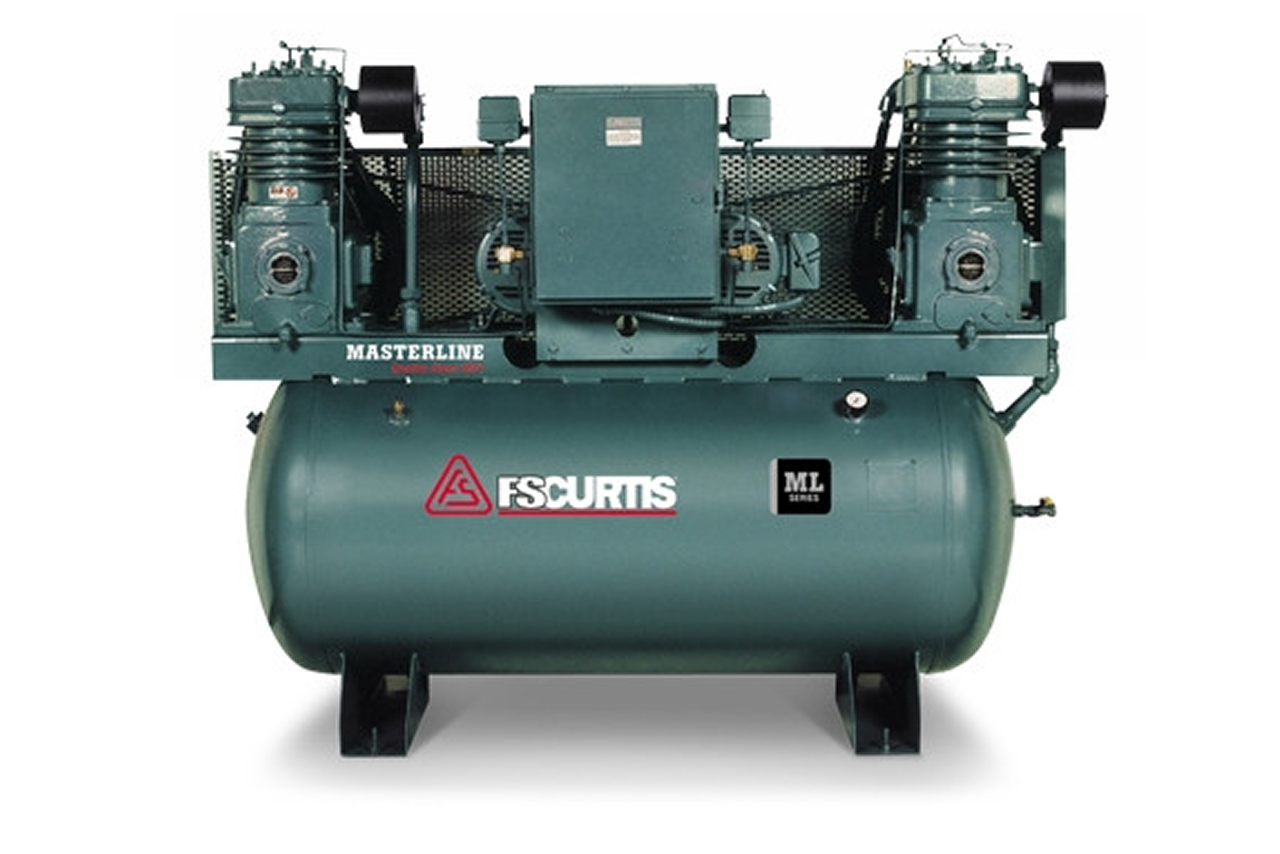
Tips and pointers on when duplex/triplex is the uptime answer — and the sizing mistake that defeats the whole point. Scroll the strip →
Two or three pumps on one shared receiver — when one drops out, the others carry the load. What used to be a lost shift becomes a scheduled repair, with the line still running.
Stager brings pumps online as demand rises and stages them back off as it falls — running capacity follows the load instead of one oversized compressor short-cycling against light demand. Cleaner part-load efficiency than a single oversized recip.
Stager rotates lead duty daily, weekly, or by run-hour. Three pumps each at one-third life is a healthier maintenance profile than one pump at end of life — service intervals coordinate, parts inventory standardizes, no hard end-of-life cliff.
Duplex sized so a single pump covers full demand; triplex so two pumps cover full demand. Both pumps at 100% combined is NOT redundant — the customer discovers it the first PM. Receiver goes against combined CFM at 4-6 gal/CFM, not single-pump output.
A single fixed-speed rotary screw runs continuous-duty natively, no staging required, and is more energy-efficient on flat load. → Quote a single rotary screw when downtime cost doesn't justify the redundancy premium.
Works as cold standby — loses staging, lead alternation, and automatic failover. The customer ends up with two pumps wearing unevenly and a 2 AM switchover that needs a human in the room. → Quote a proper lead-lag panel or it isn't duplex.
Combined heat rejection from all pumps running trips them all on high-temp in summer. → Upsize ventilation against worst-case all-pumps-running heat load — wall fans, ducted exhaust, or dedicated room HVAC. Building fix, not a compressor fix.
From the machine spec sheet → to the part number. Answer what you know — leave the rest blank — and send.
Most distributors sell one brand per product type. SPC's 60-brand portfolio means every Product Type page surfaces three real options matched to how your customer is buying today. Pick the tier; the quote desk handles the cross-reference.
You don't sell redundancy on the spec sheet. You sell it the first time the customer remembers their last unplanned outage.
Each industry below uses this product across the listed areas. Open an industry to see how it fits the rest of its system.
 Automotive Manufacturing →
 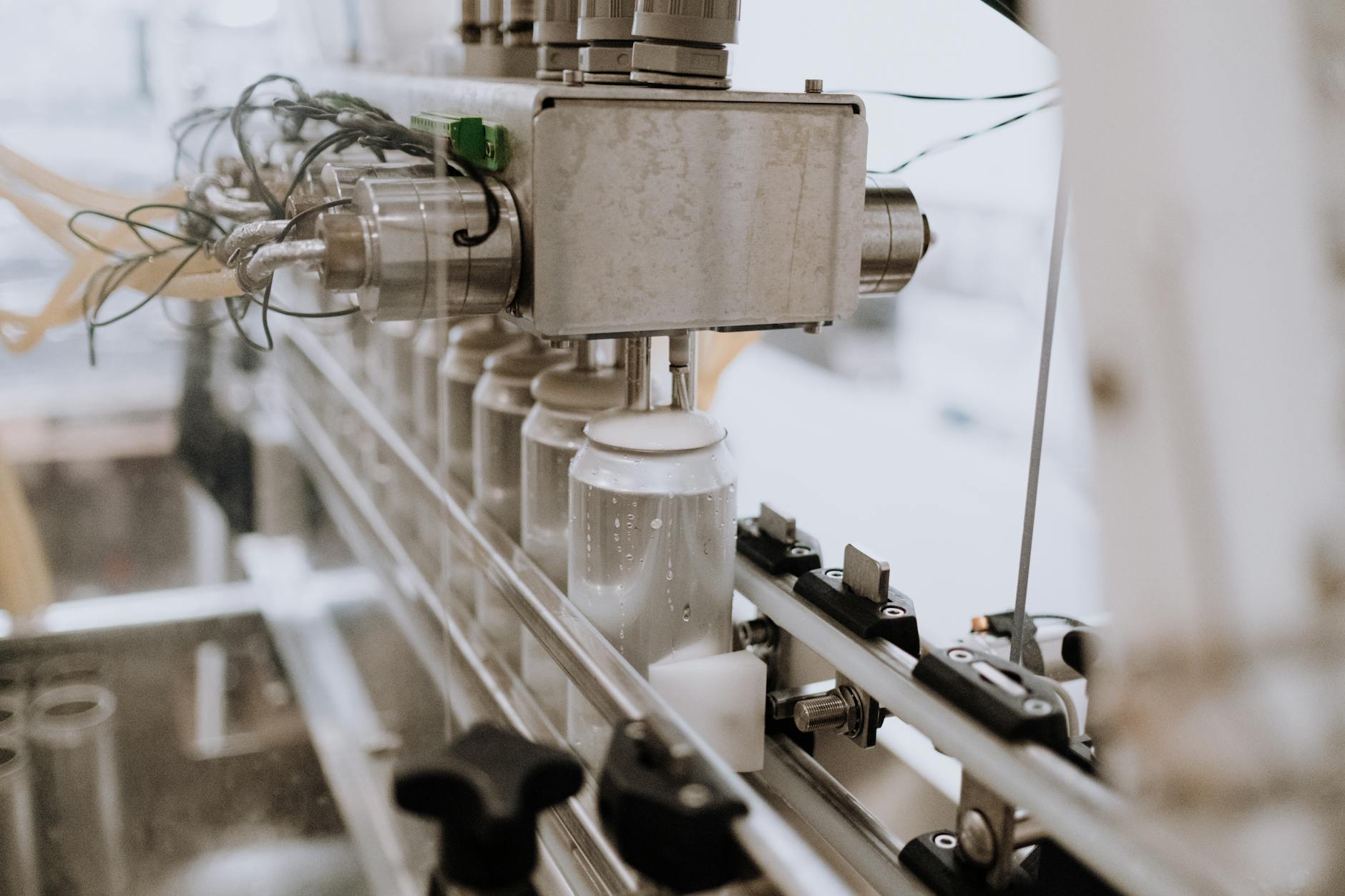 Food & Beverage Processing →
 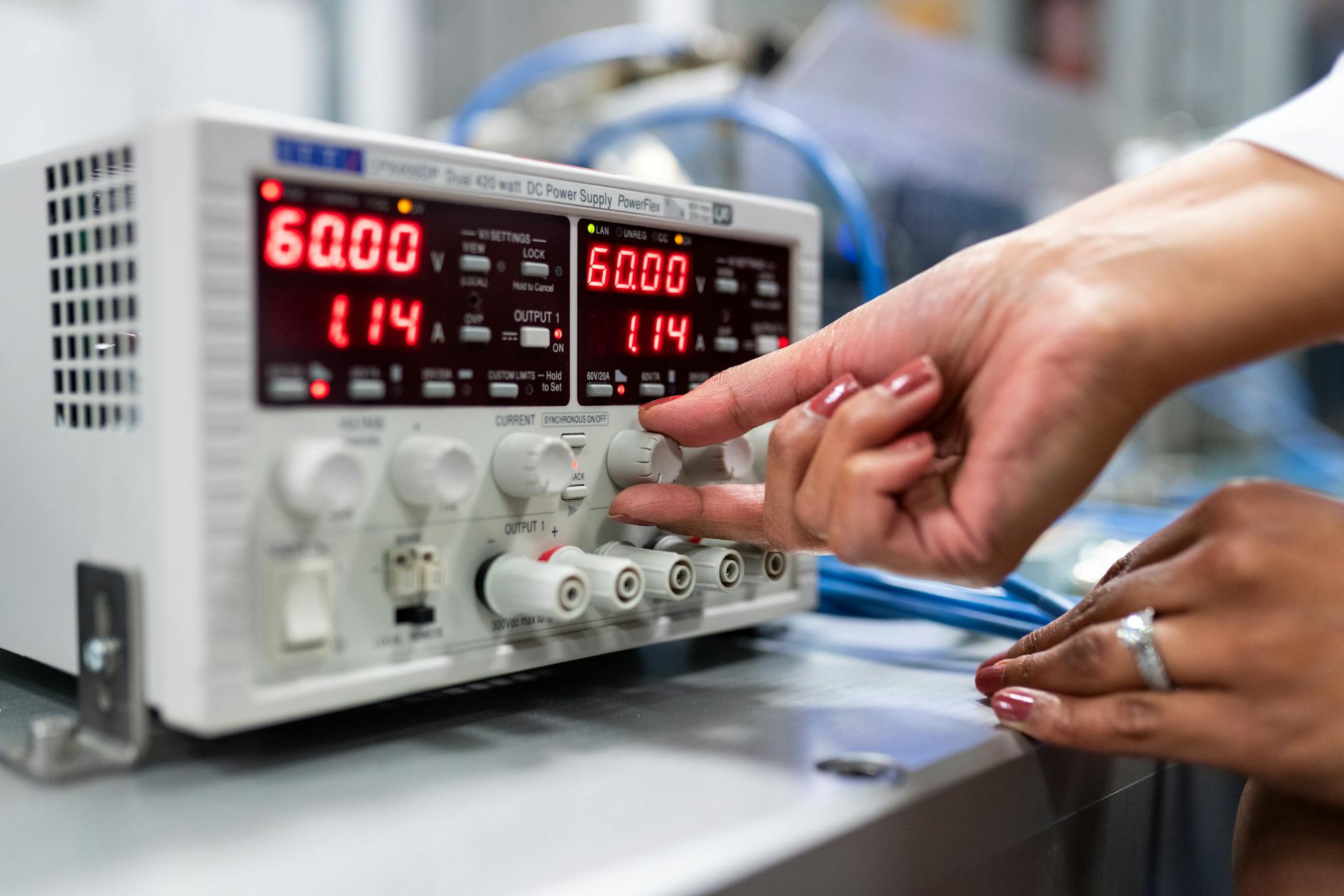 Electronics & Semiconductor →
 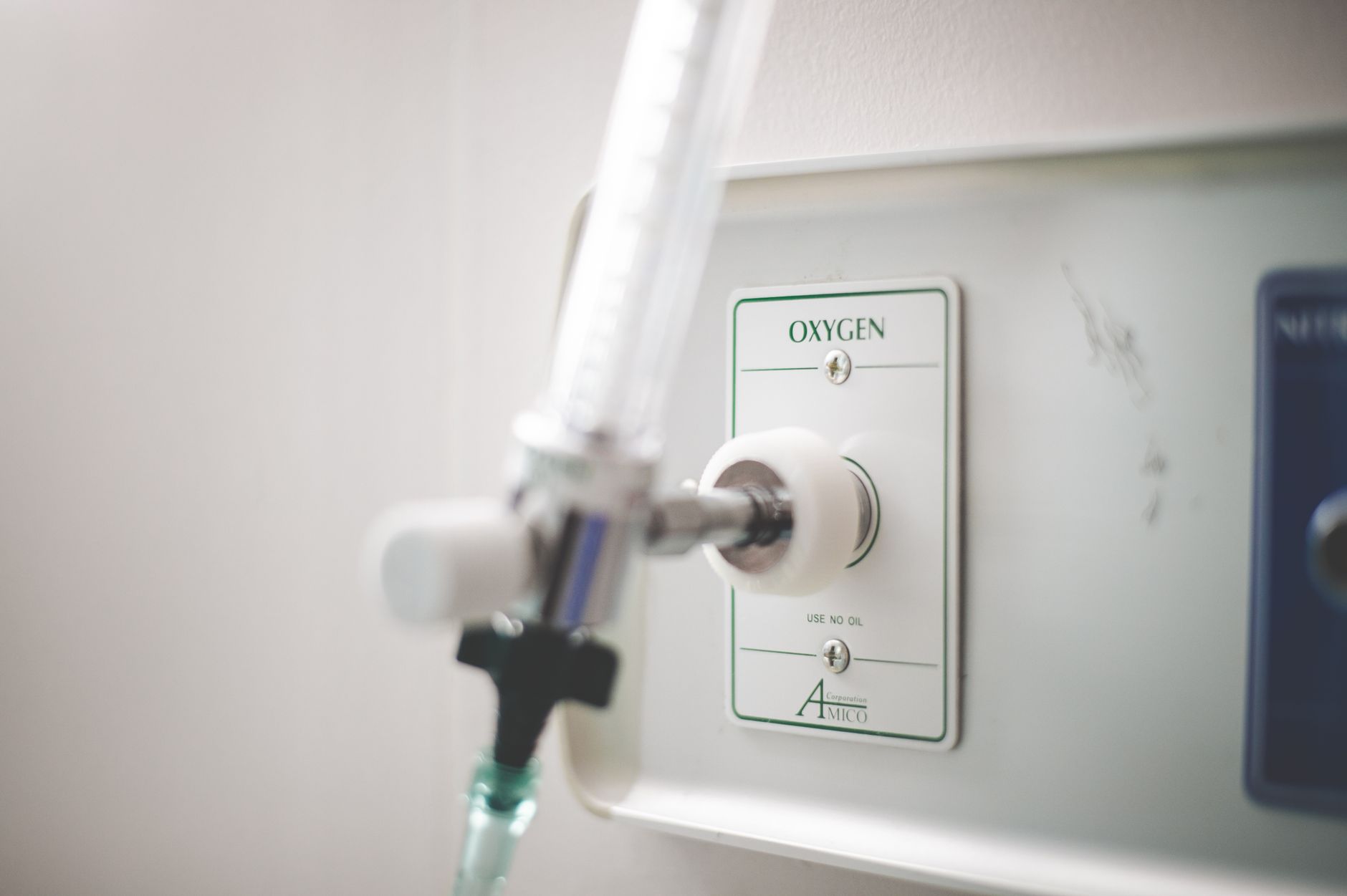 Medical & Dental Equipment →
  Plastics & Rubber Processing →
 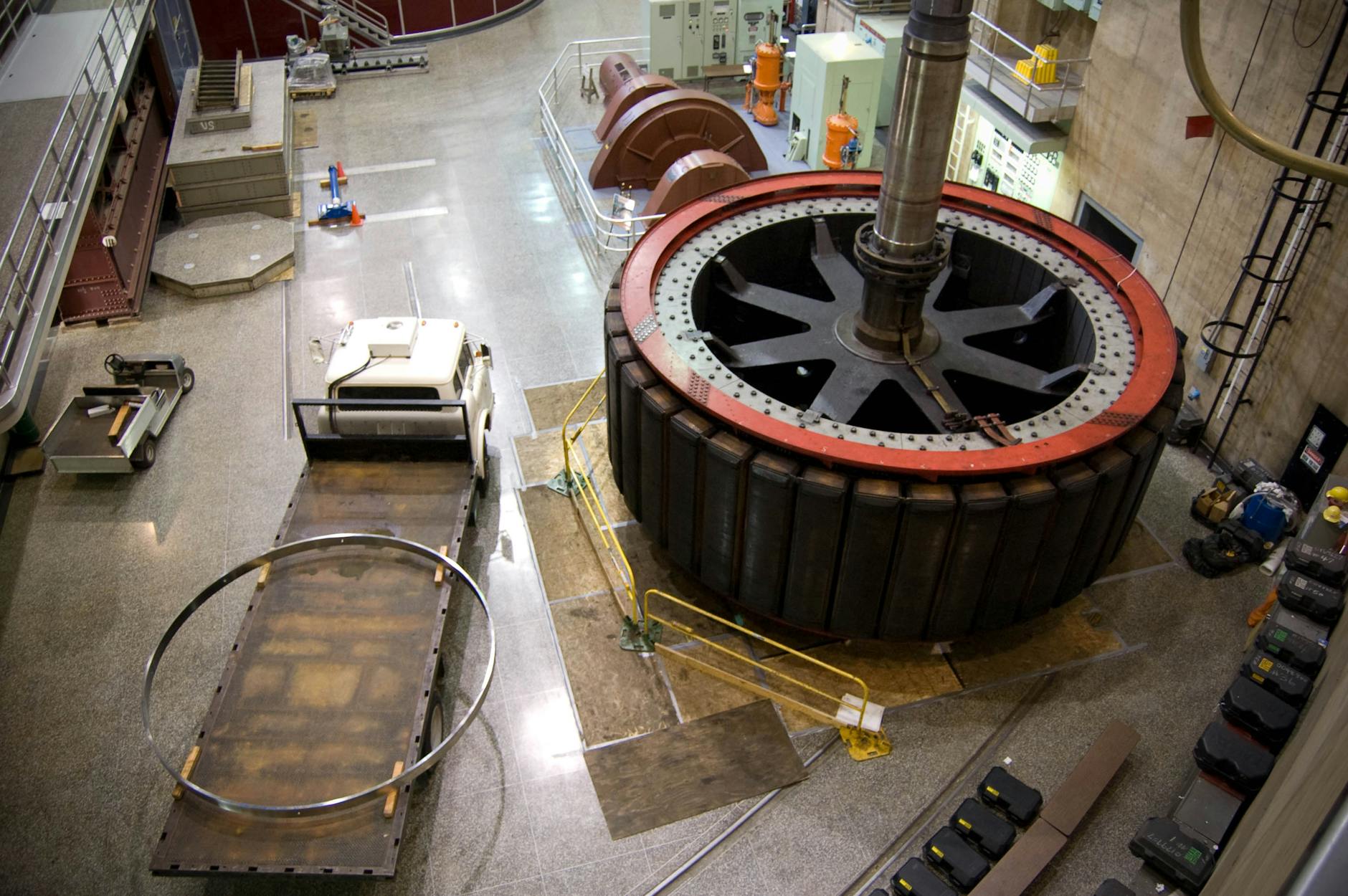 General Manufacturing →
 Also applies to Plants growing past single-compressor capacity · Reciprocating-pump service cultures
Every entry is a real product on this site — linked, not just named. Quote them on the same line item.
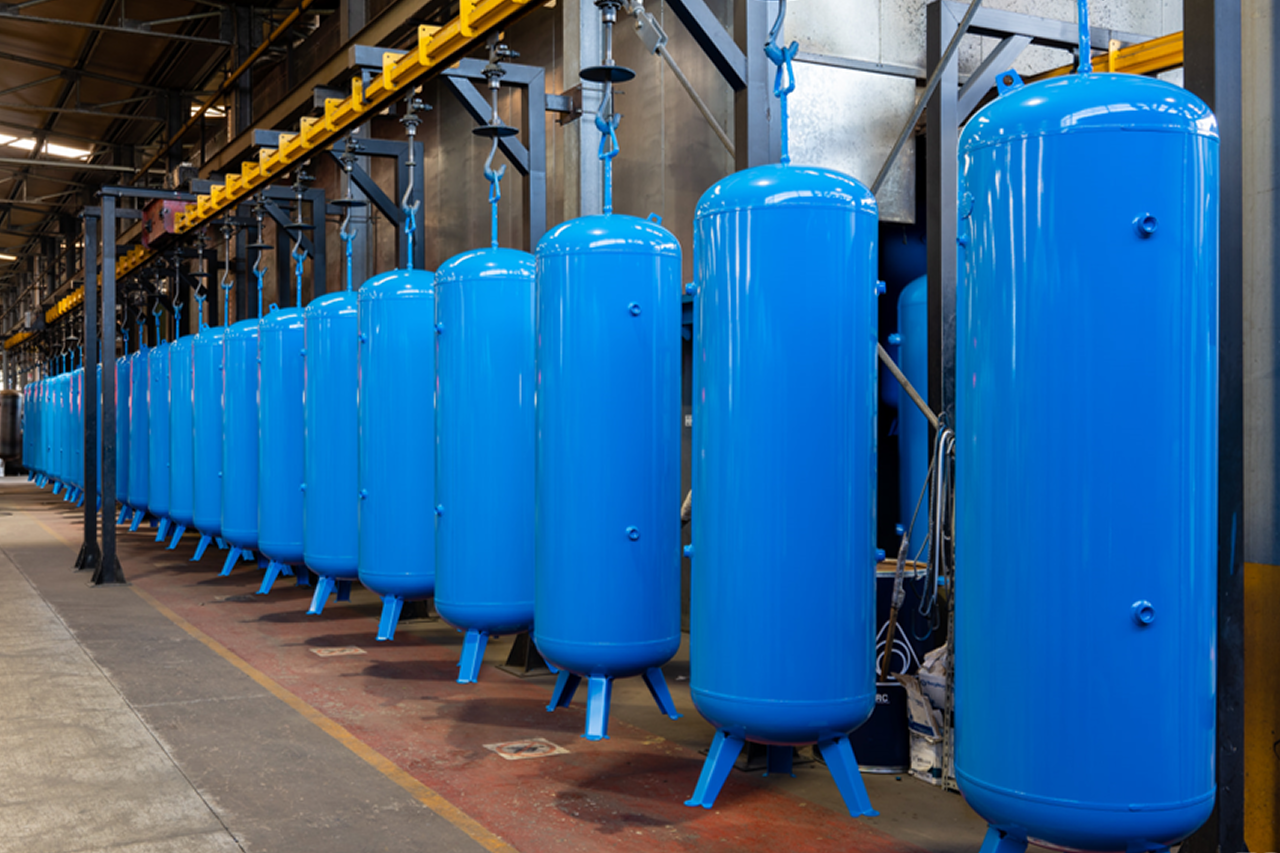
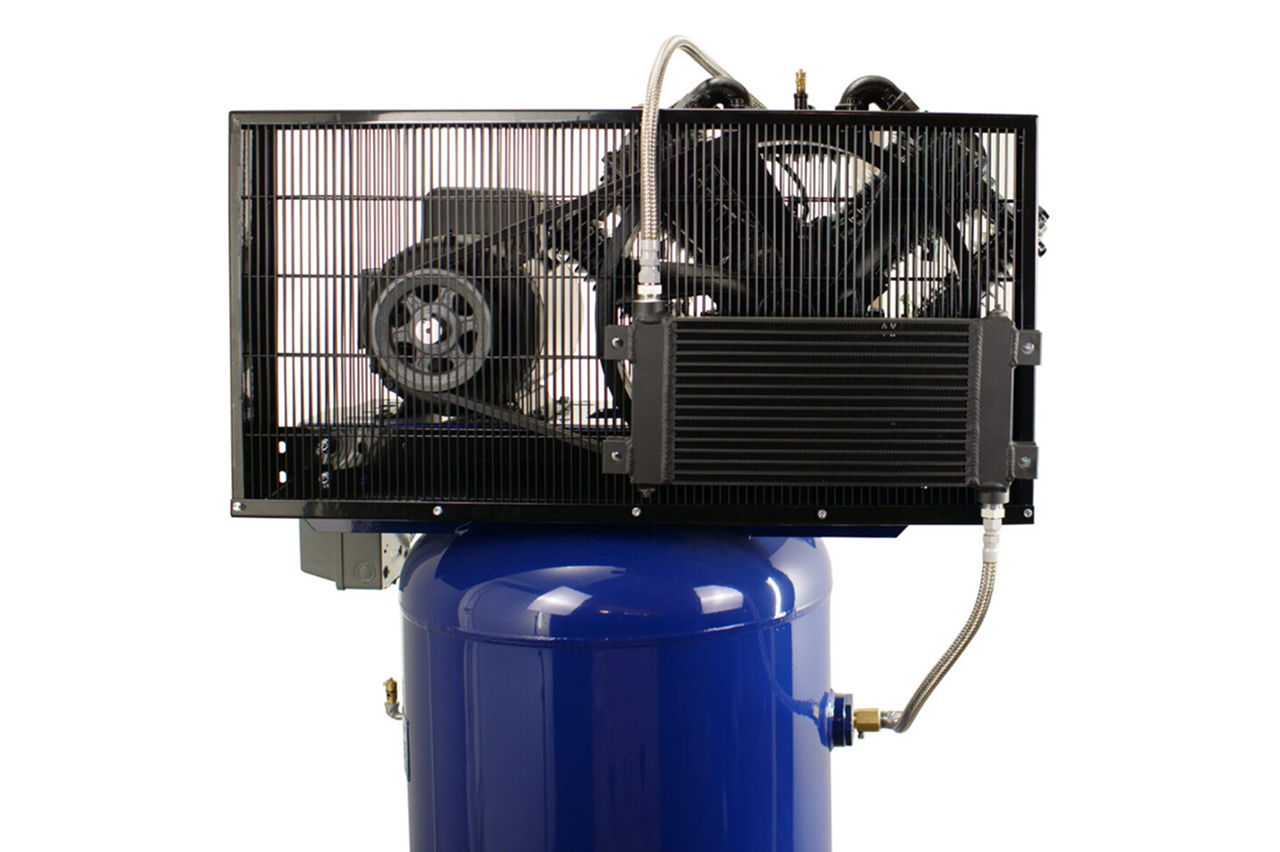


Send us the application — a specialist routes you to the correct tier with a configured part. Lead-times and pricing returned within one business day.
—. We reply within one business day with pricing, lead-time, and configured parts.