DISTRIBUTOR-FIRST SUPPLY PARTNER · SINCE 1999 Live · Compressed Air System

SPC Company
Compressed Air / Generation / Air Compressors / Rotary Screw Compressor — VFD
Layer 01 · Generation Industry Leader · Atlas Copco Emerging · Kaishan
01What it is

Rotary Screw Compressor — VFD

A rotary screw compressor — VFD (variable frequency drive — an electronic motor controller that varies AC frequency, and therefore motor speed) is a continuous-duty industrial compressor whose airend speed tracks demand continuously. It sits in the generation layer at the head of the compressed air system, ahead of the receiver, dryer, filtration, and distribution piping. Sized 5 HP up to ~450 HP, three-phase, oil-injected, rated 100% duty.

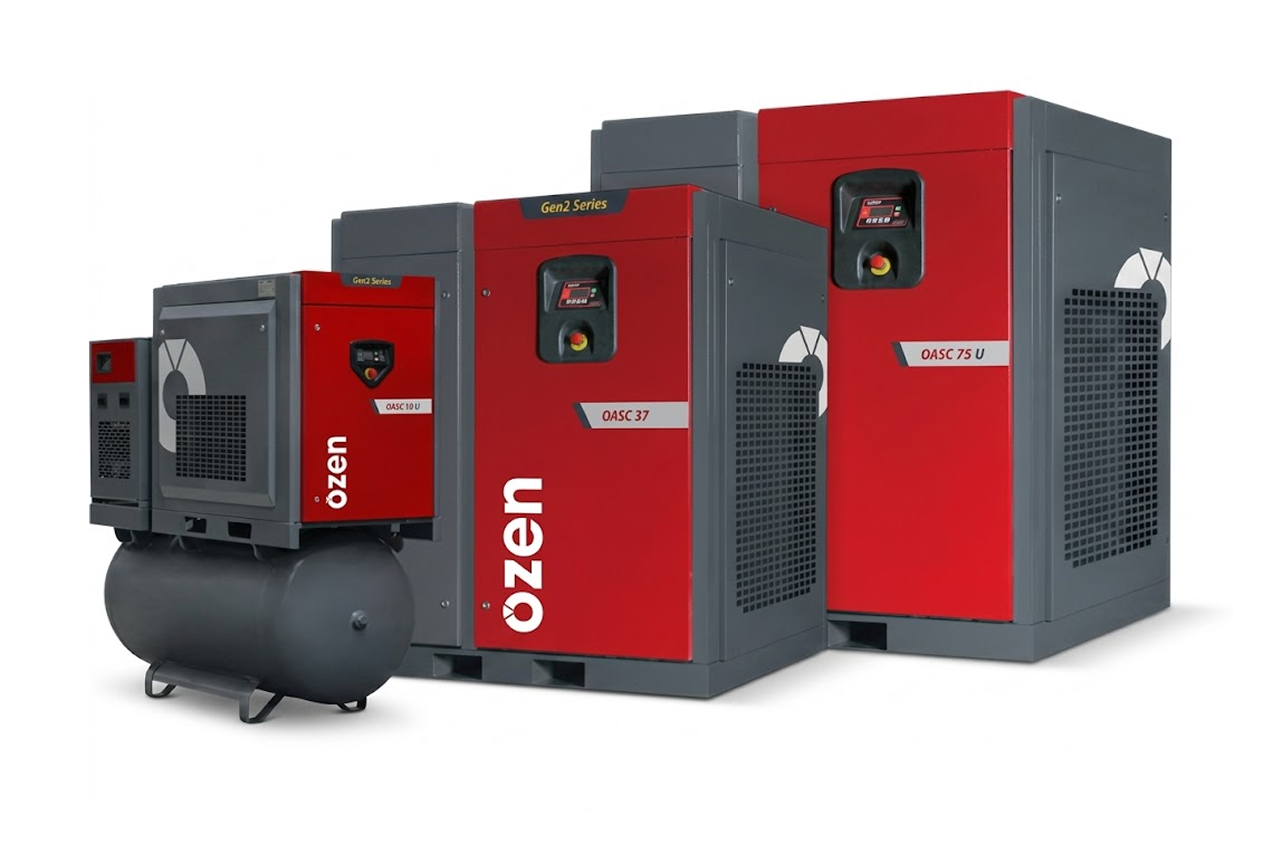
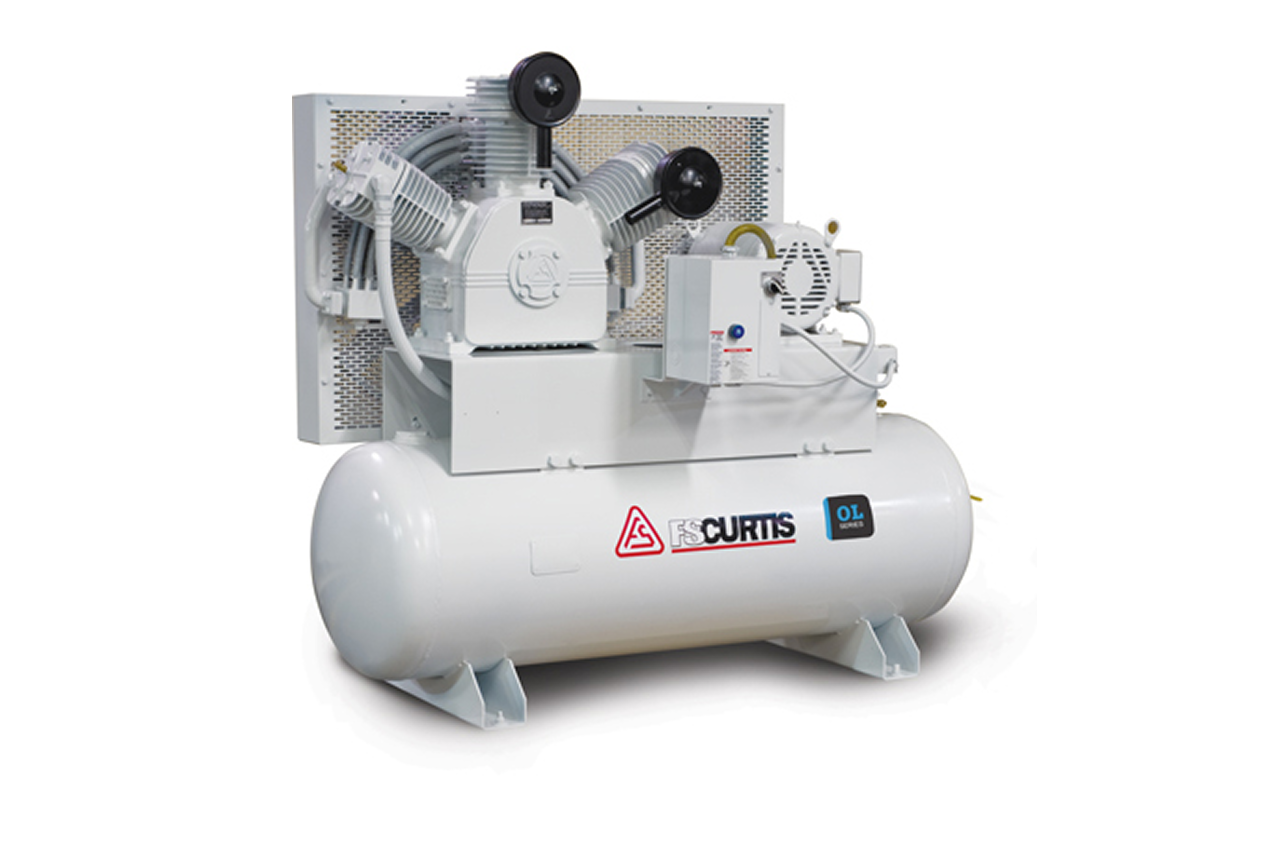
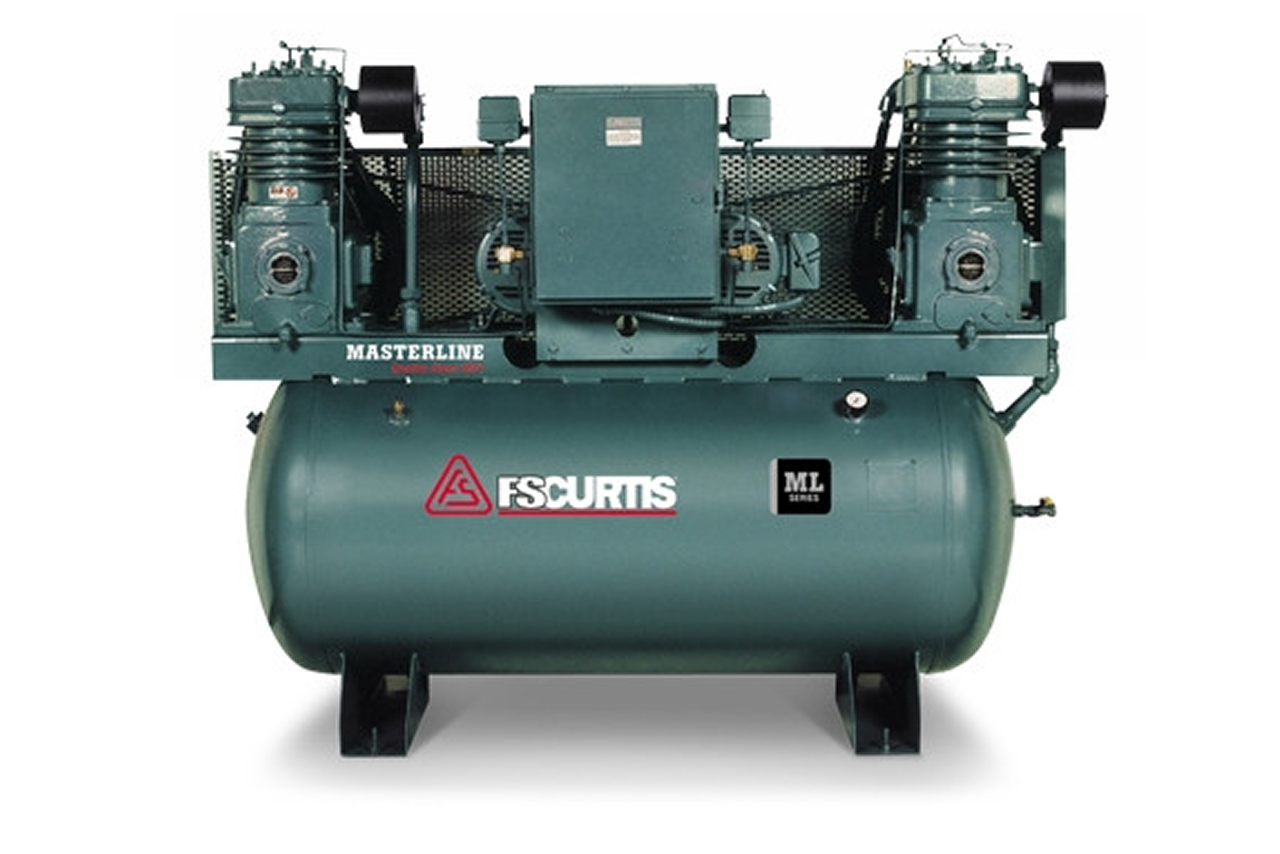
Real-world reference Representative rotary screw compressor — vfd
Rotary Screw Compressor — VFD — representative product photo
02Why it's needed

Why this matters.

Tips and pointers on when a VFD rotary screw pays back fast — and when the inverter premium is wasted. Scroll the strip →

01 · Key point
Motor speed tracks demand.

The drive slows the airend when demand drops, so power draw follows air output roughly linearly — no unloaded motor burning 25-40% of full-load kW for zero CFM.

02 · Key point
25-50% off the electric bill.

Typical savings at sites with genuine demand variability. Payback runs 1-3 years on the $2-5K inverter premium for a 50 HP frame at $0.10/kWh.

03 · Key point
Holds pressure on one setpoint.

No load/unload band drift — system pressure stays steady instead of swinging 10-15 PSI. Every 2 PSI of unnecessary pressure costs ~1% in energy, a second dividend on top of demand matching.

04 · Pro tip
Qualify the demand profile first.

First question on every VFD quote: "tell me about your air-demand profile." Rule of thumb — VFD pays back when load sits below ~70% of rated output more than ~30% of run hours. Multi-shift, batch, and packaging plants almost always qualify.

05 · Where not to use
Flat continuous-process load.

A plant running steady at rated capacity 24/7 gets nothing from variable speed and pays extra for drive electronics. → Re-quote fixed-speed — save the customer $3-5K upfront; the honest call is the loyalty move.

06 · Where not to use
Hot rooms above 104°F at the drive.

Drive electronics derate above 104°F ambient and fault around 122°F. → Install cabinet AC, relocate the drive, or upsize so partial derate still meets demand. The #1 warm-weather complaint on VFD installs and 100% preventable.

07 · Where not to use
Crowded VFD feeders without mitigation.

Multiple drives on one feeder push THD (total harmonic distortion) past IEEE 519 limits — utility and ESG audit flags. → Quote a 3-5% line reactor with every drive; active harmonic filter at the panel on high-VFD-density plants.

03Key selection criteria

What we need to spec it right.

From the machine spec sheet → to the part number. Answer what you know — leave the rest blank — and send.

01 · Input
Pull from the customer's tool/demand list or replacement nameplate. Size to peak demand + 25% — VFD lets you run closer to rated without short-cycling.
Mid plant: 100-250 CFM · Large plant: 400-800 CFM · Multi-shift: 800+ CFM
02 · Input
Pull from the highest-pressure process. Over-spec wastes energy — every 2 PSI ≈ 1% on the electric bill, and VFD holds a steadier setpoint than fixed-speed.
100 PSI (general plant) · 125 PSI (mixed tooling) · 150 PSI (high-pressure process)
03 · Input
VFD only pays back when load sits below ~70% of rated more than ~30% of run hours. Flat steady load is a fixed-speed case.
Multi-shift (peak + off-shift) · Batch / cyclic process · Seasonal swings · Flat 24/7 (quote fixed-speed)
04 · Input
Both numbers feed the VFD payback calc — typical 12-36 month payback when demand truly varies. Pull from production schedule + estimated load.
2,000 hr (single shift) · 4,000 hr (two shifts) · 6,000+ hr (multi-shift / continuous)
05 · Input
Pull from the customer's utility bill — blended rate including demand charges. Needed for honest payback math.
$0.08/kWh (low) · $0.12/kWh (US average) · $0.18+/kWh (CA / NE / coastal)
06 · Input
Pull from the customer's electrical panel. VFDs need three-phase matched to drive input voltage.
230V/3ph/60Hz · 460V/3ph/60Hz (standard) · 575V/3ph/60Hz (Canada) · 400V/3ph/50Hz (export)
07 · Input
Drive electronics derate above 104°F and fault around 122°F — hot rooms need cabinet AC or drive relocation. #1 warm-weather complaint on VFD installs.
≤90°F (no action) · 90-104°F (cabinet ventilation) · 104°F+ (cabinet AC or relocate)
08 · Input
Multiple drives on one feeder can push THD (total harmonic distortion) past IEEE 519 limits — quote a line reactor or active filter if other VFDs are already on the panel.
None (no mitigation) · 1-2 existing (3-5% line reactor) · 3+ existing (active harmonic filter)
09 · Input
Number of compressors for this configuration. Need redundancy or staged capacity? Add a separate quote line per variant.
1 unit · 2 units (primary + backup) · 3+ units (lead/lag system)

Need different sizes, colors, or quantities? Fill the form, add to quote, then fill again — each click is one quote line.

04Choose your solution tier  ·  core differentiator

Whatever your lever — spec, value, or price — SPC has the right brand.

Most distributors sell one brand per product type. SPC's 60-brand portfolio means every Product Type page surfaces three real options matched to how your customer is buying today. Pick the tier; the quote desk handles the cross-reference.

05How to sell this  ·  distributor talk track

The tier conversation closes the deal. The cross-reference catalog wins the next one.

A VFD compressor sells itself when the customer's electric bill is on the table. The job is to be honest about when it doesn't.
The SPC difference · how distributors actually buy

The 30-second positioning

VFD is one of the easier consultative sells when demand genuinely varies — the math is concrete and the payback is short. The honest sell is also the loyalty sell: telling a continuous-process customer they DON'T need a VFD (and quoting them a fixed-speed at lower cost) builds the trust that brings them back when the next plant goes in.

Three pieces: (1) Qualify the demand profile — steady or swinging? (2) Run the payback math — annual run hours × estimated average load reduction × motor kW × electric rate. A 50 HP unit cycling 30%-100% at 6,000 hr/yr at $0.10/kWh saves $5-8K/year; the $3-5K VFD premium pays back in under two years. (3) Verify the install — three-phase service, room ambient under 104°F at the drive, harmonics conversation on multi-VFD facilities.

Tier: Industry Leader tier for Fortune-500 / ESG-driven accounts (permanent-magnet motor, integrated drive, full turndown range, energy reporting); Emerging tier for the same VFD feature set at a materially lower price (CAGI-rated); Economical tier for cost-driven shops that want the energy savings without the badge premium.

Customer cue → talk move

""Our electric bill went up and we don't know why""
Layup. Pull 12 months of compressor run hours, estimate cycling, run the payback. VFD is almost always the answer when plants have grown into multi-shift.
""Single shift, steady production""
NOT VFD. Quote fixed-speed at the same flow, save the customer $3-5K upfront, explain the savings come from demand swings they don't have.
""Replacing an old fixed-speed""
Ask about the new production layout — has the plant grown into multi-shift? Don't assume like-for-like.
""How fast does it pay back?""
Run the math live. 12-36 month payback is the typical range when demand varies.
""We have multiple compressors on VFDs""
Harmonics conversation. Quote a line reactor or active filter as standard practice.
""Compressor room runs hot in summer""
Drive electronics derate above 104°F. Cabinet AC, relocate the drive, or upsize so partial derate still meets demand.
""The top-tier brand is too expensive""
Show the Emerging-tier option at the same flow point. Spec sheet side-by-side; the performance numbers are the story, not the badge.
09Install · 6 critical steps

The things that matter on the first install.

Step 01
Locate the compressor in the air train
Standard install order: VFD compressor → aftercooler (usually integrated) → wet receiver → refrigerated or desiccant dryer → pre/post filtration → distribution. The receiver is NOT optional just because the VFD modulates — it still buffers transient peaks and keeps the compressor from short-cycling on brief demand spikes.
Step 02
Verify three-phase service
VFDs need three-phase power matched to drive input voltage (480V standard in North America). Single-phase or wrong-voltage installs are non-starters. Have the electrician verify panel capacity for inrush + continuous load + 25% safety margin.
Step 03
Drive cabinet temperature
Drive electronics derate above 104°F ambient and most fault around 122°F. Mount the compressor in a cool location, or install cabinet AC, or move the drive to a separate enclosure if the compressor room runs hot in summer. This is the #1 warm-weather complaint on VFD installs and 100% preventable.
Step 04
Address harmonics on multi-VFD sites
A single VFD on a healthy feeder is usually fine. Multiple VFDs can push THD (total harmonic distortion) past IEEE 519 limits, which utilities and corporate sustainability audits will flag. Quote a 3% or 5% line reactor with every VFD as standard practice; active harmonic filters at the panel for high-VFD-density plants.
Step 05
Commissioning — set minimum and maximum speed
The drive has parameters for minimum operating frequency (typically 25-30 Hz) and maximum (60 Hz in the US). Set per OEM rating; running below minimum stresses airend bearings. Document dewpoint, pressure setpoint, and baseline kWh draw at commissioning so future drift is measurable.
Step 06
Document the service cadence
Annual oil change, oil/intake/separator filter change at hour intervals, drive cabinet filter cleaning every 6 months, thermal scan of the drive at annual PM. Hand the customer the schedule + SPC part numbers at install — preventive cost is a fraction of a drive replacement.
10Troubleshoot · top failures

Most returns trace to one of these causes.

Symptom
Most likely cause
Fix
Drive faults on overcurrent or overload.
Mechanical binding in the airend (bearing wear, oil viscosity wrong for ambient), fouled intake filter raising load, or drive parameters set incorrectly during a recent service event.
Check airend bearings and oil — VFDs are unforgiving of mechanical drag because the drive sees current spikes immediately. Verify intake filter is clean. Confirm drive acceleration and current-limit parameters match the OEM commissioning sheet.
System pressure drifting outside setpoint.
Drive not modulating fast enough to match demand swings, pressure transducer drifted out of calibration, or demand exceeds compressor capacity at current speed range.
Verify with a calibrated test gauge that the transducer matches actual line pressure; replace if drifted. Check the drive's PI tuning parameters against the OEM sheet. If demand truly exceeds capacity, add storage or a second compressor.
Drive cabinet trips on overtemperature.
Ambient exceeds derating point (104°F), cabinet ventilation filter clogged, or internal cooling fan failed.
Clean the cabinet ventilation filter (often missed at PM). Verify the cooling fan spins. Measure ambient on a hot day — if over 100°F, install cabinet AC or relocate the drive.
Expected energy savings not materializing.
Demand profile isn't actually as variable as estimated, system pressure setpoint was bumped up after install (every 2 PSI ≈ 1%), or system air leaks have grown to the point the compressor is constantly making air.
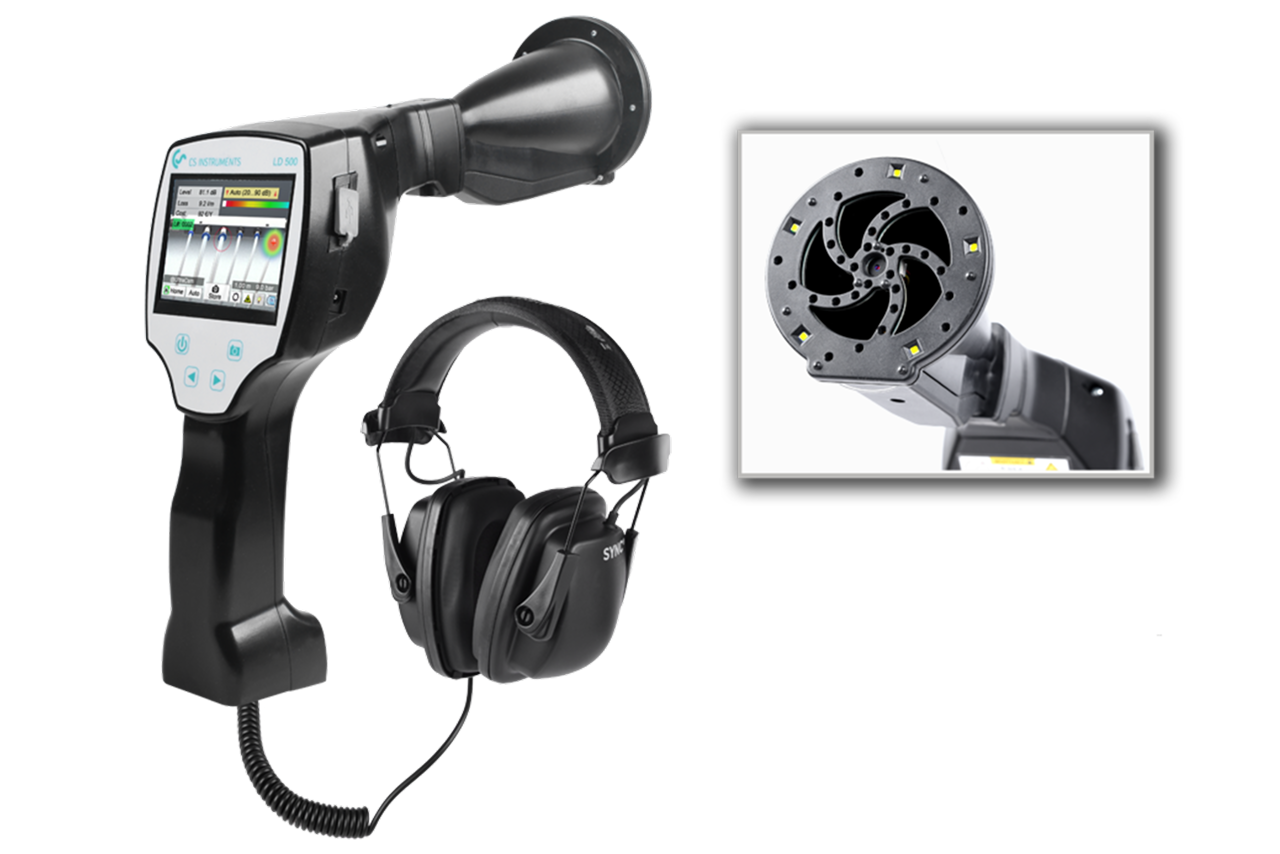
Pull the drive's actual kWh and run-hour data vs. pre-VFD baseline. If load is steadier than estimated, the VFD math doesn't apply — explain honestly. If setpoint crept up, ratchet it back. Run an ultrasonic leak survey and fix leaks — in most plants leak repair returns more energy than any other single intervention.
Motor bearing failure earlier than expected.
The drive's PWM output puts high-frequency common-mode voltage on motor windings, which can discharge through bearings as small electrical arcs and pit the races over time. Inverter-duty motors are designed for this; standard motors paired with a VFD are at risk.
At motor replacement, specify an inverter-duty motor with a shaft grounding ring. Industry Leader tier VFD compressors address this at the OEM level; field-applied VFD retrofits are where the failure shows up.

Get the right rotary screw compressor — vfd on quote in 24 hours.

Send us the application — a specialist routes you to the correct tier with a configured part. Lead-times and pricing returned within one business day.

Request a quote