
DISTRIBUTOR-FIRST SUPPLY PARTNER · SINCE 1999 Live · Pneumatic Automation System

SPC Company
Pneumatic Automation / Actuation / Cylinders / ISO Standard Cylinder
Layer 04 · Actuation Industry Leader · SMC Emerging · AIGNEP Economical · YPC
01What it is

ISO Standard Cylinder

An ISO 15552 cylinder (the European/metric dimensional standard for profile cylinders) is a pneumatic actuator with an extruded aluminum barrel, a built-in longitudinal slot for magnetic position switches, and mounting dimensions fixed by the ISO 15552 standard. It is the default linear actuator on modern OEM automation in the 32-100mm bore range — pick-and-place arms, conveyor diverters, clamp stations, lift platforms, indexing tables. The cylinder mounts to the machine frame via foot, flange, pivot/clevis, or trunnion hardware (all to the ISO 15552 accessory standard, so brackets cross brands) and drives a load through its rod end.
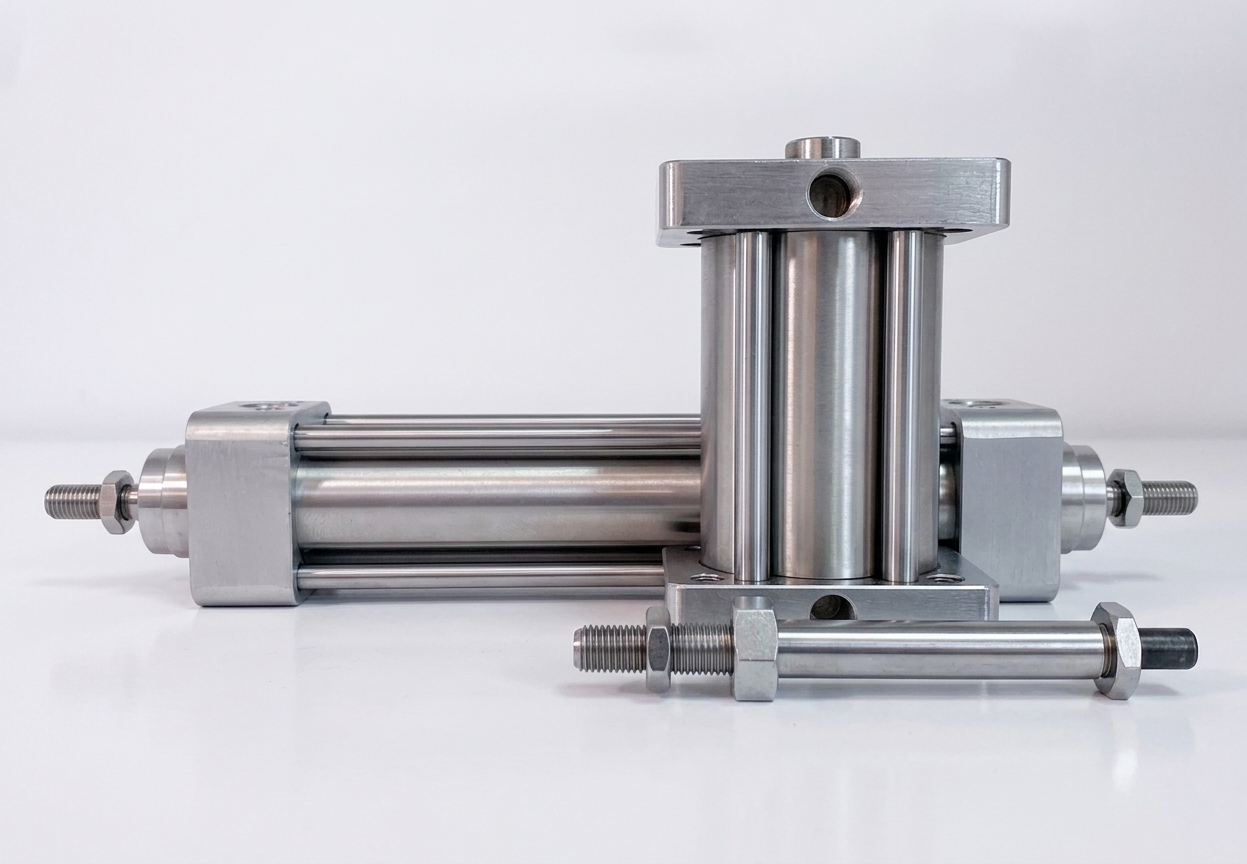
Real-world reference Representative iso standard cylinder
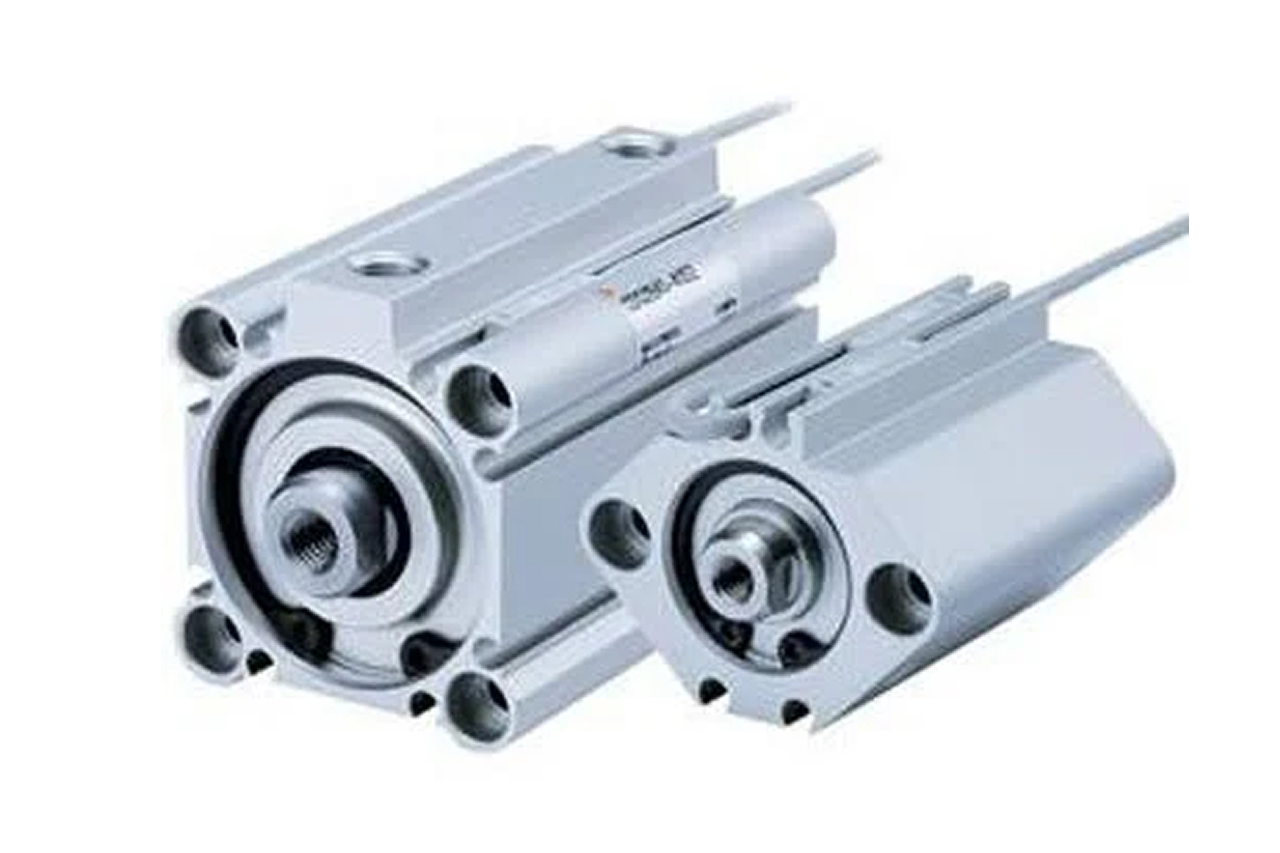
ISO Standard Cylinder — representative product photo
02Why it's needed

Why this matters.

Tips and pointers on when ISO 15552 is the right linear actuator — and when to spec a different cylinder family. Scroll the strip →

01 · Key point
Any brand drops into the mount.

Bore, stroke, mount geometry, and rod-end thread are all fixed by the ISO 15552 standard — any compliant brand swaps into another's mount without re-engineering. One spec, three tiers at three price points on every quote.

02 · Key point
Sensor install is 30 seconds.

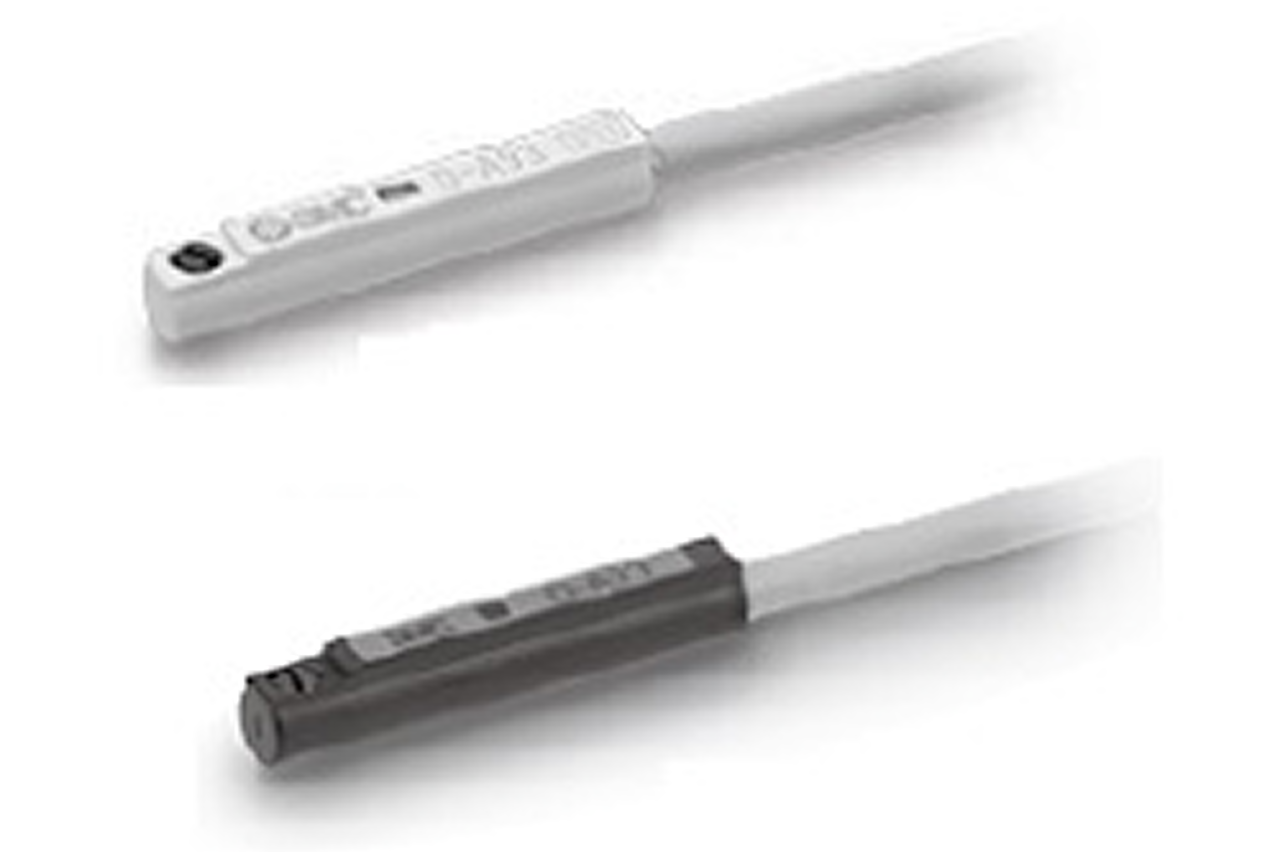
A longitudinal slot in the barrel extrusion accepts magnetic switches with no external bracket. Slide in, set with the cylinder cycling, tighten. The PLC gets extend-confirmed and retract-confirmed without a fabrication project.

03 · Key point
Built for 32-100mm OEM duty.

Extruded aluminum barrel, chrome rod, NBR seals, adjustable air cushion both ends, magnetic piston standard. 50M+ cycles on Industry Leader tier, 10-25M on Emerging tier — the dominant new-build cylinder in modern packaging, assembly, and material handling.

04 · Pro tip
Size bore from force, not habit.

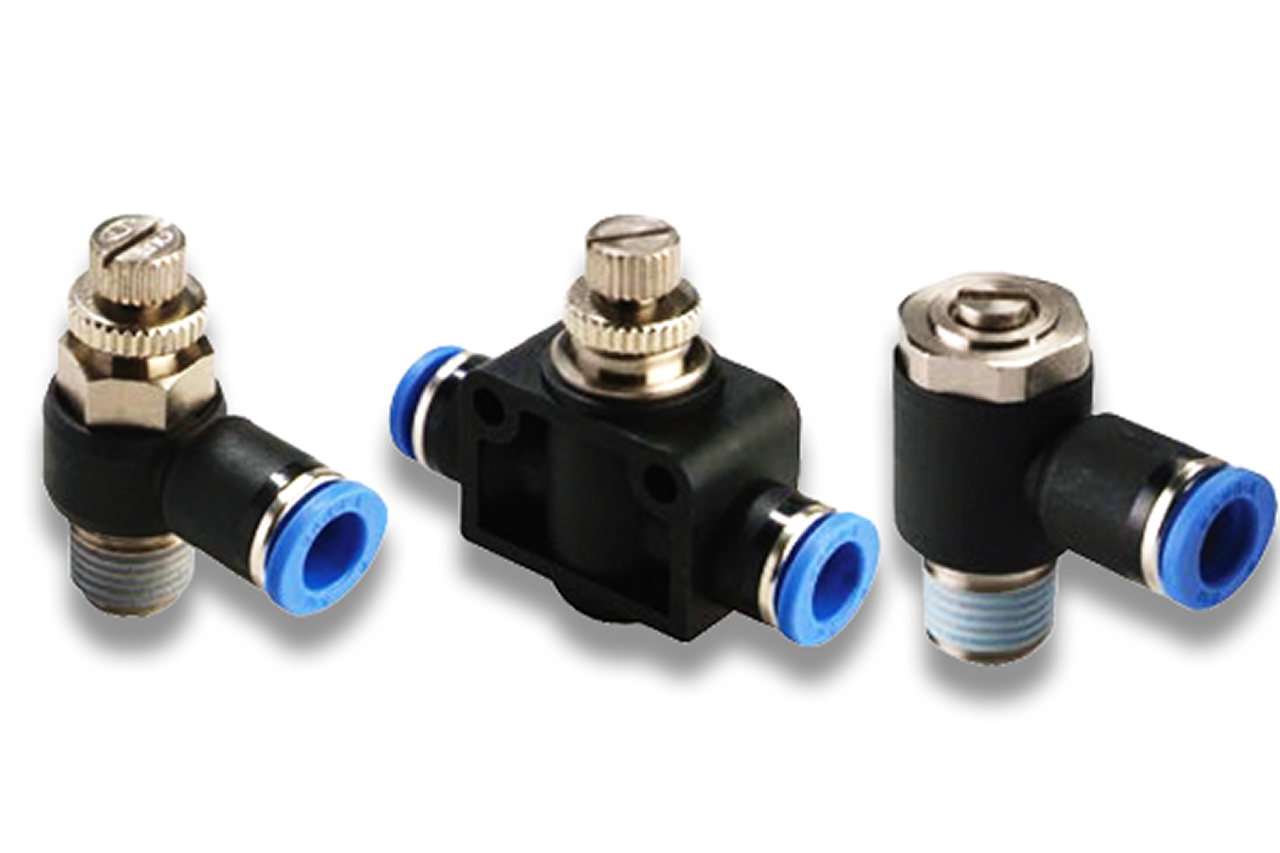
Push force = pressure × piston area. At 80 PSI: 50mm ≈ 245 lbs, 80mm ≈ 625 lbs, 100mm ≈ 975 lbs. Add 25-50% safety factor. Every cylinder sale is also 2 speed controllers + 2 position sensors + a rebuild kit — capture them on the same line.

05 · Where not to use
North American imperial heavy-duty.

Above ~100mm (4") bore or on press / forming / stamping work, the tie-rod construction is the right answer. → Switch to NFPA tie-rod for 1.5"-14" bore, shock loads, and field-rebuildability on installed-base machines.

06 · Where not to use
Long-stroke (600mm+) applications.

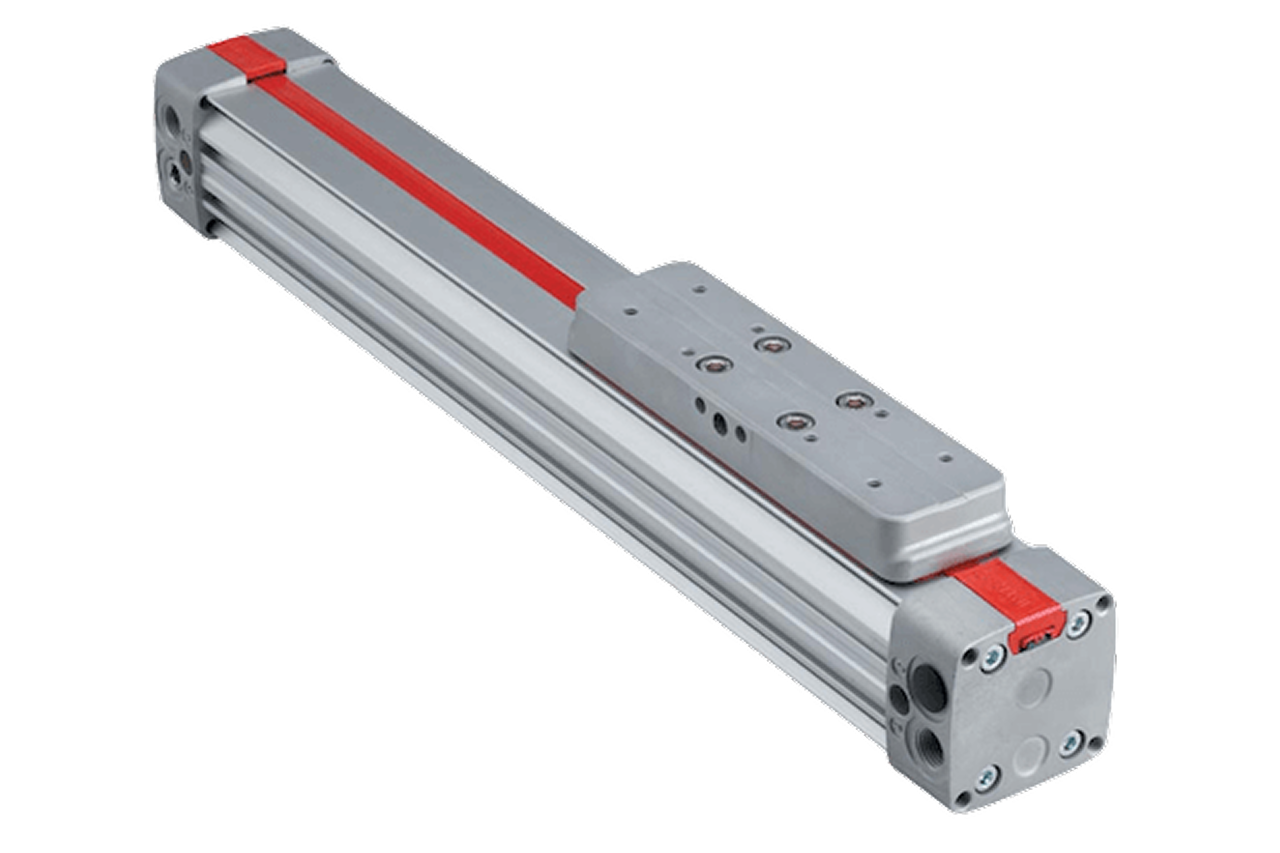
A 1m ISO 15552 needs 2m of installed length — the body has to hold the retracted rod plus a full stroke to extend it. → Re-spec to rodless: external carriage rides the barrel, installed length ≈ stroke length.

07 · Where not to use
Foundry, abrasive, or shock-load.

Standard ISO 15552 in foundry heat, cement dust, or 2-5× shock loading fails at 1/4 to 1/2 service life. → Re-spec to heavy-duty cast with FKM seals and hard-chrome rod when the environment, not the motion, drives the spec.

03Key selection criteria

What we need to spec it right.

From the machine spec sheet → to the part number. Answer what you know — leave the rest blank — and send.

01 · Input
Pull from the load calculation and add a 25-50% safety factor. Push force = pressure × piston area; under-spec and the cylinder stalls.
Push · Pull · Both (double-acting)
02 · Input
Confirm the regulator setting at the machine drop, not the rated maximum. Most plants run 80-90 PSI.
60 PSI · 80 PSI · 100 PSI · 120 PSI
03 · Input
Derived from required force ÷ operating pressure. Larger bore = more force at the same pressure. At 80 PSI: 50mm ≈ 245 lbs, 80mm ≈ 625 lbs, 100mm ≈ 975 lbs.
32 mm · 40 mm · 50 mm · 63 mm · 80 mm · 100 mm · 125 mm
04 · Input
Measure the application travel distance. Cylinder body length ≈ stroke + 100-150mm dead length for end caps and rod gland.
1-100 mm · 100-300 mm · 300-600 mm · >600 mm (consider rodless)
05 · Input
Determined by the machine design and load path. All mount hardware to ISO 15552 — cross-brand interchangeable.
Foot (fixed inline push) · Front / rear flange (through-panel) · Pivot / clevis (arc motion) · Trunnion (mid-stroke pivot)
06 · Input
Pull from how the load attaches. ISO 15552 rod-end threads are standardized by bore — any compliant brand matches.
Male thread · Female thread · Rod-end clevis · Rod-end eye
07 · Input
Get the customer's cycle-time estimate. High speeds (>500 mm/sec) need external shock absorbers; built-in air cushions cover the rest.
<500 mm/sec (cushion sufficient) · 500-1000 mm/sec (external shocks) · >1000 mm/sec (engineered braking)
08 · Input
Confirm with the PLC/control design. Most modern installs need extend AND retract switches — quote 2 per cylinder.
None · Reed (light duty) · Solid-state PNP/NPN · Solid-state + IP67 (washdown)
09 · Input
Standard NBR seals fit clean indoor 35-180°F. Anything else changes the seal/material spec.
Clean indoor · Washdown (IP67 + stainless rod) · High-temp / foundry (FKM seals) · ATEX hazardous
10 · Input
Drives the tier decision. 24/7 high-cycle service needs Industry Leader tier (50M+ cycles); single-shift light duty accepts Economical tier.
Single-shift light duty · Two-shift production · 24/7 continuous
11 · Input
Photo the nameplate. ISO 15552 enables drop-in cross-brand swap — any compliant brand drops into the same mount.
New install · Direct replacement (provide brand/model) · Cross-brand upgrade
12 · Input
Number of cylinders for this configuration. Need different bores or strokes? Add a separate quote line per variant.
1 cylinder · 2-4 (machine set) · 5+ (production fleet)

Need different sizes, colors, or quantities? Fill the form, add to quote, then fill again — each click is one quote line.

04Choose your solution tier  ·  core differentiator

Whatever your lever — spec, value, or price — SPC has the right brand.

Most distributors sell one brand per product type. SPC's 60-brand portfolio means every Product Type page surfaces three real options matched to how your customer is buying today. Pick the tier; the quote desk handles the cross-reference.

05How to sell this  ·  distributor talk track

The tier conversation closes the deal. The cross-reference catalog wins the next one.

ISO 15552 is the sale that turns one quote into a 10-year MRO line.
The SPC difference · how distributors actually buy

The 30-second positioning

Cylinder quoting has two layers: the spec calculation (bore, stroke, mount, switches) and the tier decision (cycle life, brand-spec match, price). Spec calc is mechanical — force ÷ pressure = bore area. Tier is the consultative move.

Tier: Industry Leader tier for new OEM builds where the print specifies a top-tier brand by name — 50M+ cycle life, full accessory line, 24/7-duty rated. Emerging tier for value-tier replacement on the same machine — 10M-25M cycle life, ISO-interchangeable drop-in, same mount and accessory standard, materially lower price. Economical tier for MRO drop-ins on legacy or light-duty equipment.

Spec-sheet substitution is the headline pitch. Most integrator prints call out a specific brand by name; ISO 15552 means SPC can quote any tier against that print without changing the mount or accessories. Customer sees three real options at three price points for the same cylinder spec.

Every cylinder sale is two speed-controllers, two position sensors, and a rebuild-kit MRO line. Capture all four on the cylinder quote — don't let the customer rediscover them from a different vendor two years later.

Customer cue → talk move

"Print specs a top-tier brand by name"
Quote that brand line 1, ISO-interchangeable value-tier line 2
"Need a replacement for an existing cylinder"
Photo the nameplate; any ISO 15552 cylinder drops in — match the tier to the duty
"High cycle rate / 24-7 duty"
Industry Leader tier (50M+ cycles); lower tiers hit limit and recur as failures
"Need position feedback"
Quote cylinder + 2 position sensors on the same line
"Needs to handle a side load"
Non-rotating variant or external linear guide; flag the design issue
"Food contact or washdown"
Stainless / washdown variant; verify NSF for direct food contact
"Hazardous location"
ATEX-certified variant; narrows the tier list
06Where it's used

Industries served.

Each industry below uses this product across the listed areas. Open an industry to see how it fits the rest of its system.
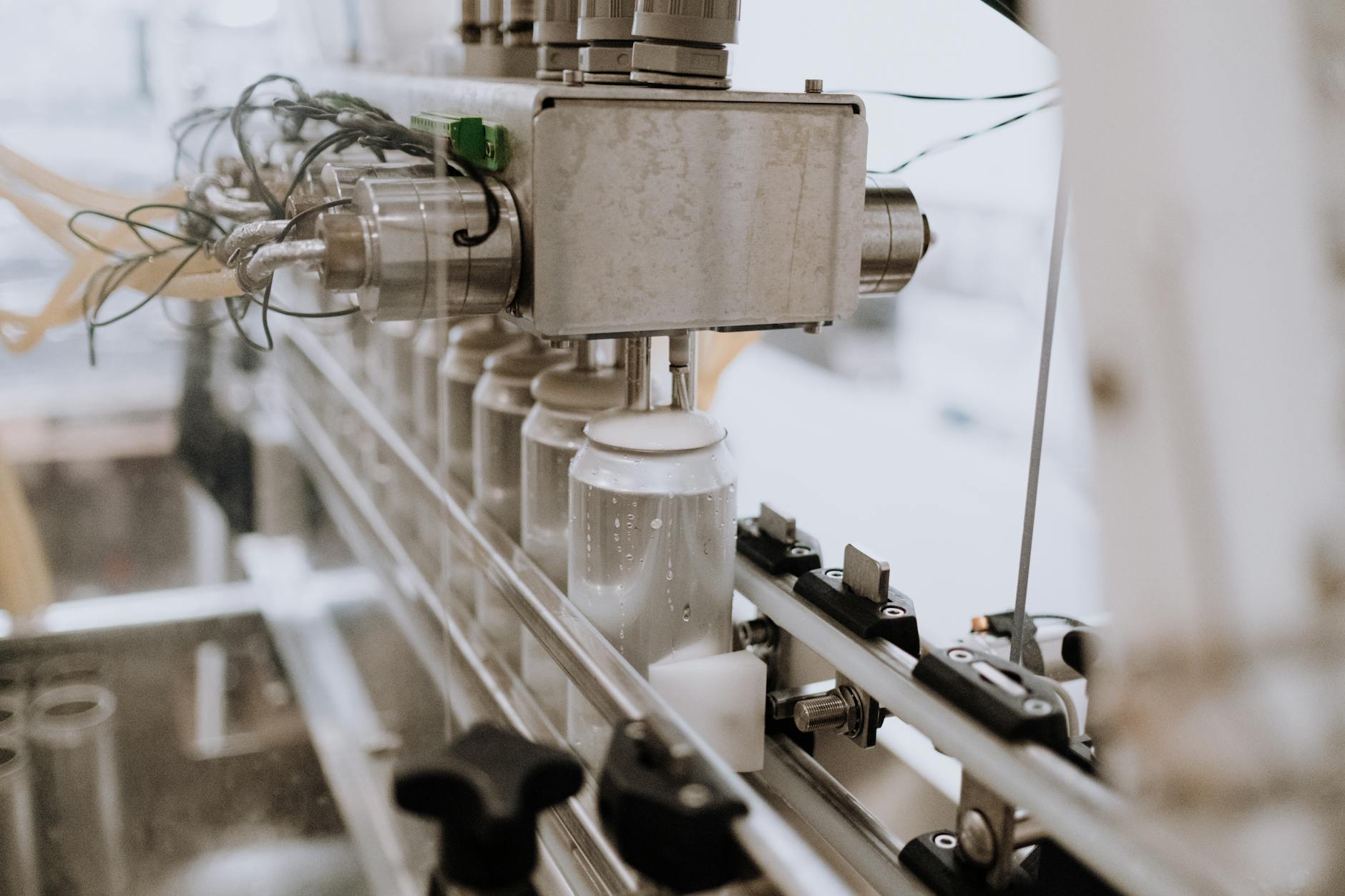
Also applies to OEM automation — general-purpose mid-bore actuation · Replacement on legacy machines · Hazardous-location equipment · Test stands & lab equipment · Robotic auxiliary axes & pneumatic clamps

09Install · 6 critical steps

The things that matter on the first install.

Step 01
Calculate force-bore BEFORE ordering
Required push force ÷ (operating pressure × piston area) = bore. Add 25-50% safety factor. Push at 80 PSI: 50mm ≈ 245 lbs, 80mm ≈ 625 lbs, 100mm ≈ 975 lbs, 125mm ≈ 1,525 lbs. Pull force is ~80% of push (rod displaces piston area on retract).
Step 02
Match mount style to the load path
Foot for fixed inline pushes. Flange for through-panel installs. Pivot/clevis for arc-motion loads. Trunnion for mid-stroke pivot. All to ISO 15552 — hardware crosses brands without modification.
Step 03
Install switches LAST, after stroke is verified
Switches drop into the longitudinal slot and slide along the barrel. Set them with the cylinder cycled at operating speed, not by static measurement. The piston magnet position relative to the switch determines trigger; static setup almost always needs live-cycle adjustment.
Step 04
Adjust cushions under load
ISO 15552 ships with adjustable air-cushion at both ends. Set the cushion with the actual load attached and cycling at operating pressure; cushions that look right empty will hammer or bounce under load.
Step 05
Set speed with flow control, not the regulator
Regulator sets pressure (force). Flow control on the exhaust port sets speed. Lowering pressure to slow a cylinder starves the force budget and creates erratic motion — always set speed at the exhaust flow control with full operating pressure on the supply.
Step 06
Plan the rebuild-kit reorder at install
Standard NBR seals run 3-5 years on continuous duty; FKM (fluorocarbon rubber for high-temp/chemical service) seals for hot or chemical service run shorter. Document the rebuild-kit part number on the cylinder or in the MRO system — finding the right kit two years later from the cylinder model alone is a real lookup nightmare.
10Troubleshoot · top failures

Most returns trace to one of these causes.

Symptom
Most likely cause
Fix
Cylinder strokes but with reduced force; load won't reach setpoint
Three possibilities in order of likelihood — supply pressure below spec (most common), rod seal bypassing internally (5+ years on continuous duty), or cylinder undersized for actual load (RFQ used continuous force, not peak surge).
Check supply pressure at the cylinder inlet under load first. If pressure is right, leak-test by pressurizing one chamber and listening at the opposite port for bypass. If pressure and seals check out, resize.
Magnetic switch triggers intermittently or drifts
Switch slid out of position in the slot (most common on vibrating equipment), piston magnet weakened (rare, after 20M+ cycles), or switch itself failing (water ingress on washdown installs).
Cycle the cylinder slowly and watch the switch trigger LED; if position drifted, re-clamp. If position is right but trigger intermittent, replace the switch (cheaper than diagnosing further) and verify wiring at the PLC.
Cylinder slams hard at end of stroke; cushion not absorbing
Cushion screw set wide open (full bypass), cushion seal worn (air bypassing the cushion chamber), or load/velocity exceeds cushion rating.
Close cushion screw progressively. If full-closed cushion doesn't help, cushion seal is gone — rebuild kit. If a properly cushioned cylinder still hammers, the application needs an external shock absorber, not a bigger cushion.
Stroke shorter than ordered; cylinder won't extend fully
Cushion over-tightened to mechanical stop, debris lodged in cushion chamber, or over-stroke damage from a previous install.
Back out both cushion screws fully and test stroke. If full stroke returns, re-set cushions. If still short, disassemble for inspection.
Rod-end oil weeping after recent commissioning
Lubricator upstream metering oil into the air, collecting at the rod-seal interface. Modern cylinders are non-lubricated-rated; the lubricator shouldn't be there.
Verify whether the equipment actually needs the lubricator (almost certainly doesn't). If non-lubed, remove or bypass it. If lubricator is required for other downstream tools, install a separate non-lubed drop for the cylinder.

Get the right iso standard cylinder on quote in 24 hours.

Send us the application — a specialist routes you to the correct tier with a configured part. Lead-times and pricing returned within one business day.

Request a quote