DISTRIBUTOR-FIRST SUPPLY PARTNER · SINCE 1999 Live · Pneumatic Automation System

A rodless cylinder is a linear actuator with no extending piston rod — an external carriage rides along the outside of the barrel, coupled to the internal piston either magnetically or through a sealed stainless band. Because nothing projects beyond the barrel ends, the cylinder occupies roughly its own body length rather than nearly double that length when a conventional rod is fully extended. That saves close to one full stroke of installed space, making rodless the answer for long-stroke linear motion in space-constrained installs: gantry transfer systems, pick-and-place axes, packaging-line transfer slides, material-handling shuttles. The carriage carries the working load directly, so carriage load capacity and moment loading — not just rod force — are central sizing parameters.
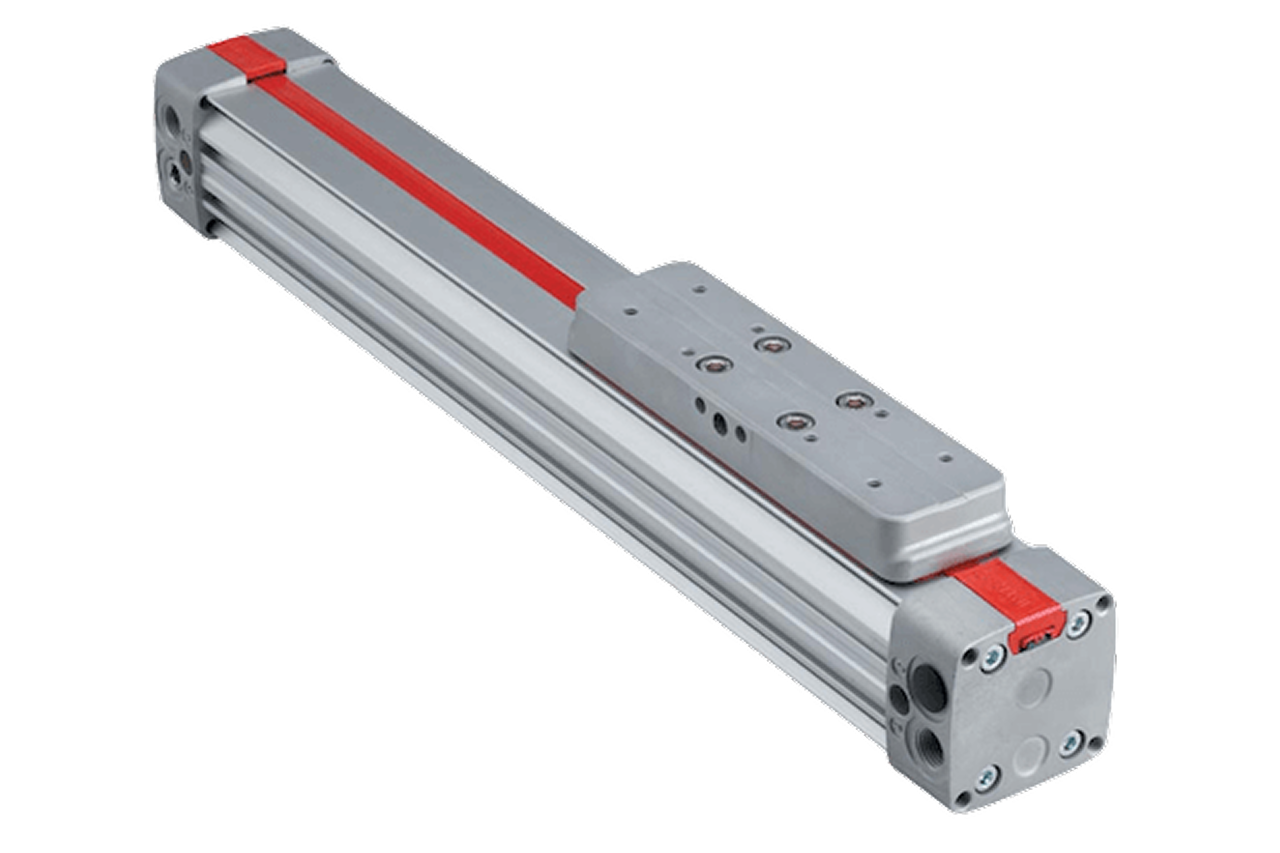
Tips and pointers on when rodless is the right long-stroke cylinder — and when a rod-style or electric actuator is the better call. Scroll the strip →
An external carriage rides the outside of the barrel — no extending rod. 1m of stroke = 1m of installed length, not 2m. The only practical answer above 600mm and the dominant family for gantry transfers, pick-and-place axes, and long packaging-line slides.
Magnetically coupled rodless uses a magnet ring through the sealed barrel wall — no slot, no leak path. The right answer for clean-room, food-contact, vacuum-chamber, or semiconductor wafer handling where any air escape to atmosphere is unacceptable.
Sealed-band rodless uses a stainless band that lifts at the carriage and re-seals behind — direct mechanical coupling, no breakaway risk, higher force than magnetic. Small inherent leak rate; correct for general industrial gantries and material handling.
Force-bore math drives propulsion; carriage load + moment loading (torque around each axis) + acceleration drive bearing geometry. Pick: basic + external guide, slide-bearing (light), ball-bearing (medium), or high-rigidity guided (heavy). Strokes over 1.5m need mid-span barrel support — quote the brackets.
Rodless is over-spec'd, harder to switch-integrate, and more expensive than rod-style at short stroke. → Switch to ISO 15552 under 300mm; ISO is rebuildable, has cleaner sensor integration, and costs less.
Load exceeding the magnetic coupling's rated breakaway force decouples the carriage from the piston mid-stroke — drops the load. → Switch to band-coupled for higher force, or upsize the bore to push breakaway above the worst-case dynamic load.
Rodless does fast end-to-end pneumatic motion — not programmable position profiles, not closed-loop servo control. → Switch to an electric actuator when the application needs mid-stroke positioning, repeatable position recipes, or servo feedback.
From the machine spec sheet → to the part number. Answer what you know — leave the rest blank — and send.
Most distributors sell one brand per product type. SPC's 60-brand portfolio means every Product Type page surfaces three real options matched to how your customer is buying today. Pick the tier; the quote desk handles the cross-reference.
Rodless is the long-stroke answer. Whenever the customer says I need 600mm or more of travel, rodless is the cylinder family. The sizing isn't just force-bore math — carriage load and moment matter as much as the pneumatic spec.
Each industry below uses this product across the listed areas. Open an industry to see how it fits the rest of its system.
 Food & Beverage Processing →
  Pharmaceutical, Medical Device & Laboratory →
 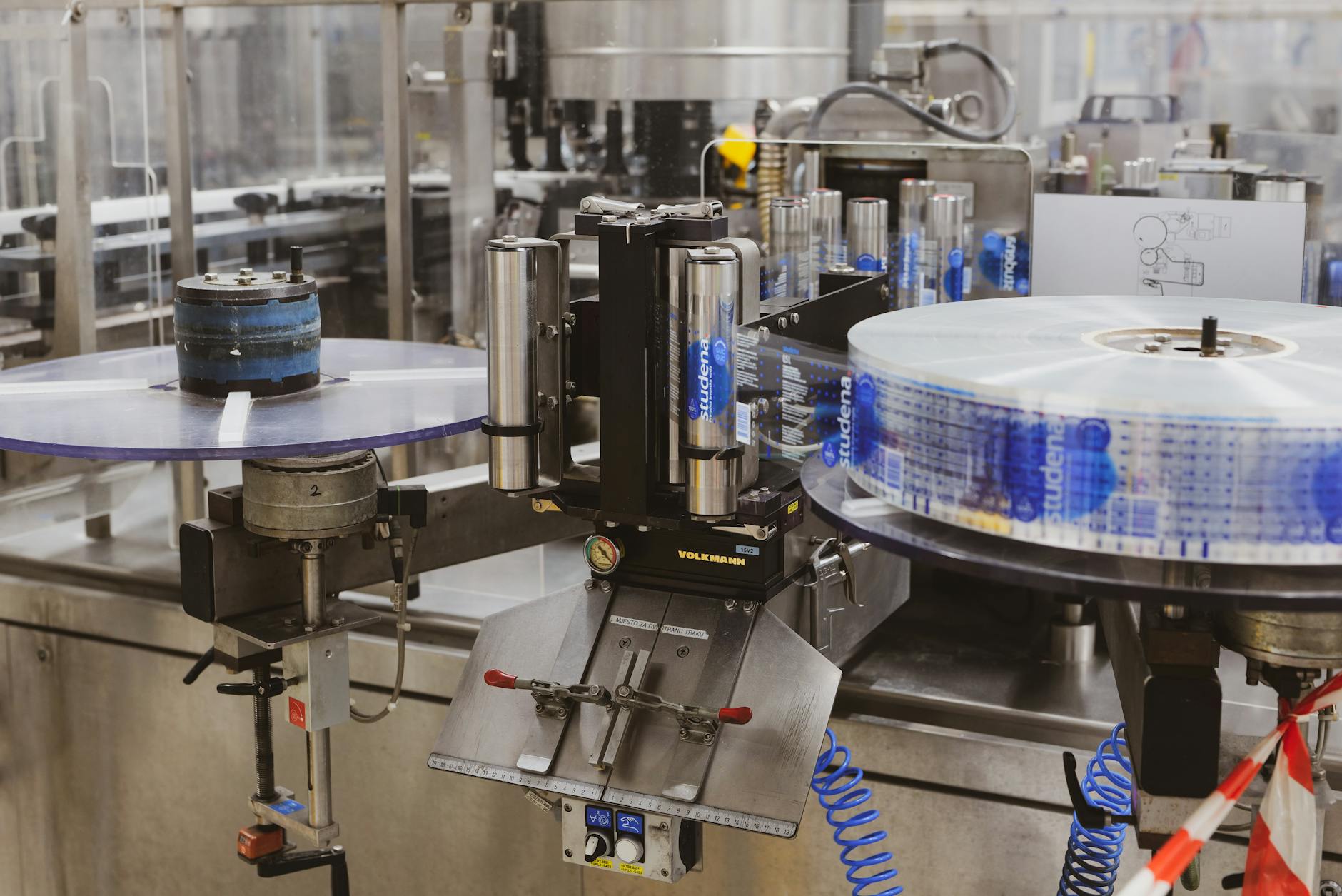 Packaging & Printing →
  Metalworking & Fabrication →
 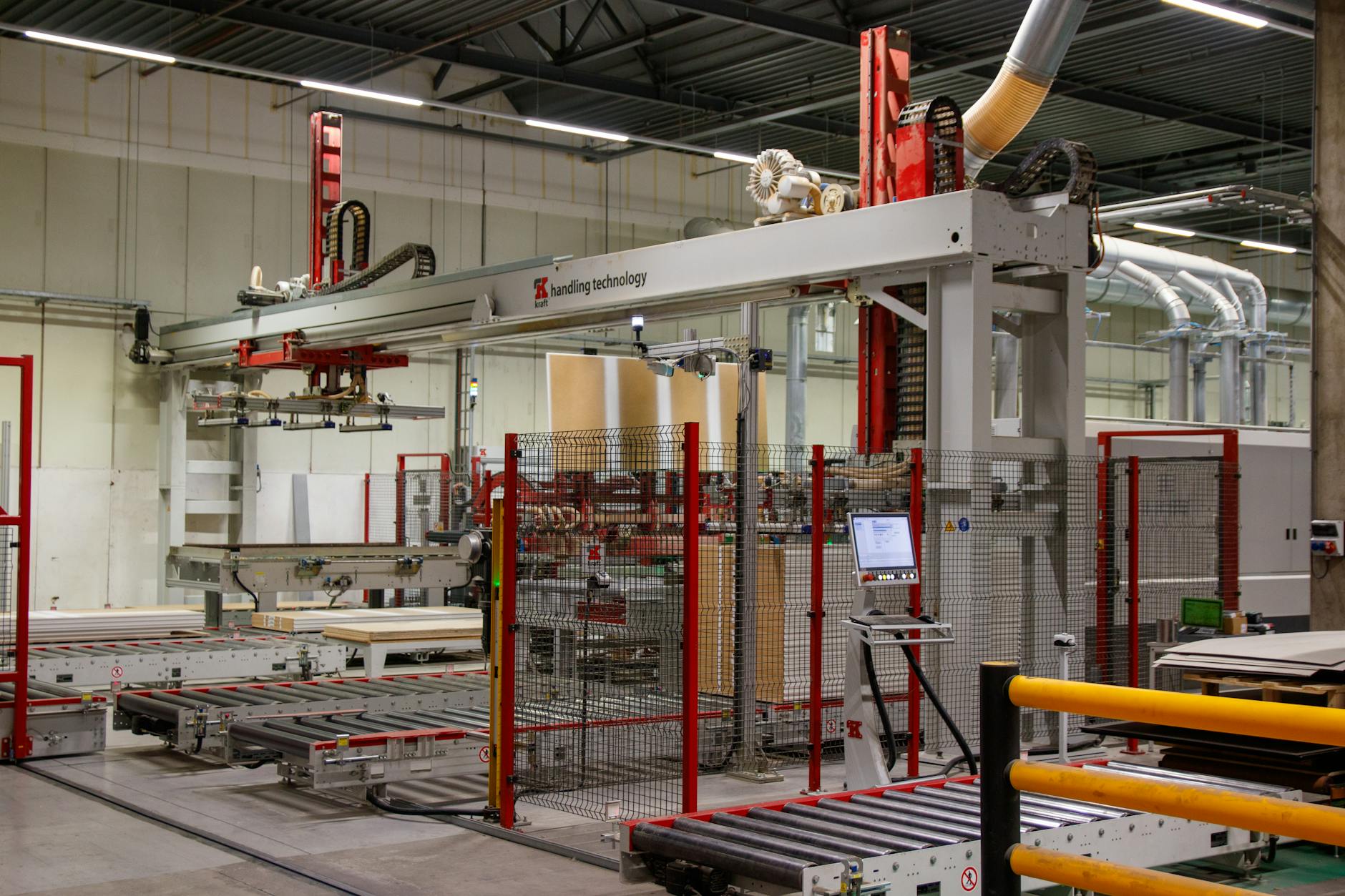 Material Handling & Conveyors →
 Also applies to The largest install application · Long-travel pick-and-place axes · Magnetically coupled · Vacuum-environment automation
Every entry is a real product on this site — linked, not just named. Quote them on the same line item.
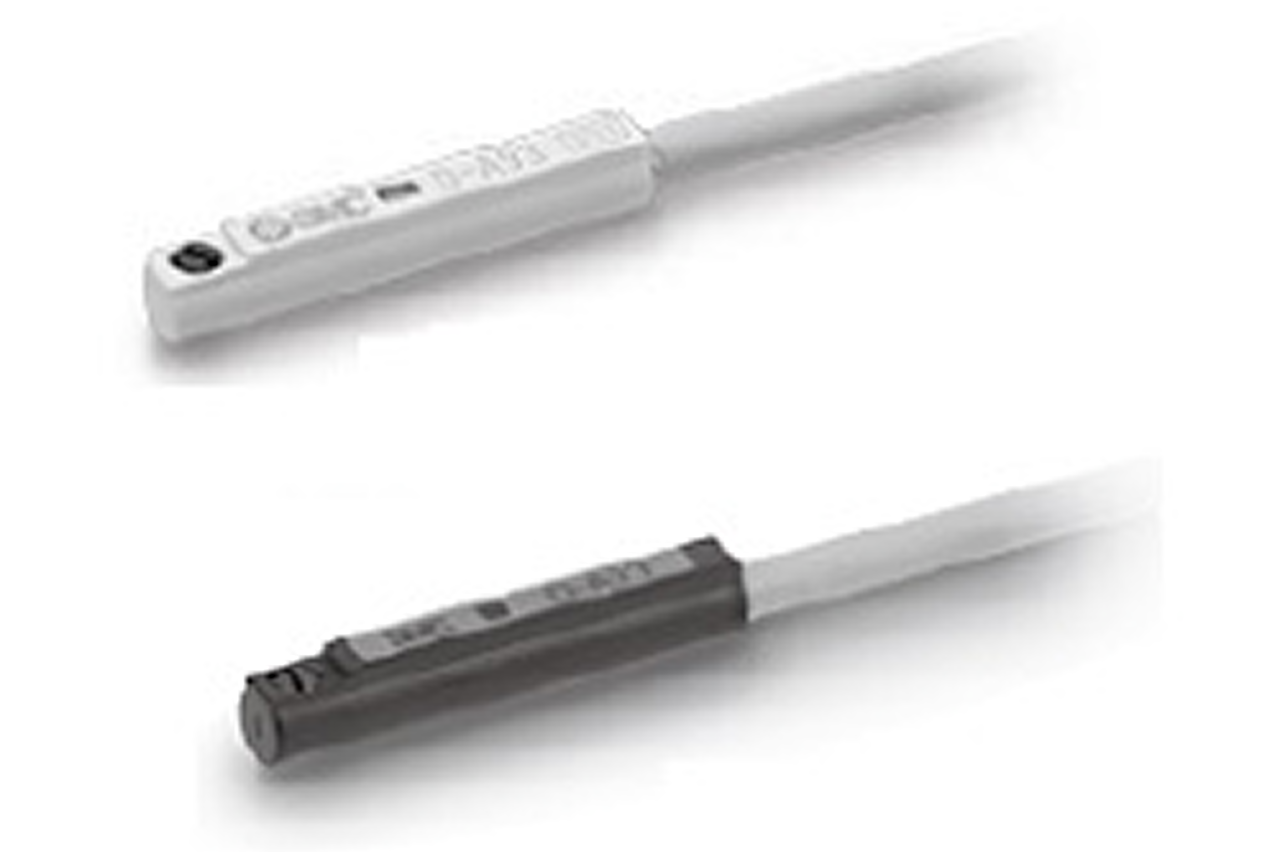
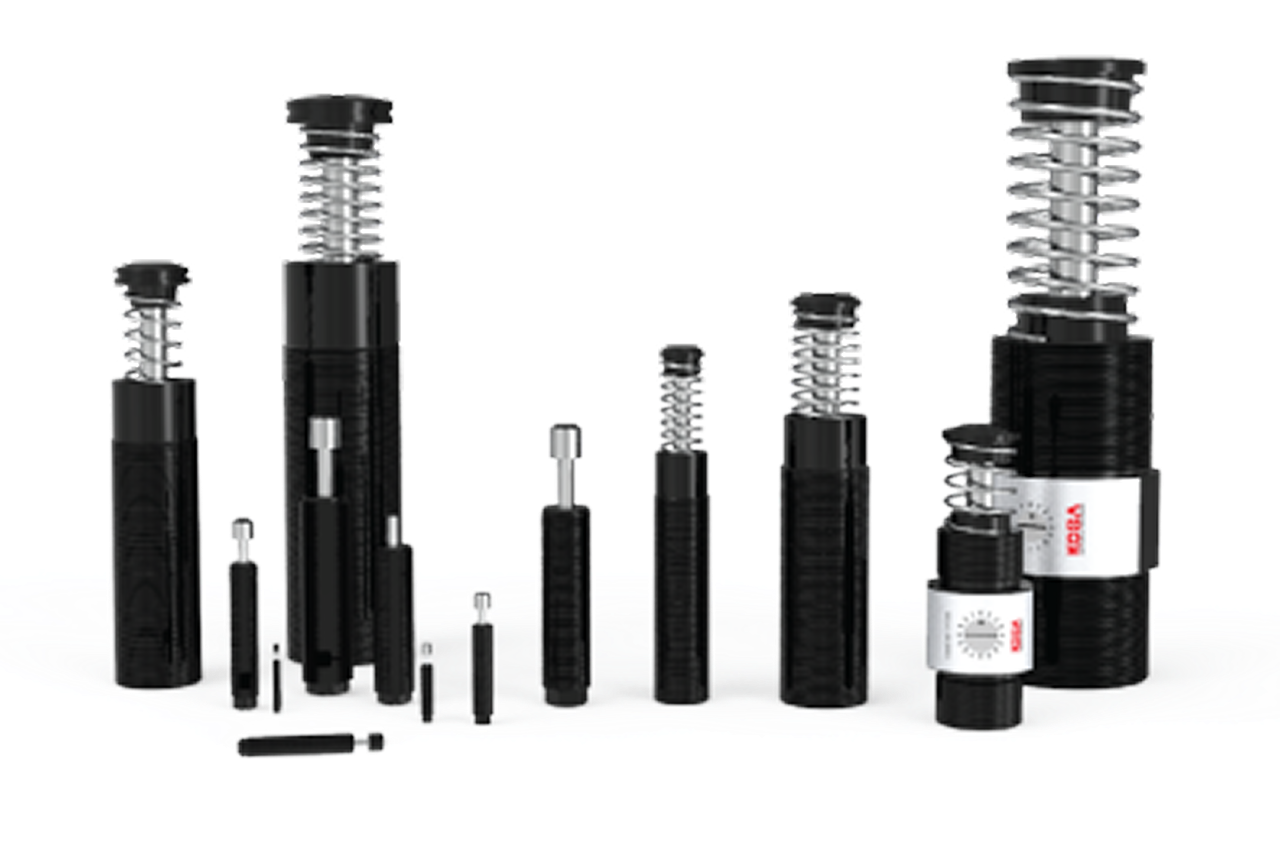
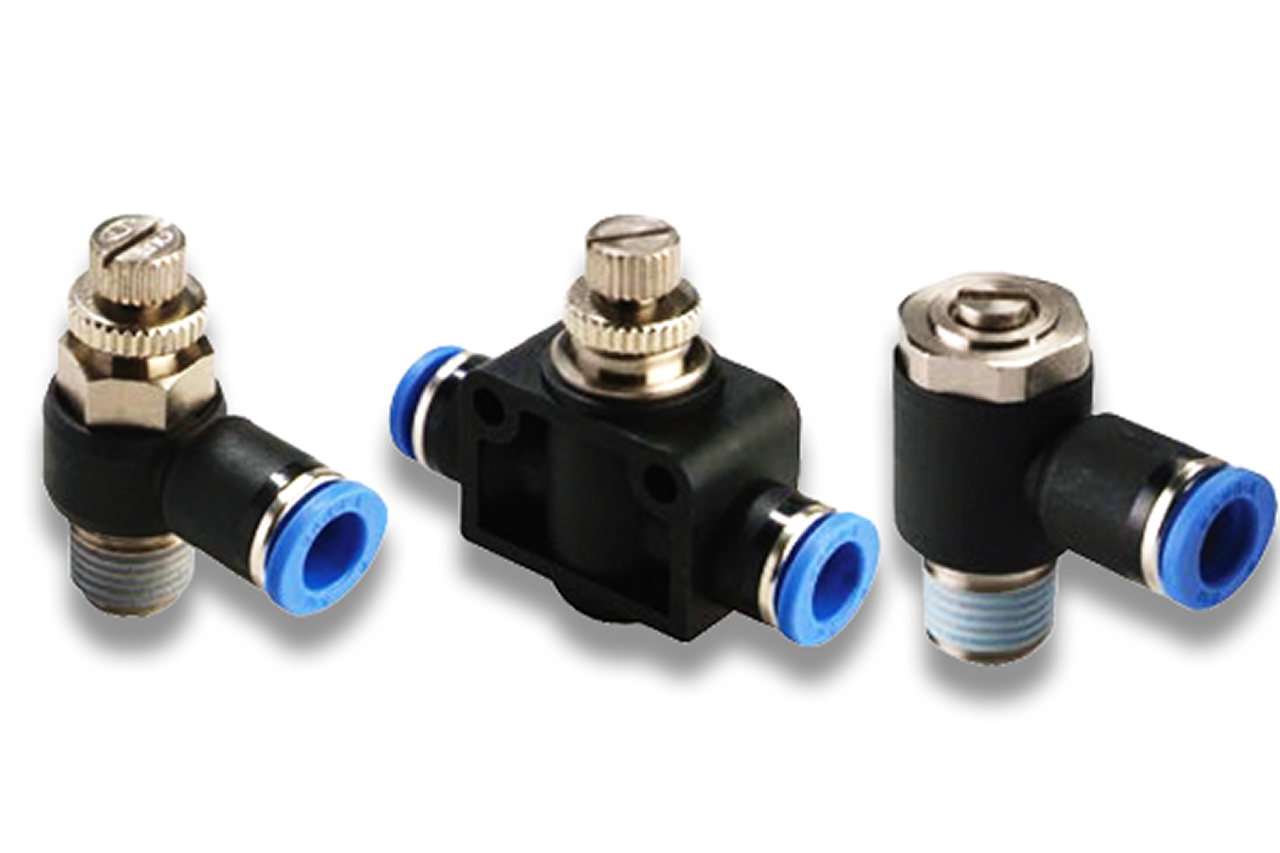
O) sets cylinder speed by throttling the exhaust air. On rodless, speed control matters even more — the carriage is carrying live load and acceleration must be smooth.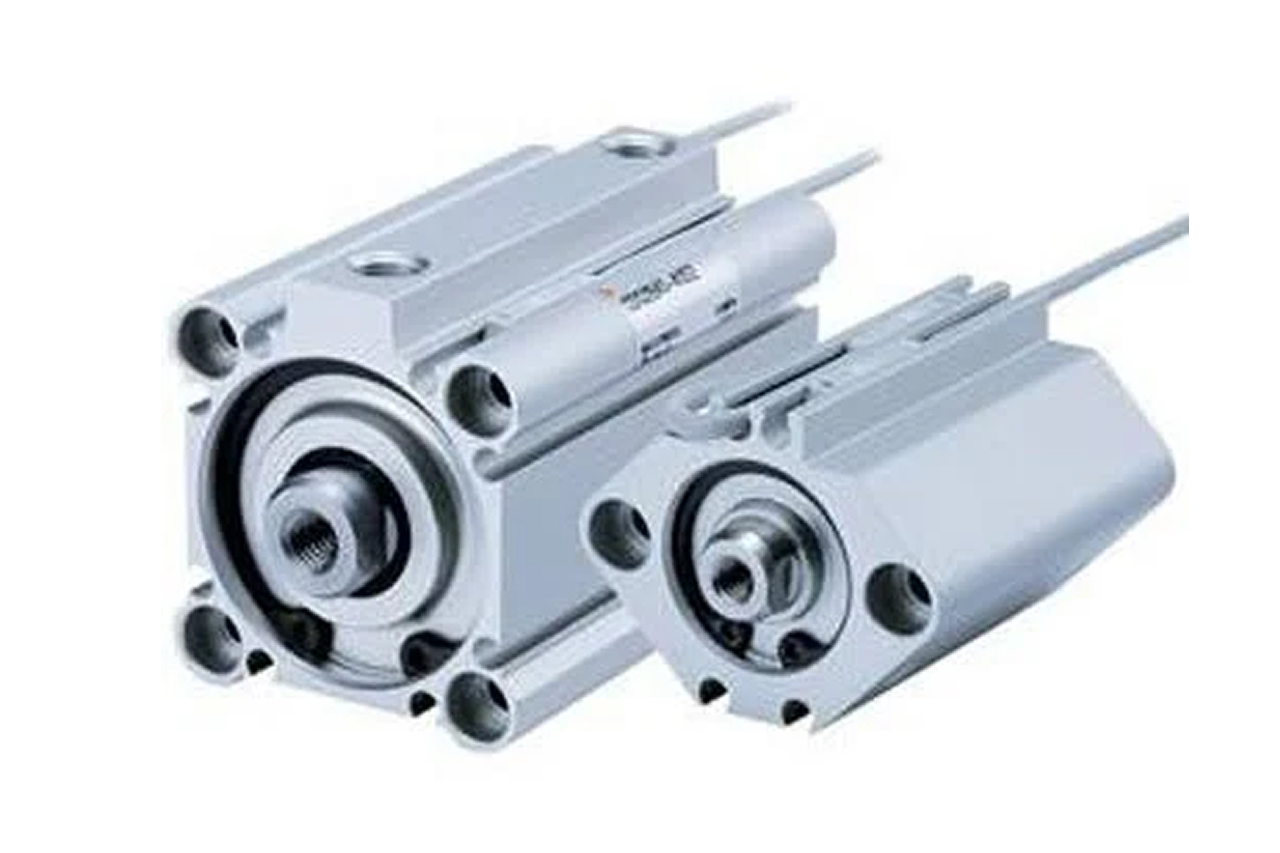
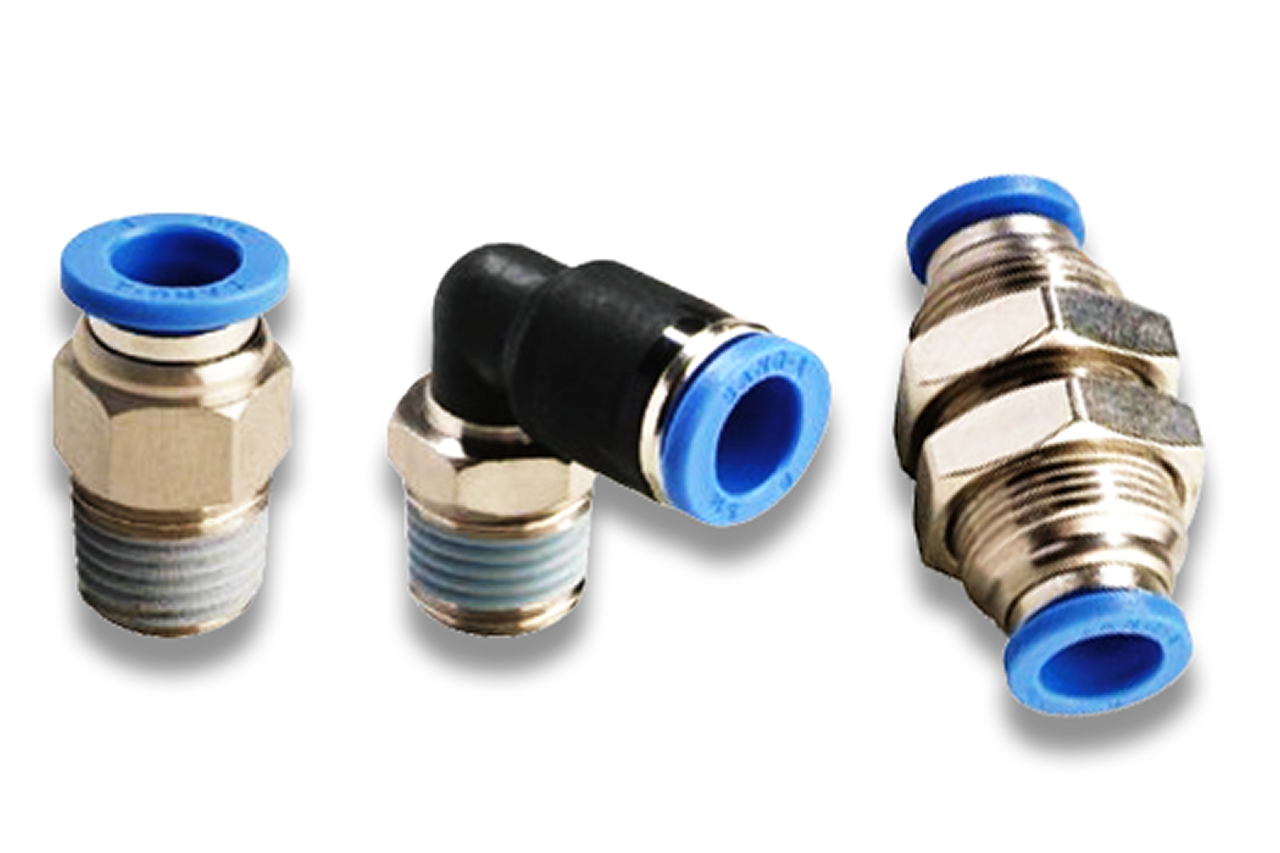
Stock the replacement-band kit (band-coupled) or carriage-bearing service kit (integrated-guide) on the customer's MRO shelf at original sale. Service life is 50-100M cycles on Industry Leader tier; planned replacement before sticky-stroke symptoms in production is the right service approach.
Send us the application — a specialist routes you to the correct tier with a configured part. Lead-times and pricing returned within one business day.
—. We reply within one business day with pricing, lead-time, and configured parts.