DISTRIBUTOR-FIRST SUPPLY PARTNER · SINCE 1999 Live · Product System

SPC Company
Industry Leader · SMC Emerging · AIGNEP
01What it is

Cylinder Rebuild Kit

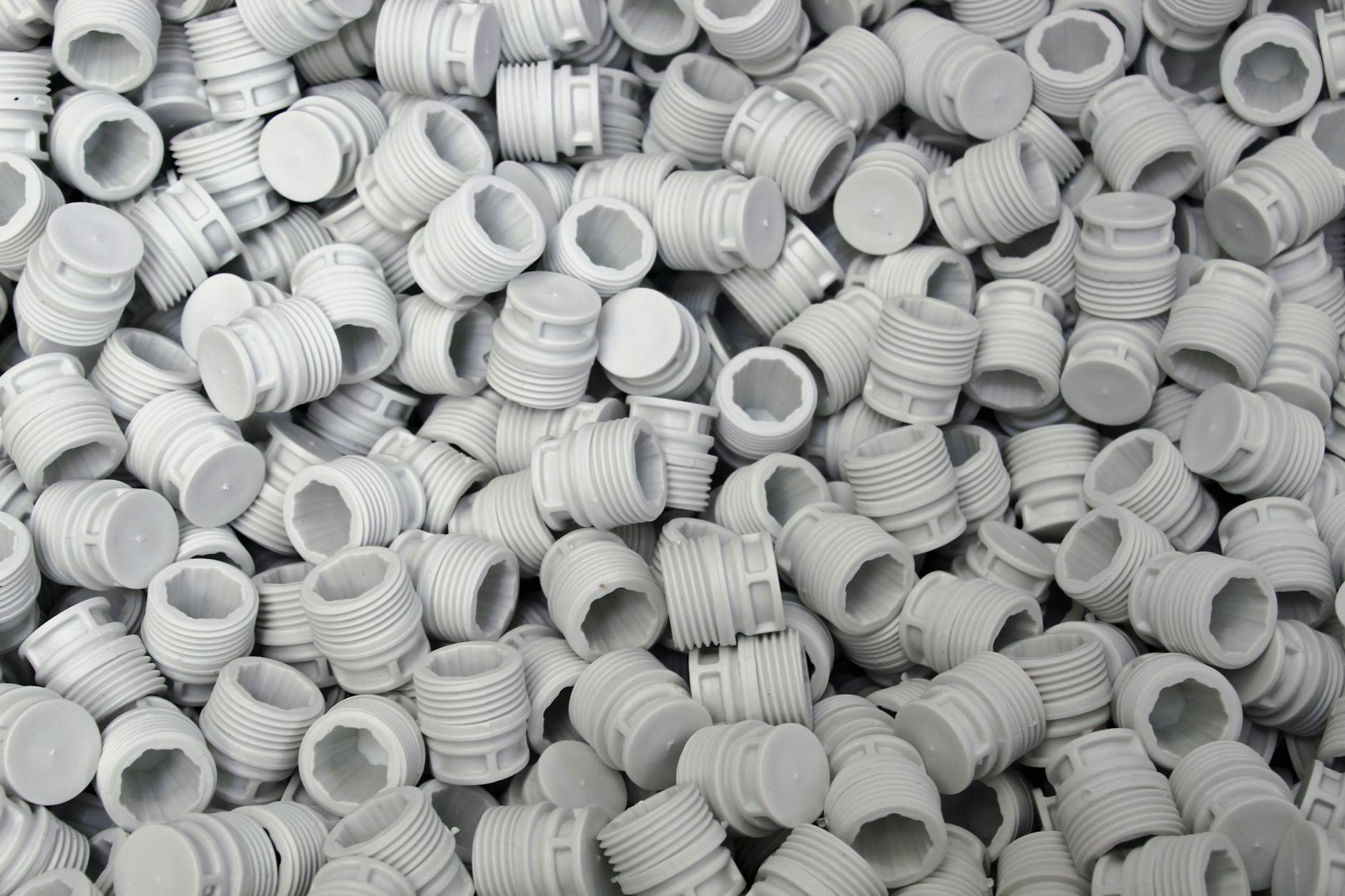
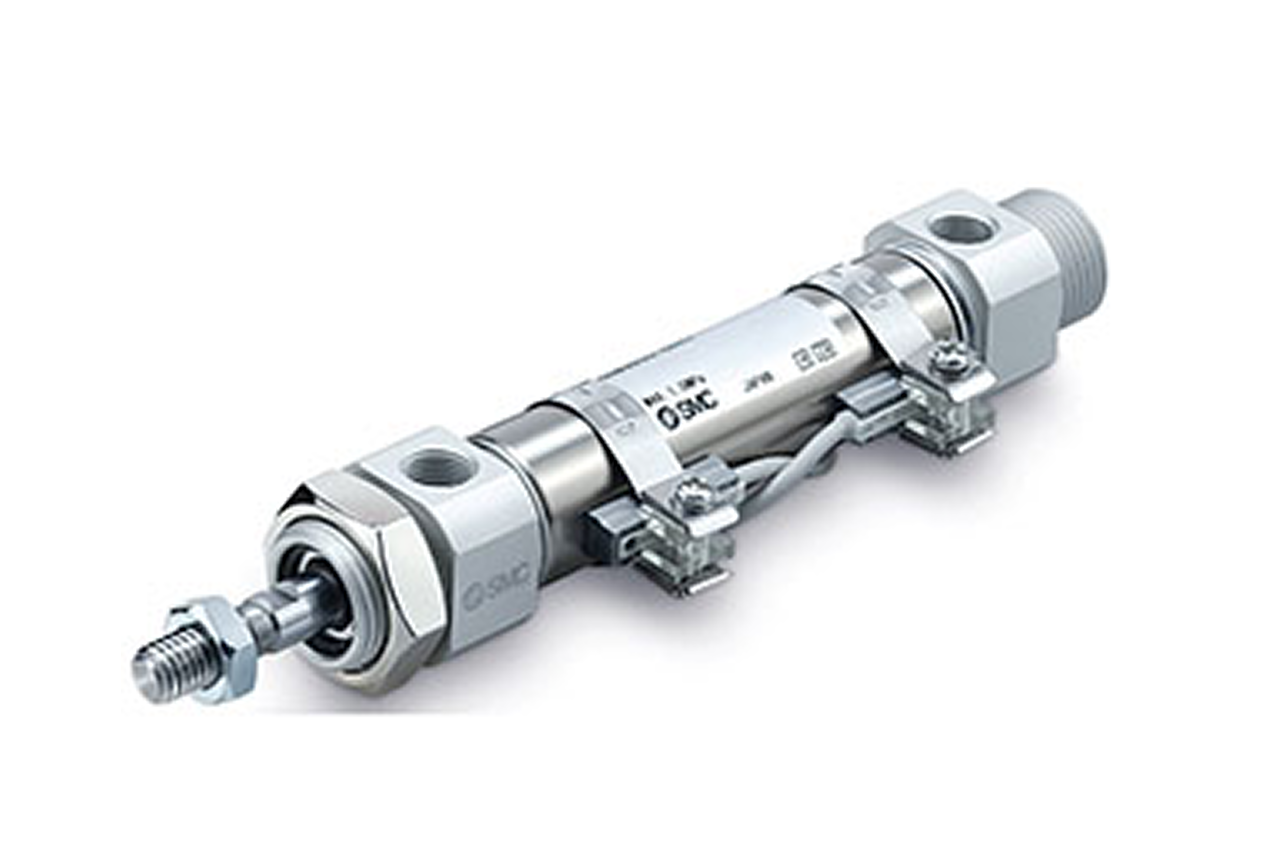
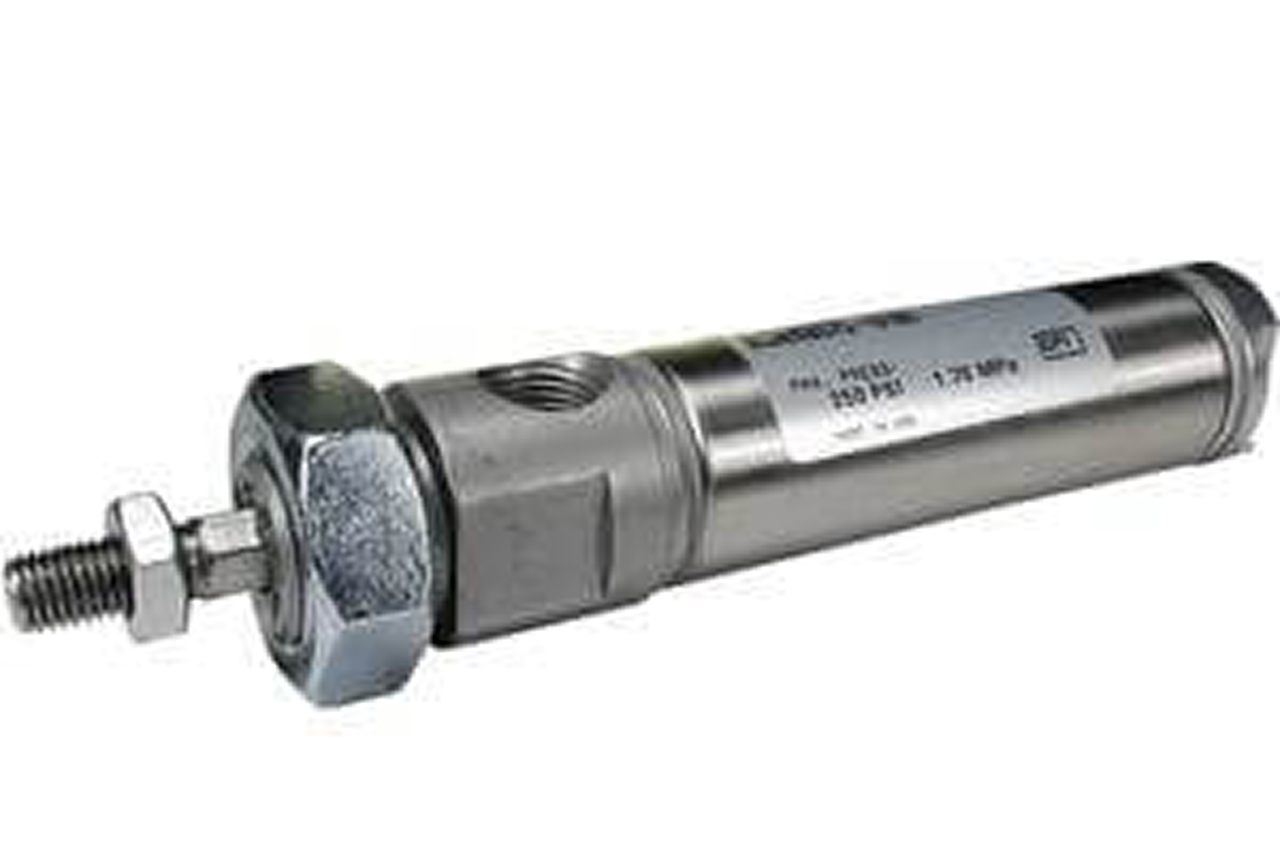
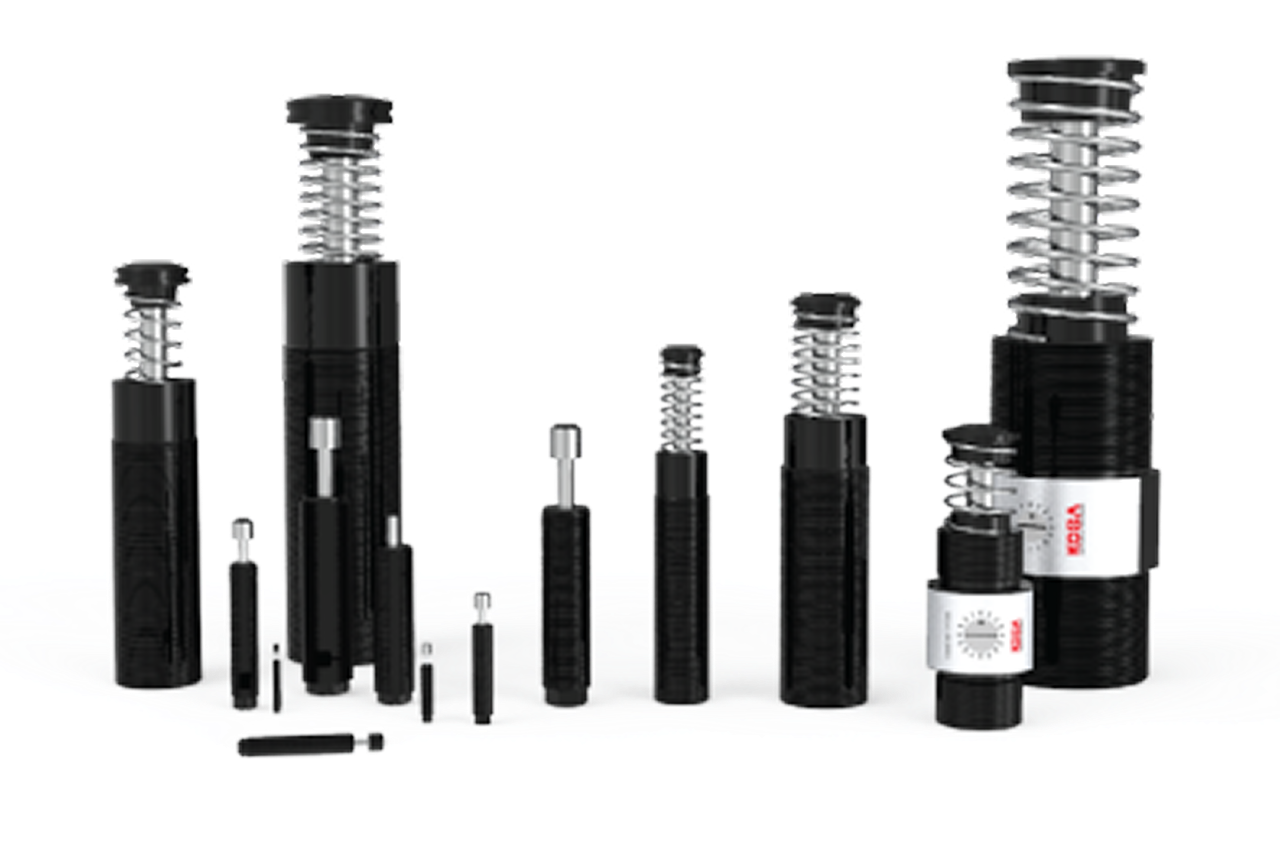
A cylinder rebuild kit is the manufacturer's set of rod seals, piston seals, and wear parts that restores a pneumatic cylinder leaking past its seals — returning it to service instead of scrapping it. When a cylinder loses output force, leaks air past the rod, or weeps at an end cap, the bore and rod are usually still sound; the dynamic seals have worn. A rebuild kit addresses exactly that. Cylinder seal wear has a common accelerant worth surfacing on every quote: a cylinder run without end-of-stroke protection slams its internal stops and abuses its seals far faster than one fitted with shock absorbers or cushioning. A rebuild kit therefore often pairs naturally with a shock absorber recommendation — fix the symptom, then remove the cause. Rebuild kits are recurring MRO items and a natural standing-PO line for plants with cylinder-heavy automation.
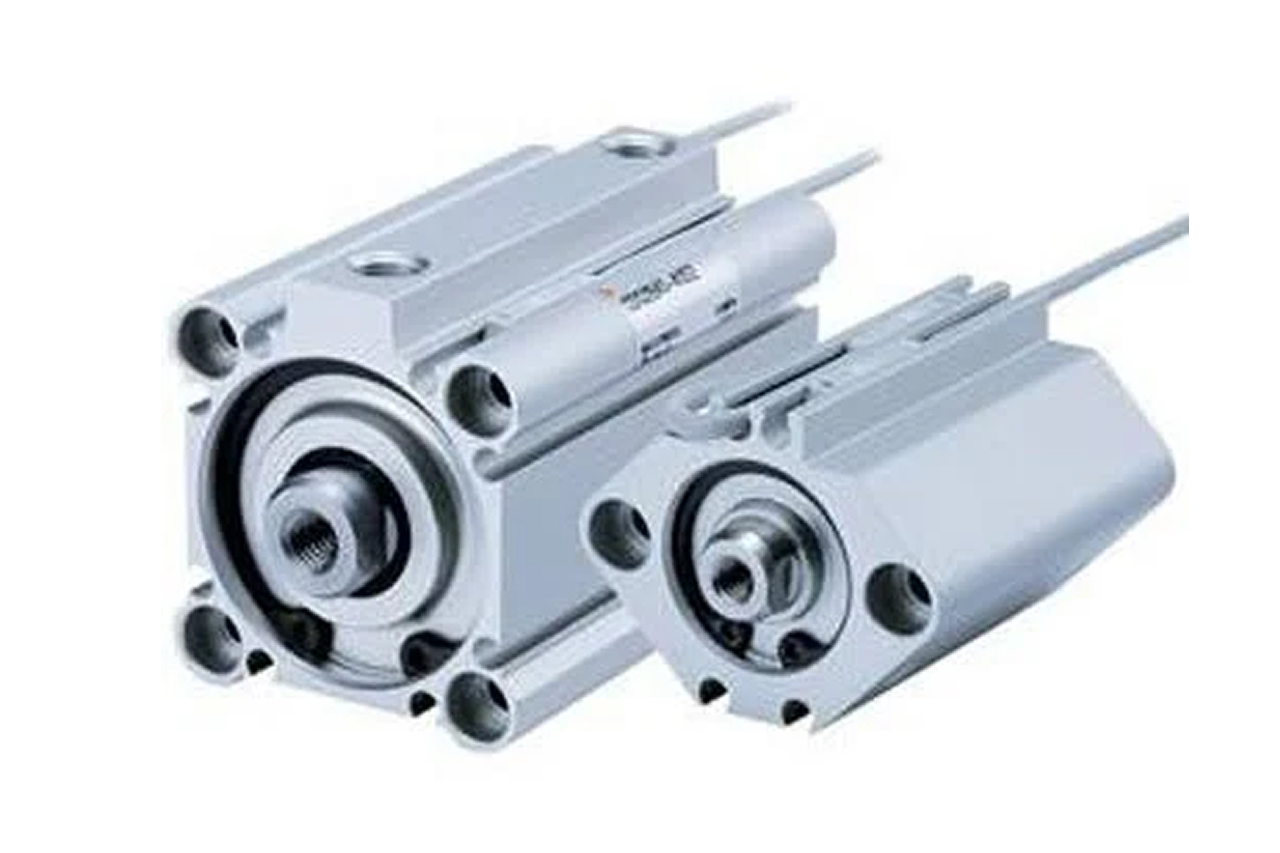
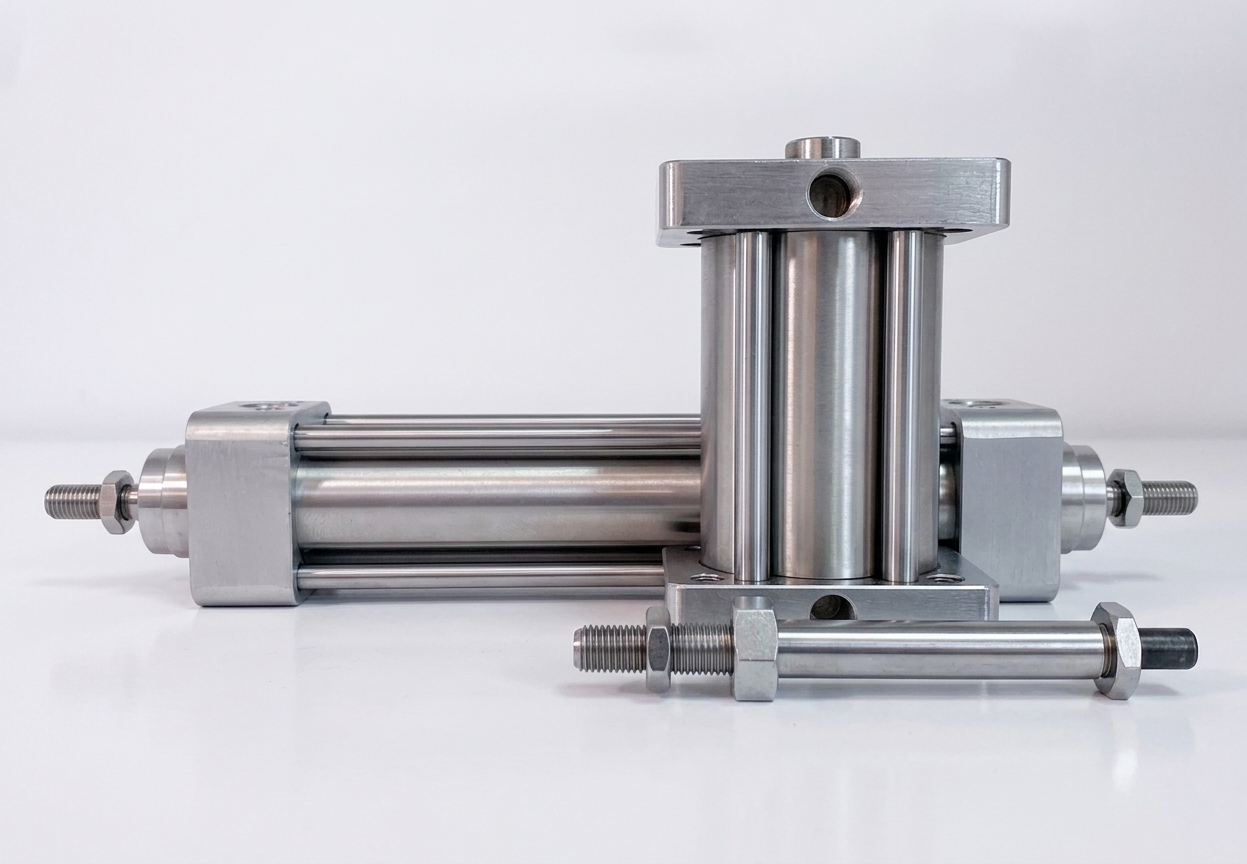
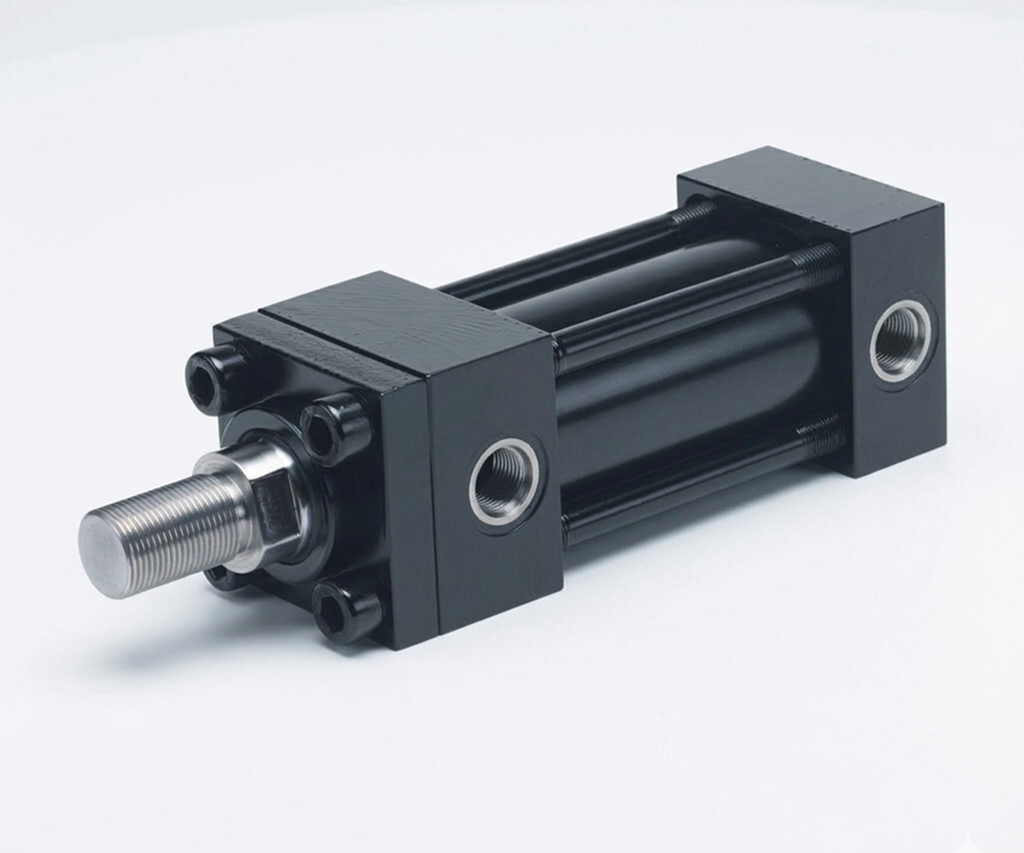
Real-world reference Representative cylinder rebuild kit
Cylinder Rebuild Kit — representative product photo
02Why it's needed

Why this matters.

Tips and pointers on when a rebuild kit is the right move — and when the cylinder itself needs replacing or a root cause needs fixing. Scroll the strip →

01 · Key point
Extends cylinder life 20-30 years.

Most cylinder failures are seal failures, not cylinder failures — body, bore, rod, and piston outlast multiple seal kits. 30-60 minutes of labor + a fraction of new-cylinder cost puts the cylinder back in service for another 5-7 years; defaulting to "send a new one" overspends 3-5×.

02 · Key point
High-volume MRO line.

A plant with 200 rebuildable cylinders generates 30-50 kits/year on routine 3-7 year cadence. Capture install count at original cylinder sale, stamp the kit part number on the cylinder or in MRO, and the reorder line runs on calendar instead of break-fix.

03 · Key point
Seal grade matches the chemistry.

NBR (standard nitrile) for general indoor service. FKM (fluorocarbon rubber, ~400°F) for foundry / heat-treat / chemical. PFPE / FFKM for extreme. Severe-service kits are NOT NBR-interchangeable — match what was originally installed unless the environment has changed.

04 · Pro tip
Sell the kit + the root cause.

Premature seal failure traces to missing shock absorbers (end-of-stroke abuse), contaminated air (failed dryer, oil carryover), or side-load on a standard cylinder. Quote the kit AND the corrective action — a heavy-duty adjustable shock absorber, air-quality audit, or guided-cylinder re-spec. Otherwise you sell the same kit in 18 months.

05 · Where not to use
Compact and sealed-construction cylinders.

Compact cylinders, dedicated non-rotating sealed designs, and most sealed crimped-construction cylinders are NOT rebuildable — labor exceeds the new-cylinder price. → Quote a replacement; don't spend service hours hunting kits that don't exist.

06 · Where not to use
Scored bore or bent rod.

Light scoring is acceptable; deep scoring means the seal can't seat against the bore. A bent rod, cracked end cap, or 3+ prior rebuilds = end of cylinder life. → New cylinder + first rebuild kit at install; the kit can't fix structural damage.

07 · Where not to use
Cross-brand or wrong-series kits.

Kits are NOT interchangeable across brands — even on dimensionally similar cylinders, seal dimensions and gland geometries differ. → Read the cylinder nameplate (brand + series + model + bore + stroke); service call to ID the cylinder is worth the hour vs. shipping the wrong kit.

03Key selection criteria

What we need to spec it right.

From the machine spec sheet → to the part number. Answer what you know — leave the rest blank — and send.

01 · Input
The #1 qualifier. Don't spend time hunting kits on non-rebuildable cylinders — quote a replacement instead.
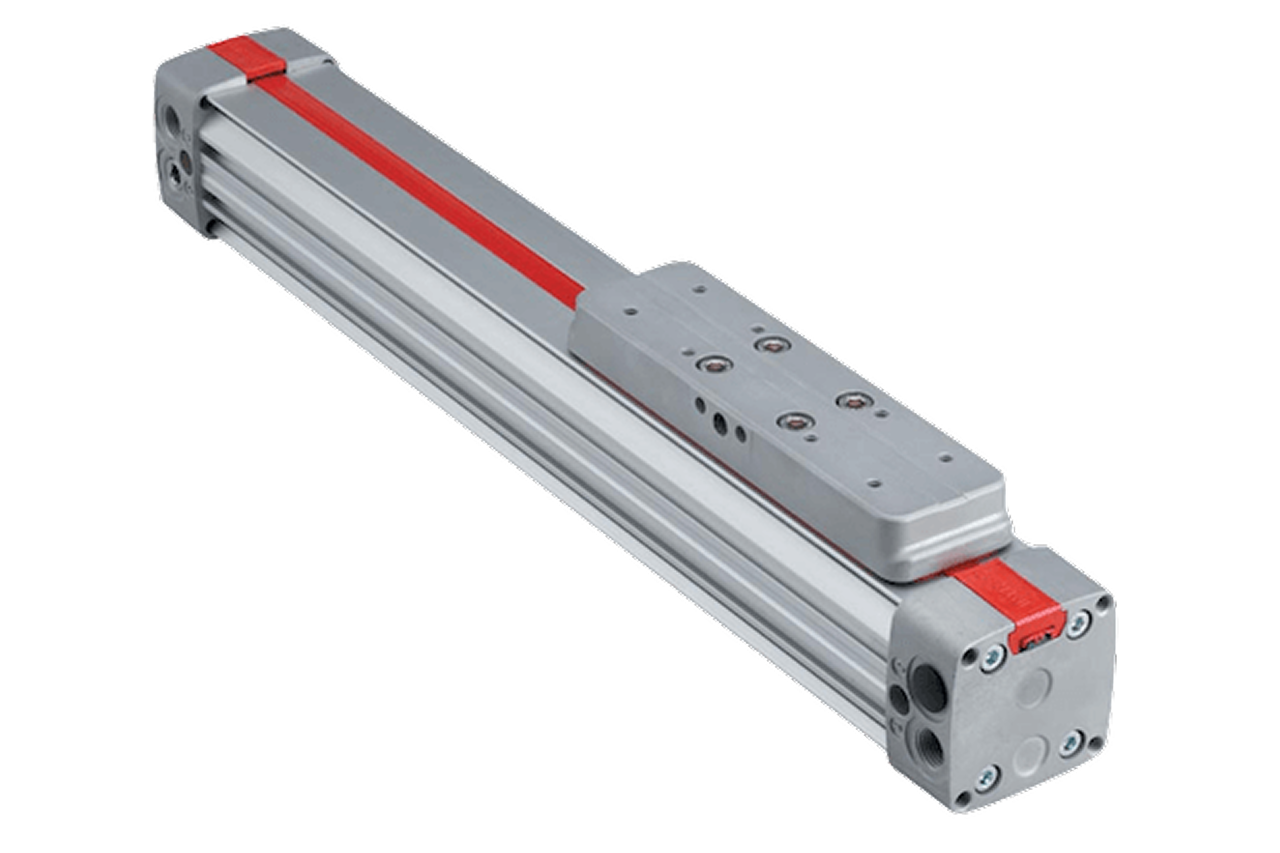
ISO 15552 (rebuildable) · NFPA tie-rod (rebuildable) · Heavy-duty cast (rebuildable) · Rodless (rebuildable) · Compact / dedicated non-rotating / sealed crimped (NOT rebuildable → quote replacement)
02 · Input
Kits are NOT cross-brand interchangeable even on dimensionally similar cylinders. Read the nameplate; service call to ID an illegible nameplate is worth the hour.
Brand · Series · Model number
03 · Input
Kit contents are bore-specific; stroke and mount may sub-select within a series. Pull from the cylinder nameplate, original sales order, or MRO records.
Bore · Stroke · Mount style
04 · Input
Each construction carries a different seal set. Cushioned variants add cushion seals that the non-cushioned kit omits.
Tie-rod · Round-body · Rodless (includes band) · Non-rotating · Cushioned · Non-cushioned
05 · Input
Match what was originally installed unless the environment has changed. Severe-service kits are NOT NBR-interchangeable.
NBR (standard nitrile, general indoor) · FKM (fluorocarbon rubber, high-temp / chemical, ~400°F) · PFPE / FFKM (extreme, >400°F) · FDA-grade (food contact)
06 · Input
Diagnoses rebuild vs. replacement. Bore scoring = end of life; recurring failures = systemic root cause needs fixing alongside the kit.
Rod leak · Lost force · End-cap weep · End-of-stroke hammer (add shock absorber) · Recurring failure (audit air quality / side load)
07 · Input
Count affected cylinders plus the installed fleet for proactive PM stocking. Continuous duty = 3-7 yr cycle; severe-service = 3-5 yr; light duty = 8-12 yr. Need multiple seal grades or cylinder series? Add a separate quote line per kit type.
1 kit (single rebuild) · 2-5 (machine refresh) · 6-25 (line program) · 25+ (plant-wide PM stock)

Need different sizes, colors, or quantities? Fill the form, add to quote, then fill again — each click is one quote line.

04Choose your solution tier  ·  core differentiator

Whatever your lever — spec, value, or price — SPC has the right brand.

Most distributors sell one brand per product type. SPC's 60-brand portfolio means every Product Type page surfaces three real options matched to how your customer is buying today. Pick the tier; the quote desk handles the cross-reference.

05How to sell this  ·  distributor talk track

The tier conversation closes the deal. The cross-reference catalog wins the next one.

Rebuild kits are the symptom fix. The customer's real cylinder budget lives in the root cause — usually a missing shock absorber, contaminated air, or a side-load application that should be guided. Sell the kit, fix the cause, own the cylinder relationship.
The SPC difference · how distributors actually buy

The 30-second positioning

Rebuild kit quoting is high-volume MRO work that compounds across the customer's installed cylinder fleet. Every rebuildable cylinder is a future kit reorder on a 3-7 year cycle, with multiple rebuilds across the cylinder's 20-30 year body life. A plant with 200 rebuildable cylinders generates 30-50 kits per year on routine cadence. Per-kit margin is moderate but the line is exceptionally stable once captured into the MRO reorder system.

Confirm rebuildable before quoting. ISO 15552, NFPA tie-rod, heavy-duty cast, most rodless = rebuildable. Compact, dedicated non-rotating sealed designs, most sealed crimped-construction designs = NOT rebuildable; quote a replacement instead. Don't spend time hunting kits on non-rebuildable cylinders.

Get the exact cylinder identifier. Brand, series, model, bore, stroke, mount style. Kits are NOT cross-brand interchangeable even on dimensionally similar cylinders — seal dimensions and gland geometries differ. Read the nameplate; service call if the nameplate is unreadable.

Match seal material to the environment. NBR for standard service. FKM (fluorocarbon rubber) for high-temperature or chemical. PFPE/FFKM for extreme. Match what was originally installed unless the environment has changed since original install.

Diagnose the failure mode and surface the root cause. Sell the kit AND the corrective action — shock absorber, air-quality audit, application redesign.

Tier: OEM-genuine (SMC, Parker, Bimba, AIGNEP) is the no-question call for warranty-sensitive customers, premium-tier OEM-spec'd machines, and any cylinder still under OEM warranty. Quality aftermarket cross-reference at 40-60% of OEM cost on legacy / cost-driven work past OEM warranty. Avoid low-tier imports — seal-material and dimensional variance is significant, and the cost of premature re-failure or cylinder contamination exceeds the savings.

Customer cue → talk move

"Cylinder leaking at the rod"
Get brand, series, model, bore, stroke. Quote OEM-genuine first, aftermarket equivalent second. Diagnose root cause for the surrounding conversation.
"Same cylinder rebuilt every 12-18 months"
Root cause not addressed. Quote the kit AND the corrective action (shock absorber, air quality, guided-cylinder re-spec).
"Plant-wide rebuild program"
MRO bulk-stock play. Quote a year's kits sized to fleet rebuild cadence. Stock at MRO shelf.
"High-temperature environment"
FKM (fluorocarbon rubber) seal kit. Verify cylinder body is rated for the temperature.
"Chemical-vapor or washdown"
FKM for general chemical; PFPE/FFKM for extreme. Rod and body coating also need to be corrosion-resistant.
"Compact cylinder leaking"
Push back. Compact cylinders are NOT rebuildable — labor exceeds the new-cylinder price. Quote a replacement.
"Don't know the cylinder model"
Site walk to read the nameplate. Worth a service hour to get the right kit.
"Customer wants the cheapest available"
Quality aftermarket cross-reference (40-60% of OEM) is the lowest defensible price; don't go below.
06Where it's used

Industries served.

Each industry below uses this product across the listed areas. Open an industry to see how it fits the rest of its system.
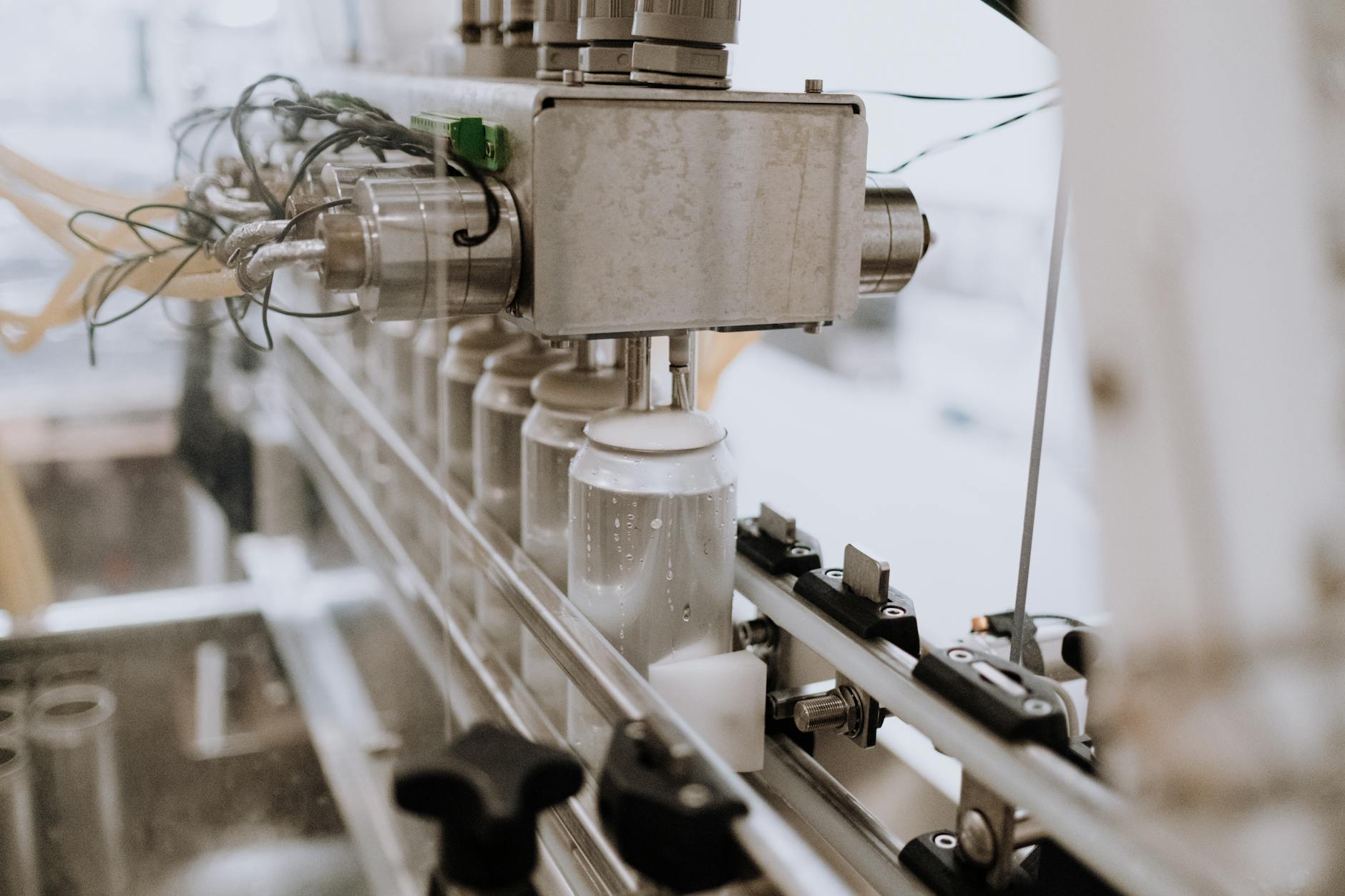
Also applies to Routine PM on rebuildable production cylinders · 3-7 year intervals · Reactive service on cylinders showing failure symptoms · Plant-wide rebuild programs on legacy machines · Environmental upgrades during rebuild · Cross-reference aftermarket on legacy cylinders

09Install · 7 critical steps

The things that matter on the first install.

Step 01
Identify the cylinder exactly before ordering
Brand, series, model number, bore, stroke, mount style. Pull from the cylinder nameplate, the original sales order, or the customer's MRO records. Kits are NOT cross-brand or cross-series interchangeable; ordering wrong wastes the customer's service window AND the kit cost.
Step 02
Diagnose the failure mode before quoting
Rod leak with sound bore = standard kit. Rod leak with rod scoring = kit + rod replacement. Banging at end of stroke = kit + heavy-duty adjustable shock absorber recommendation. Premature failure on previous kit = kit + air-quality audit. Document the failure mode for future service planning.
Step 03
Match seal material to the operating environment
NBR for standard general industrial service. FKM (fluorocarbon rubber) for high-temperature or chemical service. PFPE/FFKM for extreme chemical or temperatures above 400°F. Match what was originally installed — unless the environment has changed since original install, in which case upgrade the kit grade.
Step 04
Depressurize and lock out before rebuilding
Stop the cylinder at home position, vent all pressure to atmosphere, lock out and tag out the electrical and air supply. Opening a cylinder under pressure risks operator injury — even after the regulator is closed, the cylinder volume can retain pressure unless explicitly vented. Verify zero pressure with a gauge before opening.
Step 05
Disassemble in star pattern, inspect, clean
Loosen tie-rod nuts (NFPA) or end-cap bolts (ISO 15552) in star pattern to avoid distorting the assembly. Remove end caps, pull out piston and rod. Inspect bore for scoring (light scoring acceptable, deep scoring means new cylinder), rod for bending or scoring, end caps for cracks. Clean bore with non-abrasive solvent.
Step 06
Install all kit components — do not selectively reuse old seals
Replace EVERY seal in the kit: rod seal, rod wiper, piston seals, cushion seals, end-cap O-rings. Selective replacement leaves aged seals in service that will fail before the new ones. Lubricate seals with manufacturer-specified cylinder grease at install.
Step 07
Reassemble, torque to spec, test, document
Reassemble in reverse order, torque tie-rod nuts or end-cap bolts to OEM spec in star pattern with a calibrated torque wrench (not feel-tight). Pressurize to operating pressure, cycle multiple times to seat seals, inspect for leaks. Record rebuild date, kit part number, technician initials. Set the next rebuild date 3-7 years out (continuous) or 8-12 years out (light duty). Stock the next kit on the MRO shelf for the next cycle.
10Troubleshoot · top failures

Most returns trace to one of these causes.

Symptom
Most likely cause
Fix
New rebuild kit fails within months of install
Root cause not addressed (missing shock absorber, contaminated air, side load still present), incorrect kit installed (wrong cylinder series or seal material), seals not lubricated properly at install, or — rarely — kit components past shelf life when installed.
Re-rebuild with correct kit and address root cause. Most premature re-failures trace back to skipped root-cause work — the second rebuild is the right conversation about shock absorbers, air quality, or application redesign. Verify MRO shelf storage isn't past the manufacturer's recommended shelf life (NBR seals age in storage, especially with heat or UV exposure).
Cylinder still leaking after rebuild
Incorrect kit ordered (wrong cylinder model, wrong bore, wrong stroke variant), seals not seated correctly during install, end-cap O-rings missed during reassembly, tie-rod nuts under-torqued, or — most commonly — bore is scored beyond seal compliance (cylinder is end-of-life, kit can't
it). Fix: Verify kit was correct. Re-disassemble and re-install seals if seating was incorrect. Retorque end-cap bolts or tie-rod nuts. If bore is scored, the cylinder is end-of-life — new cylinder required.
Difficulty seating new seals during install
Insufficient lubrication at install (NBR and FKM both need cylinder grease for proper seating), seal is wrong size for the bore (verify kit-to-cylinder match), seal damaged in handling, or rod has burrs / sharp edges that catch the seal during insertion.
Lubricate generously with manufacturer-specified grease. Verify seal sizing against the bore. Replace damaged seal — one extra seal at every kit is cheap insurance. Inspect rod for burrs; light deburr with crocus cloth if found.
Customer's cylinders failing at significantly shorter intervals than expected
Systemic issues driving accelerated seal wear — contaminated air upstream (degraded intake filter, dryer underperforming, oil carryover), missing or undersized shock absorbers (end-of-stroke abuse on every cycle), wrong-spec cylinders for the application (side-load on standard cylinders, wrong seal grade for the environment).
Service upstream air quality (intake filter, dryer, filter train). Audit cylinders for shock absorber coverage. Re-spec wrong-application cylinders. The recurring rebuild pattern is the customer's sign that something systemic is wrong — SPC's play is to surface it and quote the corrective action.
Kit doesn't match the cylinder when received
Original cylinder identification was incorrect (wrong nameplate read, wrong model assumed, model has multiple sub-variants), cylinder previously modified or repaired with non-standard components, or — rarely — kit mislabeled at the manufacturer.
Re-verify cylinder identification from the nameplate. Check for previous non-standard repairs (sometimes customers patch cylinders with mismatched seals over the years). Cross-reference the kit part number against the cylinder model; if mismatched, return the kit and order correct.
Customer asks about seal materials beyond NBR / FKM
Application has specific environmental requirements (extreme chemical, high temperature beyond FKM rating, food-grade contact, clean-room).
Specialty materials available — PFPE/FFKM for extreme chemicals and temperatures above 400°F, FDA-grade for food contact, low-particulate materials for clean-room. Verify the cylinder body is rated for the specialty environment; some applications need both a specialty cylinder body AND specialty seals.

Get the right cylinder rebuild kit on quote in 24 hours.

Send us the application — a specialist routes you to the correct tier with a configured part. Lead-times and pricing returned within one business day.

Request a quote