DISTRIBUTOR-FIRST SUPPLY PARTNER · SINCE 1999 Live · Compressed Air System

SPC Company
Compressed Air / Generation / Intake Filtration / Compressor Intake Filter
Layer 01 · Generation Industry Leader · Solberg
01What it is

Compressor Intake Filter

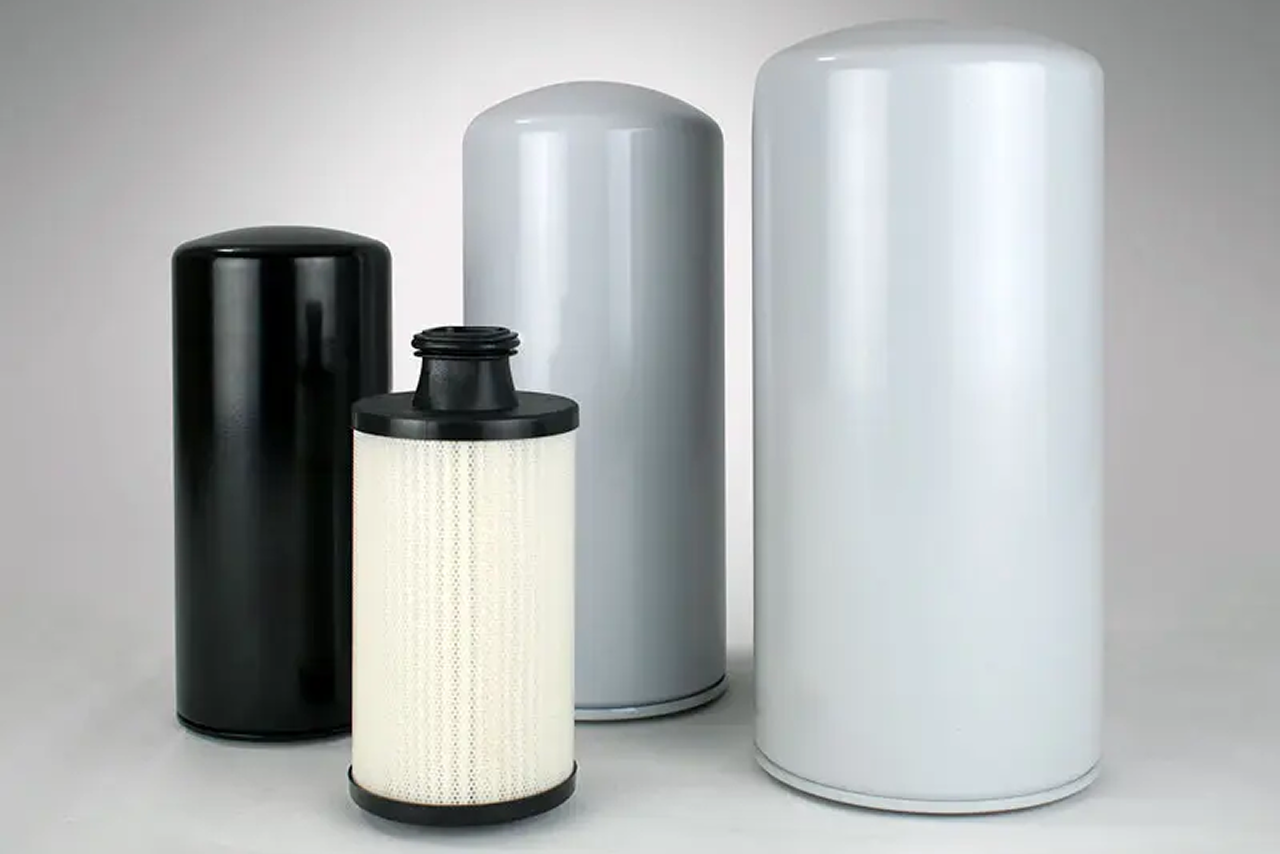
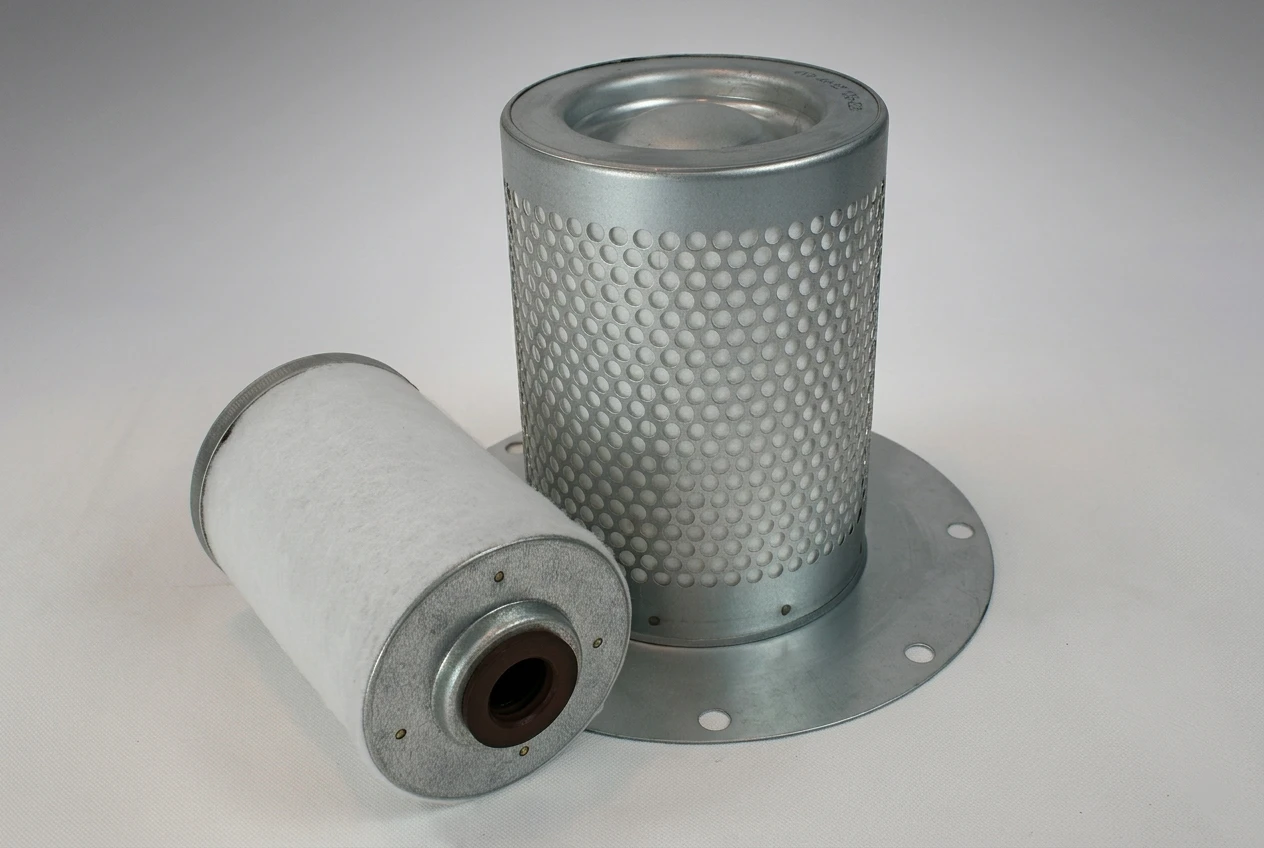
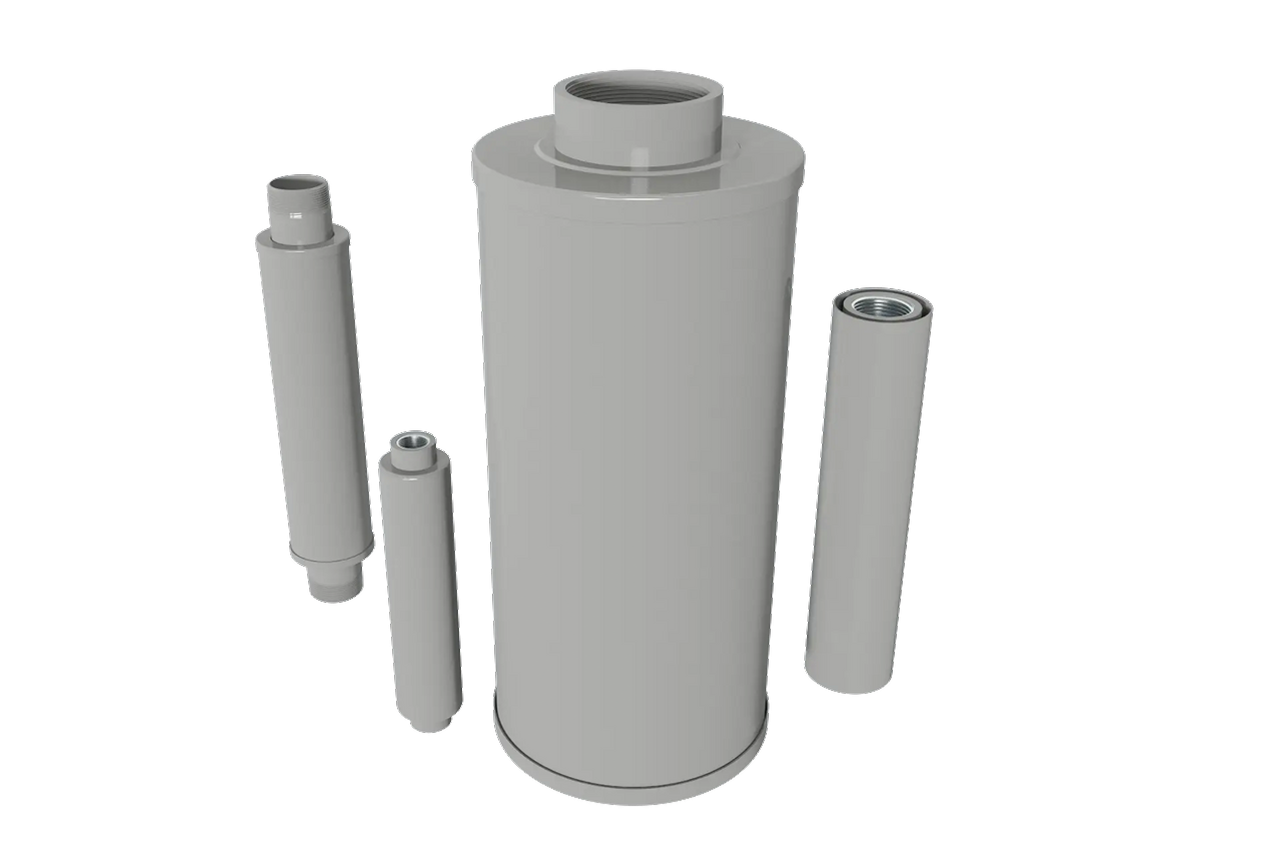
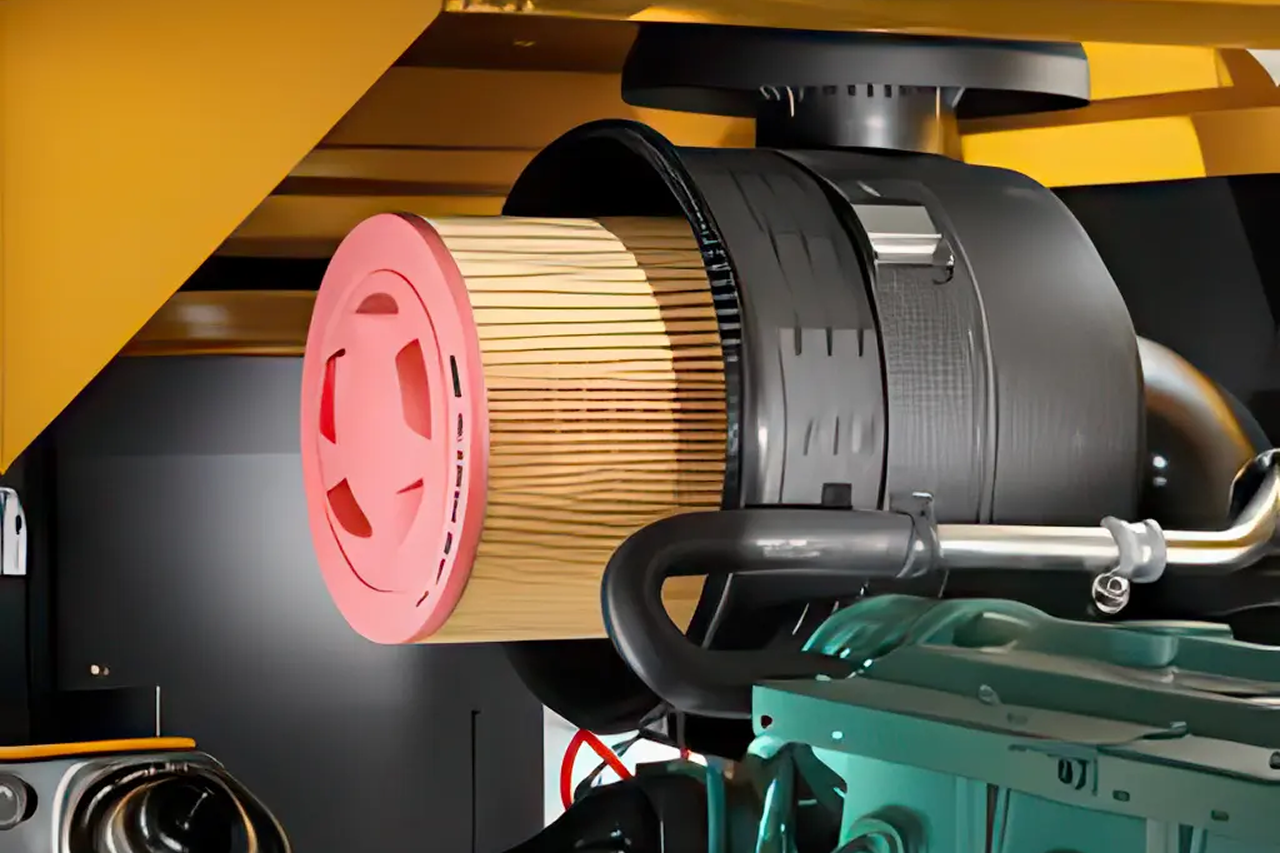
A dry intake air filter that mounts at the inlet of a positive-displacement compressor — reciprocating or rotary-screw — and captures airborne dust, particulate, and oil mist before that air is drawn into the compression element. Sized to the compressor's free air delivery (the SCFM rating off the nameplate) and matched to the inlet thread or flange. Supplied as a complete housing + element assembly (the housing lasts the life of the compressor; the element is the periodic replacement item) rather than as a generic OEM-cross consumable. The housing line is where the consultative upgrade lives — bigger housing, better media, weather hood, remote-mount — and where the own-brand intake filter line distinguishes itself from generic aftermarket cross-references.

Where it's used Pharmaceutical, Medical Device & Laboratory
Pharmaceutical, Medical Device & Laboratory application
02Why it's needed

Why this matters.

Tips and pointers on when the own-brand intake housing upgrade is the right call — and when a drop-in aftermarket element will do. Scroll the strip →

01 · Key point
Oversized housing saves energy.

A saturated filter creates inlet pressure drop, and a compressor working against an extra 2 PSI of restriction burns 5-8% more energy for the same delivered air. The oversized housing runs at low pressure drop through service life.

02 · Key point
It extends element life too.

Same housing-oversize trick: more media area + same dust load = longer interval between changes. Bigger housing pays back twice — energy on the utility bill AND elements on the maintenance line — usually inside the first year.

03 · Key point
Media tunes to the environment.

Cellulose / paper for general industrial (~2 micron); synthetic polyester for higher efficiency + moisture (~5 micron, 99%+); high-efficiency synthetic for foundry, cement, grain, woodshop; oil-bath for extreme particulate. Match media to plant, not catalog.

04 · Pro tip
Size to FAD + 25-50%.

Catalog rates a housing at nameplate SCFM — a filter sized to nameplate runs at maximum pressure drop on day one. Oversize by 25-50% for sustained duty. Walk the compressor room before quoting: a torn or caked element says the media is wrong; an undersized housing says the next size up is the answer.

05 · Where not to use
When the OEM housing is fine.

Customer just needs a replacement element and the existing housing isn't undersized or damaged. → Use the aftermarket-element cross — drops into the OEM housing at 30-50% under OEM-branded.

06 · Where not to use
Inside the OEM warranty window.

Housing-swap during warranty complicates a claim conversation even when Magnuson-Moss covers it. → Stay on OEM intake during warranty; quote the own-brand housing upgrade at first post-warranty service or when the OEM housing physically fails.

07 · Where not to use
Outdoor without a weather hood.

Open intakes outdoors draw rain, snow, and condensation directly into the element — media saturates within months. → Specify the weather-hood accessory on every outdoor install; non-negotiable on generator packages.

03Key selection criteria

What we need to spec it right.

From the machine spec sheet → to the part number. Answer what you know — leave the rest blank — and send.

01 · Input
Photo the nameplate. HP + SCFM together set the housing size — the own-brand intake filter line sizes to SCFM and recommends 25-50% oversize for sustained duty (lower pressure drop = energy savings).
Type: rotary-screw · reciprocating · vacuum pump · Duty: intermittent · continuous
02 · Input
Measure the inlet thread/flange or read off the existing housing. Mounting style depends on install clearance — remote-mount when inlet clearance is tight; panel-mount for sound-attenuated cabinets.
Connection: NPT (1/2" · 3/4" · 1" · 1-1/4" · 1-1/2" · 2") · flange · Mount: direct · remote-hose · panel
03 · Input
Drives media selection. Outdoor or weather-exposed = weather hood non-negotiable. Chronic 3-month life in dusty plant = housing oversize is the answer, not media.
Media: cellulose (general ~2 μm) · polyester synthetic (moderate, 99%+ ~5 μm) · high-efficiency synthetic (foundry / cement / grain / woodshop) · oil-bath (extreme) · Accessories: weather hood · service indicator (differential-pressure gauge)
04 · Input
The own-brand intake filter line crosses to most OEM housings. Tells you if this is a like-for-like swap or a housing upgrade — torn / caked / wrong-sized existing element points to upgrade, not replacement.
OEM housing intact (drop-in) · OEM housing damaged (replace) · OEM housing undersized (upgrade to oversized own-brand housing)
05 · Input
Housing is permanent; element is recurring. Stock 2-4 spares with the housing — quarterly shipments for dusty plants, annual for clean indoor. Multiple compressors? Add a separate quote line per housing.
Housing: 1 per compressor · Element packs: single · 2-pack · 4-pack case · quarterly standing-order · Bundle: housing + 4 elements + service indicator + weather hood (outdoor)

Need different sizes, colors, or quantities? Fill the form, add to quote, then fill again — each click is one quote line.

04Choose your solution tier  ·  core differentiator

Whatever your lever — spec, value, or price — SPC has the right brand.

Most distributors sell one brand per product type. SPC's 60-brand portfolio means every Product Type page surfaces three real options matched to how your customer is buying today. Pick the tier; the quote desk handles the cross-reference.

05How to sell this  ·  distributor talk track

The tier conversation closes the deal. The cross-reference catalog wins the next one.

The compressor's intake filter is the cheapest part on the machine and the most expensive one to ignore. Customers think they're buying paper; they're buying overhaul deferral and a lower power bill.
The SPC difference · how distributors actually buy

The 30-second positioning

The aftermarket-cross story isn't the play here — that's the Compressor Intake Filter — Aftermarket line. The own-brand intake filter line is the consultative upgrade: when the OEM housing is undersized for duty, when the environment chronically loads elements, when the customer needs a remote-mount or weather hood. Sell the housing first; the element is the recurring follow-on.

Walk the compressor room. A bag-house adjacent to the intake, an open dock door, a sawmill on the next aisle — any of those changes the answer from cellulose to synthetic. "What does the existing filter element look like when you change it?" A black-dusted element that's soft and intact says cellulose is fine; a caked, torn, or holed element says the media is wrong.

Size for pressure drop, not just SCFM. The catalog rates a filter for nameplate SCFM, but a filter sized to nameplate runs at maximum pressure drop on day one. Oversize by 25-50% for sustained duty — runs at low pressure drop through most of its service life, saves energy AND extends element change interval. The bigger housing costs $X more once; it saves $Y per year in energy and $Z per year in elements.

Service kits and recurring element supply. Own-brand intake filter housings take a sized element replaced quarterly to annually. Sell the first housing AS A KIT with 2-4 spare elements; put the next-replacement reminder into the customer's MRO calendar. The housing is one sale; the element is recurring for the life of the compressor.

Line: The own-brand intake filter line covers direct-mount (threaded) and remote-mount (tube/hose connection) configurations, full media range, sized in standard SCFM ratings against every major compressor brand.

Customer cue → talk move

""Just need a replacement element for my Atlas Copco / Sullair / Ingersoll Rand""
Cross-reference by housing model OR element dimensions. If the housing is ratty, recommend an own-brand housing upgrade with the matched element.
""The element I'm using keeps tearing""
Wrong media for the dust environment. Photo torn element, photo surrounding plant, recommend the next grade of synthetic. Torn at the bottom = water carryover (relocate intake or add weather hood); caked solid = upgrade to polyester or high-efficiency.
""How often should I change it?""
Clean indoor = 12 months; light industrial = 6 months; dusty (cement, foundry, woodshop) = 3 months or by pressure-drop gauge.
""Compressor is losing capacity""
First thing to check: intake filter. A saturated filter looks like a worn compressor on the SCFM-output gauge. Pop the housing, look at the element, replace BEFORE calling the airend rebuild into question.
""Can I blow the filter clean with shop air?""
No. Blowing reverse air through media disrupts the dust cake AND damages the fibers — element runs at lower efficiency and torn fibers shed downstream. Replace; the element is a consumable, not a service item.
""Outdoor compressor / generator package""
Weather-hooded own-brand intake filter or weather-cap accessory. Outdoor compressors without hood saturate elements with water within months.
""Compressor enclosed in a sound cabinet""
Panel-mount own-brand intake filter, sized to free-air-delivery and venting calc; restricted cabinet airflow shows up as both inlet restriction AND overheating.
06Where it's used

Industries served.

Each industry below uses this product across the listed areas. Open an industry to see how it fits the rest of its system.

Also applies to Rotary-screw compressors · Reciprocating (piston) compressors · upgrading to an own-brand dry-media intake filter at first service is a high-ROI conversion sale · Generator-driven outdoor compressors · Sound-attenuating compressor packages · Vacuum pumps

09Install · 6 critical steps

The things that matter on the first install.

Step 01
Size to free air delivery, then oversize by 25-50% for sustained duty
Read the compressor nameplate's FAD or ACFM rating; pick the own-brand intake housing rated to that minimum. For 24/7 or near-continuous duty, step UP to the next housing size — the oversize runs at lower pressure drop through service life, saving energy and extending element change interval.
Step 02
Mount the filter with clearance for service AND locate the intake to draw clean, dry, cool air
Direct-mount housings need clearance for element removal — typically housing length + a couple of inches. If clearance is tight, use a remote-mount own-brand housing with inlet tubing to an accessible position. Pull intake air from the cleanest source — outside the compressor room if it's dusty/hot/wet, away from process exhausts, forklift traffic, and dock doors. A 50-foot inlet run is acceptable; the cleaner intake pays for itself in element life.
Step 03
Add a service-indicator gauge for pressure-drop monitoring
Own-brand intake housings support element-change indicators — visual or analog — that signal when inlet restriction crosses a setpoint. Eliminates "change by calendar" for variable-duty environments and ensures the element is changed at restriction onset, not weeks later.
Step 04
Order 2-4 spare elements with the housing
The element is consumable; the housing is permanent. Stocking spares means the next change is a 60-second job, not a delayed maintenance task. Dusty environments = quarterly supply; clean indoor = annual.
Step 05
For outdoor or weather-exposed compressors, fit a weather hood
Open intakes in outdoor locations draw rain, snow, and condensation directly into the element — saturating media within months. Own-brand intake housings accept a weather-hood accessory; specify it on any outdoor install.
Step 06
Log the element change in the maintenance record
Change dates feed forward into the next reorder. Note element appearance at each change (color, dust loading, any tears or wet patches) — the trend is the diagnostic on whether the intake location or media grade needs to change.
10Troubleshoot · top failures

Most returns trace to one of these causes.

Symptom
Most likely cause
Fix
Compressor delivering below rated capacity.
Inlet restriction from a saturated or undersized intake filter is the #1 cause. Each 1 PSI of inlet pressure drop reduces output by roughly 1%; a heavily loaded filter can cut output by 10%+. Less commonly: wrong media grade for environment.
Pop the housing, inspect the element. If dust-loaded or wet, replace and re-test. If element loads again within weeks, upgrade media grade (cellulose → polyester → high-efficiency synthetic) OR oversize the housing OR relocate the intake.
Element torn or distorted on removal.
Pressure-drop pulled the element past its mechanical limit (severely undersized or massively over-due), OR water carryover degraded the media, OR shop-air "cleaning" damaged the fiber matrix. Wrong media for environment is the most common root cause.
Step up media grade if dust environment is heavier than original spec. If water carryover, relocate intake AND fit weather hood. NEVER clean and reinstall a damaged element — replace.
Element saturated with oil or visibly oil-soaked.
Oil mist from a nearby oil-injected machine being drawn into the intake (process source), OR a recip's suction-valve seal is failing and pushing oil back through the intake (machine source).
Identify source first. Process source: relocate intake or add inlet coalescer upstream of dry filter. Machine source: compressor needs valve service — replacing the element will not solve it; oil will saturate the new element in days.
Sudden capacity drop without visible filter loading.
Cold-weather frost or ice at the intake (outdoor compressors drawing humid air below freezing), OR bird/rodent nest in a weather-hood inlet, OR collapsed inlet hose between filter and compressor.
Inspect the full intake path from outdoor inlet through housing through inlet hose to compressor port. Clear any obstruction. For chronic cold-weather frost, route intake from indoor warm air OR add intake heater. Inlet hose collapse usually means hose age + vacuum cycling — replace.
Customer changes element more often than expected and is asking why.
Environment is dirtier than original spec assumed (process changed, dust source added, neighbor change), OR media grade is wrong, OR housing is undersized for duty, OR intake draws from a contaminated zone.
Walk the compressor room. Photo surroundings. Photo a recently-removed element. Diagnosis is usually visible in 60 seconds. Quote: media upgrade, housing upsize, or intake relocation — whichever the diagnosis points to. Frame as TCO: element cost down + energy savings = pays back inside a year.

Get the right compressor intake filter on quote in 24 hours.

Send us the application — a specialist routes you to the correct tier with a configured part. Lead-times and pricing returned within one business day.

Request a quote