Symptom
Most likely cause
Fix
Air leaking at the rod — replace or rebuild?
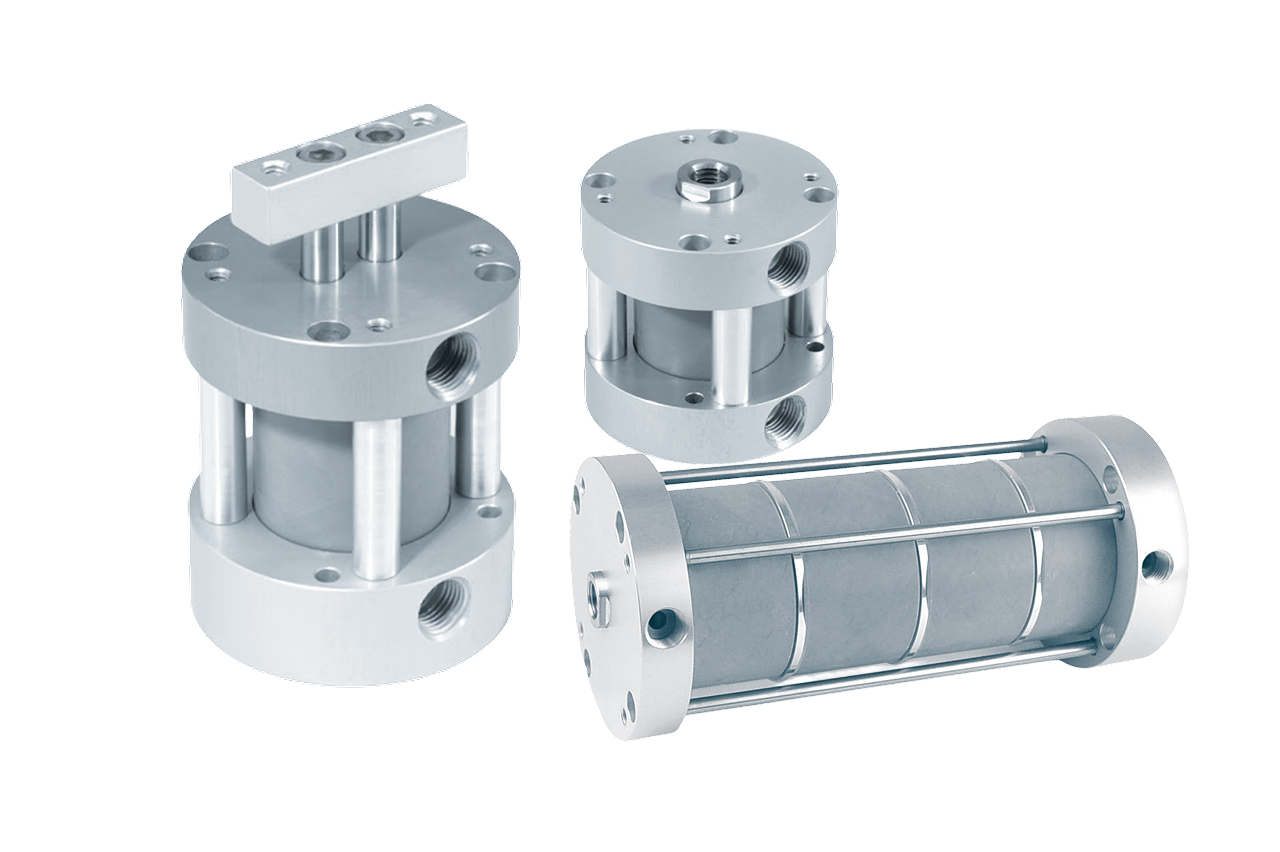
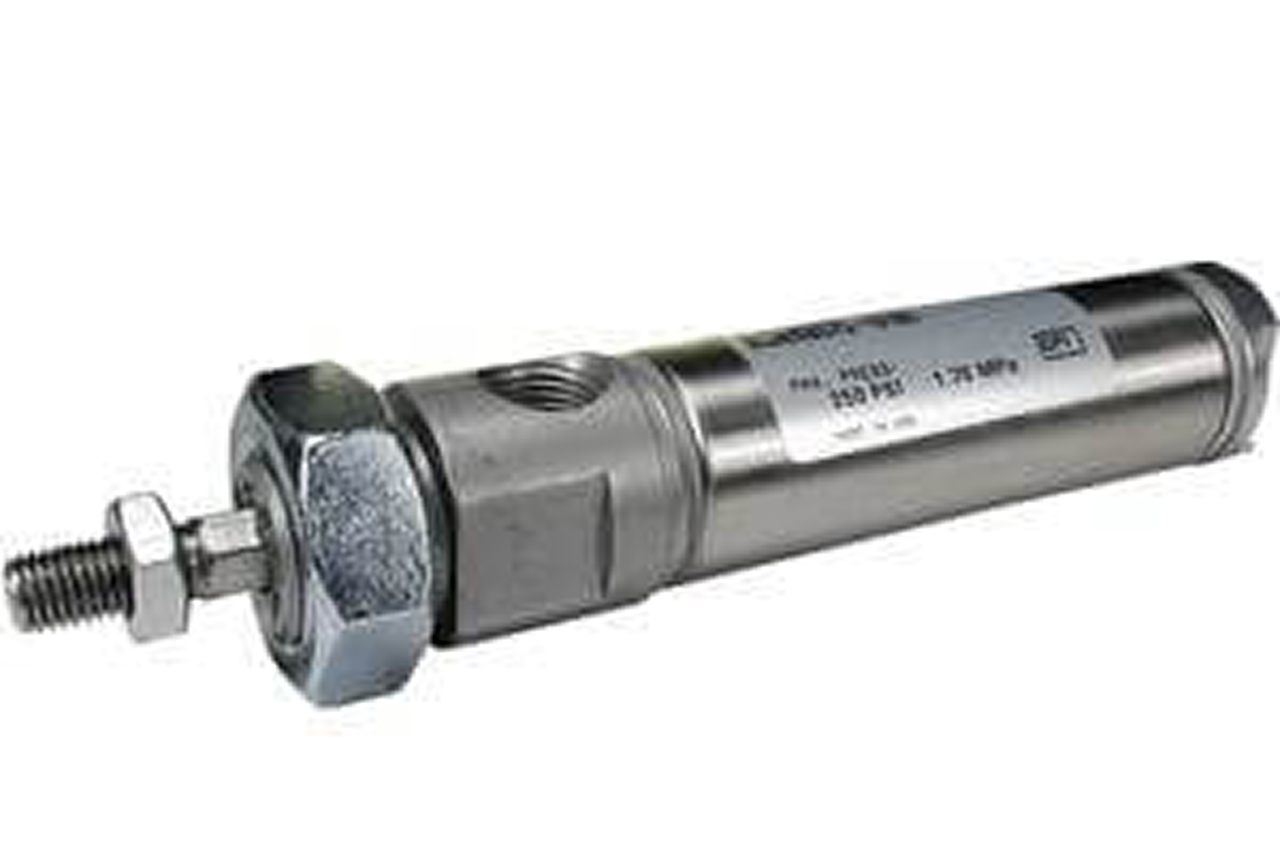
Rod seal worn — the most common compact failure. 3-7 years on continuous duty is typical seal life. Compact cylinders are sealed crimped assemblies and NOT field-rebuildable.
Replacement. Don't look for seal kits — they don't exist for compact. New-cylinder cost is competitive with what a rebuild would cost in labor alone. Document the install date for the next replacement cycle.
Rod sticky, scored, or seized
Side-load damage — the customer's setup is loading the rod off-axis. The most common compact cylinder misapplication. Standard compact cylinders cannot tolerate side load; the rod-bearing surface degrades within months.
Replace the cylinder AND change the application design. Switch to a guided/non-rotating cylinder in the same bore, or pair the compact with an external linear guide that takes the side load before it reaches the rod. Replacing without fixing the side-load source results in the same failure within months.
Cylinder strokes but with reduced force
Three possibilities — supply pressure below spec (most common), piston seal bypassing internally (5-7 years), or cylinder undersized (RFQ used continuous force, not peak surge).
Check supply pressure under load first. Leak-test by pressurizing one chamber and listening at the opposite port. If pressure and seals check out, resize.
Cylinder slams hard at end of stroke
Most small-bore compact cylinders have rubber bumpers rather than adjustable air cushions — the bumper degrades and produces end-of-stroke hammer. Larger-bore compact with adjustable cushion: cushion screw open, cushion seal worn, or load/velocity exceeds rating.
For bumper-equipped cylinders, replace the cylinder (bumper isn't serviceable). For cushioned cylinders, close cushion screw progressively. If load/velocity exceeds rating, add external shock absorber. Don't accept end-of-stroke hammer — it destroys the cylinder and the mount over time.
Magnetic switch triggers intermittently
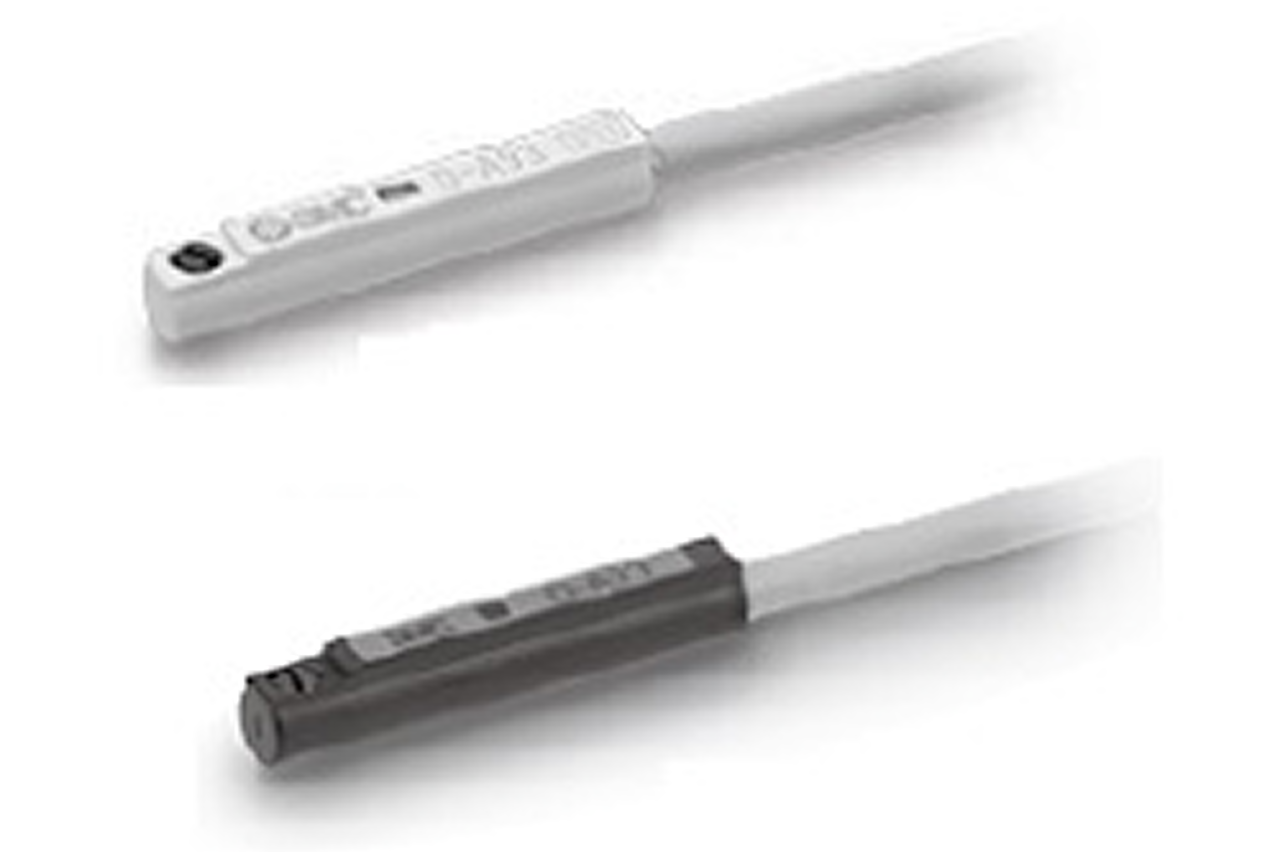
Switch slid out of position in the band/rail mount (most common on vibrating equipment), switch failing (water ingress, cable damage), or — rarely — piston magnet weakening after 20M+ cycles.
Verify switch position first — cycle the cylinder slowly and watch the trigger LED. Re-clamp if drifted. If position is right but trigger intermittent, replace the switch and verify wiring.
Visible body damage (dent, scoring, crack)
Mechanical impact during install or service, over-pressure event, or — rarely — manufacturing defect on a value-tier import.
Replace. Compact cylinders are not repairable from external damage; even minor dents affect bore concentricity. Document the failure mode to inform guarding decisions.