DISTRIBUTOR-FIRST SUPPLY PARTNER · SINCE 1999 Live · Product System

SPC Company
Industry Leader · SMC Emerging · AIGNEP
01What it is

Standalone Pneumatic Filter

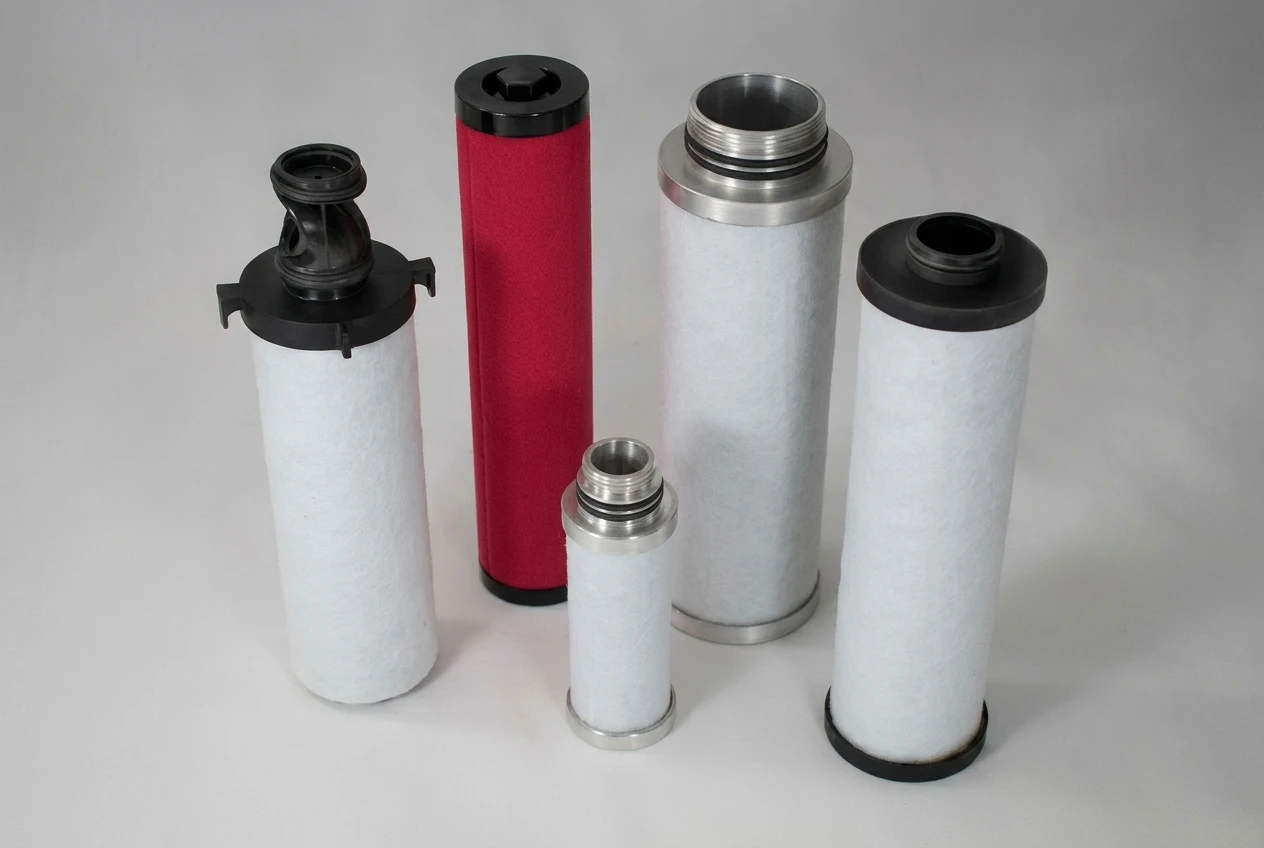
The filter stage of air preparation sold as an individual modular unit. It removes the moisture droplets, oil aerosol, and particulate that the central filtration train did not catch — or that the air picked up again, as rust and pipe scale, on the run to the machine. Two mechanisms work together: centrifugal action spins free water and heavy condensate out of the air stream, and a filter element traps particulate as the air passes through it. Coalescing-grade elements add a third mechanism, merging fine oil aerosol into droplets large enough to drop out. As a standalone unit the filter is used to build a custom modular air-prep train, to add filtration capacity or a finer grade to an existing assembly, or to replace just the filter stage of a modular FRL without disturbing the regulator and lubricator. Filtration grade is matched to how sensitive the downstream equipment is — a general machine drop and a paint or instrument application need very different elements. It sits first in the air-prep order, ahead of the regulator, so the regulator and everything downstream see already-cleaned air.
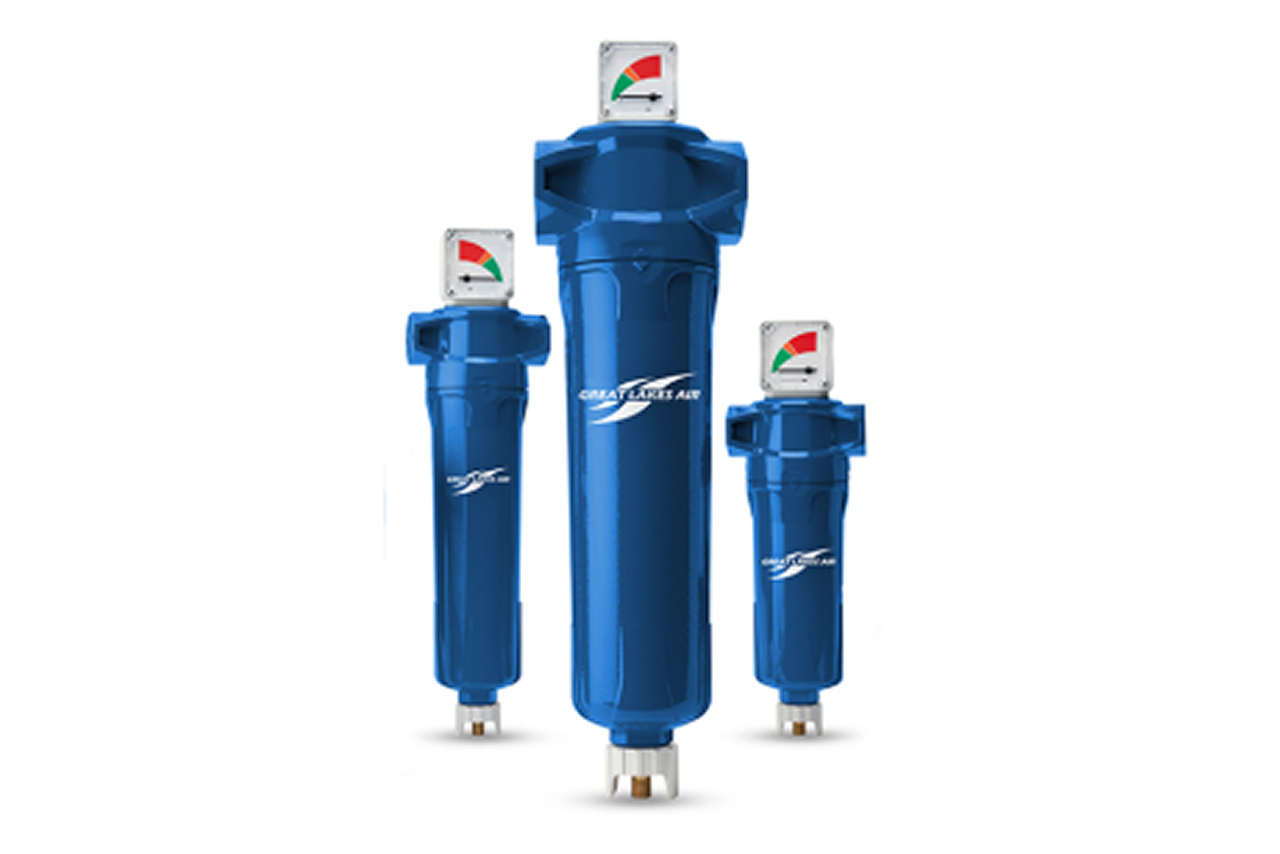
Real-world reference Representative standalone pneumatic filter
Standalone Pneumatic Filter — representative product photo
Pictorial Schematic-aware drawing
Schematic ISO 1219-1 reference
02Why it's needed

Why this matters.

Tips and pointers on when the standalone filter is the right call — and when to step up or split. Scroll the strip →

01 · Key point
Last-line defense at the drop.

Central plant filtration can't fix what the air picks up on the run — rust flakes, pipe scale, re-condensed moisture, oil aerosol past the central coalescer. The standalone F at the machine inlet catches all of it.

02 · Key point
Sized independently of the R.

Standalone form lets you spec filtration grade and bowl size separately from the regulator. Build a custom modular train, add a coalescing stage on one branch, or upgrade just the F on an existing F+R+L.

03 · Key point
Modular building block.

Standalone F + standalone R = field-built F+R — used when filter and regulator need to live at different points in the run, or be sized differently than a combination body allows.

04 · Pro tip
Element grade is the sale.

Housing is commodity; the element micron rating is the spec lever. General drops = 5-micron particulate; paint, lab, instrument = 0.01-micron coalescing; odor/VOC = activated carbon. Each step up is 3–5× the element ASP.

05 · Where not to use
5-micron on paint or instrument drops.

General-purpose particulate doesn't capture oil aerosol — it goes straight through to the paint gun or sensor. → Switch to coalescing 0.01-micron on any drop where finish quality or instrument accuracy is on the line.

06 · Where not to use
When the R can share the body.

If filter and regulator can live at the same point and same body size, the integrated F+R is cheaper and more compact. → Re-spec to a filter-regulator; standalone F is only correct when there's a reason to keep the stages separate.

07 · Where not to use
Bulk liquid only, no fine filtration needed.

When the application only needs free water knocked out (no particulate or oil-aerosol concern), the standalone F adds pressure drop you don't need. → Switch to a centrifugal water separator — lighter, lower-pressure-drop, no element to replace.

03Key selection criteria

What we need to spec it right.

From the machine spec sheet → to the part number. Answer what you know — leave the rest blank — and send.

01 · Input
Pull from the machine spec sheet at peak cycle — undersized port = high element velocity = fast loading and short element life.
Low (< 20 SCFM — workstation tools) · Mid (20-80 SCFM — typical machine drop) · High (80+ SCFM — large multi-cylinder cells, presses)
02 · Input
The element micron rating IS the sale — the housing is commodity. Match to downstream sensitivity; each step up is 3-5× the element ASP.
5-micron particulate (general machine drop) · 0.01-micron coalescing (paint, lab, instrumentation) · Activated carbon (food contact, odor/VOC) · ~40-micron sintered bronze (cleanable reusable)
03 · Input
Verify worst-case spike events — must stay under the filter's max inlet rating, not just steady-state.
Up to 150 PSI · 150-200 PSI · 200-250 PSI (heavy-duty series)
04 · Input
Audit the compressor lubricant first — PAO synthetic oils chemically attack polycarbonate and crack it under pressure.
Polycarbonate (mineral-oil compressor only) · Polycarbonate with guard (impact risk) · Metal (synthetic oil) · Stainless (food / pharma / washdown)
05 · Input
Manual fails because operators forget; auto-float is mandatory for unattended drops.
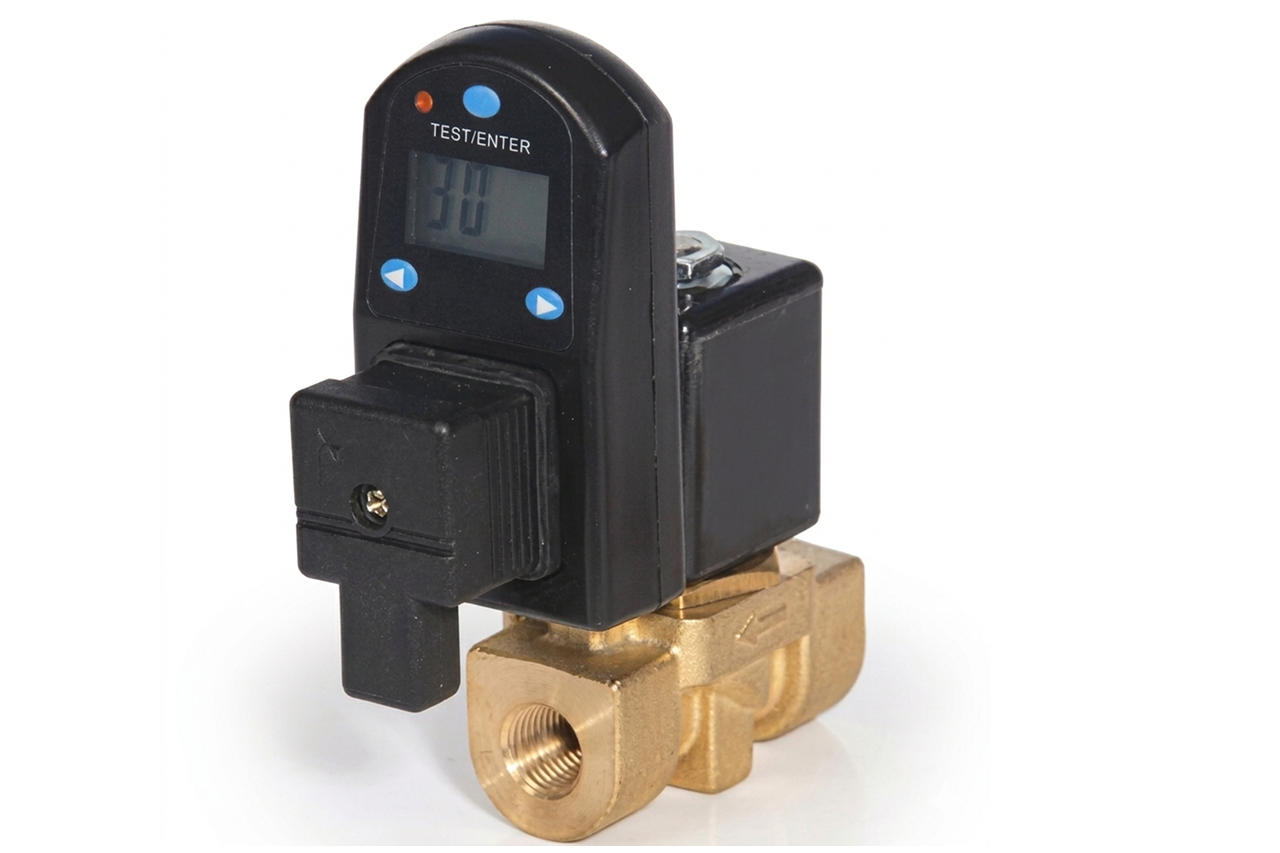
Manual (cheapest, operator-dependent) · Semi-automatic (releases at zero pressure) · Auto float (unattended drops) · Electronic timer (humid plants, heavy condensate)
06 · Input
Port size sizes to peak SCFM; thread type pulled from the connecting piping spec. Mismatched threads do not seal.
Sizes: 1/8" · 1/4" · 3/8" · 1/2" · 3/4" · 1" · Threads: NPT · BSPT (tapered) · BSPP (parallel)
07 · Input
Based on the install context and whether it joins a modular train.
Inline (standalone install) · Panel-mount (enclosure-mounted) · Wall-mount (fixed bracket) · Modular (joins same-brand R/L on shared bracket)
08 · Input
Capture the housing count and the element-replacement cadence on a standing PO — element supply-chain delay at change time is downtime. Need different micron grades on different drops? Add each as its own quote line.
1-5 housings · 6-20 housings (one plant area) · 20+ housings (plant standardization) · Elements by the case (12-pack)

Need different sizes, colors, or quantities? Fill the form, add to quote, then fill again — each click is one quote line.

04Choose your solution tier  ·  core differentiator

Whatever your lever — spec, value, or price — SPC has the right brand.

Most distributors sell one brand per product type. SPC's 60-brand portfolio means every Product Type page surfaces three real options matched to how your customer is buying today. Pick the tier; the quote desk handles the cross-reference.

05How to sell this  ·  distributor talk track

The tier conversation closes the deal. The cross-reference catalog wins the next one.

The element grade IS the sale. The housing is commodity — the customer who buys whatever's cheap at the home center spends 3x what they should over 5 years on downstream equipment damage.
The SPC difference · how distributors actually buy

The 30-second positioning

Most distributors quote a 5-micron general-purpose and miss the upsell entirely. The sales move is to qualify what's downstream before pricing: "What equipment is this protecting?" A robot manifold or general air drop = 5-micron. Paint, lab, instrumentation, medical, semiconductor = 0.01-micron coalescing minimum. Odor or VOC concerns = activated carbon.
The three-tier brand coverage: Industry Leader tier for spec'd-in OEM builds, Emerging tier at the same modular interface, Economical tier for MRO drop-ins. All three offer all three element grades — so the tier pick is about brand + price, and the element pick is about downstream sensitivity, independently.
The recurring-revenue angle: every standalone F sold is a recurring 6–12 month element reorder. The sale isn't the housing — it's the housing PLUS the element-replacement cadence captured in the customer's MRO system.

Customer cue → talk move

""I just need a 5-micron filter""
Verify downstream sensitivity first. 5-micron is right for general air; everything else is an underspec waiting to fail a sensor.
""Paint booth or spray gun application""
0.01-micron coalescing minimum. Oil aerosol kills paint finish quality and you'll be blamed for it.
""Food or pharma drop""
NSF stainless-bowl F with coalescing + activated-carbon element stack. Auto-float drain mandatory.
""Semiconductor / lab instrument air""
Coalescing + carbon, plus a downstream high-grade desiccant or membrane dryer for dew point. The F alone isn't enough — flag the dryer conversation.
""Just match what was here before""
Open the bowl, photo the element. If it's 5-micron and downstream equipment is sensitive, flag the upgrade.
""Cheapest option for a general machine""
Economical tier economy filter. Note element-replacement availability — some economy brands run proprietary elements that are expensive on the reorder.
06Where it's used

Industries served.

Each industry below uses this product across the listed areas. Open an industry to see how it fits the rest of its system.

Also applies to Every modern machine drop · Coalescing F (0.01-micron) mandatory · Retrofit on legacy equipment with marginal central air · Vacuum-generator and ejector supply · Sub-circuit branches on big-machine builds

09Install · 6 critical steps

The things that matter on the first install.

Step 01
Mount vertically with the bowl down
The filter bowl must hang straight down. Tilted = drain fails, condensate collects, eventually carries water through to the regulator and downstream equipment. Not optional.
Step 02
Match the flow arrow
Stamped on the body. Backwards installs bypass the element entirely — air enters the wrong port, exits without filtration. Unit looks fine; equipment downstream slowly fails.
Step 03
Add an upstream isolator
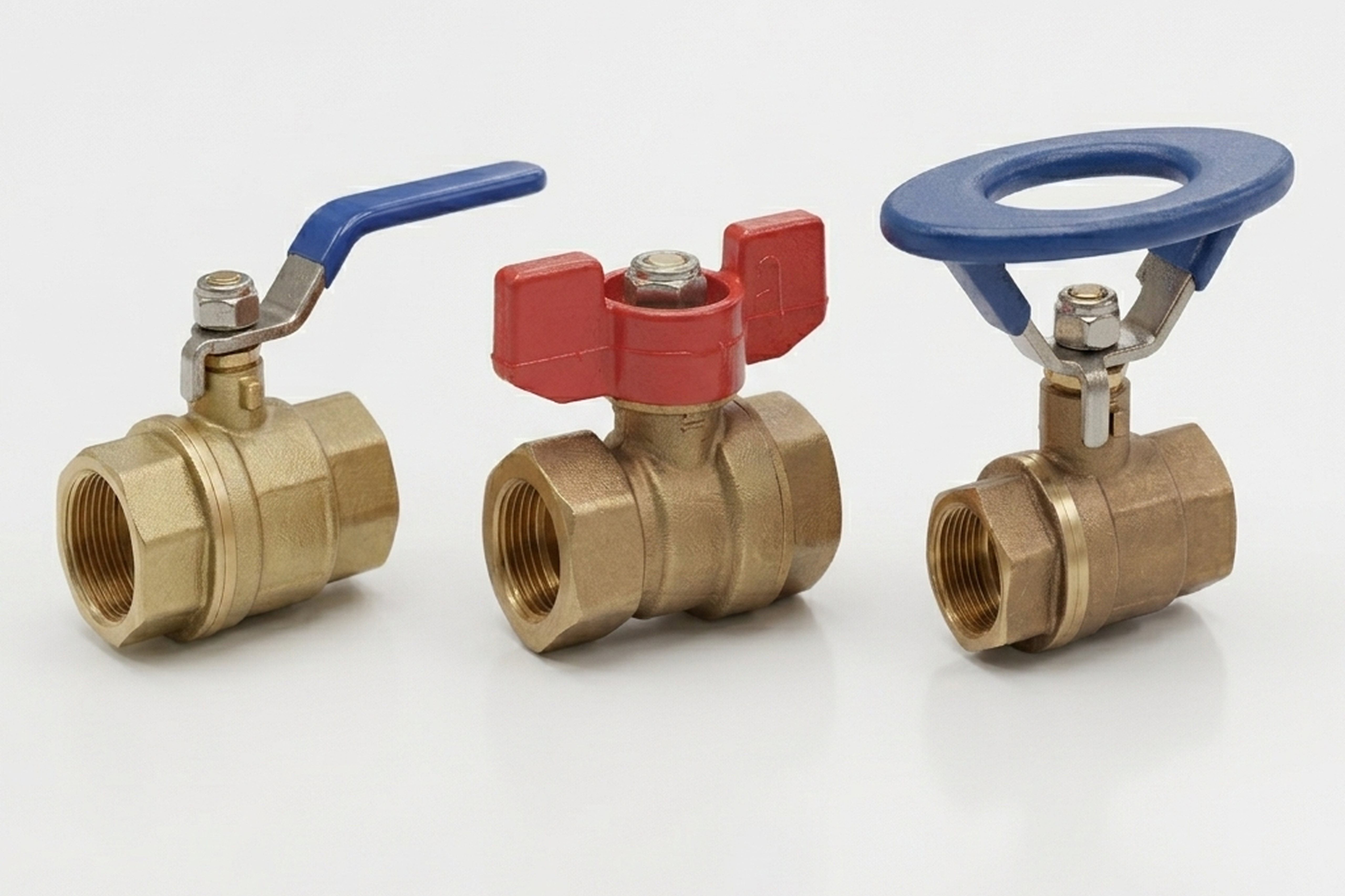
Quarter-turn shutoff valve before the F — pressure-locks the line for bowl service and element replacement without bleeding the whole drop. Operators won't do bowl service if it requires shutting down the entire drop.
Step 04
Verify drain function at commissioning
Manual drains require operator discipline (someone has to push the button). Semi-auto and float drains need a downstream path — don't dump condensate onto equipment or the floor. Auto-float drains can fail closed; manually test the drain on first commissioning.
Step 05
Set the element-replacement cadence in the customer's MRO system
Particulate elements run 6–12 months; coalescing elements run shorter (3–6 months) because they're trapping fine oil aerosol. Document the part number, supplier, and replacement interval on the unit itself — stuck-on tag or label — because no one remembers which element grade is in which bowl.
Step 06
Add a differential pressure indicator if downstream sensitivity is high
Visual or electronic gauge that signals when element pressure drop reaches the replacement threshold. Cheap insurance — catches element clogging before downstream equipment starts to fail.
10Troubleshoot · top failures

Most returns trace to one of these causes.

Symptom
Most likely cause
Fix
Pressure drop across the F is rising — downstream getting starved
Element is clogged. The fine particulate or oil aerosol it was designed to trap has done its job; the element needs replacement. Time-since-last-replacement is the first thing to check.
Replace with the same grade and part number. If the unit doesn't have a differential pressure indicator, install one — that's the early-warning signal that catches the problem before downstream equipment fails.
Water in the bowl, drain not clearing it
Drain mechanism failure. Manual drain: operator isn't pushing the button (retraining issue). Semi-auto: spring or seat fouled with debris. Auto-float: float stuck, chamber clogged, or downstream line blocked.
Manual — retrain the operator or upgrade to auto-float. Semi-auto — clean the drain assembly. Auto-float — clean the float chamber, verify the downstream line is clear.
Downstream equipment reports oil contamination despite F install
General-purpose 5-micron F doesn't remove oil aerosol — only particulate and water. Oil mist from an oil-flooded compressor passes straight through. Common surprise on installs where the buyer assumed "a filter is a filter."
Swap to a coalescing element (0.01-micron) in the same housing, or add a coalescing F as a second stage downstream of the particulate F. Reset customer expectations on what each element grade does.
Polycarbonate bowl cracked or hazy
Synthetic compressor oil or solvent vapor contamination. Polycarbonate is chemically incompatible with most synthetic lubricants and many cleaning solvents — cracking under pressure is a real safety risk.
Replace with metal or stainless bowl variant immediately. Audit the upstream compressor lubricant.
Element loads to clogged within 2-3 months instead of 6-12
Filter is undersized (high velocity through small element = fast loading), upstream contamination is high (compressor running dirty, central filter saturated), OR the environment is dusty.
Audit the supply chain upstream of the F. If undersized, upsize. If upstream contamination, address the central filter. If environment, set the customer's expectation to the actual interval and price the standing reorder accordingly.
New element installed, pressure drop still high
Wrong micron rating on the cross-reference (finer-than-needed element creating restriction), OR a downstream restriction unrelated to the filter.
Verify element micron rating against original spec. If correct, check downstream for restriction.

Get the right standalone pneumatic filter on quote in 24 hours.

Send us the application — a specialist routes you to the correct tier with a configured part. Lead-times and pricing returned within one business day.

Request a quote