DISTRIBUTOR-FIRST SUPPLY PARTNER · SINCE 1999 Live · Product System

SPC Company
Industry Leader · SMC Emerging · AIGNEP
01What it is

FRL Service Kit

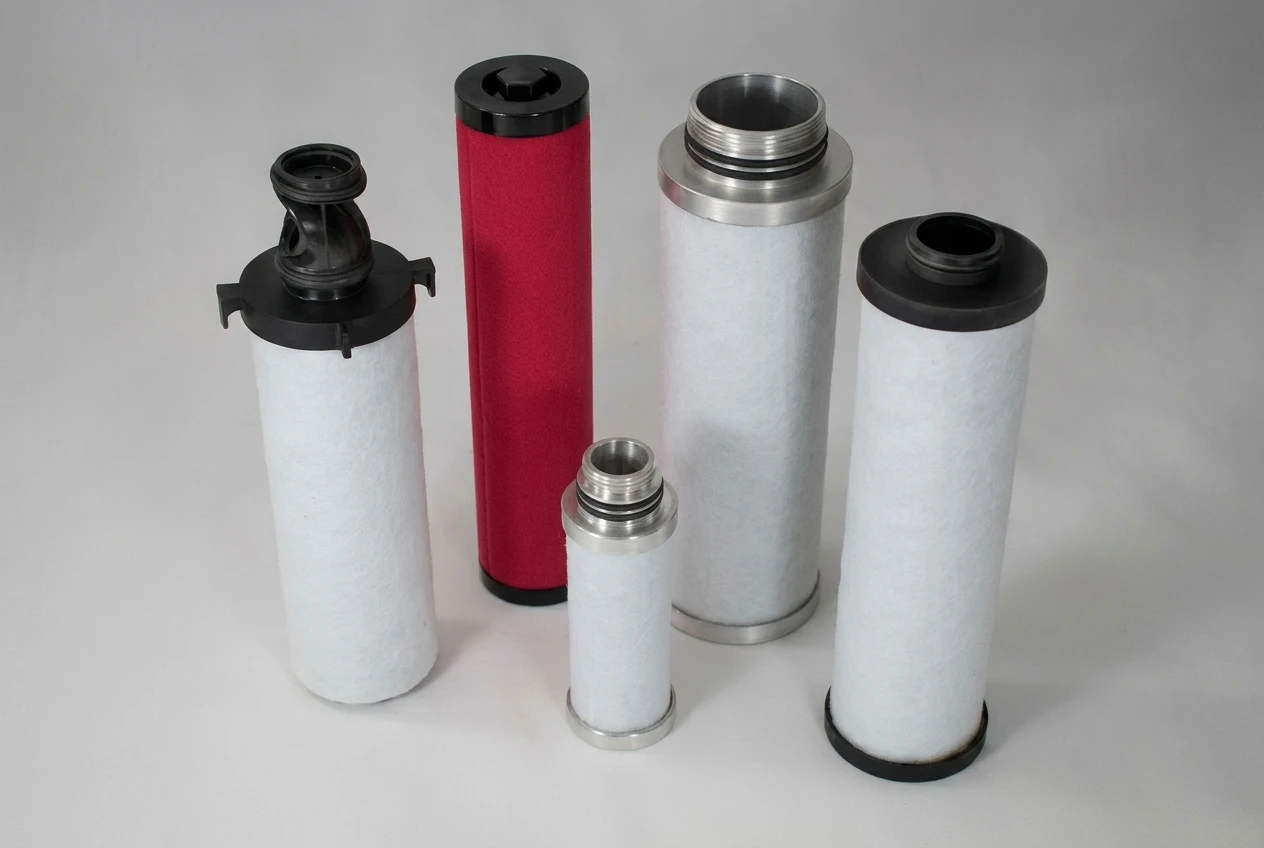
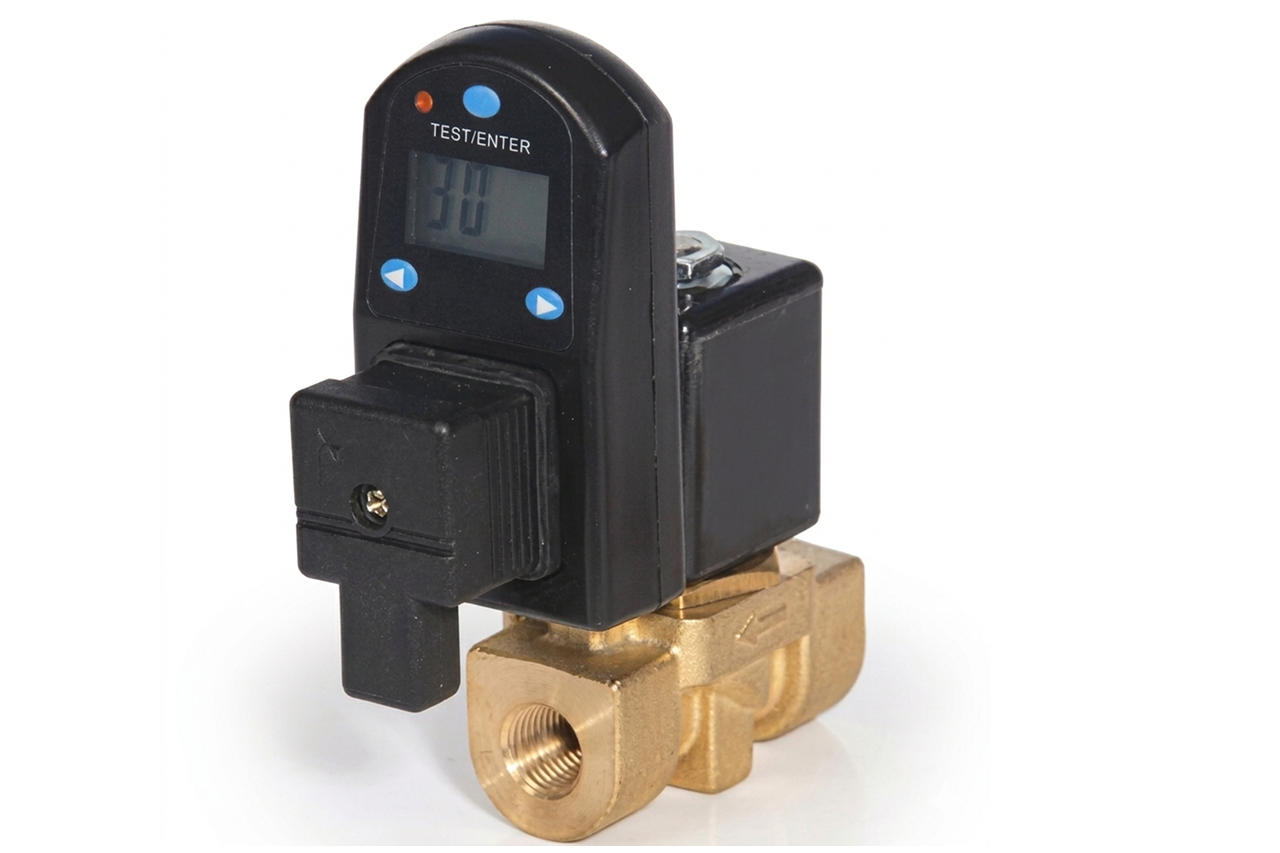
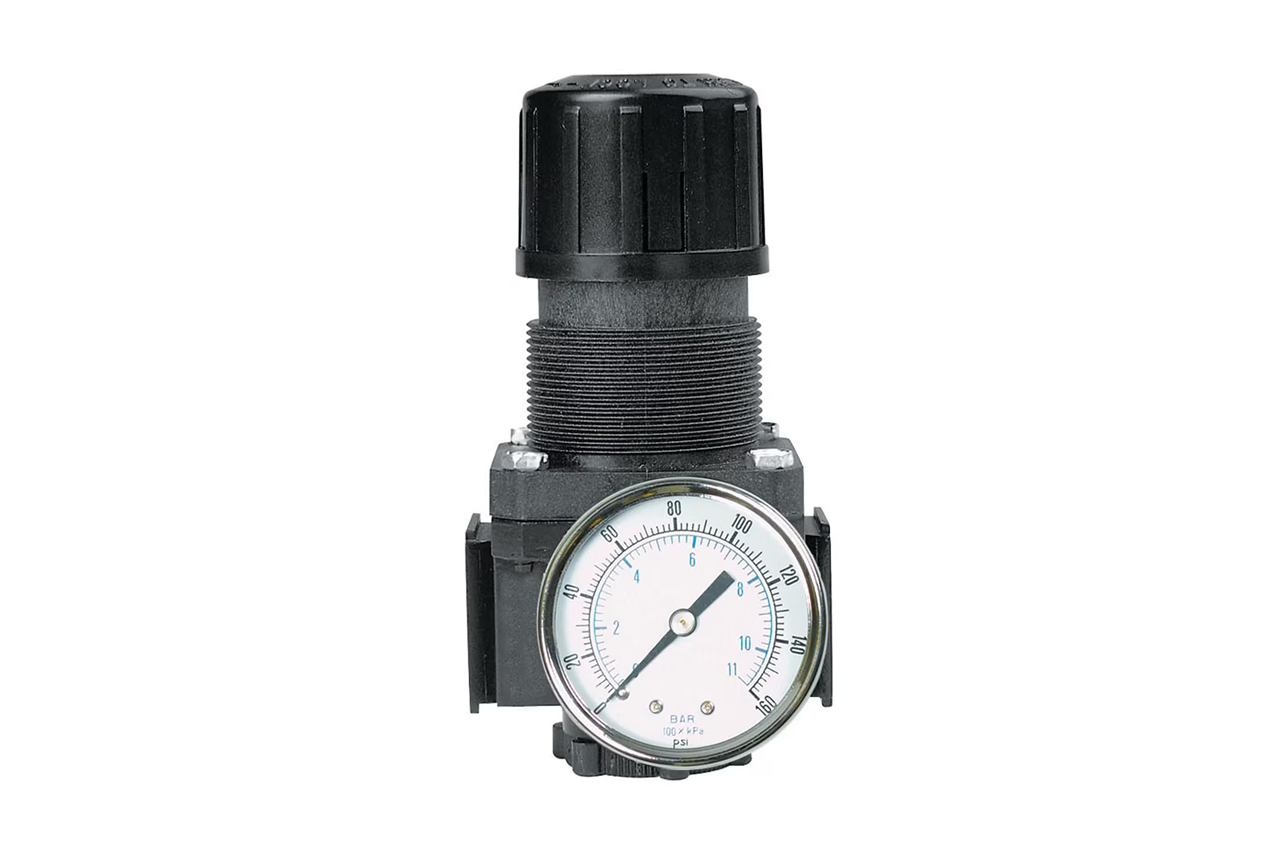
An FRL service kit is the consumable parts set that maintains a machine-inlet filter-regulator-lubricator. A kit covers the predictable wear items in one body: filter element, bowl gasket and O-rings, drain seals or full drain assembly. The body, regulator spring, lubricator dropper, and mounting bracket are unaffected by the wear cycle and stay in service across multiple kit changes — so the kit is the right answer wherever the FRL itself is structurally sound. Kits are engineered to one manufacturer's FRL series (SMC AW, SMC AC, AIGNEP) and reading the FRL body label is required before ordering. Installed at the machine's air inlet during scheduled PM, typically at 6-12 month cadence on the filter element, 2-3 years on bowl seals, and 3-5 years on the drain assembly.
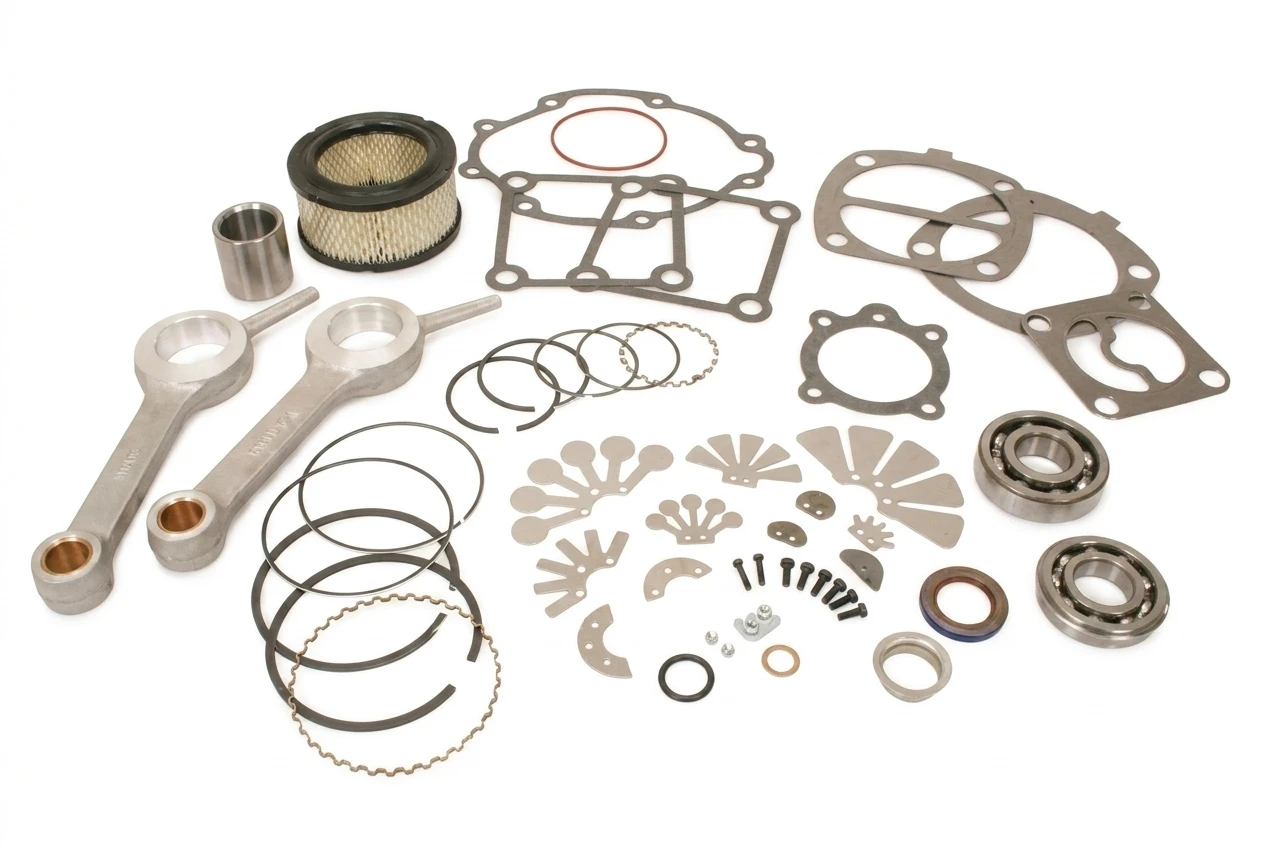
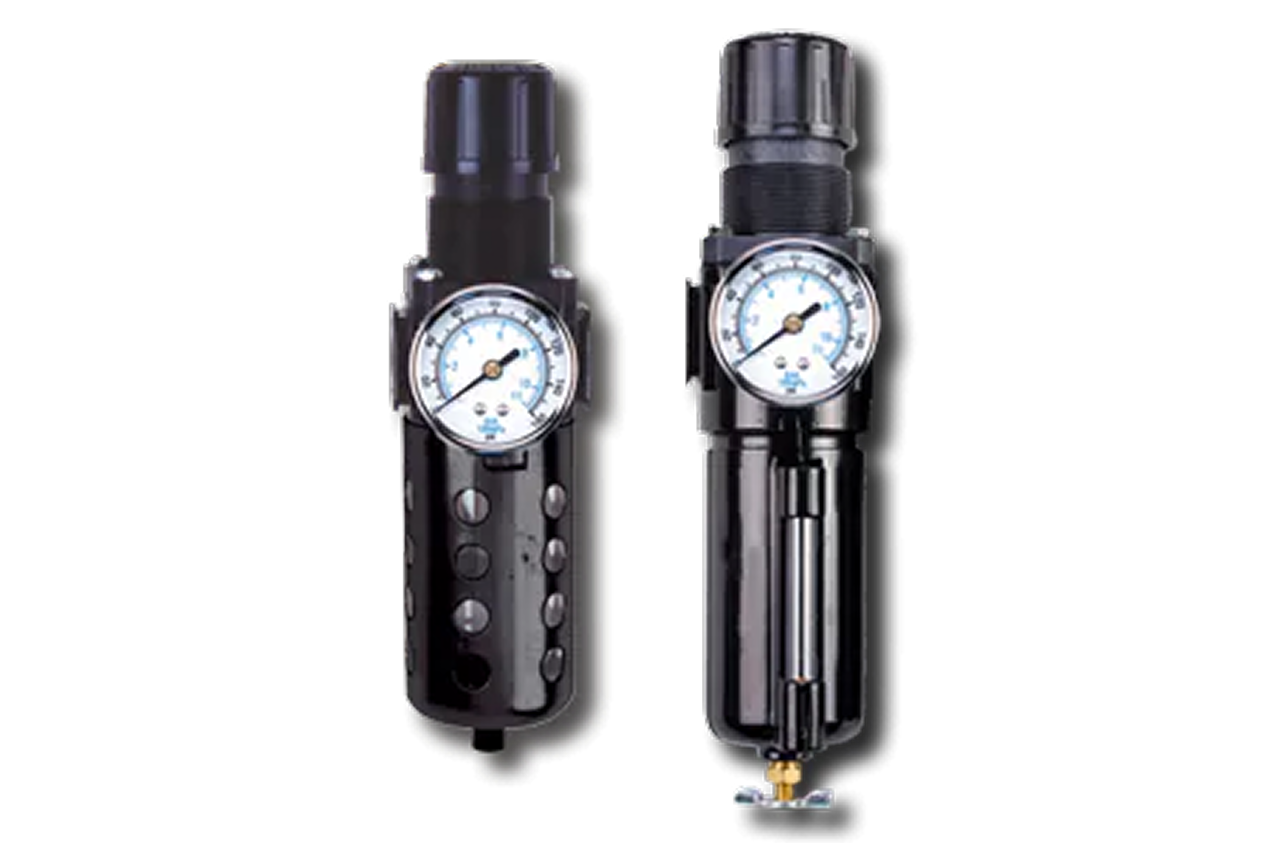
Real-world reference Representative frl service kit
FRL Service Kit — representative product photo
02Why it's needed

Why this matters.

Tips and pointers on when the service kit is the right call — and when the FRL body itself is end-of-life. Scroll the strip →

01 · Key point
Saves the body, regulator, and mount.

Filter element, bowl gasket, and drain are the predictable wear items. The body, regulator spring, lubricator dropper, and bracket outlast 3–5 element changes — replacing the whole FRL for a $30 element is wasted parts and downtime.

02 · Key point
Prevents the $500–$2000 valve bill.

Loaded element starves the regulator and lets particulate through to the directional valves. Replace it on cadence and the failure never happens — $30 kit instead of a valve-replacement bill.

03 · Key point
Standing-PO recurring revenue.

A 50-FRL plant consumes 50–100 kits per year on a predictable PM calendar — elements 6–12 months, bowl seals 2–3 years, drains 3–5 years. Single quote per fleet count, then auto-reorder.

04 · Pro tip
Read the FRL body label first.

Kits are matched to brand + series + sub-variant. SMC AW kits don't fit SMC AC; AIGNEP kits don't fit SMC. Capture body label, element micron rating (5-micron standard, 0.01 coalescing, 40-micron sintered), and bowl + drain style before ordering.

05 · Where not to use
FRL body is structurally damaged.

Cracked bowl seat, stripped port threads, fractured polycarbonate — kit can't recover a body that's compromised. → Quote a full FRL replacement; new gaskets in a damaged seat will weep within weeks.

06 · Where not to use
Series is obsolete with no cross-reference.

Legacy Norgren, Festo, or Wilkerson stacks where aftermarket kits no longer cross-reference. → Quote a current-series FRL replacement and propose plant-wide standardization over 2–3 years.

07 · Where not to use
Customer asks for cheaper off-brand element.

Off-brand elements often run looser-than-spec micron rating — downstream valve and actuator damage costs far more than the savings. → Push back politely and quote OEM-spec replacement; match the original micron, not a lower grade.

03Key selection criteria

What we need to spec it right.

From the machine spec sheet → to the part number. Answer what you know — leave the rest blank — and send.

01 · Input
Read it off the FRL body label — the kit is matched to an exact unit and brand cross-references are limited. Capture brand + series + sub-variant before ordering.
SMC AC / AW / AF / AR (most common) · AIGNEP (own-brand series) · Legacy Norgren / Festo / Wilkerson (cross-reference case-by-case) · Mixed-brand fleet (quote per brand)
02 · Input
Each stage takes a different service set. Open the FRL and identify which stage failed — weeping bowl is filter/lubricator side, regulator that won't hold setpoint is the regulator side.
Filter only · Regulator only · Lubricator only · Filter-regulator (F+R) · Full FRL combination unit
03 · Input
Must match original spec — finer-than-original creates restriction, coarser allows downstream contamination. Push back on cheaper off-brand elements with looser micron spec.
5-micron particulate (general industrial) · 0.01-micron coalescing (oil-aerosol removal, paint, lab) · Activated carbon (food, medical, odor) · ~40-micron sintered bronze (cleanable)
04 · Input
Affects the gasket and seal set. Inspect the bowl; auto-drain bowls have a small float assembly visible through the sight glass.
Bowl: polycarbonate · polycarbonate with guard · metal · stainless · Drain: manual · semi-automatic · auto float · electronic timer
05 · Input
Elements 6-12 months, bowl seals 2-3 years, drains 3-5 years. Tighten the element cadence in dusty/humid plants. Set the cadence on the customer's MRO calendar so kits ship before failure.
Elements: 6-12 months · Bowl seals: 2-3 years · Drain assemblies: 3-5 years · Quarterly (dusty / high-loading environments)
06 · Input
Confirm SPC stocks or sources the kit for the customer's installed FRL brand before quoting. Legacy series with no cross-reference → quote a full FRL replacement instead.
SMC / AIGNEP — direct cross-reference · Legacy brand — verify aftermarket availability · Obsolete series — quote replacement FRL
07 · Input
Count the FRLs on the plant floor — one kit per FRL serviced per cycle. A 50-FRL plant runs 50-100 kits per year against a standing PO. Quote by the box; different brands or component types need separate quote lines.
1-5 kits (single machine / cell) · Box of 12 (one plant area) · 50+ kits/year (plant fleet standing reorder)

Need different sizes, colors, or quantities? Fill the form, add to quote, then fill again — each click is one quote line.

04Choose your solution tier  ·  core differentiator

Whatever your lever — spec, value, or price — SPC has the right brand.

Most distributors sell one brand per product type. SPC's 60-brand portfolio means every Product Type page surfaces three real options matched to how your customer is buying today. Pick the tier; the quote desk handles the cross-reference.

05How to sell this  ·  distributor talk track

The tier conversation closes the deal. The cross-reference catalog wins the next one.

FRL service kits sell by the box, not by the unit. A plant with 50 FRLs needs 50 elements a year, 50 bowl-gasket sets every three years, 50 drain assemblies every five. Convert one-off service into a standing reorder and the recurring revenue compounds — high margin, high stickiness, almost no churn.
The SPC difference · how distributors actually buy

The 30-second positioning

Quote against the installed FRL fleet, not single units. Walk the plant, count FRLs by brand and series, set a standing PO against the customer's PM calendar. Elements annual; gaskets every 3 years; drains every 5.
Tier: SPC's primary service kit line covers the most common installed FRL series — cross-references cleanly off the body label, broad availability through distribution and direct. Same-brand service kits cover own-brand installed FRLs. Mixed-brand fleets (Norgren, Festo, Wilkerson legacy) confirm cross-reference availability before quoting.
The consultative move — inspection visit at the first kit sale. Most maintenance teams don't open FRL bowls between failures, so they don't know which elements are loaded. A one-time walk-through with the maintenance lead surfaces the FRLs that have been ignored for 5+ years, scopes the next year of work, and locks in the standing relationship.
Element micron rating: match the original. Customer requesting cheaper off-brand elements with looser micron spec is the #1 way downstream valves get contaminated — push back politely and quote the OEM-spec replacement.

Customer cue → talk move

"Machine isn't getting the pressure it used to"
Walk to the FRL, open the bowl, photo the element. Loaded element is dark and oil-soaked. Quote the kit + count other FRLs on the same line.
"Bowl is leaking"
Bowl-gasket kit. Identify brand and series; bowls themselves rarely fail, the gasket is the wear point.
"Drain stopped working"
Drain-assembly kit. Manual, semi-auto, and auto-float each take a different replacement — identify drain style before quoting.
"How often should I change elements?"
6-12 months in general industrial; sooner in dusty/humid plants. Calendar it on the customer's MRO and quote the box.
"Can I just buy the cheapest no-name element?"
Push back. Off-brand elements often run looser-than-spec micron rating; the downstream valve and actuator damage is far more expensive than the savings.
"Plant is humid and bowls fill with condensate fast"
Auto-drain retrofit kit on every FRL + standing element reorder at shorter cadence. Manual drains in humid plants become a daily maintenance burden.
"Five different FRL brands across the plant from years of machine purchases"
Quote service kits per brand for now; propose standardization to a current leading-tier series over 2-3 years as the long-term simplification.
06Where it's used

Industries served.

Each industry below uses this product across the listed areas. Open an industry to see how it fits the rest of its system.

Also applies to Machine-inlet FRLs on production equipment · Industrial pneumatic tools (impact wrenches, drills, sanders, paint guns) · Robotic workcells · Older plant equipment with discontinued OEM FRLs · NOT typically used in

09Install · 6 critical steps

The things that matter on the first install.

Step 01
Match the kit to the exact FRL series — not just brand
SMC has AC, AW, AF, AR plus sub-variants; AIGNEP runs its own series set. Kit interchangeability across series is limited; an AC kit will not fit an AW. Read the body label and cross-reference against the kit catalog before ordering.
Step 02
Lock out and de-pressurize the FRL before opening the bowl
Isolate the machine's air supply or the upstream isolation valve. Crack the bleed at the FRL outlet and confirm zero pressure on the regulator gauge before removing the bowl. Pressurized bowls under load can release at speed.
Step 03
Replace the element AND inspect the bowl seal in the same service window
The element is the primary purpose; the bowl seal is the secondary inspection. If the seal looks hardened, cracked, or compressed, replace it now — adds five minutes to the service. A new element in a bowl with a hardened seal will weep within weeks.
Step 04
Replace the drain assembly on the 3-5 year preventive schedule regardless of apparent condition
Auto-float drains fail intermittently — they look fine, test fine, then drift to failed in service without warning. The preventive replacement is cheaper than the failure-mode bowl-flood and the downstream contamination it causes.
Step 05
For lubricator FRLs, refill with the correct pneumatic-tool oil at install
Substituting hydraulic or motor oil fouls the dropper and contaminates downstream valves. Confirm the spec on the lubricator label and use only what the OEM lists.
Step 06
Re-pressurize slowly, watch for leaks, and log the service
Crack the inlet open, watch the FRL pressurize, check bowl seal and drain for hiss. Log brand, model, kit installed, date, and next service date — the inventory tracker drives the standing reorder.
10Troubleshoot · top failures

Most returns trace to one of these causes.

Symptom
Most likely cause
Fix
New element installed but pressure drop across the FRL is still high.
Either the replacement element is the wrong micron rating (cross-reference picked finer-than-original, creating restriction), upstream contamination is loading the new element faster than expected, or there is a separate downstream restriction unrelated to the FRL.
Verify element micron against original spec. If correct, inspect upstream piping for water or oil accumulation overloading the FRL. If the FRL itself is fine, check downstream for a kinked hose or fouled valve.
Bowl gasket leaks immediately after replacement.
Gasket not seated correctly, the bowl seat is damaged from prior over-torquing, or the wrong gasket size shipped (cross-reference error).
De-pressurize, remove bowl, inspect gasket placement and re-seat per OEM instructions. If the bowl seat shows visible damage, quote a bowl or full FRL replacement.
Auto-drain installed but does not drain consistently.
Float assembly fouled with sludge from the prior FRL service (debris not cleaned out), the new drain's float is stuck from shipping, or the discharge port is restricted.
De-pressurize, remove the drain, inspect and clean for debris. Test by adding water to the bowl — the drain should discharge once liquid reaches the float level.
Lubricator FRL not dispensing oil through the sight glass.
Wrong oil viscosity, the dropper needle is fouled with debris, or the reservoir is empty.
Confirm oil level. If full, inspect and clean the dropper needle. Verify the oil grade matches the FRL's lubricator spec — pneumatic tool oil only.
Customer changing elements every 3 months instead of 6-12.
The FRL is undersized for the actual flow demand (high velocity through a small element loads fast), upstream contamination is high (dirty compressor, saturated upstream filter), or the operating environment is dusty.
Audit the upstream air supply chain. If the FRL is undersized, upsize one body step. If upstream filtration is the issue, address the upstream filter chain. If environment, set the customer's expectation to the real interval and price the standing reorder against it.

Get the right frl service kit on quote in 24 hours.

Send us the application — a specialist routes you to the correct tier with a configured part. Lead-times and pricing returned within one business day.

Request a quote