DISTRIBUTOR-FIRST SUPPLY PARTNER · SINCE 1999 Live · Product System

The dial pressure gauge that mounts on a regulator, receiver, header tap, or instrument port — reads system or downstream pressure mechanically via a Bourdon tube, no power required. Three jobs across the plant: on a regulator it reads outlet pressure so the operator knows what the machine is actually getting; on a receiver or header it reads system pressure for an at-a-glance health check; on an instrument tap it reads a calibrated point for troubleshooting. The mechanical (analog) gauge is the standard — digital pressure transducers are sold for calibration-grade measurement and HMI integration, but the analog dial remains the day-to-day plant tool because it survives vibration, doesn't need power, and reads instantly. Every regulator, receiver, and instrument tap in a plant carries one, so gauges ship both as individual spare-parts SKUs and as bulk-quoted MRO stock.
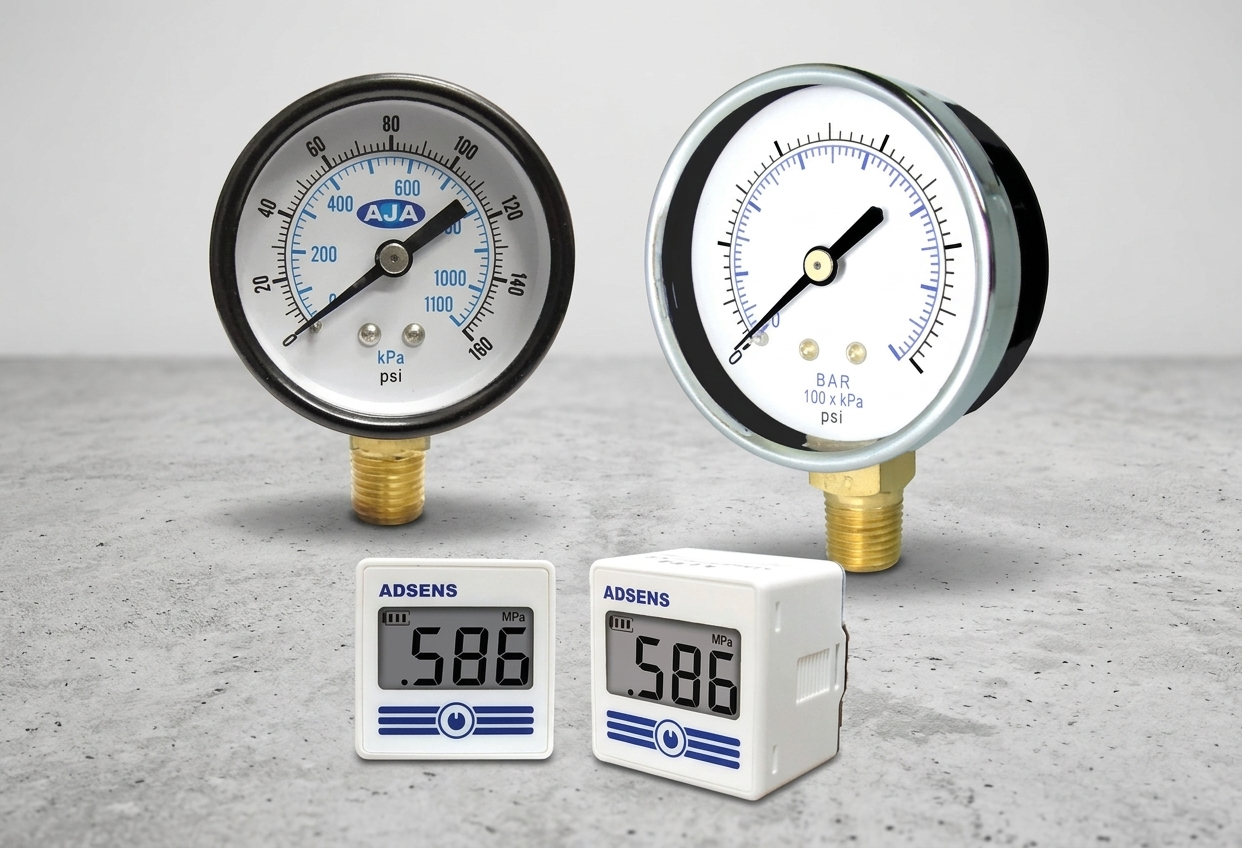
Tips and pointers on when the dial gauge is the right call — and when the spec needs to step up. Scroll the strip →
Every regulator, receiver, and instrument tap in a plant carries one — a mid-size plant has 50–200 gauges installed. Quote one with every FRL service kit; the bowl is already off and labor is already happening.
Mechanical Bourdon tube reads pressure with no electronics, no signal wiring, no HMI dependency. Survives vibration, reads instantly — the day-to-day plant tool for operators and maintenance.
A 50-FRL plant runs through one box of 12 every 12–18 months. Single-spec stocking (2", 0-160 PSI, glycerin, 1/4" NPT, lower-mount) simplifies the MRO crib and locks in the standing reorder.
Needle should ride mid-scale — 90 PSI system takes 0-160 PSI, not 0-100. A pinned-near-max gauge stresses the Bourdon tube and dies in 1–2 years; correctly-sized runs 10+. Glycerin-fill on any vibrating install for 3–5× life.
Dial gauges serve visual reading, not the controller — alarms, recipe control, and data logging need a digital output. → Switch to a pressure transducer/sensor; dial gauge is for the operator, transducer is for the PLC.
Standard ±3-2-3% industrial accuracy fails the audit on regulated lines. → Spec Grade A ±1.5% with NIST-traceable calibration certificate; 3–5× the ASP but mandatory for the application.
Brass internals and ABS case fail fast on chlorinated, acidic, or washdown service; direct product contact violates HACCP. → Spec stainless 316 internals + stainless case + sealed-diaphragm isolating the Bourdon tube from process fluid.
From the machine spec sheet → to the part number. Answer what you know — leave the rest blank — and send.
Pressure gauges are commodity products customers stock by the box and order by the dozen — but the customer who buys whatever's cheap at the home center spends 3x what they should over 5 years on replacements. Frame the right gauge spec at the first quote and the customer buys correctly from then on.
Each industry below uses this product across the listed areas. Open an industry to see how it fits the rest of its system.
Also applies to FRL regulator outlets · Air receiver / wet tank · Compressor discharge head · Refrigerated dryer inlet and outlet · Coalescing filter inlet and outlet ports · Instrumentation calibration ports · Pneumatic test stands · NOT typically used for
Every entry is a real product on this site — linked, not just named. Quote them on the same line item.
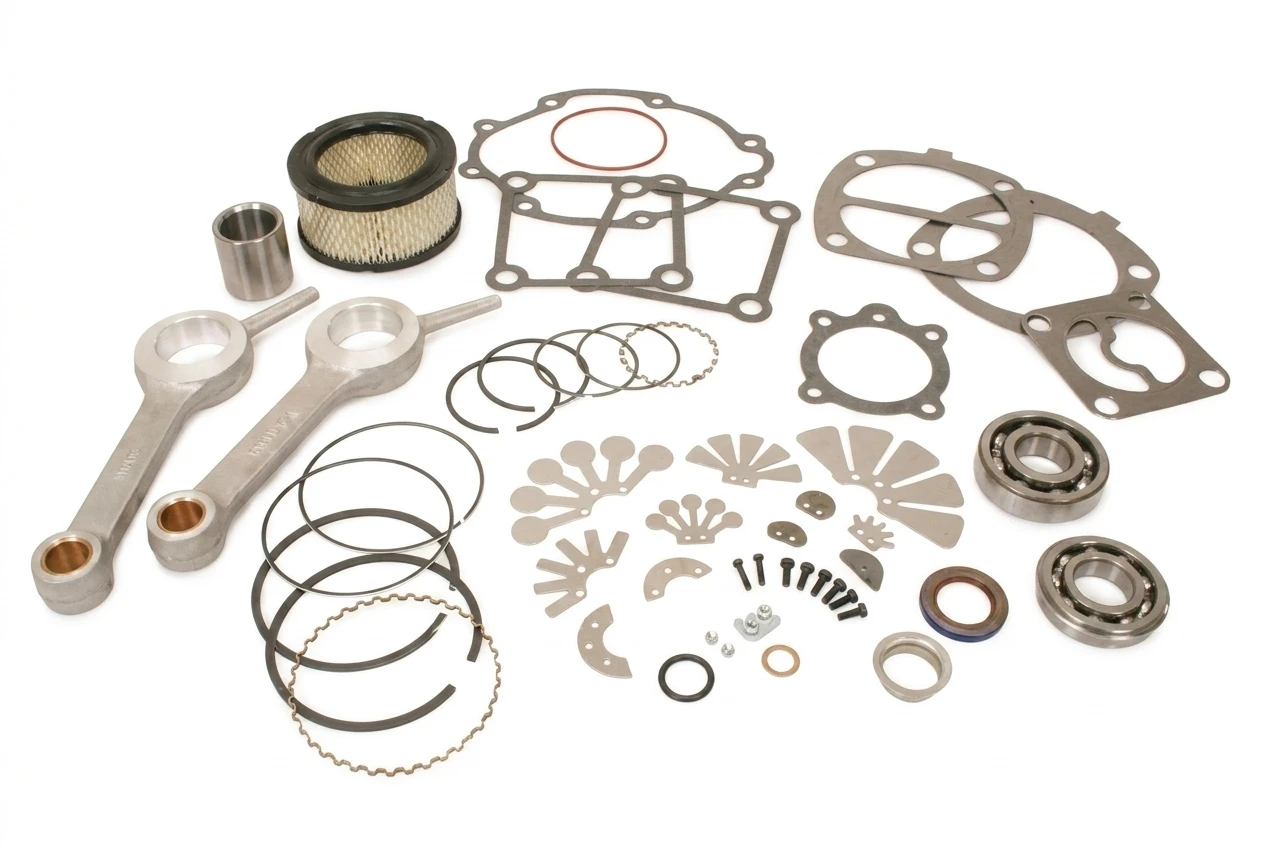
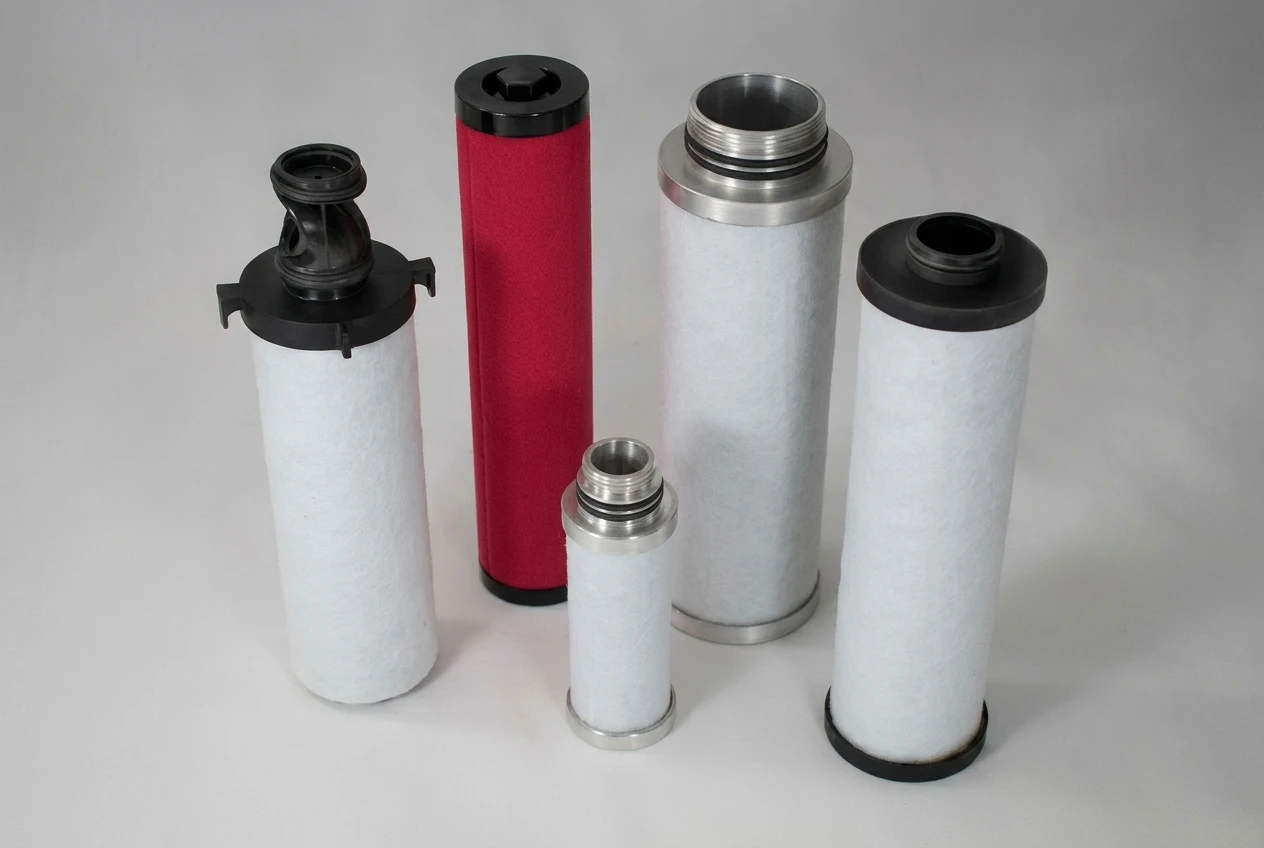

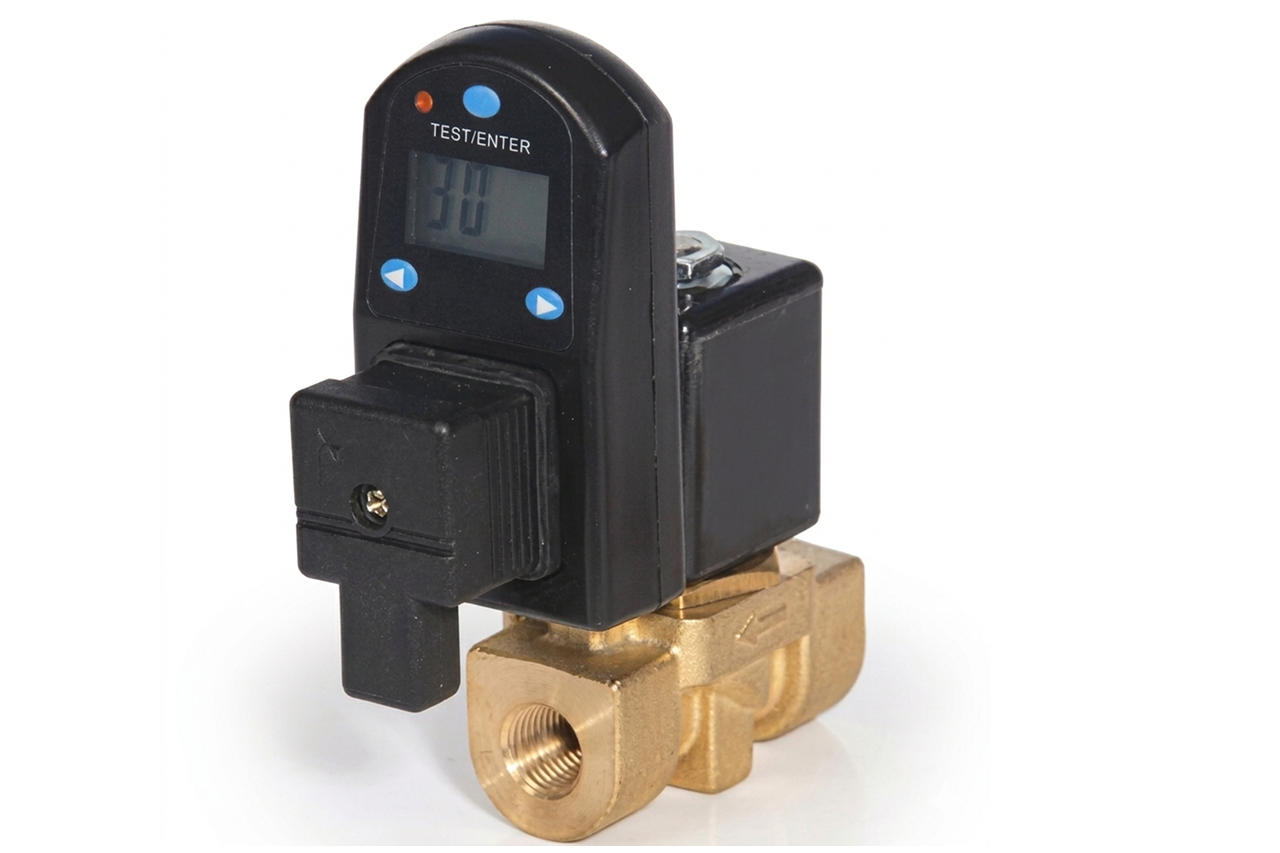
Quote pressure gauges by the box of 12 against the plant's MRO crib — a 50-FRL plant runs through one box every 12-18 months. Single-spec stocking (one common SKU across the plant) simplifies replacement and locks in the standing reorder.
Send us the application — a specialist routes you to the correct tier with a configured part. Lead-times and pricing returned within one business day.
—. We reply within one business day with pricing, lead-time, and configured parts.