DISTRIBUTOR-FIRST SUPPLY PARTNER · SINCE 1999 Live · Pneumatic Automation System

SPC Company
Pneumatic Automation / Air Preparation / FRL Units / FRL Combination Unit
Layer 01 · Air Preparation Industry Leader · SMC Emerging · AIGNEP Economical · Midwest Controls
01What it is

FRL Combination Unit

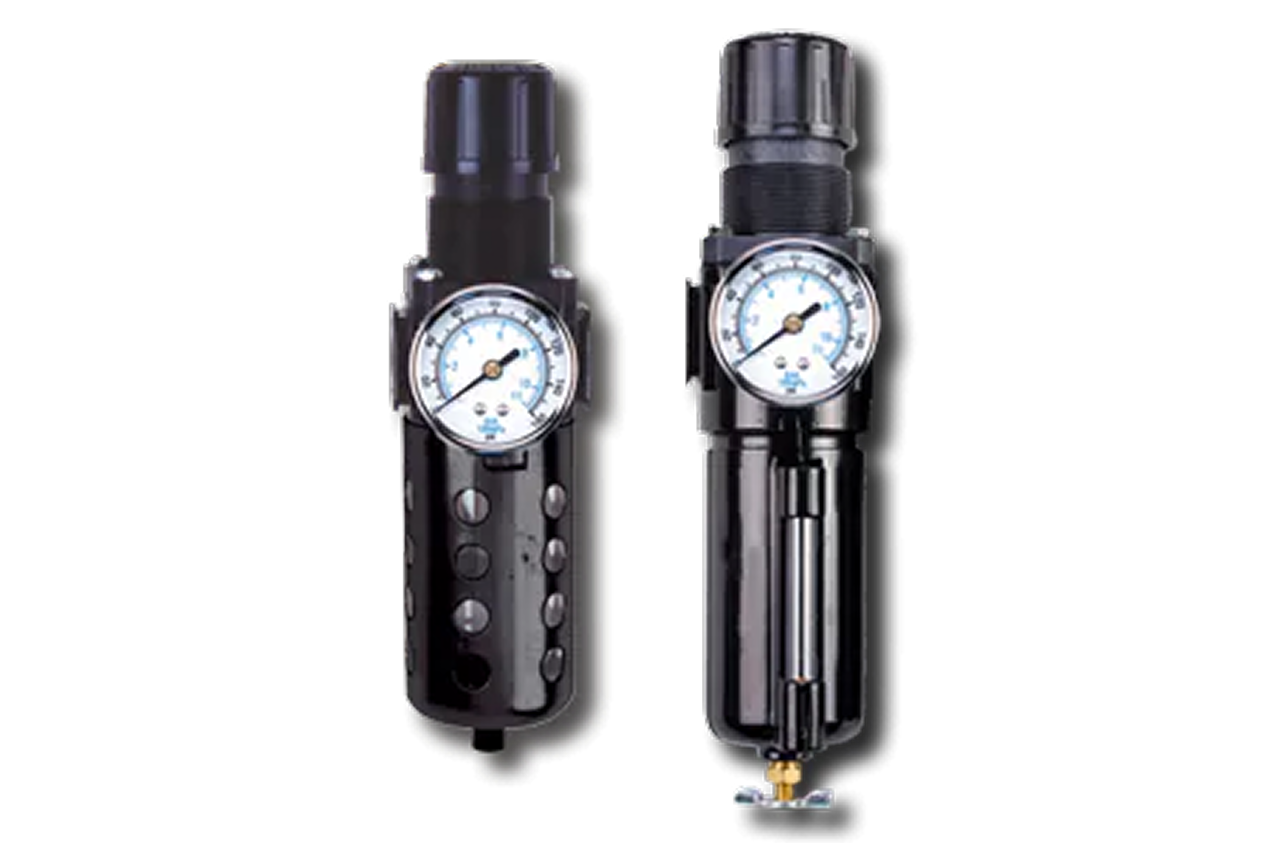
An FRL combination unit is a single assembly that combines all three air-preparation stages — Filter, Regulator, and Lubricator — in one integrated body with shared internal air passages and one set of pipe connections. It mounts on a machine's air inlet and delivers air that is clean, set to the right pressure, and lubricated where the equipment calls for it. A common sub-form drops the lubricator and combines just Filter and Regulator (F+R); the full three-stage build is the F+R+L. The combination format trades flexibility for cost and simplicity. Because the stages share one body, a combination unit is the economical, fast-to-install choice for a standard machine drop that needs one fixed air-prep configuration and is unlikely to change — it is the most common air-prep build in a plant. Its limit is the flip side of that integration: if a single stage needs a different filter grade, a second regulated pressure, or individual replacement, the whole unit is the unit of change. Where that flexibility matters, a modular train of standalone units is the alternative — that trade-off is decided at the category level. In the system the combination FRL sits at the machine inlet: downstream of the branch drop and its shutoff valve, upstream of the machine's directional valves and actuators.
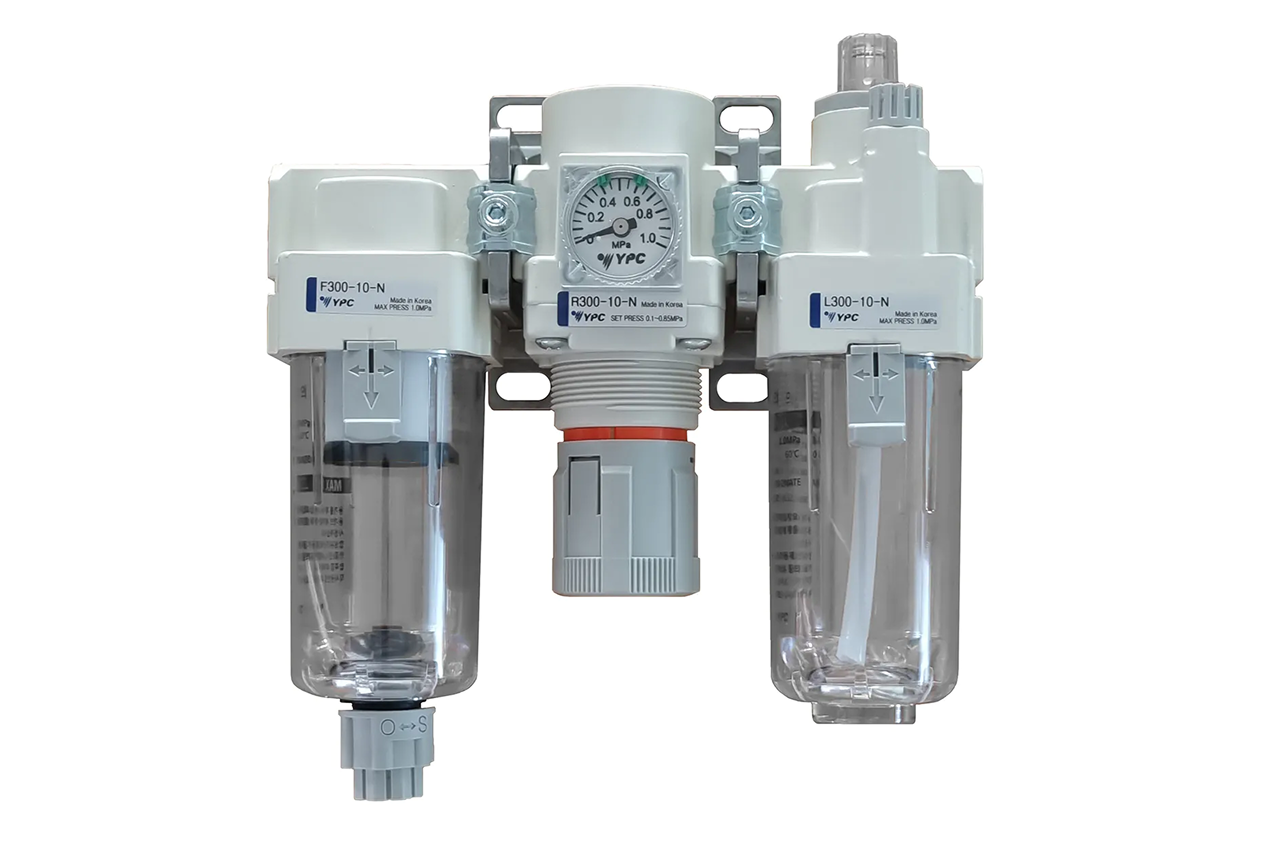
Real-world reference Representative frl combination unit
FRL Combination Unit — representative product photo
Pictorial Schematic-aware drawing
Schematic ISO 1219-1 reference
02Why it's needed

Why this matters.

Tips and pointers on when a combination FRL is the right call — and when to split the stages or swap the build. Scroll the strip →

01 · Key point
Three jobs in one body.

Filter, regulator, and (where called for) lubricator share one body, one set of pipe connections, and one mounting bracket — the cheapest, fastest-to-install air-prep build at the machine drop.

02 · Key point
It catches header-borne crud.

Central filtration can't fix what the air picks up on the run — rust, pipe scale, re-condensed moisture past the dryer. The FRL at the machine inlet is the last line of defense before valves and actuators see the air.

03 · Key point
It sets pressure to spec.

Plant header runs 100+ PSI to satisfy the highest-pressure consumer; most machines need 60–90. The FRL drops to spec and holds it — every PSI dropped saves ~0.5% compressor energy.

04 · Pro tip
Size port to peak SCFM, not steady.

Undersized port = regulator droop under valve actuation — set to 90 PSI at idle, reads 70 PSI mid-cycle. Spec port to peak machine surge, max-inlet above worst-case compressor spike (150–250 PSI), metal bowl if synthetic oil.

05 · Where not to use
Modern non-lubricated equipment.

Anything 2010+ runs on self-lubricating internals — added oil fouls sensors and contaminates product. → Re-spec to filter-regulator (F+R); the lubricator stage is the maintenance bill you'll be blamed for.

06 · Where not to use
Stages need different specs or service.

If filtration grade, regulator pressure, or service cadence must differ between stages, the shared body becomes a constraint. → Build a modular train from standalone filter + regulator + lubricator instead.

07 · Where not to use
Synthetic oil with polycarbonate bowl.

PAO synthetic compressor oils chemically attack polycarbonate — cracking under pressure is a real safety risk, not cosmetic. → Spec metal or stainless bowl on any plant running synthetic; audit the lubricant before quoting.

03Key selection criteria

What we need to spec it right.

From the machine spec sheet → to the part number. Answer what you know — leave the rest blank — and send.

01 · Input
Pull from the machine spec sheet or measure actual demand at peak cycle — sizing to steady-state instead of peak surge is the #1 cause of regulator droop under valve actuation.
Low (< 20 SCFM — small workstation tools) · Mid (20-80 SCFM — typical machine drop) · High (80+ SCFM — large presses, multi-cylinder cells)
02 · Input
Read from the machine nameplate. Must fall within the regulator's outlet range; above 125 PSI you need a heavy-duty series.
60-80 PSI (light automation) · 80-100 PSI (general machine) · 100-125 PSI (heavy-duty) · 125+ PSI (heavy-duty series required)
03 · Input
Verify worst-case spike events when the compressor unloads — must stay under the FRL's max inlet rating, not just steady-state.
Up to 150 PSI · 150-200 PSI · 200-250 PSI (heavy-duty series)
04 · Input
Check the equipment spec sheet for "lubricated air required" vs. "non-lubricated." Anything 2010+ is almost certainly non-lubricated — quote a filter-regulator instead and save the maintenance bill.
Full F+R+L (legacy oiled tools, impact wrenches, jackhammers) · F+R only (modern automation, robotics, food/pharma)
05 · Input
Audit the compressor lubricant before quoting — PAO synthetic oils chemically attack polycarbonate and crack it under pressure.
Polycarbonate (mineral-oil compressor, clean indoor) · Polycarbonate with metal guard (impact risk) · Metal (synthetic oil / heavy-duty) · Stainless (food / washdown / pharma)
06 · Input
Based on the customer's maintenance practice and whether the drop is attended.
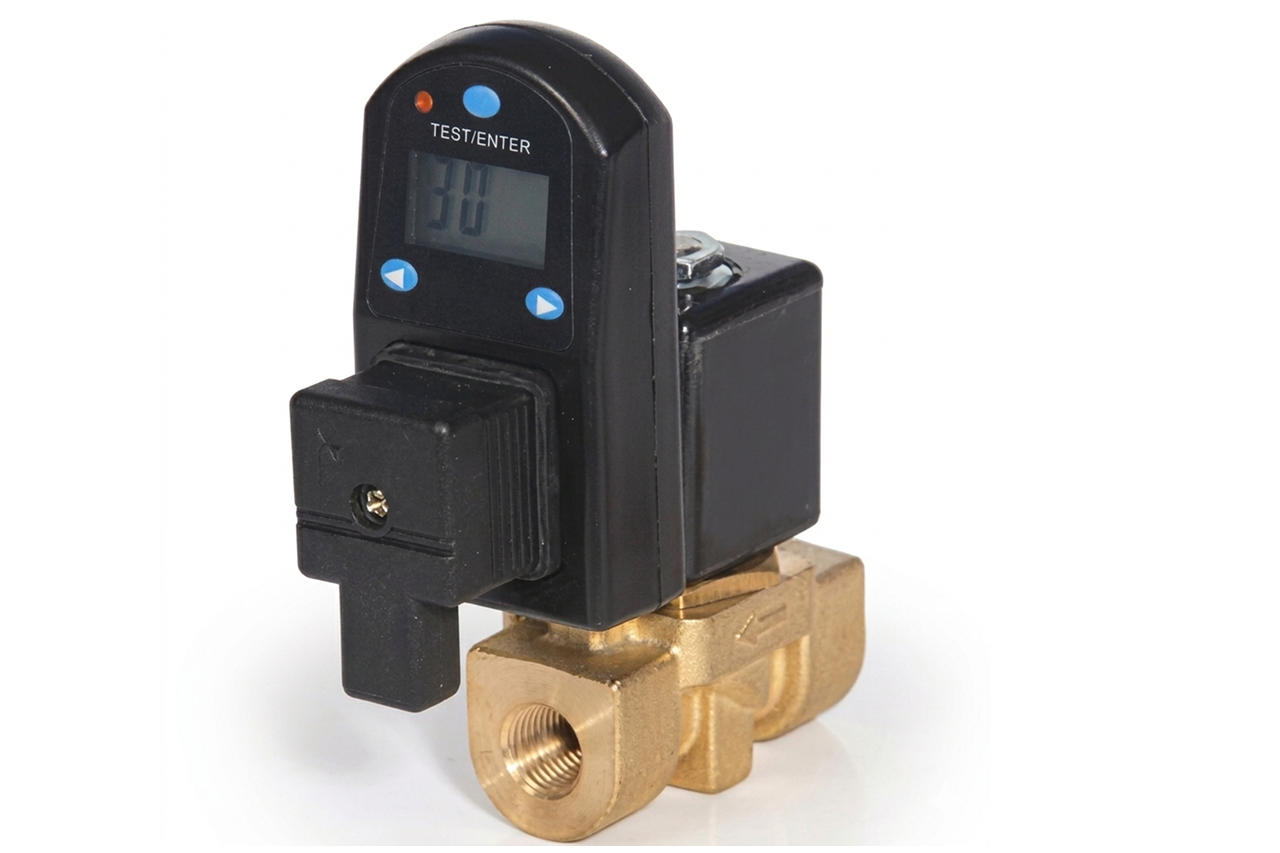
Manual (cheapest, operator-dependent) · Semi-automatic (releases at zero pressure) · Auto float (mandatory on unattended drops) · Electronic timer (humid plants, heavy condensate)
07 · Input
Port size sizes to peak SCFM; thread type pulled from the connecting piping spec. Mismatched threads do not seal — never assume.
Sizes: 1/8" · 1/4" · 3/8" · 1/2" · 3/4" · 1" · Threads: NPT · BSPT (tapered) · BSPP (parallel)
08 · Input
Note any air-prep brand an OEM drawing specifies so the quote can match it or offer a verified cross-reference. Substituting without permission is how returns happen.
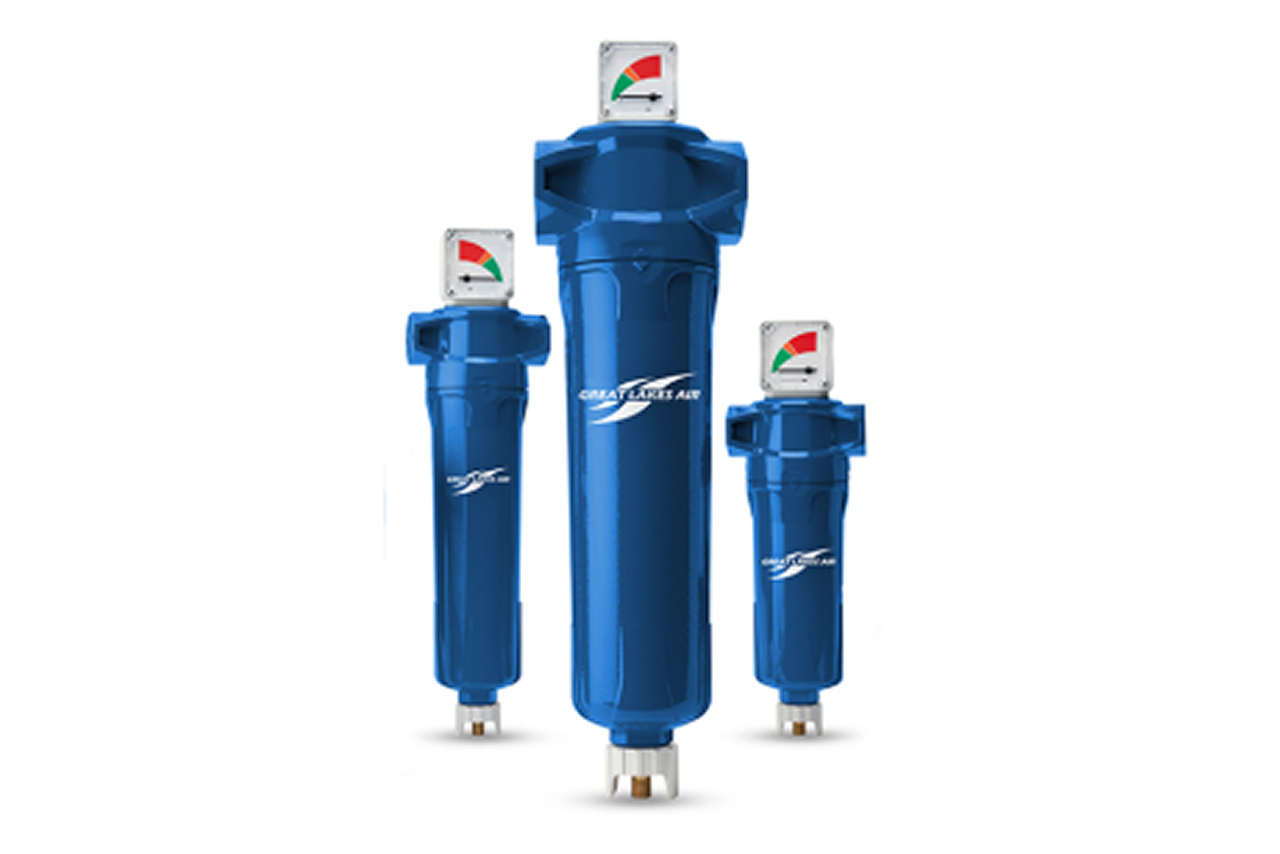
Industry Leader tier (spec'd-in OEM) · Emerging tier (value-tier equivalent, NSF stainless available) · Economical tier (economy MRO drop-in) · Match existing brand
09 · Input
Number of FRL units for this configuration. Need different port sizes or pressure ranges? Add a separate quote line per variant.
1 unit · 2-5 units (machine fleet) · 10+ units (plant standardization)

Need different sizes, colors, or quantities? Fill the form, add to quote, then fill again — each click is one quote line.

04Choose your solution tier  ·  core differentiator

Whatever your lever — spec, value, or price — SPC has the right brand.

Most distributors sell one brand per product type. SPC's 60-brand portfolio means every Product Type page surfaces three real options matched to how your customer is buying today. Pick the tier; the quote desk handles the cross-reference.

05How to sell this  ·  distributor talk track

The tier conversation closes the deal. The cross-reference catalog wins the next one.

The FRL is the most common quote you'll write, and the buyer almost never starts with a brand. They start with a lever — listen for it.
The SPC difference · how distributors actually buy

The 30-second positioning

The lever decides the tier. "It's on the print" is an Industry Leader call: quote the spec'd brand exactly, don't substitute without permission. "We need NSF" or "we need ATEX" is a certified-application call: the value-tier certified option is the right path. "What's your cheapest" or "MRO replacement" is the Economical tier: offer a one-line note that an Industry Leader equivalent exists if reliability gets pushed back upstream.
This is the conversation a single-brand distributor can't have. One FRL brand per category is the industry default. SPC has three real choices on the same line item — that's why distributors call us when their first-call supplier comes back with one option.
Verify the F+R vs. F+R+L question before quoting. If the equipment spec sheet says "non-lubricated air," the FRL combination unit is wrong — quote a filter-regulator instead and save the customer a maintenance bill. Anything 2010+ is almost certainly non-lubed.

Customer cue → talk move

""It's on the print — [brand + model]""
Quote the exact part. Don't substitute without permission.
""What do you have that's cheaper?""
Economical tier drop-in. Note Industry Leader equivalent if reliability matters.
""NSF food-grade required""
Emerging tier with NSF stainless bowl. Flag certified SKU as [VERIFY].
""It runs synthetic compressor oil""
Push to a metal bowl regardless of tier. Polycarbonate will crack.
""Unattended line — no one drains it""
Spec the auto-float drain. Quote an electronic-timer drain too if condensate load is heavy.
""We had one fail and we don't know why""
Open troubleshoot. Bowl crack, regulator droop, or seized lubricator solves 80% of returns.
09Install · 6 critical steps

The things that matter on the first install.

Step 01
Mount vertically
Filter and lubricator bowls must hang straight down. Tilted = drain fails, oil delivery starves, condensate carries through. Not optional — this is the #1 install miss.
Step 02
Match the flow arrow
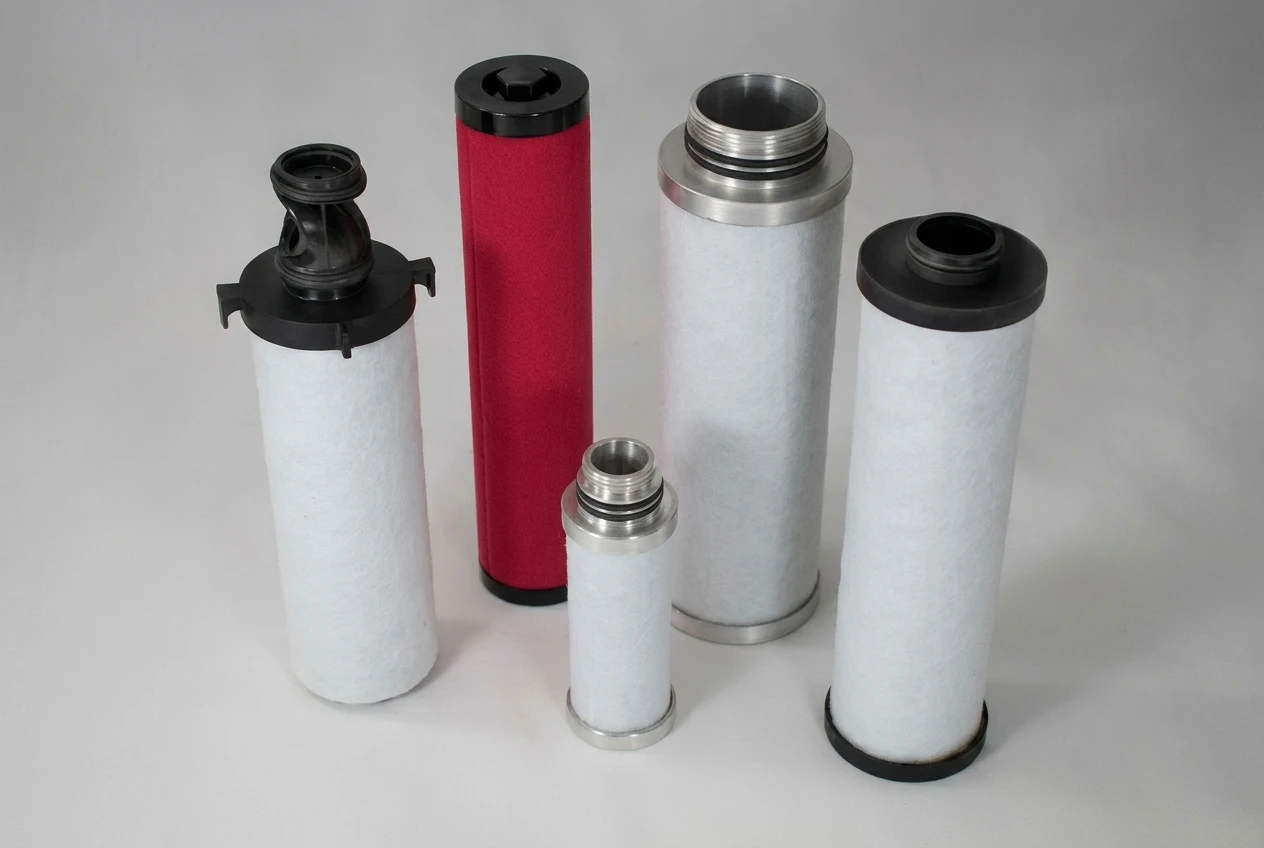
Air-flow direction is stamped on the body. Backwards installs bypass the filter element entirely — air enters the wrong port, skips the element, exits without filtration. Unit looks fine; equipment downstream slowly fails.
Step 03
Add an upstream isolator
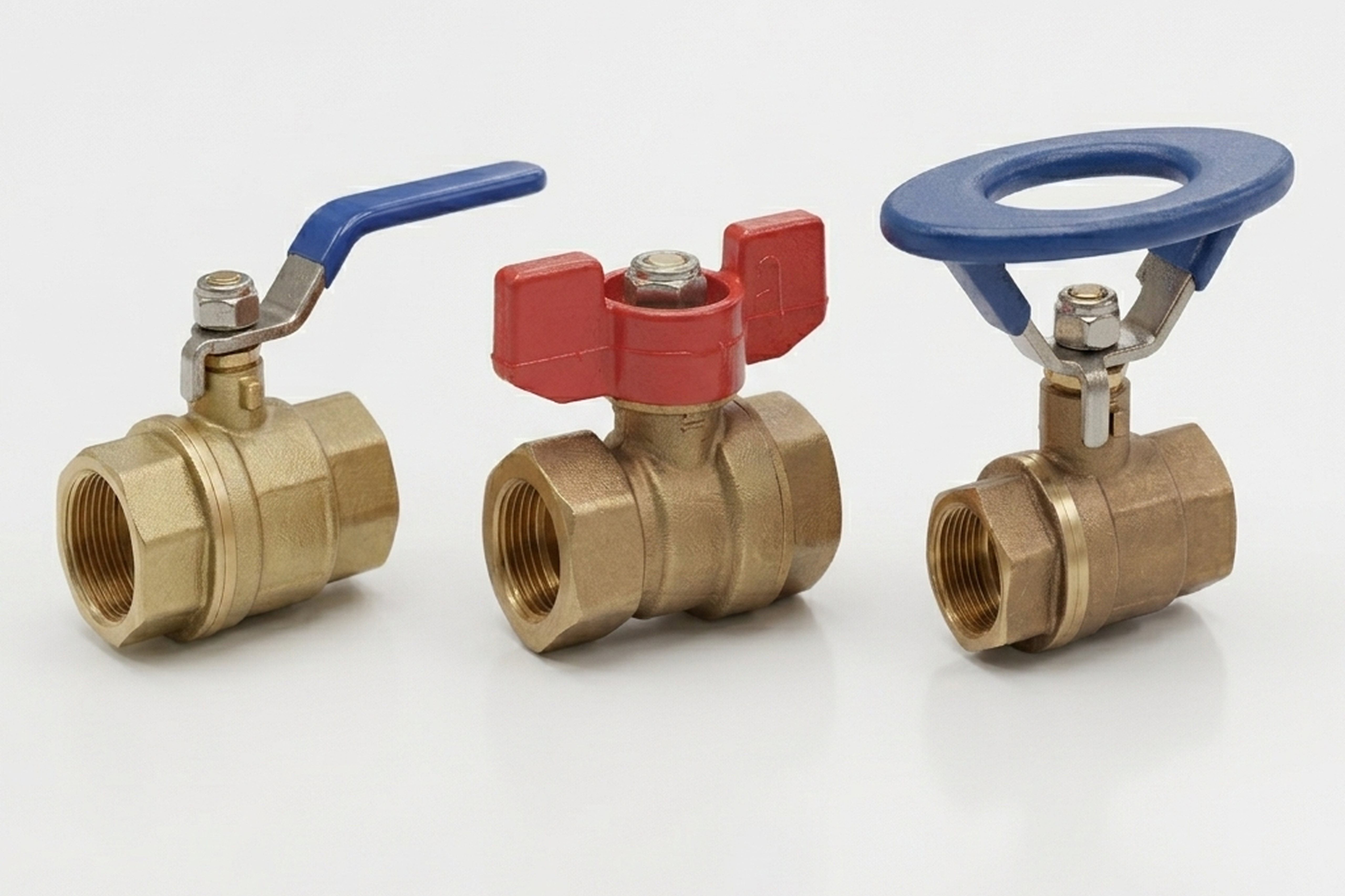
Install a quarter-turn pneumatic shutoff valve before the FRL — this pressure-locks the line for bowl service without bleeding the whole drop. Operators won't service the bowl if it requires shutting the whole machine.
Step 04
Set the regulator under load
Adjust pressure with the machine actually drawing air. A static setpoint droops under real load — a regulator set to 90 PSI at idle reads 70 PSI mid-cycle. Set under load, then lock.
Step 05
Fill the lubricator (if F+R+L)
FRLs ship dry. Use the manufacturer-listed oil — typically ISO VG 32 air-line oil, NOT motor oil or compressor oil. Set drip rate to spec (1 drop per 1–5 strokes for most equipment).
Step 06
Tag the unit with element type + refill cadence
The next operator won't know it has a lubricator unless you label it. Stick-on tag with oil grade and refill interval — otherwise it runs dry within months and the equipment fails for a $5 reason.
10Troubleshoot · top failures

Most returns trace to one of these causes.

Symptom
Most likely cause
Fix
Polycarbonate bowl cracked or hazy
Synthetic compressor oil or solvent vapor in the air stream. Polycarbonate is chemically incompatible with PAO synthetics — cracking under pressure is a real safety risk, not cosmetic.
Replace with metal-bowl variant immediately. Audit the compressor lubricant before re-installing. If synthetic oil is staying, every FRL on the plant needs the same upgrade.
Regulator droops under valve actuation
Undersized port relative to peak SCFM, OR relief seat blown out from an upstream pressure spike.
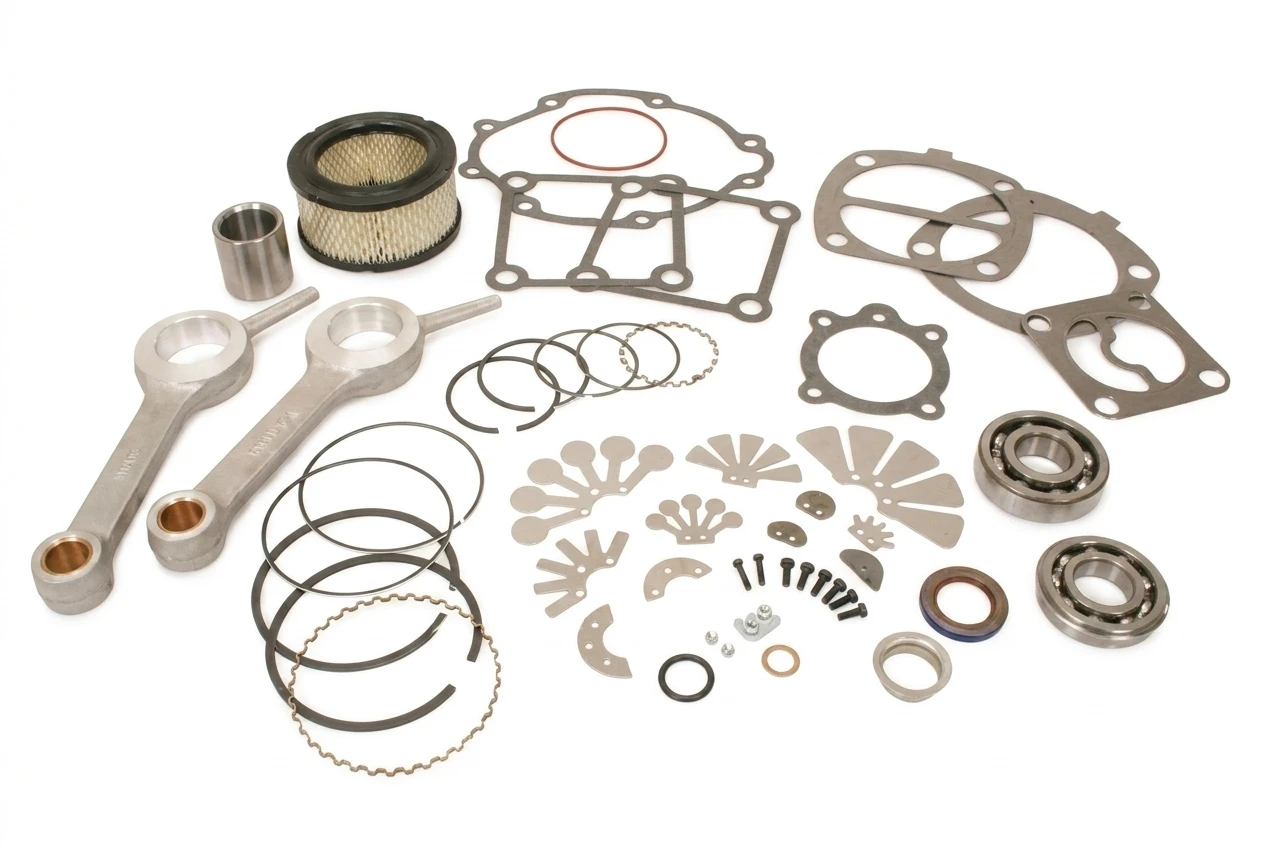
Re-size against the machine spec sheet. If the port is already correct, install a rebuild kit and verify max-inlet rating against actual plant spikes.
Lubricator stopped dripping
Wrong oil grade (too heavy), sight-glass orifice clogged, OR the FRL is past the first downstream branch (no flow through it).
Drain and refill with ISO VG 32 air-line oil. Confirm the FRL sits in the main flow path, not on a dead leg.
Setpoint drifts upward at no-flow
Non-relieving regulator + downstream check valve trapping the dead-headed line. Small seat leak slowly re-pressurizes the trapped volume.
Switch to a standard relieving regulator, or add a small relief valve downstream.
Bowl gasket weeps after service
Gasket not seated correctly, OR the bowl seat was damaged by prior over-torque, OR wrong gasket from a cross-reference error.
De-pressurize, re-seat per OEM instructions. If the bowl seat is gouged, replace the bowl.
Auto-drain not clearing condensate
Float fouled with debris, float stuck from shipping, OR the discharge line is blocked.
De-pressurize, remove drain, clean float chamber, verify the discharge path is clear.

Get the right frl combination unit on quote in 24 hours.

Send us the application — a specialist routes you to the correct tier with a configured part. Lead-times and pricing returned within one business day.

Request a quote