DISTRIBUTOR-FIRST SUPPLY PARTNER · SINCE 1999 Live · Product System

A replacement vacuum cup is the wear-item cup swapped out when an installed suction cup shows lip cracking, compression set, or surface gouges — the MRO (maintenance, repair, operations) consumable that runs on a 3-12 month calendar depending on cycle rate and surface abrasion. It is one quarter of the vacuum end-effector sub-system: ejector + suction cup + vacuum sensor + replacement cup, sold and quoted together. The replacement is matched to an installed OEM cup by series, diameter, style, material, and mounting geometry. A worn cup that loses its seal mid-cycle drops the workpiece — a stopped line, a downstream collision, or scrapped product, which is why mature maintenance organizations stock cups as a standing-reorder MRO line and replace on schedule, not on failure.
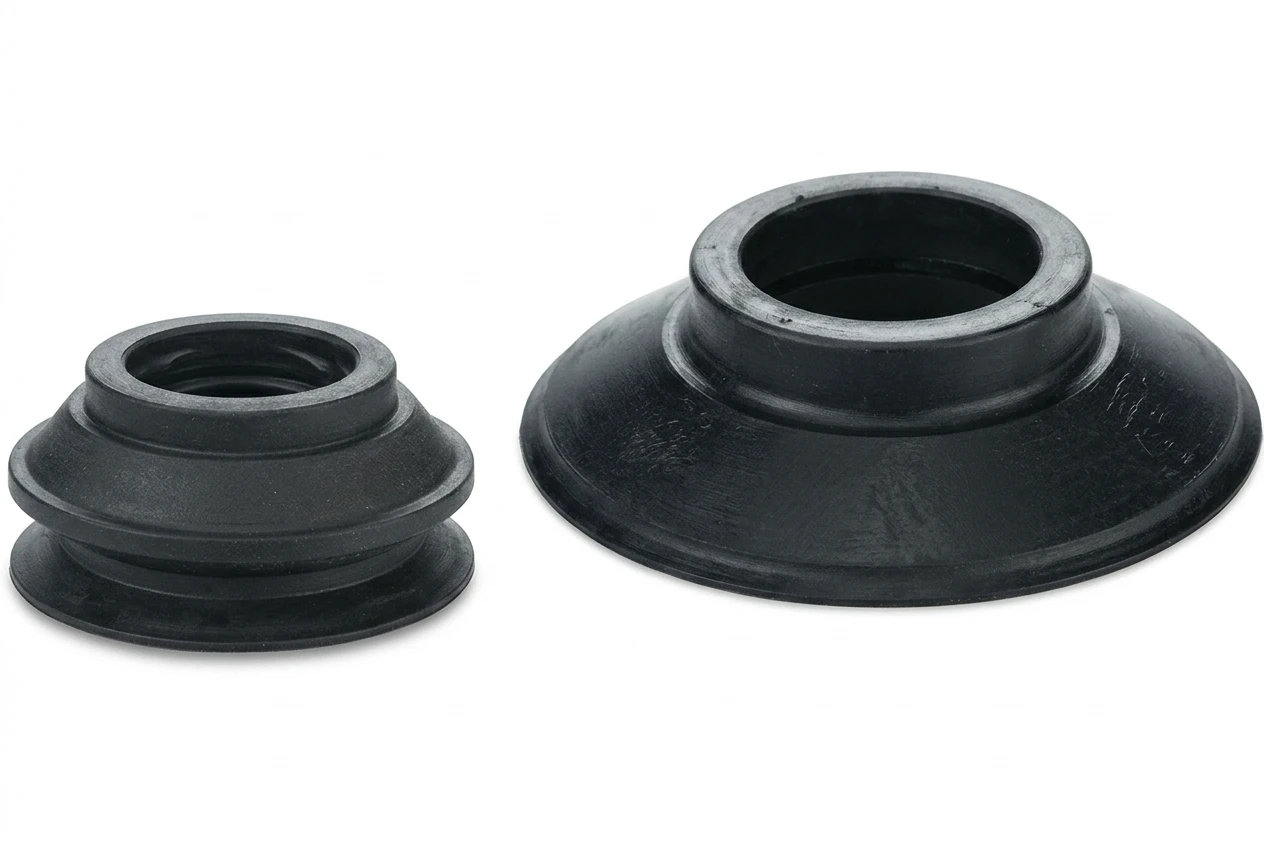
Tips and pointers on running a clean cup-replacement program — the crossover beats the OEM reorder every time. Scroll the strip →
Replacement cups are a cross-reference sale — match the installed OEM cup by series, diameter, style, elastomer, and mounting geometry. The aftermarket equivalent is identical physics at materially lower price and from stock.
Diameter, lip profile, wall thickness, and stem/thread mount must match the original within tight tolerance. A geometry mismatch reads as a wear problem — leaks at the cup-to-stem interface or partial seal at the lip.
High-cycle stations (>10 picks/min): 3–6 months. General production: 6 months. Low-cycle: 12 months. The cup is low-dollar; the dropped part — scrap, collision, stopped line — is not.
Measure the spent cup before ordering — diameter at the lip, height, mount thread or stem OD. Photograph any stamped markings. If the cup wears faster than expected, the original elastomer is wrong: upgrade NBR → urethane for abrasive, NBR → silicone for hot/chemical, NBR → EPDM for outdoor UV.
Unbranded cups with off-spec elastomer and inconsistent lip dimensioning win on unit price and lose on dropped-part incidents. → Stick to documented Industry Leader crosses with traceable elastomer chemistry on any production pick where a drop causes damage.
Food, pharma, and medical-device cups need FDA-grade silicone or VMQ with material certification on every reorder — no exceptions, no emergency substitution. → Re-spec to FDA-certified silicone and keep the cert on file for audit.
A recurring wear problem is rarely a cup quality problem — it's a spec problem. New workpiece, higher cycle rate, new release agent, hotter parts. → Re-spec the elastomer to the new conditions instead of reordering the same wrong cup every quarter.
From the machine spec sheet → to the part number. Answer what you know — leave the rest blank — and send.
Most distributors sell one brand per product type. SPC's 60-brand portfolio means every Product Type page surfaces three real options matched to how your customer is buying today. Pick the tier; the quote desk handles the cross-reference.
The new cup spec wins the line once. The replacement cup wins the line every six months for the next decade. Whoever owns the cross-reference owns the maintenance budget.
Each industry below uses this product across the listed areas. Open an industry to see how it fits the rest of its system.
 Food & Beverage Processing →
  Pharmaceutical, Medical Device & Laboratory →
 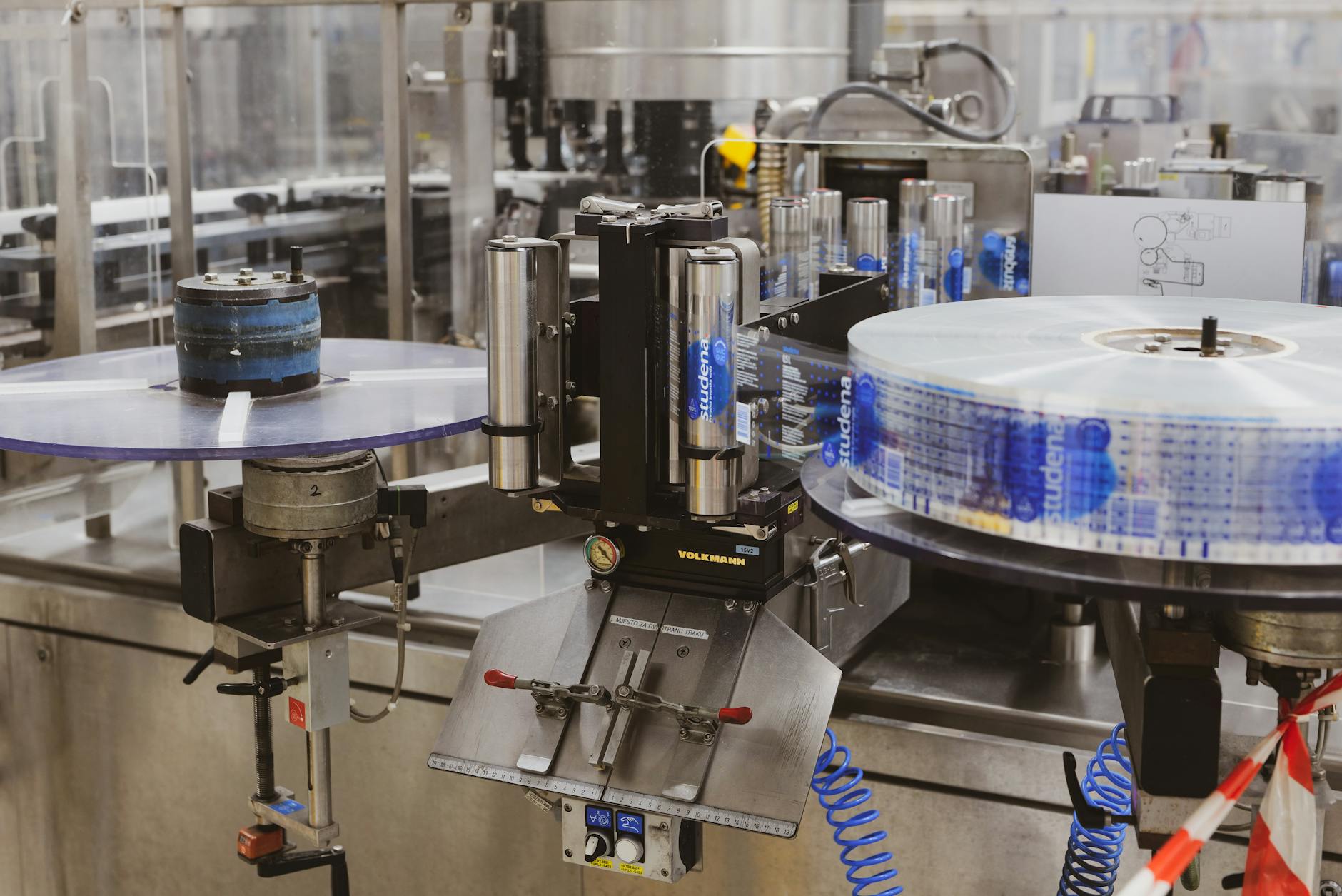 Packaging & Printing →
 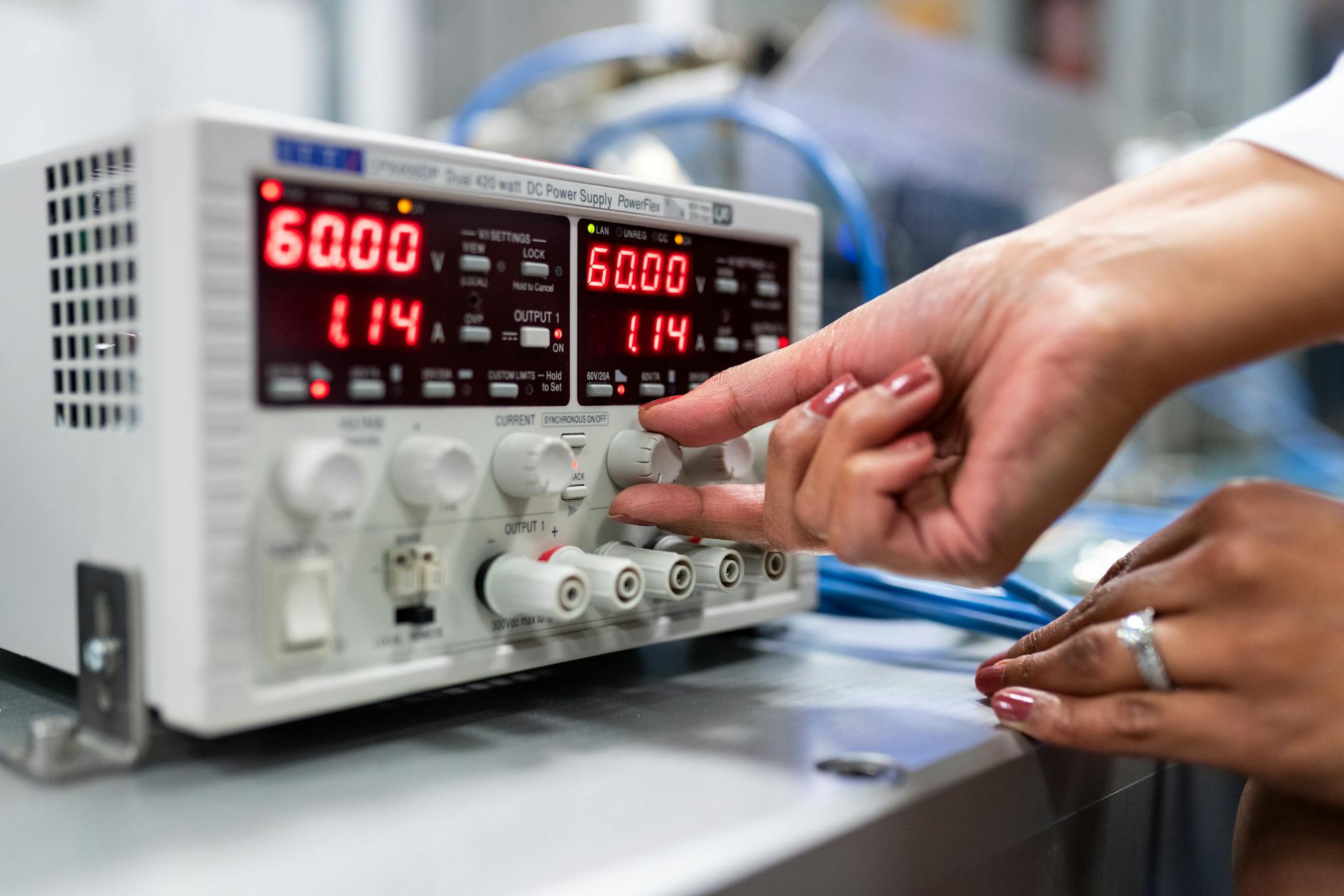 Electronics & Semiconductor →
 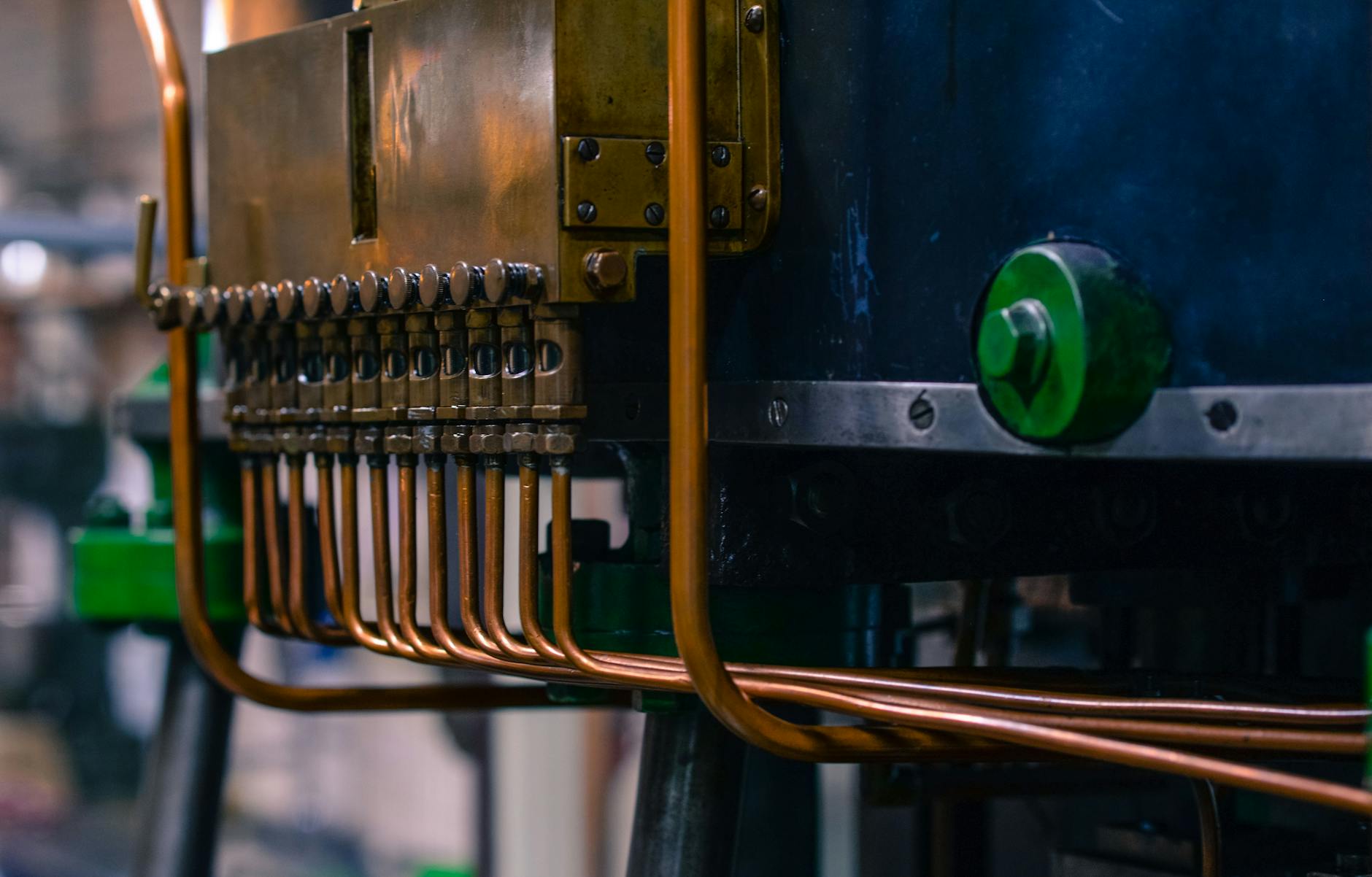 Metalworking & Fabrication →
 Also applies to Production maintenance / MRO crib at manufacturing plants · Robotic pick-and-place cells with high cycle counts · Plant-wide consolidation programs
Every entry is a real product on this site — linked, not just named. Quote them on the same line item.
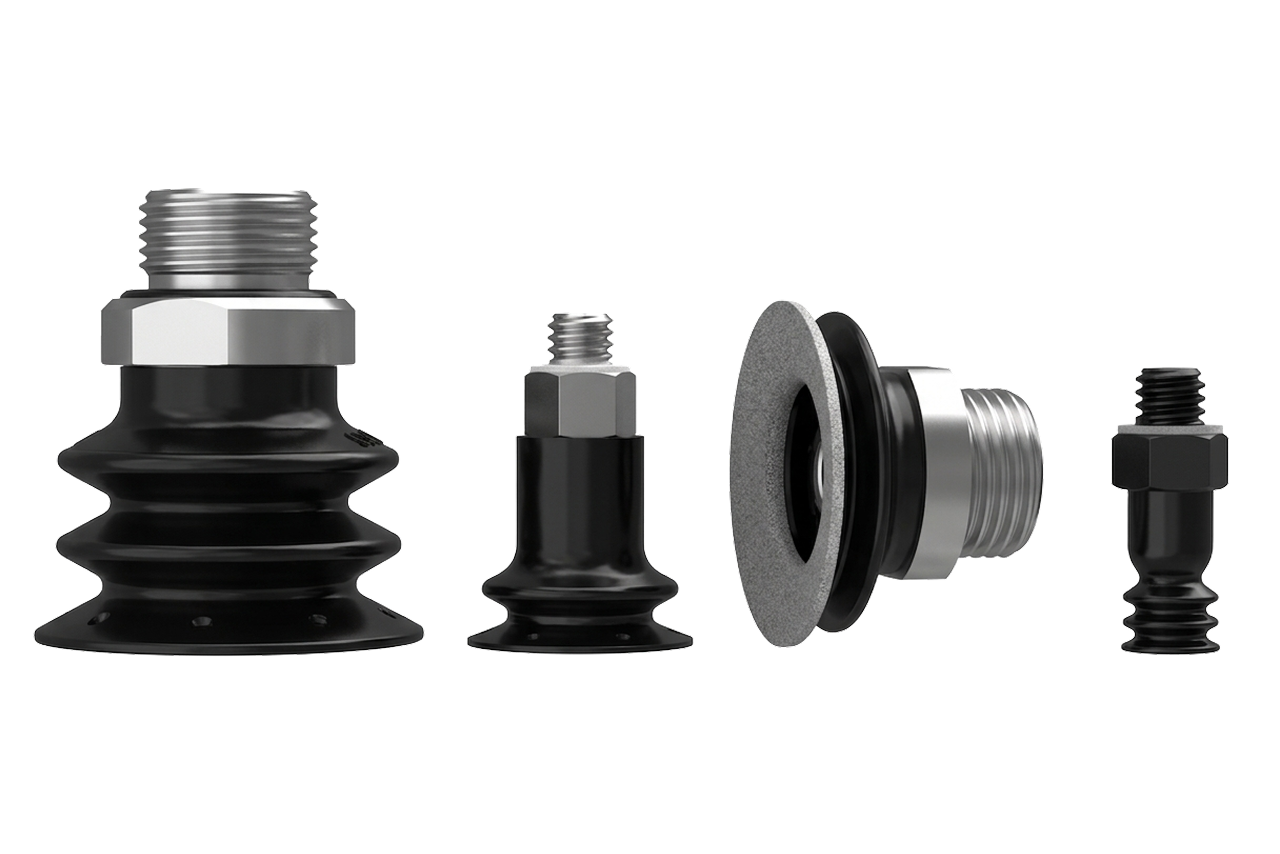
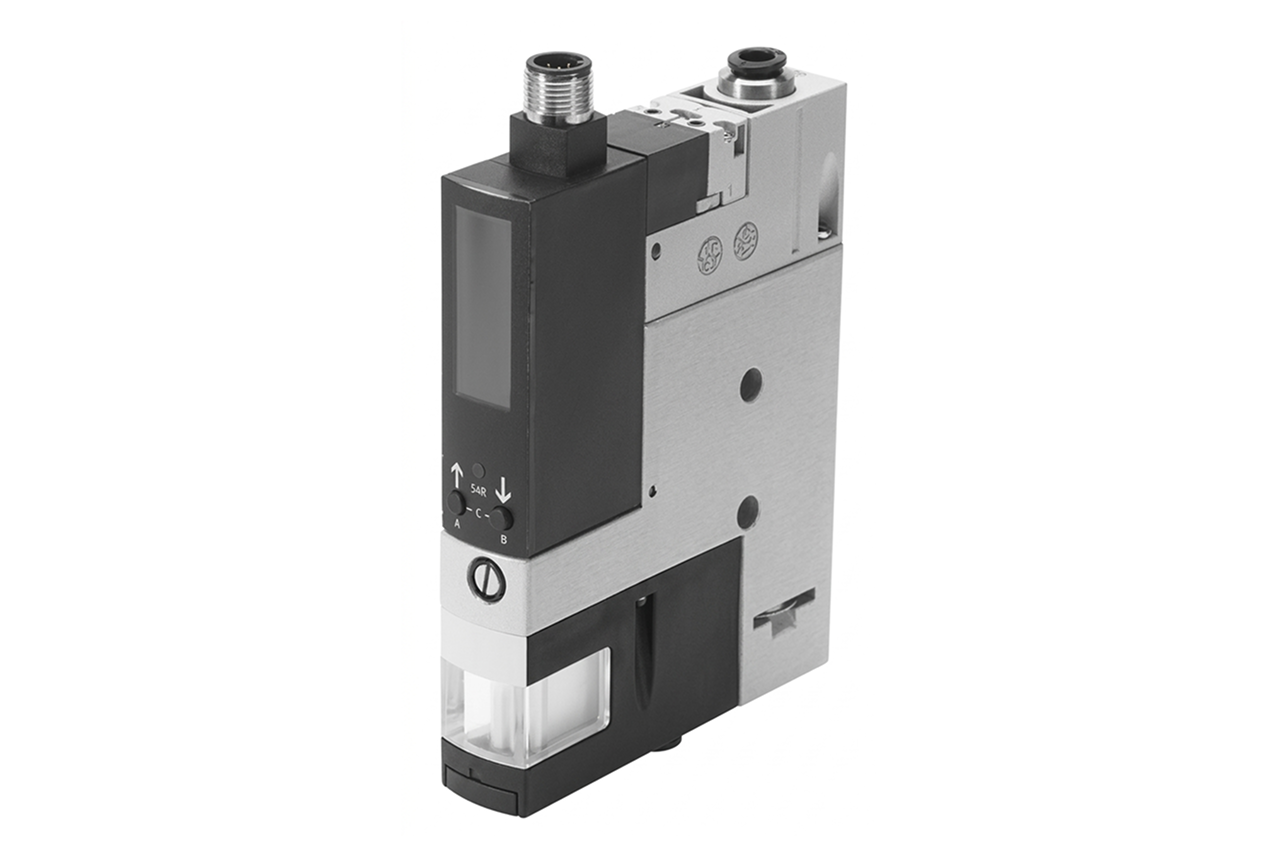
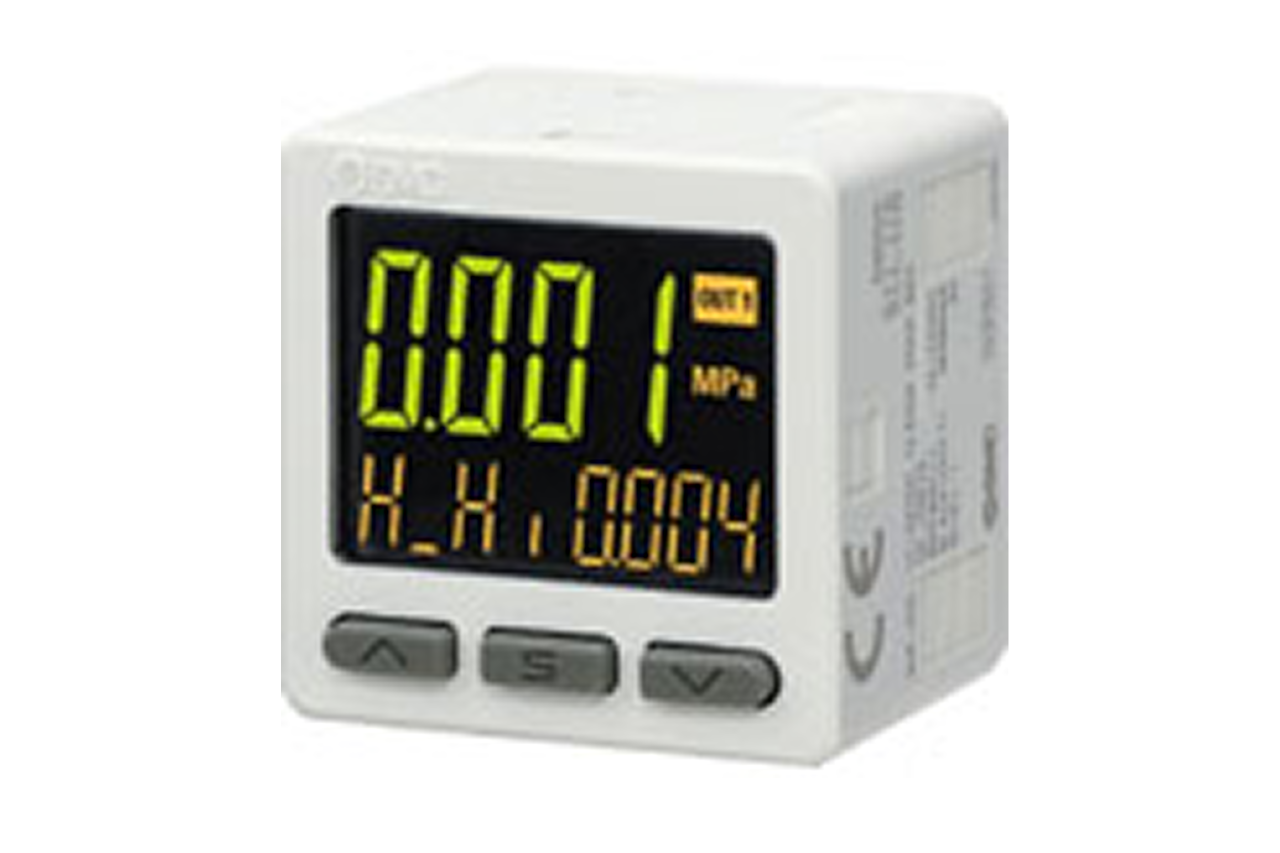
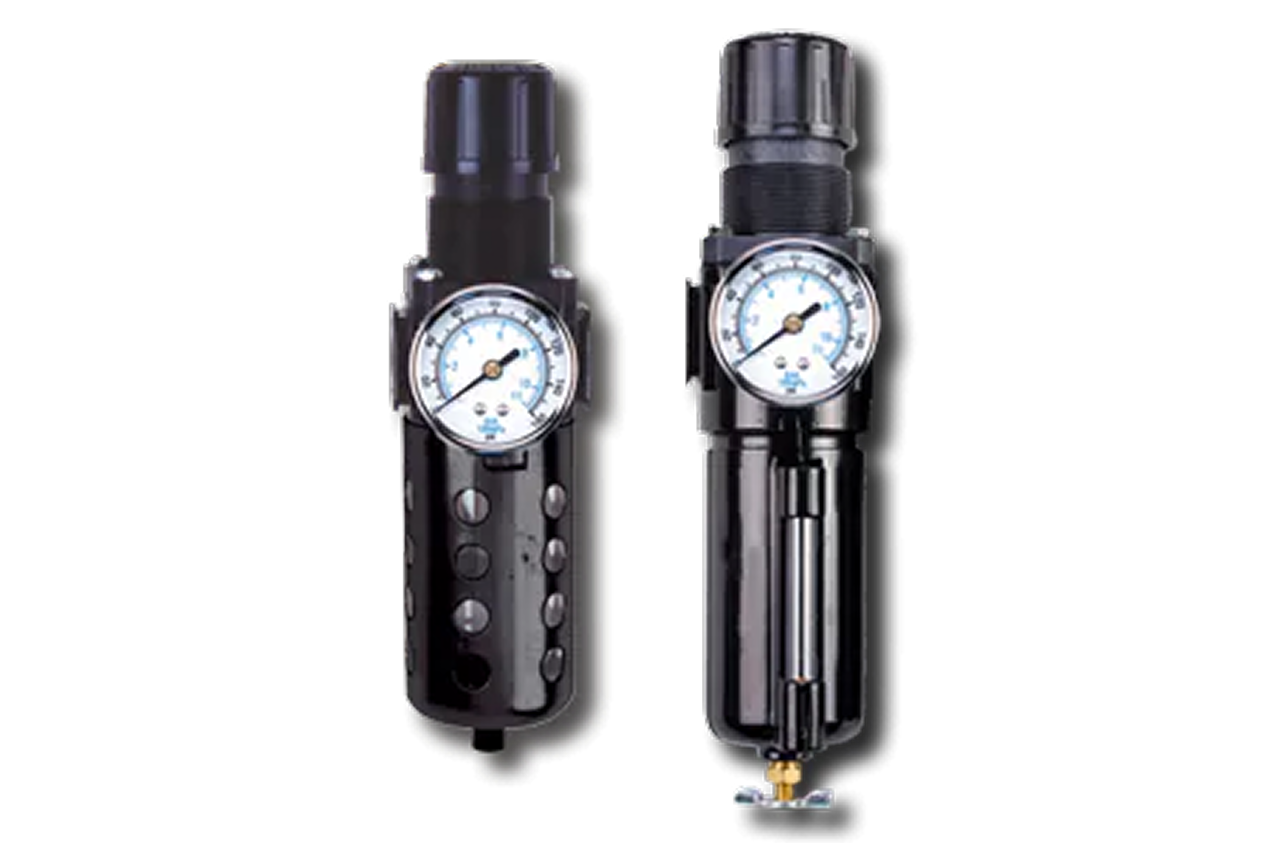
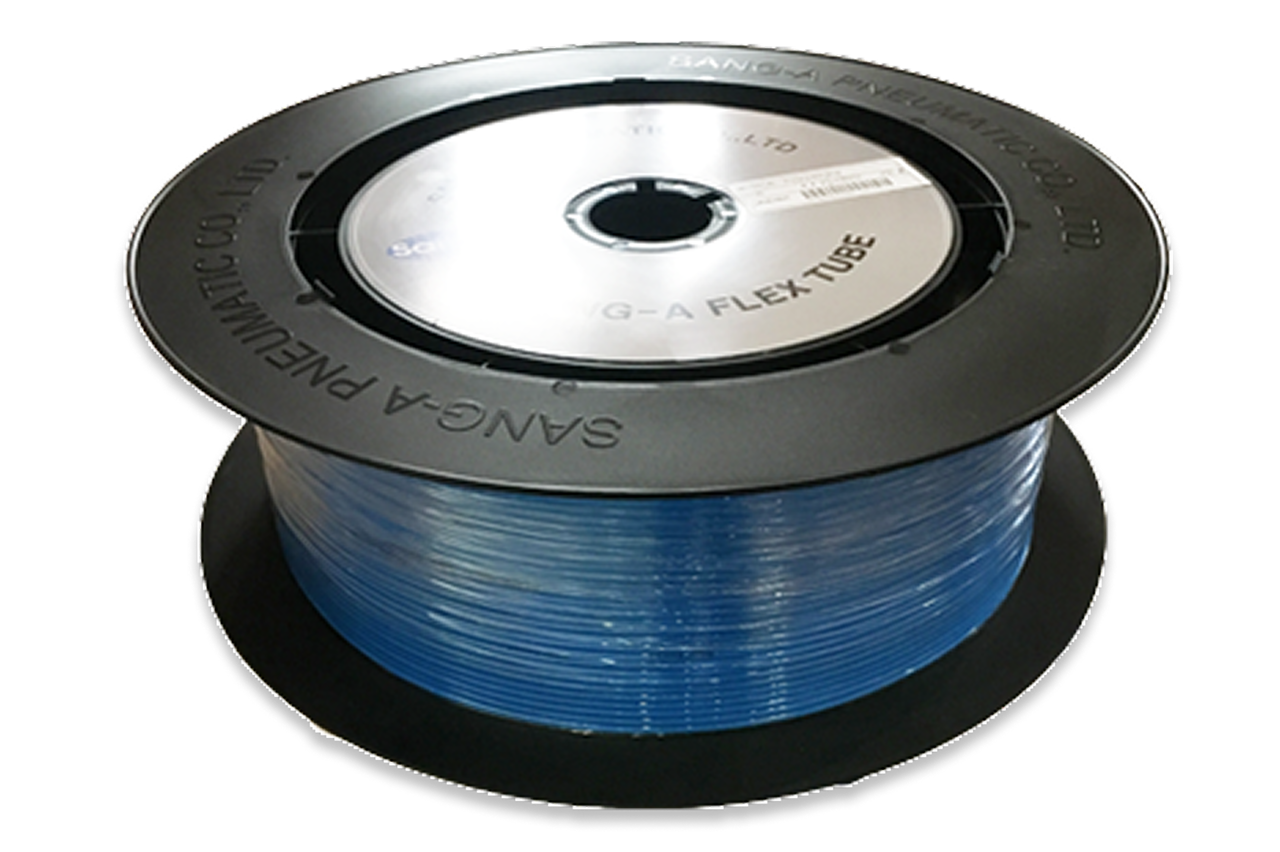
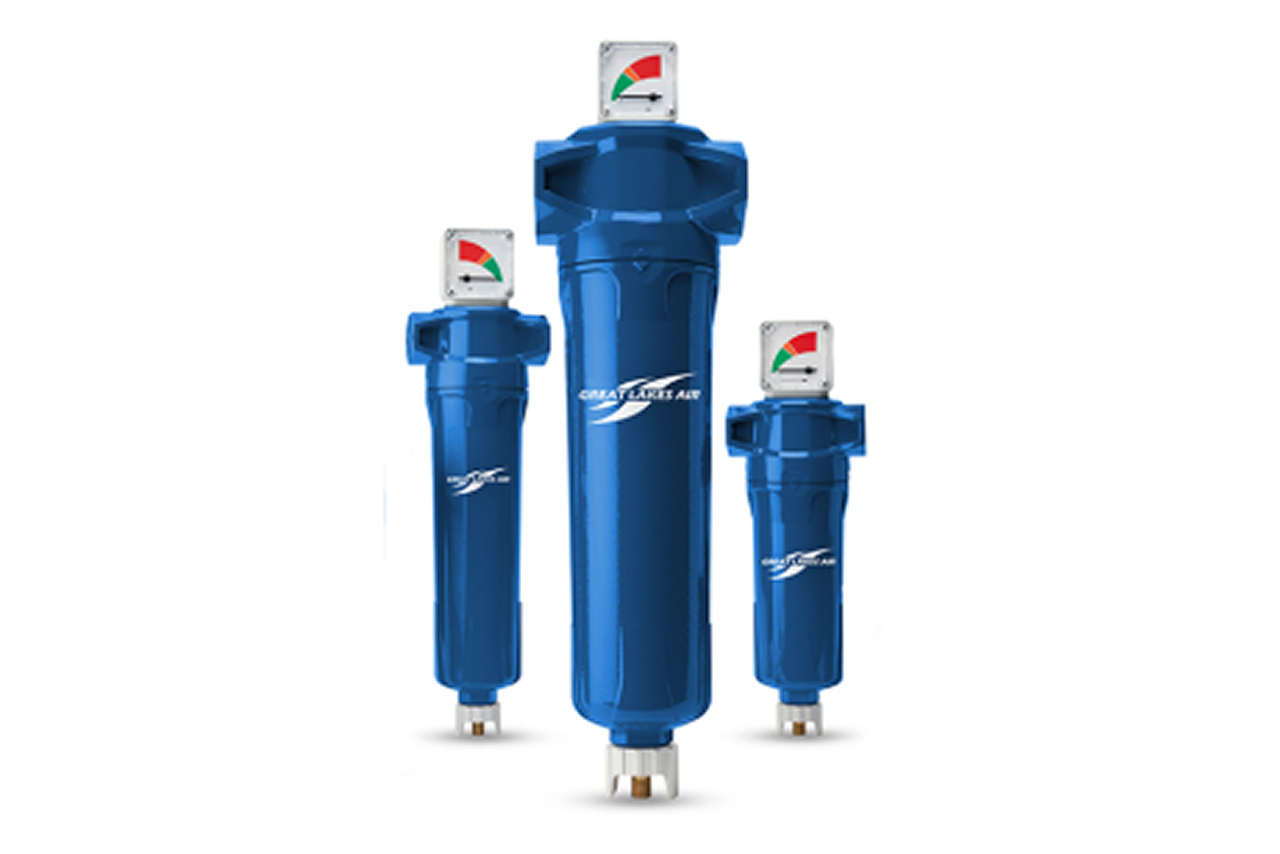
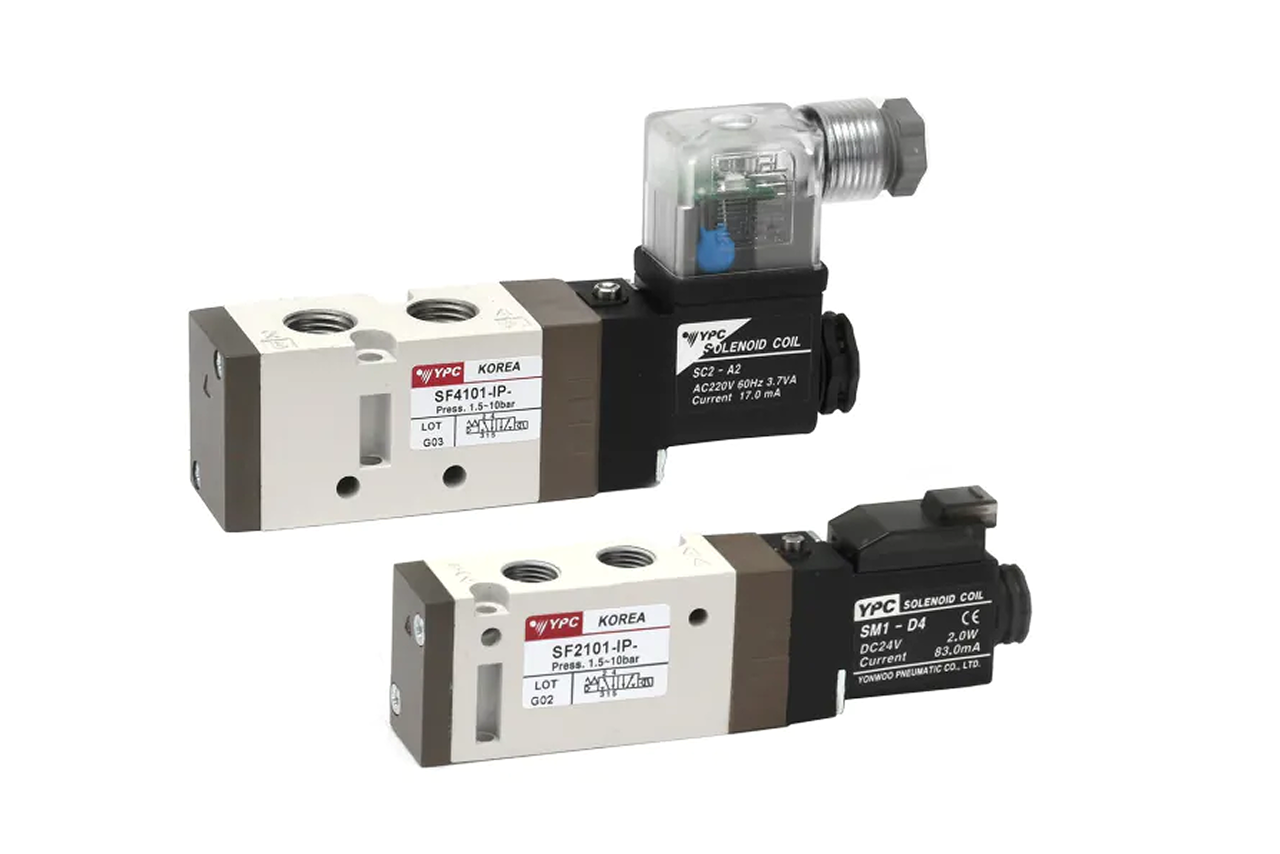
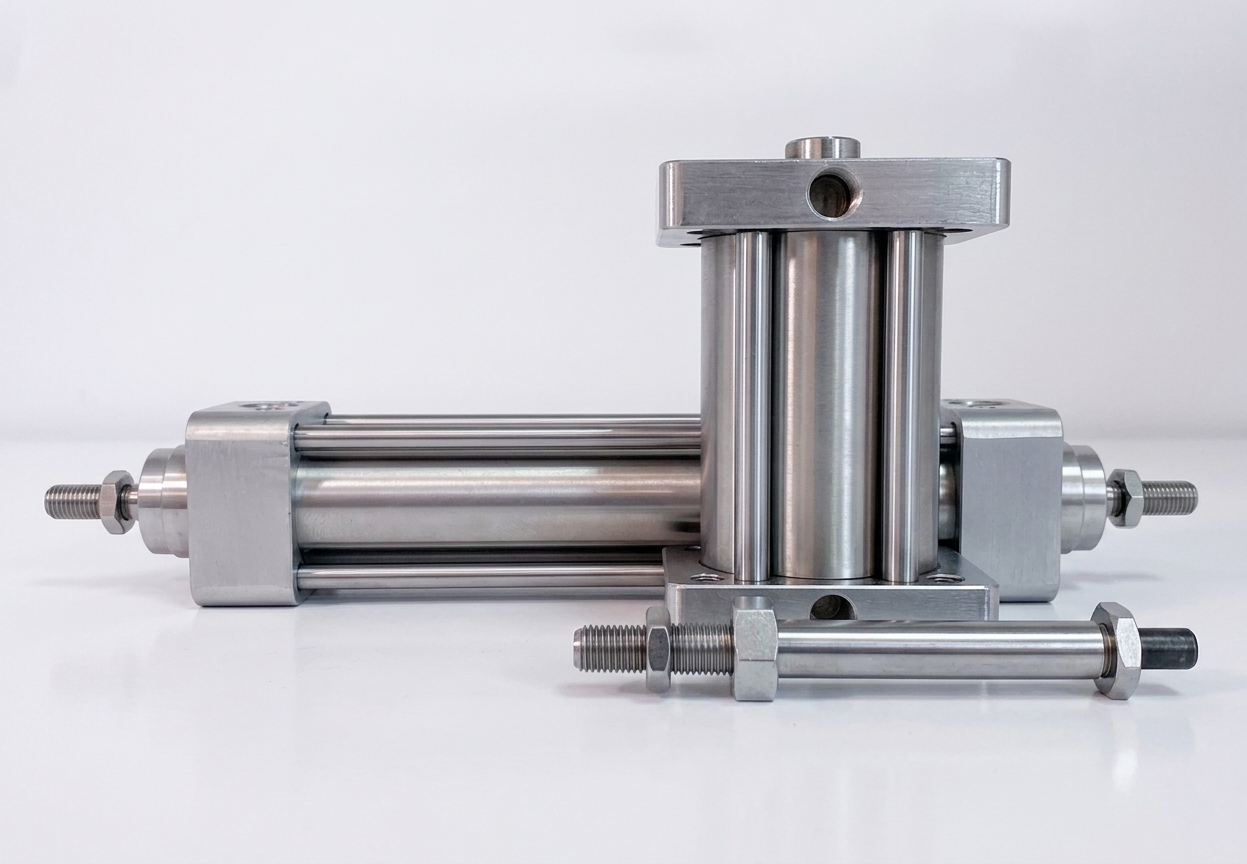
Replacement cups are wear items — bulk-pack reorder is critical on pick-and-place lines. Standing PO at the conservative end of material service life (3-6 months for high-cycle, 6-12 months for general). One full array per active EOAT plate on the shelf, plus a 30-day reorder cycle. Carrying cost of a shelf of cups is trivial against the cost of a single line stoppage.
Send us the application — a specialist routes you to the correct tier with a configured part. Lead-times and pricing returned within one business day.
—. We reply within one business day with pricing, lead-time, and configured parts.