DISTRIBUTOR-FIRST SUPPLY PARTNER · SINCE 1999 Live · Compressed Air System

SPC Company
Compressed Air / Generation / Air Compressors / Portable / Contractor Compressor
Layer 01 · Generation Emerging · CASTAIR
01What it is

Portable / Contractor Compressor

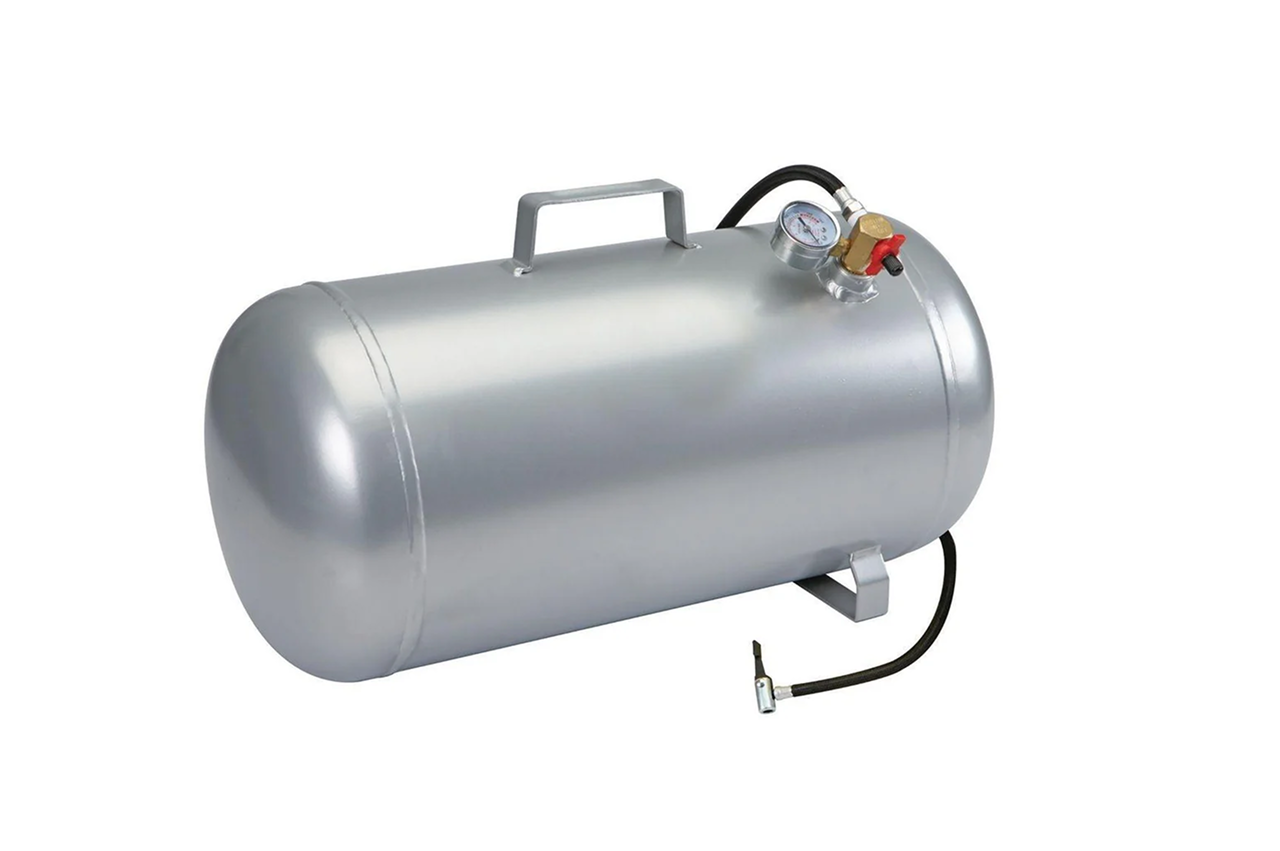
A portable or contractor compressor is a reciprocating (piston) compressor built onto a wheeled or skid frame so the air source moves to the work — onto a job site, between bays, or out to a remote task. Sized fractional HP up to ~10 HP for contractor-class work, single-stage to ~175 PSI or two-stage to ~200 PSI. It still sits in the generation layer of the compressed air system, but as a self-contained, move-it-to-the-work version of that layer rather than the anchor of a fixed plant. The deciding question is whether the compressor needs to move and what power is available where it works.
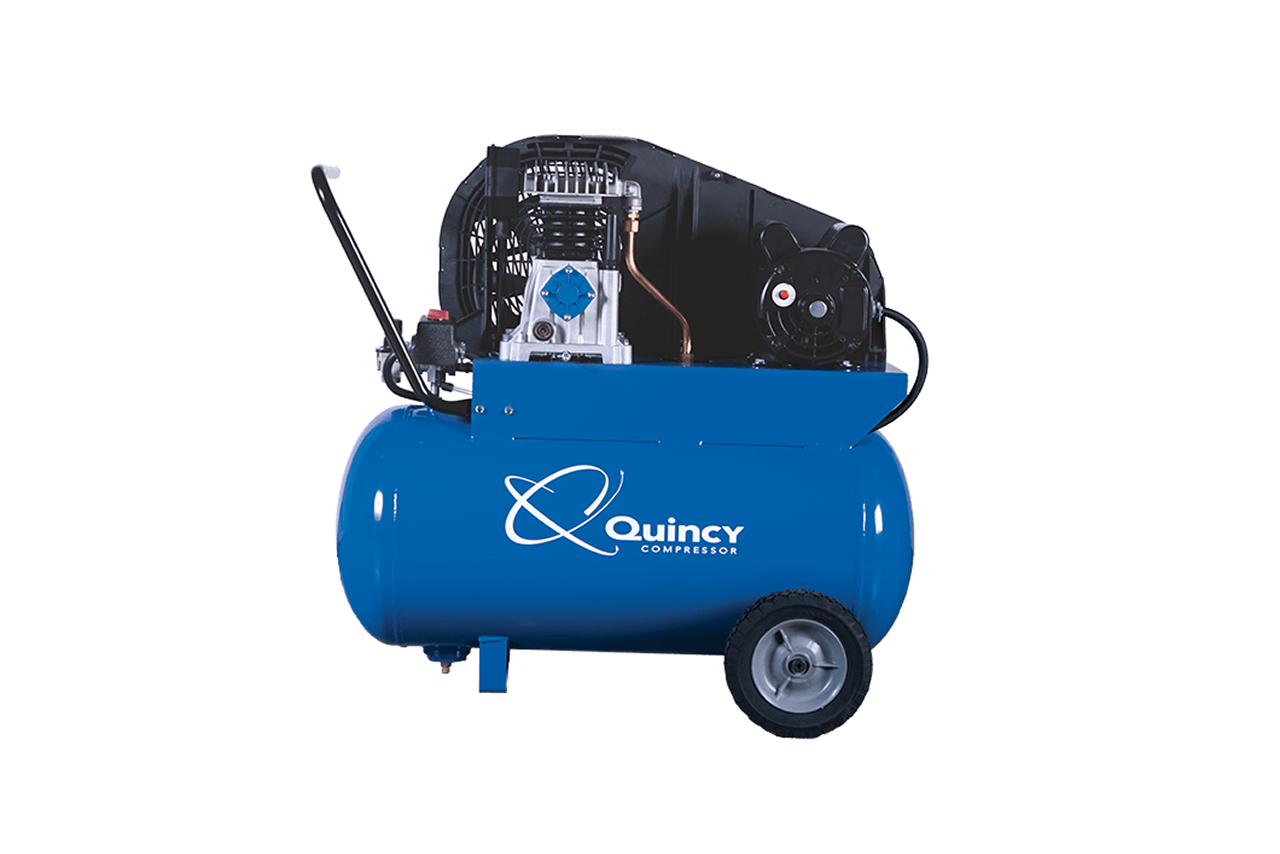
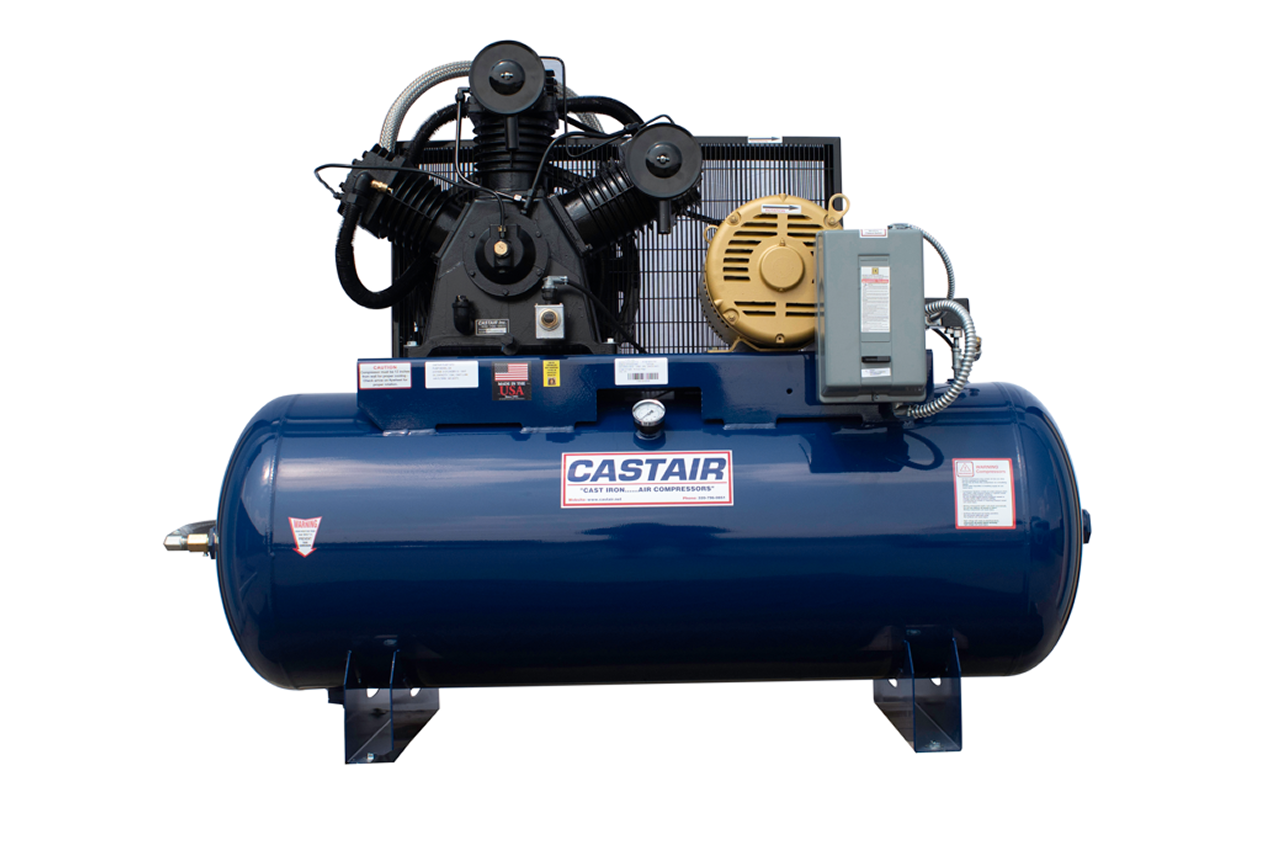
Real-world reference Representative portable / contractor compressor
Portable / Contractor Compressor — representative product photo
02Why it's needed

Why this matters.

Tips and pointers on when a portable is the right air source — and what most distributors get wrong about job-site power. Scroll the strip →

01 · Key point
Moves to the work.

Wheeled cart or skid frame for sites where a fixed installation isn't the right answer — framing crews, roofing, mobile auto service, agricultural maintenance, disaster response. The job dictates the air source has to move.

02 · Key point
Cast-iron pump, rebuildable.

Same reciprocating architecture as the shop recip — ~3.5 CFM/HP at 100 PSI, single-stage to 175 PSI or two-stage to 200 PSI. Fractional HP up to ~10 HP for one contractor crew. 3-5 years of hard job-site use, longer if maintained.

03 · Key point
Intermittent duty is the natural fit.

A roofer pulls the trigger for half a second every five seconds — recip catches up between pulls. Loaded duty stays inside the cast-iron pump's 60-70% per-hour cap on a real job site.

04 · Pro tip
Power source picks the unit.

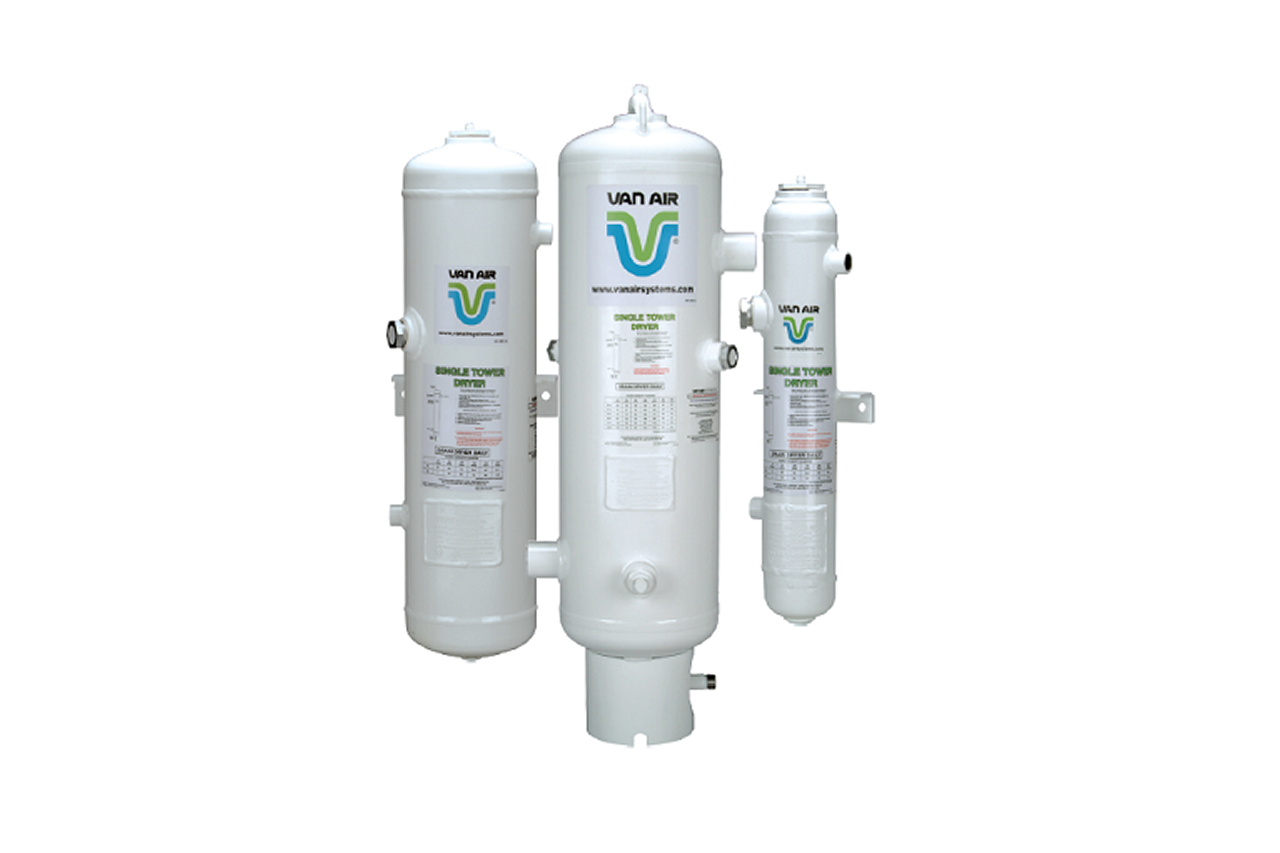
Single-phase 120V caps ~1.5-2 HP. Single-phase 240V handles 3-7.5 HP. Generator needs sizing at 2x motor kW for inrush. No power? Pair with a deliquescent dryer — passive desiccant tablets, no electricity. The off-grid pairing most distributors don't carry; own it as the differentiator.

05 · Where not to use
Continuous loaded duty.

A contractor unit feeding a production line or CNC tool changer overheats and fails in 18-24 months. → Re-spec to rotary screw when loaded duty exceeds ~40 min/hr — the bigger portable just buys a bigger version of the same heat problem.

06 · Where not to use
Long hose runs from a shop compressor.

"Run 200 ft of hose from the shop unit" defeats pressure at the tool, and PVC garden hose ruptures within hours from recip pulse pressure. → Use a portable at the work with contractor-rated rubber or polyurethane hose, not a long extension from a fixed install.

07 · Where not to use
Class 0 / clean-air finishing.

Oil-injected recip carries trace oil — fish-eye defects on paint, audit failures on food or pharma work. → Add point-of-use coalescing + carbon for paint and finishing, or switch to a small oil-free unit when Class 0 is the requirement.

03Key selection criteria

What we need to spec it right.

From the machine spec sheet → to the part number. Answer what you know — leave the rest blank — and send.

01 · Input
Pull from the tools the contractor will run. Roofing coil nailers and continuous-flow tools are the air-budget pressure point. Size to peak simultaneous use + 25%.
Framing nailer: 2-3 CFM each · Impact gun: 4-7 CFM · Roofing coil: 5-8 CFM · Crew of 4: 10-12 CFM
02 · Input
Pull from the highest-pressure tool. Most contractor tools run standard pressure; two-stage only if anything in the tool list runs above ~150 PSI.
100 PSI (nail guns, basic tools) · 125 PSI (impact, mixed) · 150+ PSI (specialty — two-stage)
03 · Input
The no-power case is the one most distributors get wrong — pair with a deliquescent dryer (passive desiccant, no electricity). Generator sizing: 2x motor kW for inrush.
120V/1ph (finished panel) · 240V/1ph (generator / truck) · 460V/3ph (yard) · No power (off-grid + deliquescent)
04 · Input
Wheeled for sites where the contractor moves the unit during the day; skid for fixed-location work repositioned via truck or forklift.
8-gal hand-carry · 20-30 gal wheeled (crew standard) · 30+ gal skid (truck / forklift reposition)
05 · Input
Confirm intermittent job-site use (under ~60-70% loaded per hour). Continuous duty is a rotary-screw case — portable recip overheats and fails in 18-24 months on continuous load.
Light burst (nailers) · Standard contractor (≤40 min/hr) · Heavy (40+ min/hr → re-spec rotary)
06 · Input
If the work is moisture-sensitive (spraying, painting, finishing), drying is mandatory. Pair refrigerated at grid sites, deliquescent at off-grid sites.
None (dry tools only) · Refrigerated (grid + paint / finish) · Deliquescent (off-grid + moisture-sensitive)
07 · Input
Number of compressors for this fleet / crew. Multiple trucks or crews? Add a separate quote line per truck or per configuration.
1 unit (single crew / truck) · 2-4 units (small fleet / yard) · 5+ units (rental yard / large contractor)

Need different sizes, colors, or quantities? Fill the form, add to quote, then fill again — each click is one quote line.

04Choose your solution tier  ·  core differentiator

Whatever your lever — spec, value, or price — SPC has the right brand.

Most distributors sell one brand per product type. SPC's 60-brand portfolio means every Product Type page surfaces three real options matched to how your customer is buying today. Pick the tier; the quote desk handles the cross-reference.

05How to sell this  ·  distributor talk track

The tier conversation closes the deal. The cross-reference catalog wins the next one.

Portable compressor is a job-fit conversation, not a horsepower conversation. Ask where the compressor goes and what's waiting for it when it gets there — the right unit picks itself.
The SPC difference · how distributors actually buy

The 30-second positioning

Portable compressors are the air-source category for contractors, mobile-service crews, and disaster-response teams. The customer almost always opens with a specific tool list (framing nailer, roofing coil, impact gun, tire chuck) and a power constraint. The distributor's job is to translate that into the right unit + the right downstream pairing — most commonly a deliquescent dryer for jobs without grid power.

Three pieces: (1) Qualify the job and power source — finished-house basement (120V single-phase, small unit), roof work (long hose to ground unit), remote/disaster (generator or off-grid + deliquescent dryer). (2) Add the tool list — total CFM at working pressure for peak simultaneous use + 25%. (3) Scope cart vs. skid — wheeled for sites the contractor moves during the day, skid for fixed-location repositioned by forklift.

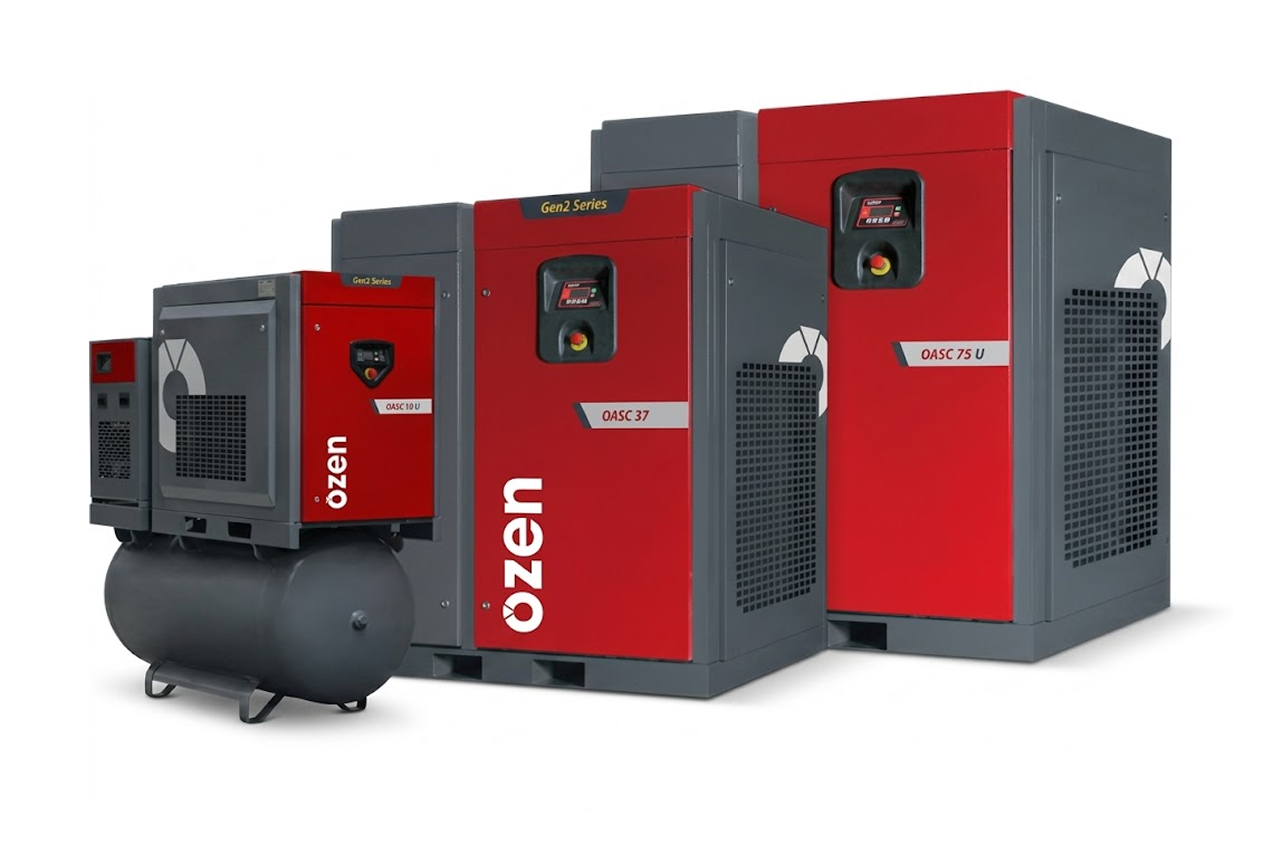
Tier: Economical tier is what SPC carries in this category. Cast-iron pump on wheeled or skid frame, single-phase electric, single-stage and two-stage configurations, tanks 8-30+ gallons. Positioned for cost-driven contractors and rental yards; engineering content is solid for the price point (cast-iron rather than aluminum, OEM-spec valves, replaceable wear parts). No Industry Leader or Emerging tier is currently carried. If a customer specifically asks for a premium contractor brand outside SPC's line, the honest move is to identify it and decline rather than over-promise the Economical-tier unit as something it isn't.

Customer cue → talk move

""Framing or roofing crew""
5-6 CFM unit (one nailer at a time with margin), wheeled, 30-gallon tank or smaller. Two-stage if the crew runs at 130+ PSI. Add 50 ft of 3/8" contractor hose and a tool-end regulator.
""Mobile auto service / tire shop on the road""
Wheeled 5-7.5 HP, single-phase 240V (most service trucks have 240V inverters or generator power). Add tire-inflator chuck and a 50 ft retractable hose reel mounted to the truck.
""Off-grid / disaster response / no power""
Generator-fed compressor (size at 2x motor kW for start-up surge), paired with a deliquescent dryer downstream. Single-phase 5 HP contractor unit + 100 SCFM deliquescent vessel is the standard kit; tablets are the recurring consumable.
""Renting it out from an equipment yard""
Skid-mounted with forklift pockets and lifting eyes, cast-iron pump, ASME tank. Quote the rebuild-kit price upfront so the yard knows lifecycle cost.
""Customer asks for a premium brand SPC doesn't carry""
Honest re-quote. "We don't carry that brand; the comparable unit in our line is at this spec — here's the side-by-side." Don't over-promise.
""How long will it last on a job site?""
3-5 years of hard contractor use, longer if maintained. Cast-iron pump means it's rebuildable — when valves and rings wear out, the customer replaces them and keeps running.
06Where it's used

Industries served.

Each industry below uses this product across the listed areas. Open an industry to see how it fits the rest of its system.
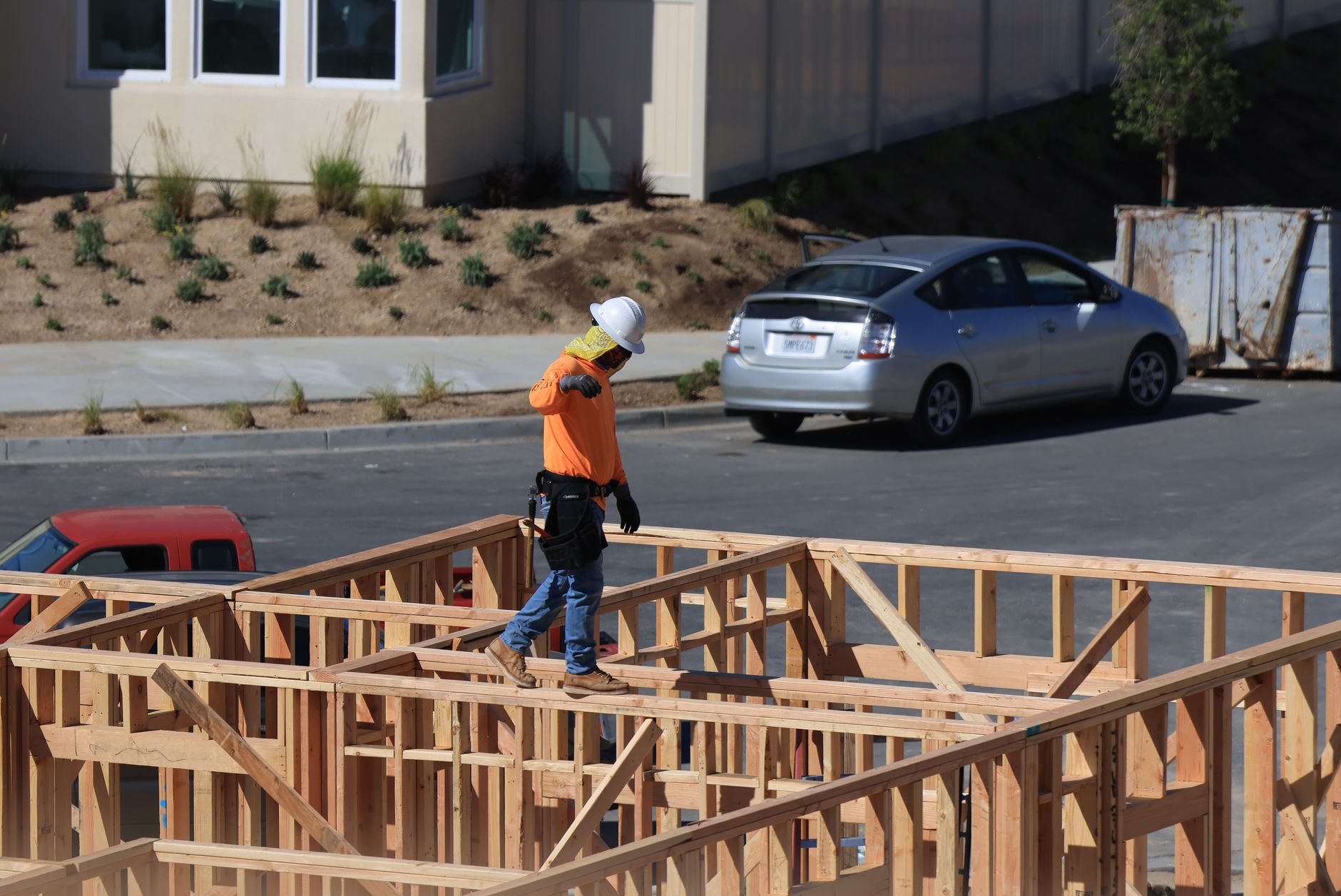
Also applies to Mobile auto service & tire trucks · Body shops & mobile collision repair · compressor + deliquescent-dryer kit · Disaster response & emergency restoration · Tire shops & small mechanical bays

09Install · 6 critical steps

The things that matter on the first install.

Step 01
Match the power source to the motor
Single-phase 120V caps ~1.5-2 HP. Single-phase 240V handles 3-7.5 HP. Above 7.5 HP needs three-phase OR a heavy-duty inverter-rated generator. On generator power, size the generator at roughly 2x motor kW to handle inrush current at start; most premature motor failures on job sites are generator-undersize symptoms.
Step 02
Position for ventilation and stability
Portables are designed to be moved, but they need stable footing while running — a tilted unit risks losing oil pressure on splash-lubricated pumps. Park on level ground, lock wheels if equipped, keep at least 12-24" of clearance around the cooling fins. Outdoor use under direct summer sun + tight enclosure = overheating fault within an hour.
Step 03
Plumb the discharge with the right hose
Most portables ship with a quick-connect coupler at the tank discharge. Add a manifold + multiple couplers if the crew runs more than one tool simultaneously. Use contractor-rated rubber or polyurethane hose, NOT PVC garden hose — pulse pressure from a recip will balloon and burst PVC within hours. Standard 3/8" ID for nail guns and impact tools; 1/2" or larger for sandblasting or heavy continuous-flow tools.
Step 04
Set the working pressure
Adjustable regulator at the tank discharge OR at the tool end (preferred — keeps tank pressure higher and lets each tool see its optimum). Nail guns 90-120 PSI; impact guns 90-100 PSI; tire chucks 35-200 PSI by tire. Over-pressuring a nail gun is the most common job-site safety issue.
Step 05
Drain the tank daily
Manual drain valve at the tank bottom, opened at the end of every work day (water builds up FAST in portable units used outdoors in humid weather). Skip a week and the tank rusts from inside; skip a month and the tank loses pressure-vessel integrity. For rental fleets, brief customers on drain at every checkout.
Step 06
Off-grid: install a deliquescent dryer downstream
When the customer's site has no electric service, pair the compressor with a deliquescent dryer — a passive vessel filled with dry-desiccant tablets that pull moisture out of the air without electricity. Size the vessel to compressor SCFM at 100 PSI; tablets are the recurring consumable, replaced when half-consumed (monthly to quarterly depending on humidity and run hours). This is the off-grid playbook most distributors don't know — own it as the differentiator.
10Troubleshoot · top failures

Most returns trace to one of these causes.

Symptom
Most likely cause
Fix
Compressor will not start on the job-site generator.
Generator undersized for motor inrush current (most common — single-phase compressor motors pull 5-7x running current at start), generator voltage sagging under load, or motor start capacitor failed.
Verify generator kW rating against compressor motor kW × 2 minimum. Measure voltage at the compressor terminals while attempting start; sag below 90% of rated voltage means the generator is too small. Replace start capacitor if the generator is sized correctly and the motor hums but won't spin.
Tank pressure builds slowly / compressor seems weak.
Worn valve plates (most common on rental-fleet units), clogged intake filter, leaky tank fitting, or — on long hose runs — pressure drop in the hose that the customer mistakes for compressor weakness.
Test the compressor against a closed tank discharge — if it builds pressure standalone, the issue is downstream. If it doesn't, pull the head and inspect valve plates (cheap and field-replaceable). Always check the intake filter first — a fouled filter is a 5-minute fix that solves 30% of "weak compressor" complaints.
Compressor overheating / thermal cutout trips on hot day.
Tight enclosure cutting cooling airflow, fouled cooling fins, low oil level, duty cycle too high, or wrong oil grade for ambient.
Move to open ventilation. Clean cooling fins (job-site dust is the #1 culprit). Verify oil level on the sight glass. On contractor units used in 100°F+ ambient, switch to synthetic compressor oil — cost delta is negligible and cooling improvement is real.
Tank pressure drops overnight / compressor starts repeatedly without tool use.
System leak — most commonly at the discharge coupler, regulator, pressure-switch fitting, or manual drain valve (left cracked open). Quick-connect couplers wear out fast on contractor units.
Spray soapy water on every fitting with the tank pressurized; bubbles identify the leak. Replace the quick-connect coupler if it's the source (cheap and a regular wear item — connected/disconnected dozens of times per day). Verify the manual drain is fully closed.
Oil-fouled air at the tool / paint or finish work contaminated.
Worn piston rings letting oil past, overfilled crankcase, or — most commonly on portables — customer is asking for clean-air work (paint, finishing) from an oil-injected recip without downstream filtration.
Check oil level first (overfill is the easy fix). Add a point-of-use coalescing filter + activated-carbon filter between compressor and spray gun. If the customer needs Class 0 air (food, pharma), a portable recip is the wrong tool — route to a small oil-free unit instead.
Pulsing air pressure at the tool / inconsistent nailer or paint behavior.
Tank too small for demand (compressor cycling between cut-in and cut-out across each tool use), failed check valve at compressor discharge, or pressure-switch differential set too narrow.
Verify tank sizing — minimum 4 gal/CFM. If the customer runs a 7.5 CFM continuous-flow tool from a 6-gallon hand-carry, the answer is a bigger receiver or compressor. Reset pressure switch to 20-30 PSI differential. Replace check valve if leaking back.

Get the right portable / contractor compressor on quote in 24 hours.

Send us the application — a specialist routes you to the correct tier with a configured part. Lead-times and pricing returned within one business day.

Request a quote