DISTRIBUTOR-FIRST SUPPLY PARTNER · SINCE 1999 Live · Pneumatic Automation System

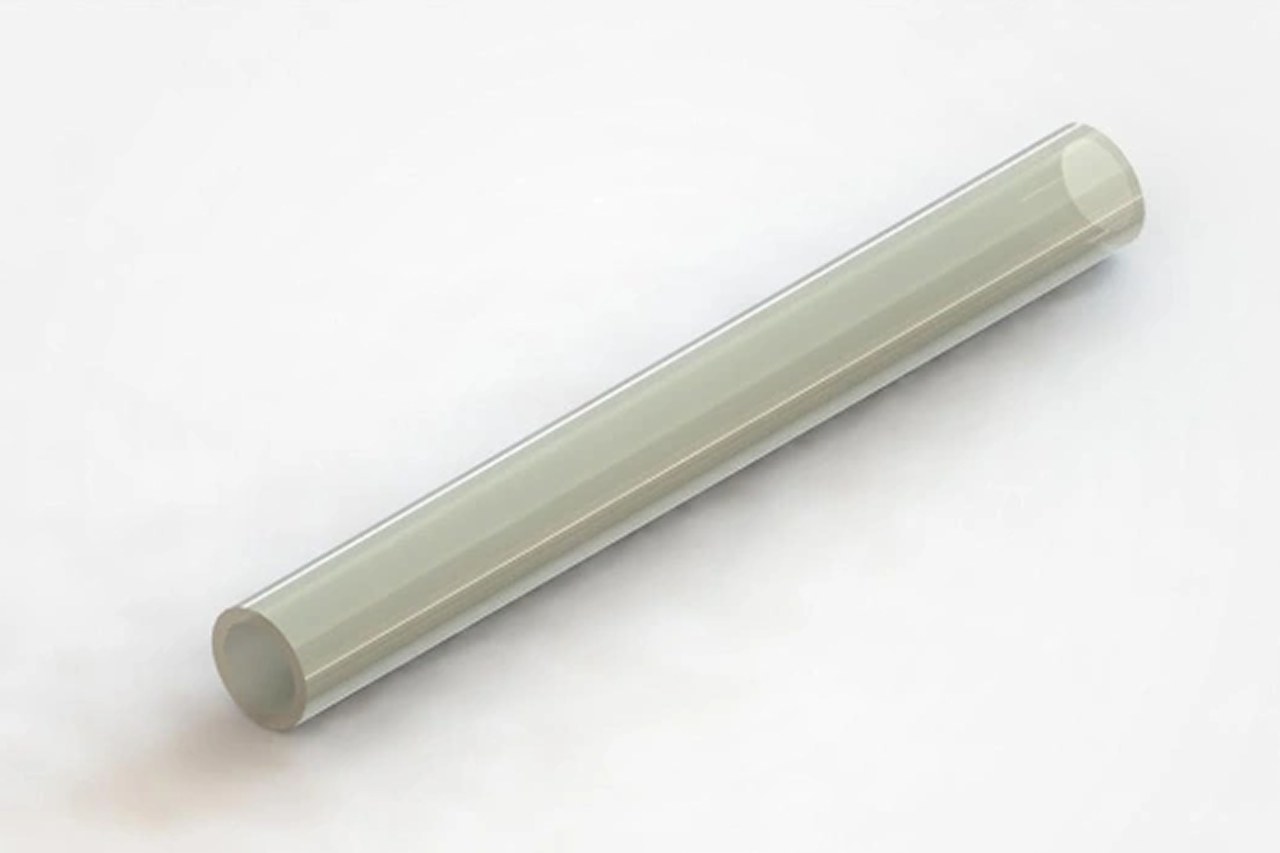
Nylon (PA = polyamide) tubing is extruded flexible tube for pneumatic and fluid lines that need higher pressure, better oil and chemical resistance, and greater rigidity than polyurethane can give. Nylon trades PU's softness for strength: meaningfully higher working pressure at the same OD (outside diameter), wider temperature envelope, and tolerance to oils, fuels, and cutting fluids that swell and degrade PU. Nylon 12 (PA12) is the workhorse grade — resists fuels, lubricating oils, aggressive coolants, and absorbs almost no moisture (so the bore holds dimensional stability over years rather than drifting out of fitting tolerance). That stability makes PA12 the correct call for CNC coolant lines, oil-lubrication plumbing, fuel service, transport air-brake lines, and centralized lubrication. DOT-certified PA12 to FMVSS 106 is the only legal material for transport air-brake circuits. Trade-off vs. PU: larger bend radius, not a constant-flex material — for runs articulating on every cycle, PU is still right.
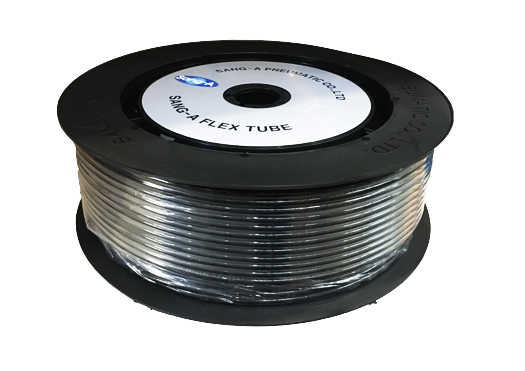
Tips and pointers on when PA12 nylon is the right call — and when to spec something else. Scroll the strip →
PA12 essentially unaffected by lubricating oils, cutting fluids, fuel mist at industrial concentrations. The correct polymer for CNC coolant lines, centralized lubrication, fuel service, oil-mist machine plumbing.
Standard-wall 6mm PA12 carries 240-350 PSI at 75°F, derating to 140-210 PSI at 150°F. Temperature band -60°F to +200°F — wider than PU at both ends.
DOT-rated PA12 to FMVSS 106 / SAE J844 is the only legal material for transport air-brake circuits — tractor, trailer, school bus, transit bus service and emergency lines.
PA12 — oil/fuel/coolant, high pressure, dimensional stability (0.7-1.5% moisture absorption). PA6 — cost-down where moisture is low (8-10% absorption — bore drifts in humid service). DOT-certified PA12 — air-brake only.
PA12 fatigue-cracks at robot bend radius in weeks — it''s a static-run polymer. → Step down to soft 95A PU for any cycle-flexing application; per-foot is actually lower and fatigue life is 5-10×.
PA12 attacked by sulfuric, nitric, sodium hydroxide, formic acid, phenols, hot methanol. → Step up to FEP/PTFE for aggressive chemistry, pharma, semi wet-process.
Pressure capability derates significantly past 150°F and polymer softens past 200°F. → Step up to FEP (400°F) or PTFE (500°F) for hot-process, steam-line proximity, hot-air ovens.
From the machine spec sheet → to the part number. Answer what you know — leave the rest blank — and send.
Most distributors sell one brand per product type. SPC's 60-brand portfolio means every Product Type page surfaces three real options matched to how your customer is buying today. Pick the tier; the quote desk handles the cross-reference.
PA12 handles oil, heat, and pressure that PU can't — and it's the only tubing rated for DOT air-brake service. Spec discipline pays for itself in avoided failures.
Each industry below uses this product across the listed areas. Open an industry to see how it fits the rest of its system.
 Automotive Manufacturing →
 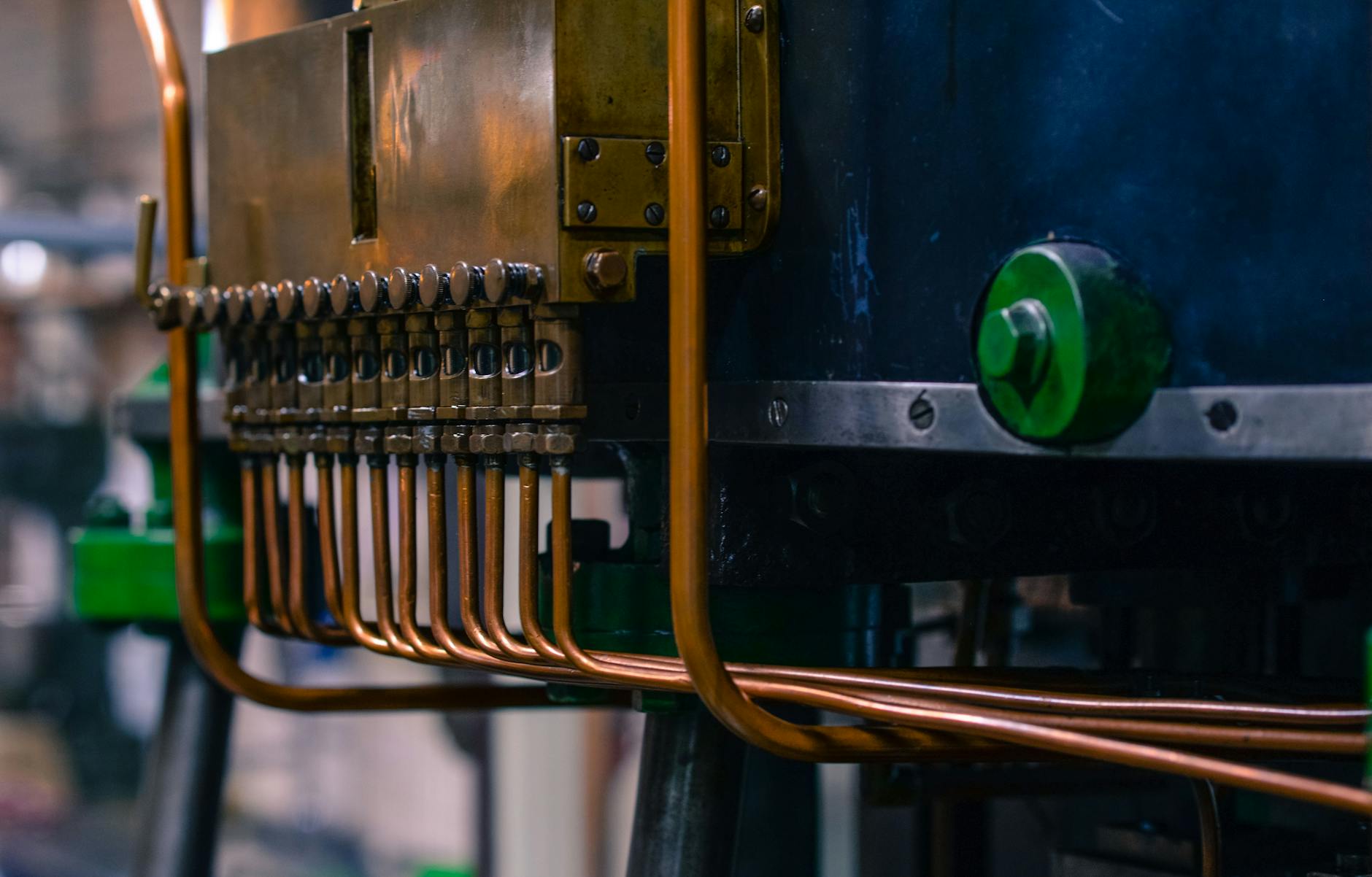 Metalworking & Fabrication →
 Also applies to PA12's chemical inertness makes it the only correct polymer · Compressed air trunk runs in plant air distribution (long pulls, elevated pressure) · Centralized lubrication and oil-delivery systems · Fuel-line and hydraulic-pilot circuit applications · Pneumatic and hydraulic instrumentation lines · Machine OEM builds for oil/coolant-exposed and high-pressure service · Compressor-room and process-air hot-environment runs
Every entry is a real product on this site — linked, not just named. Quote them on the same line item.
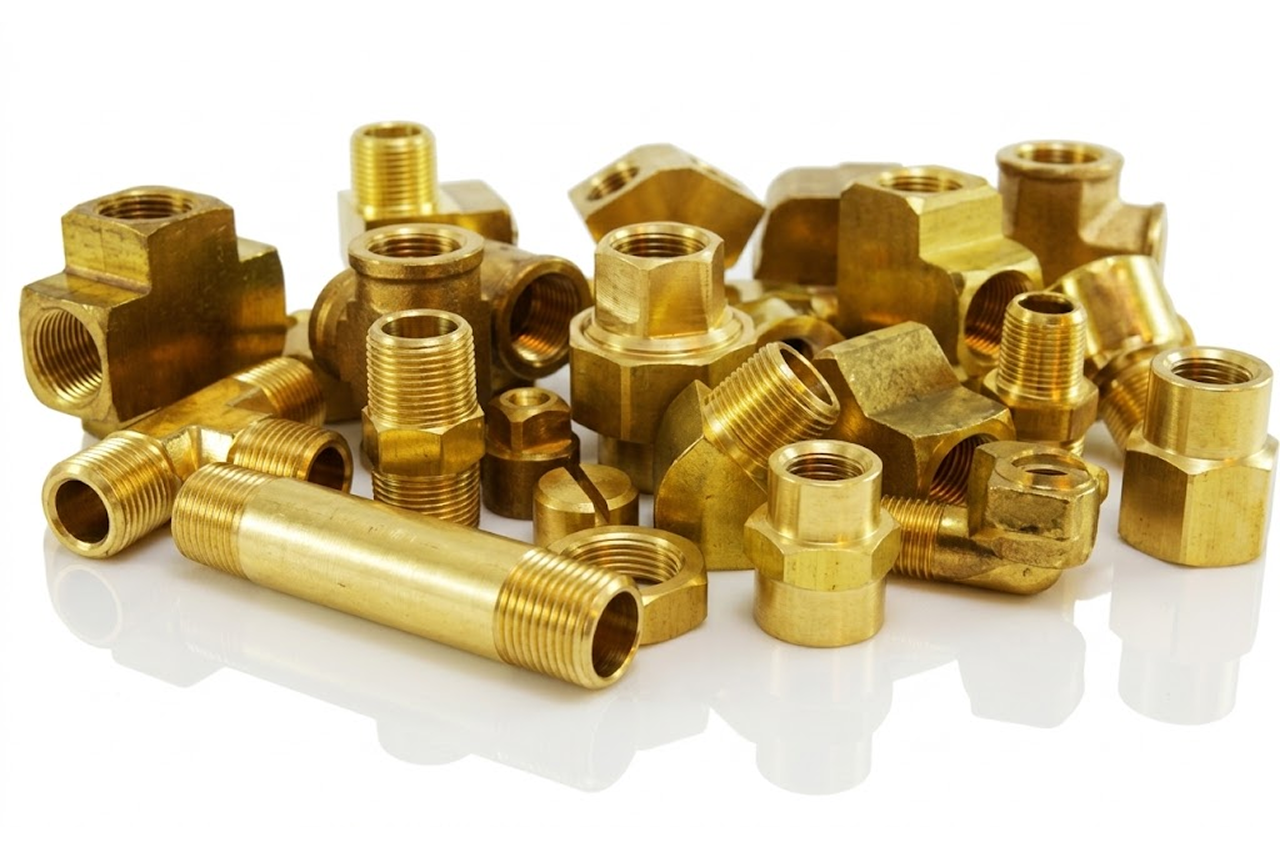
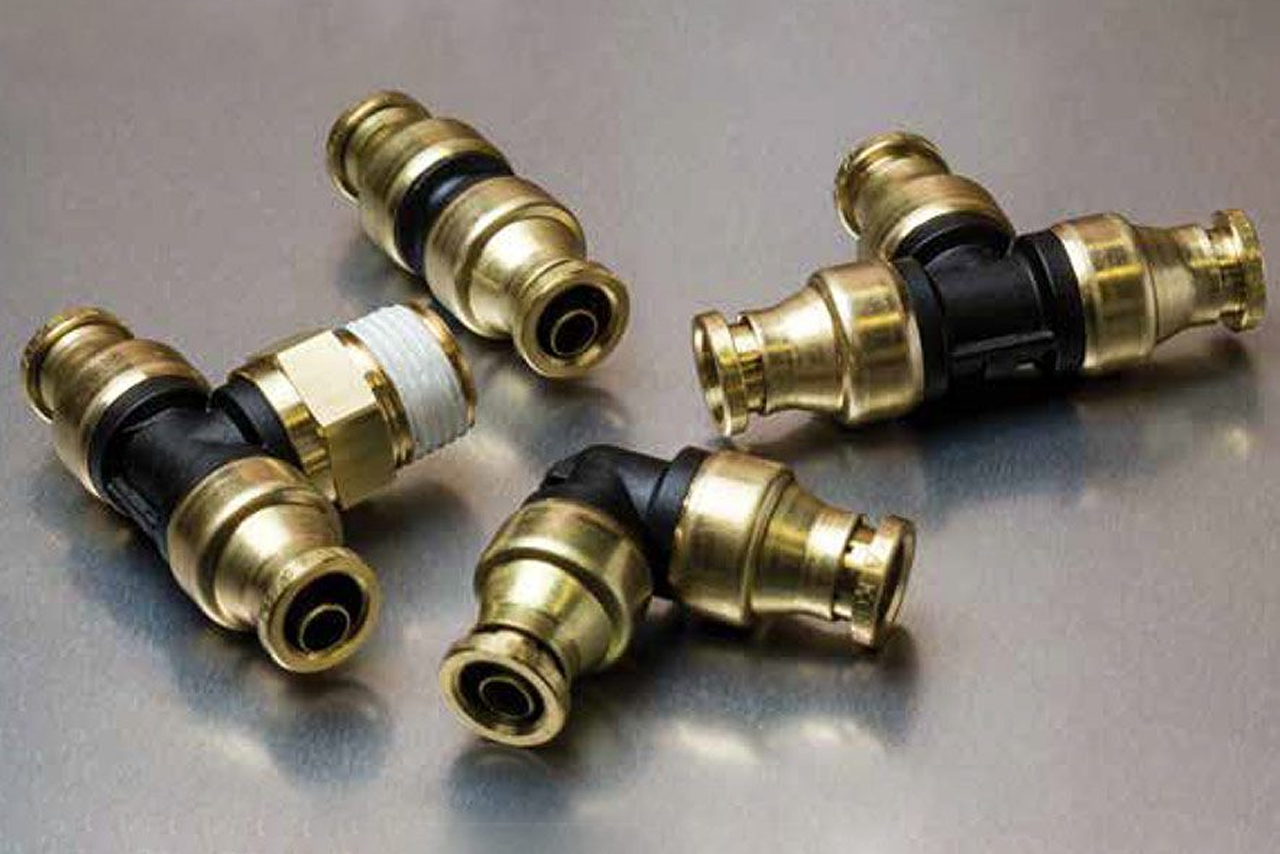
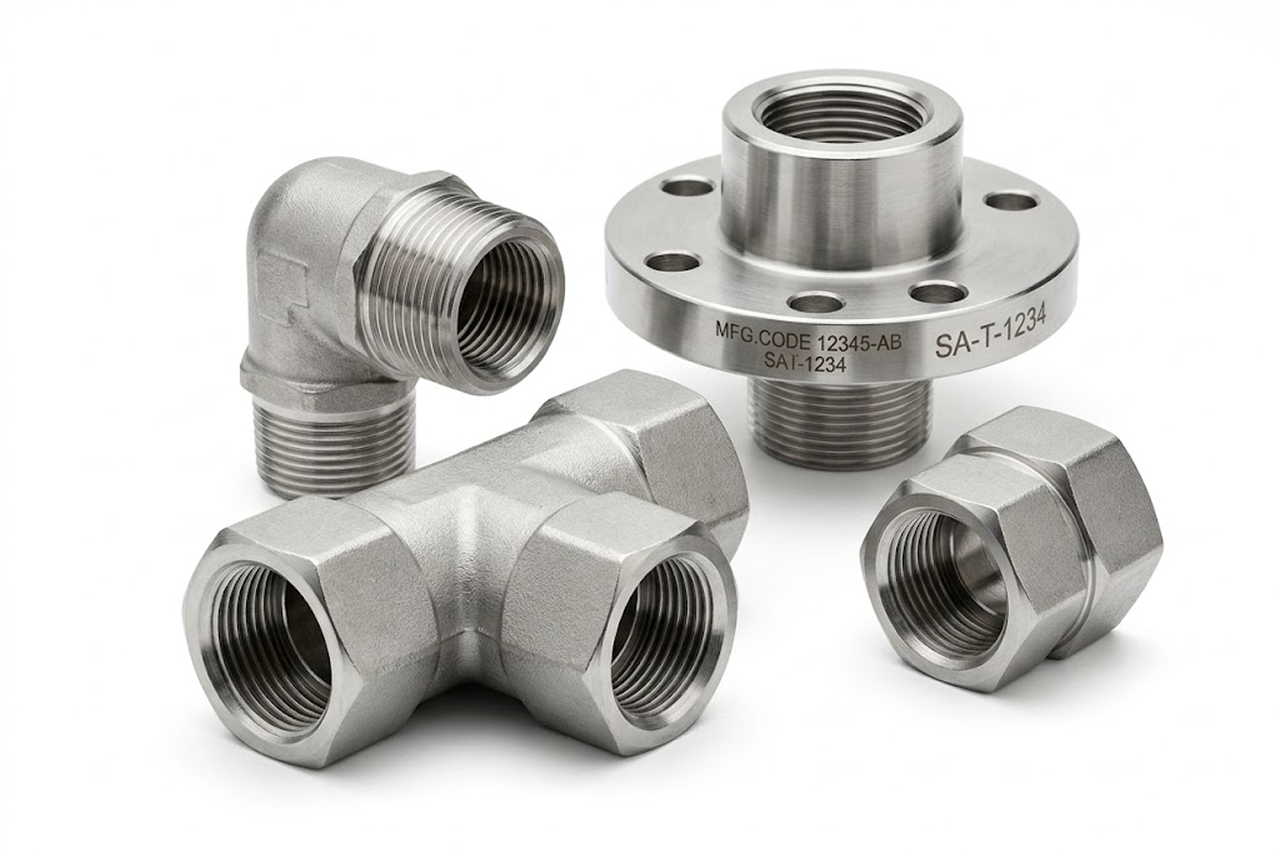
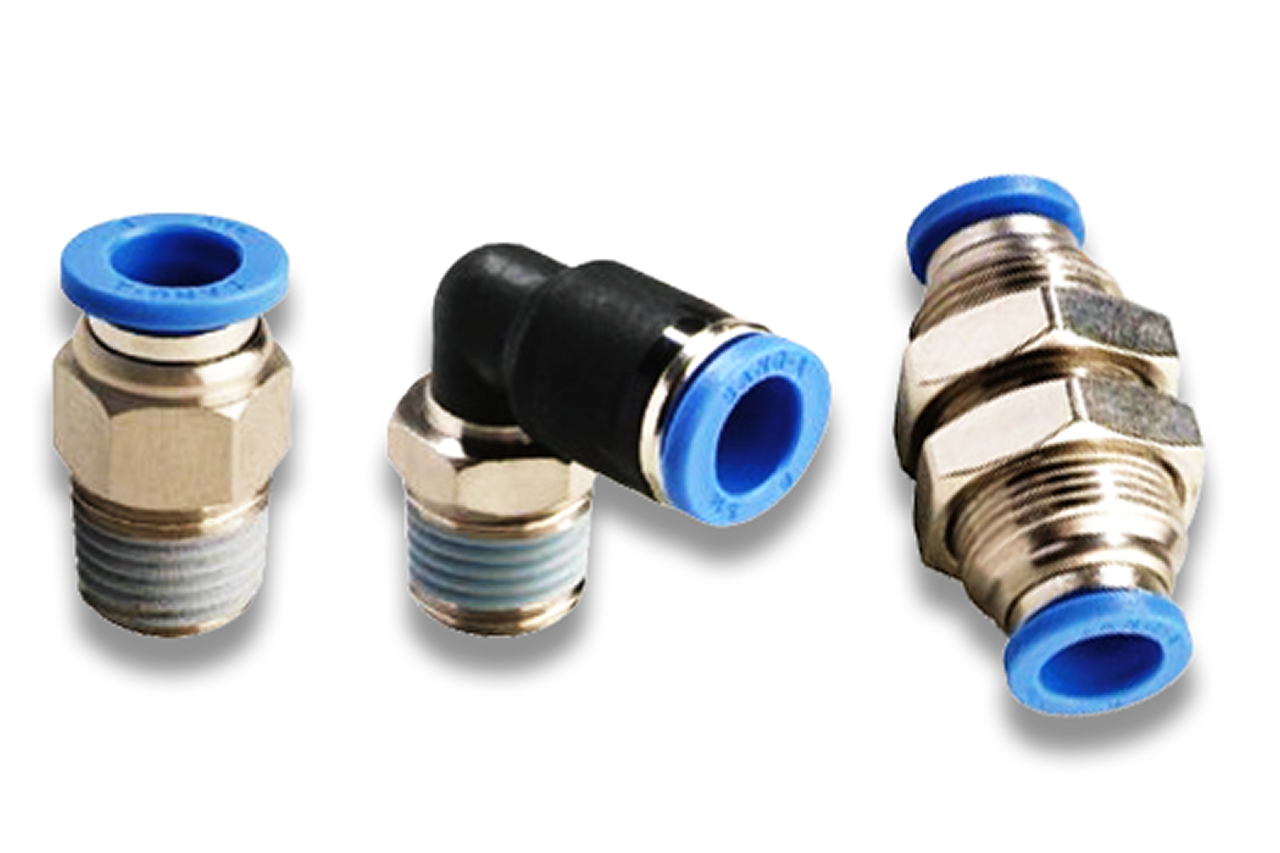
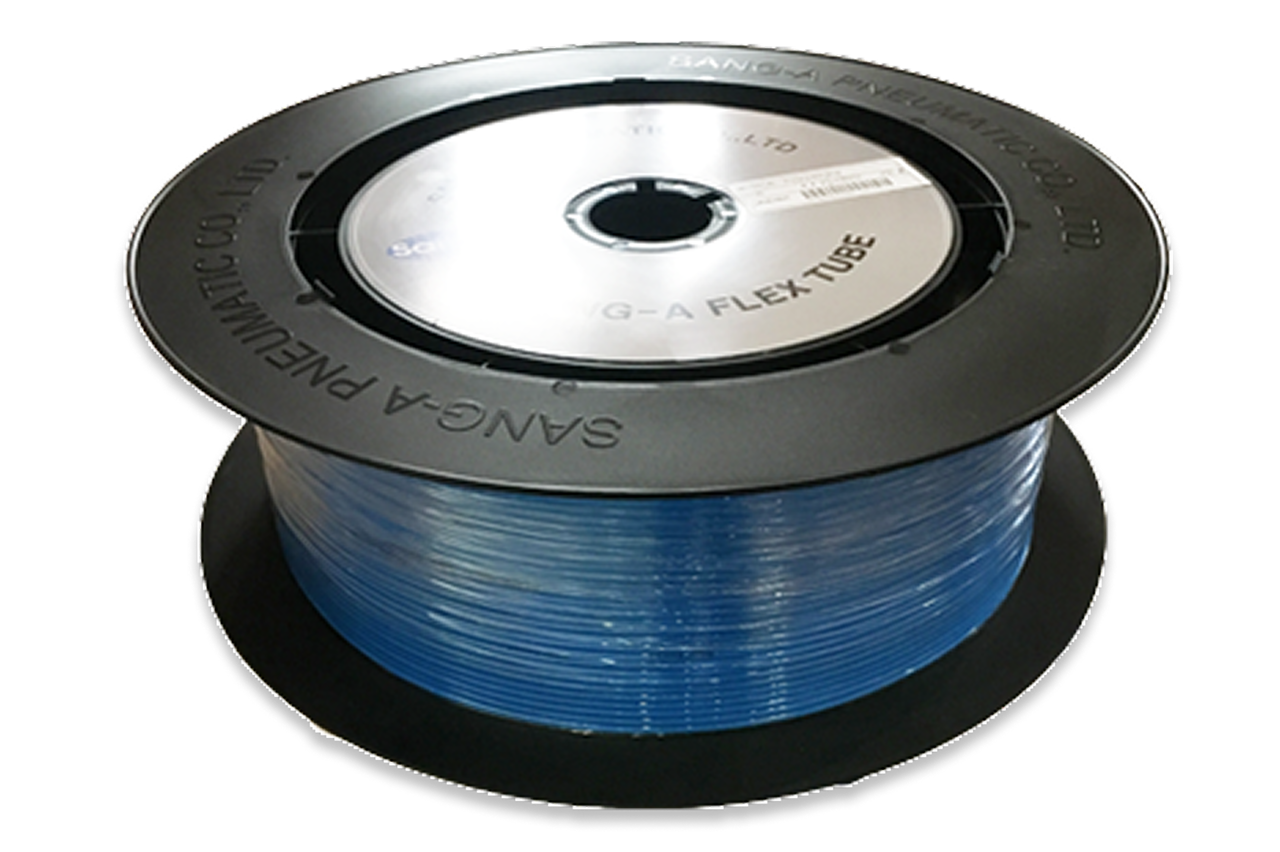
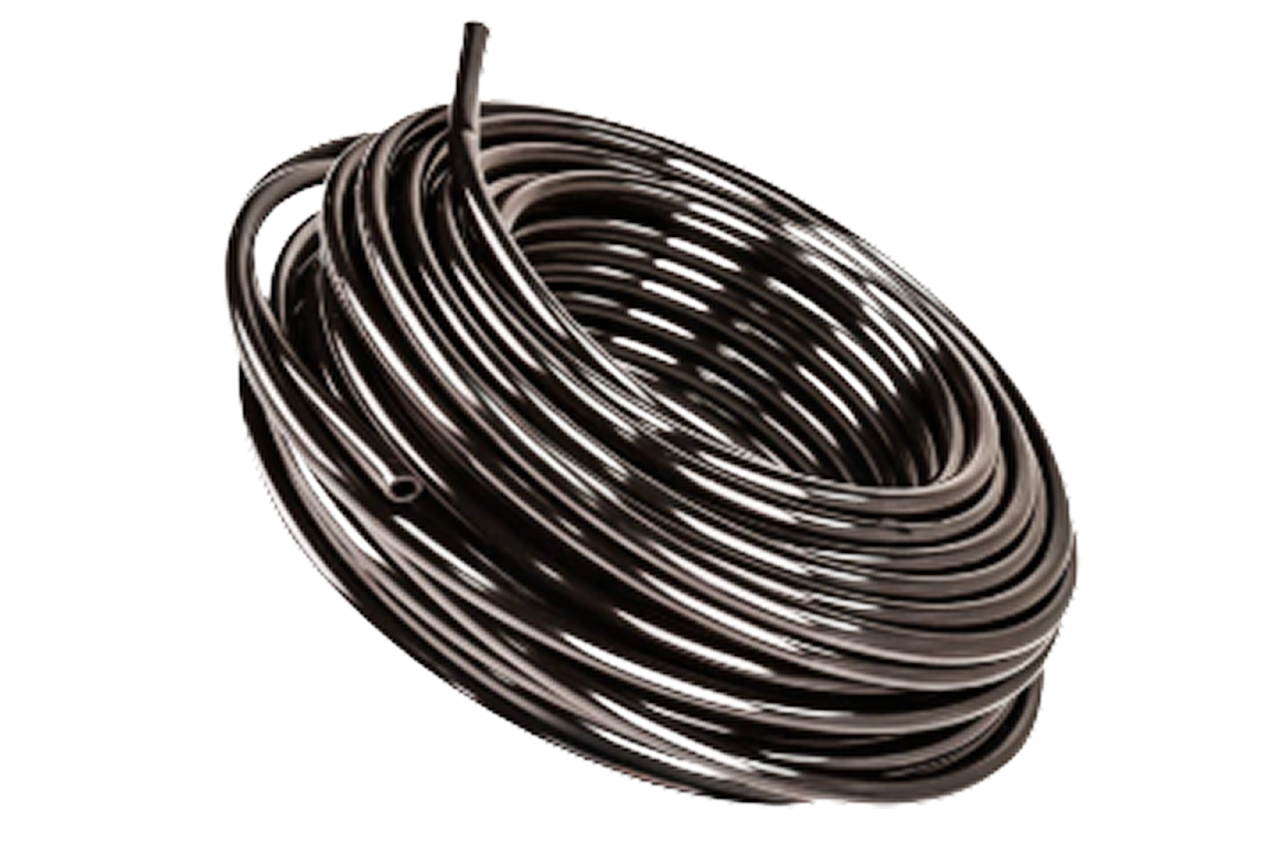
Stock DOT-certified PA12 in 100-ft and 250-ft coils alongside DOT brass PTC fittings as a fleet PM kit. Transport-fleet customers reorder on brake-job cadence — pre-build the customer's standard OD + fittings + thread sealant into a quarterly standing kit.
Send us the application — a specialist routes you to the correct tier with a configured part. Lead-times and pricing returned within one business day.
—. We reply within one business day with pricing, lead-time, and configured parts.