DISTRIBUTOR-FIRST SUPPLY PARTNER · SINCE 1999 Live · Pneumatic Automation System

SPC Company
Pneumatic Automation / Distribution & Conveyance / Tubing / Polyethylene (PE) Tubing
Layer 02 · Distribution & Conveyance Emerging · Mantova Economical · Polyconn
01What it is

Polyethylene (PE) Tubing

Polyethylene (PE) tubing is the value-tier flexible tube for general-purpose pneumatic and low-pressure fluid lines — utility air runs, condensate drains, instrument-sense lines, water-side service, food-contact plumbing — where the demanding properties of nylon or fluoropolymer are not required. PE is lightweight, low-density, economical, with good resistance to common chemistries and strong environmental stress-crack resistance. Ordered by OD (outside diameter) in metric (4-12mm) or inch (1/4"-1/2") to match push-to-connect fitting sizes. FDA-compliant grades (per 21 CFR 177.1520) available for food-contact lines. Working envelope is bounded: roughly 100-150 PSI, ~140°F upper ceiling, low abrasion + flex fatigue resistance — for constant-flex robotics or oil/coolant service, the answer is PU or nylon, not PE.
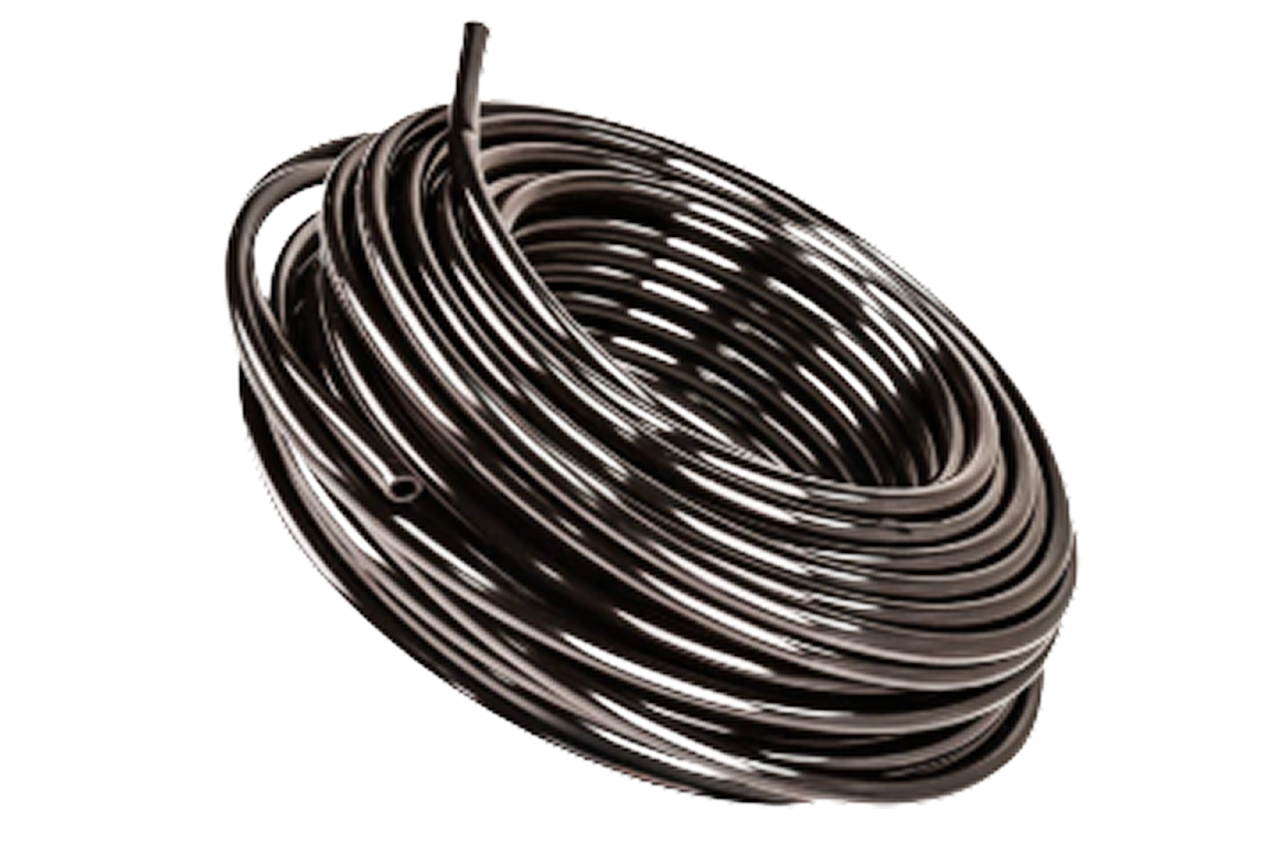
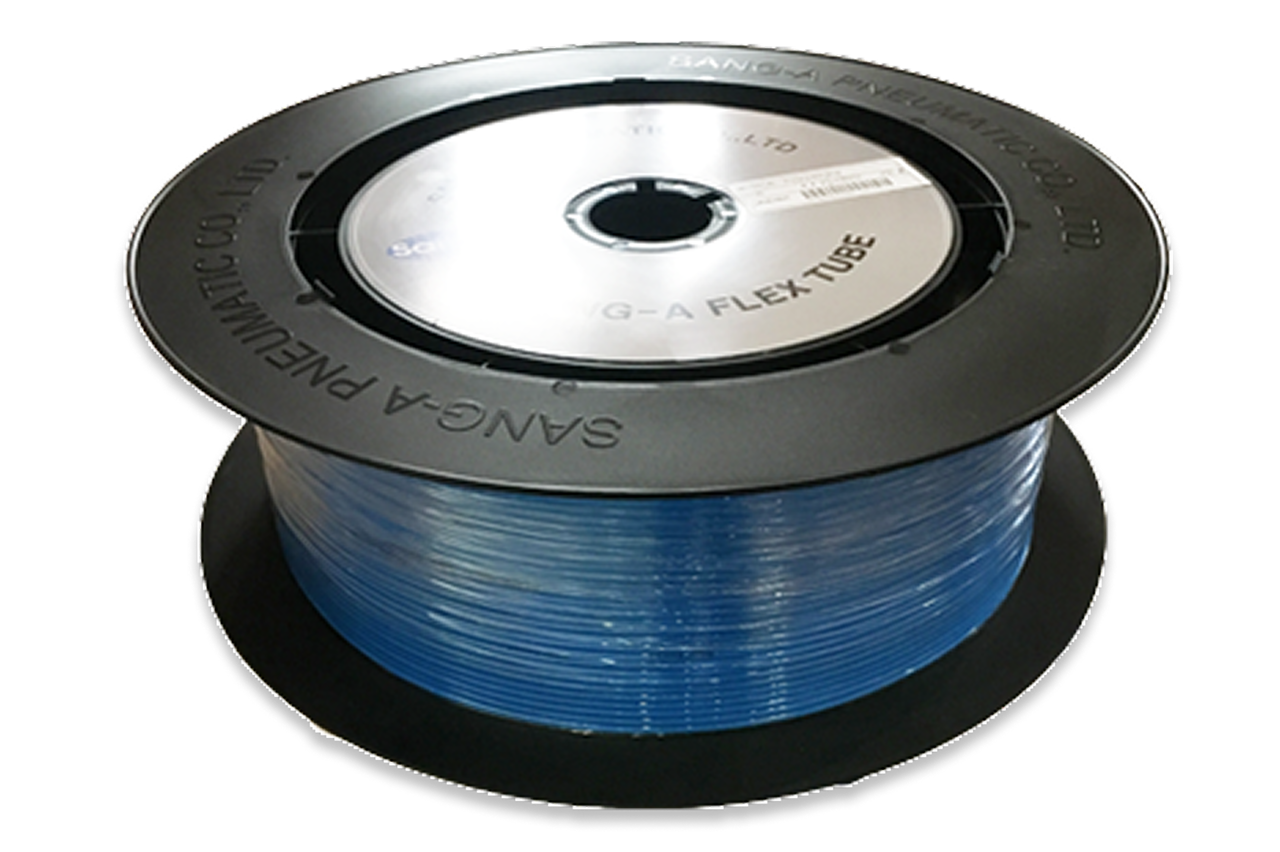
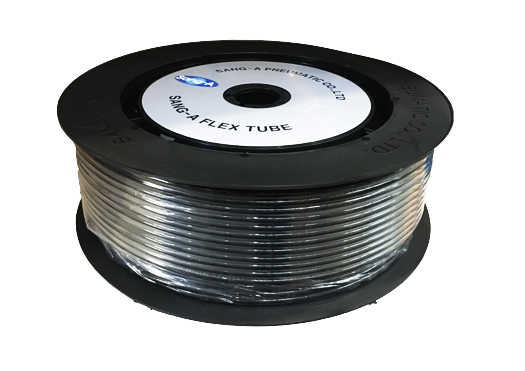
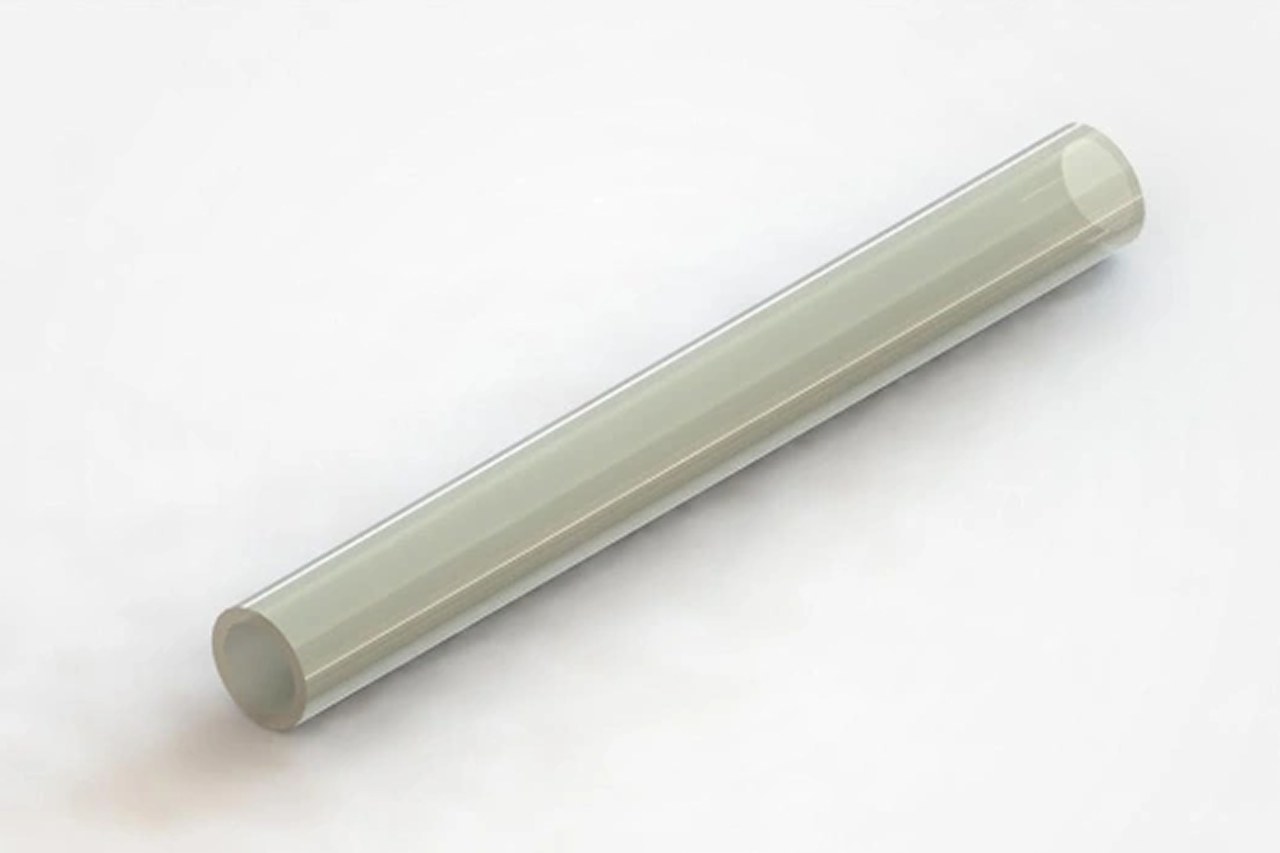
Real-world reference Representative polyethylene (pe) tubing
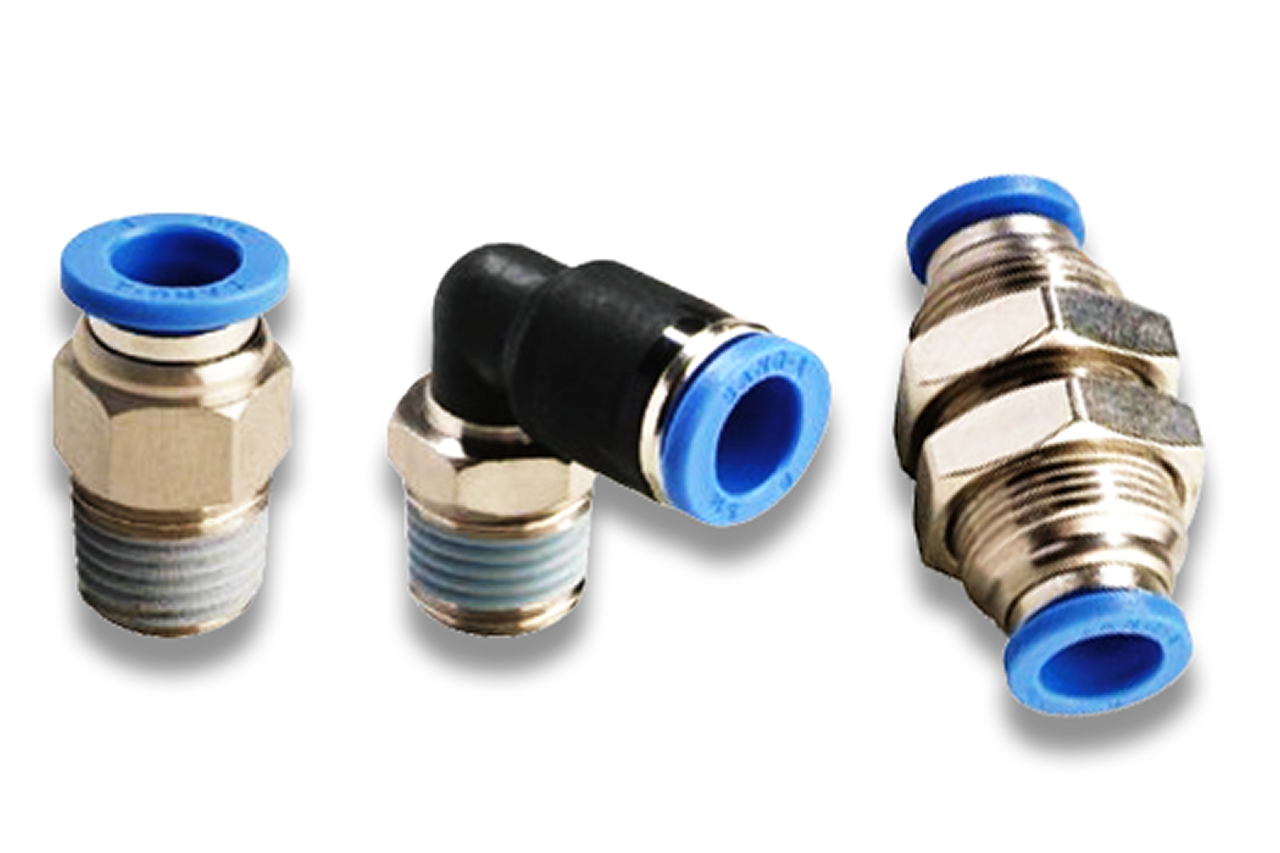
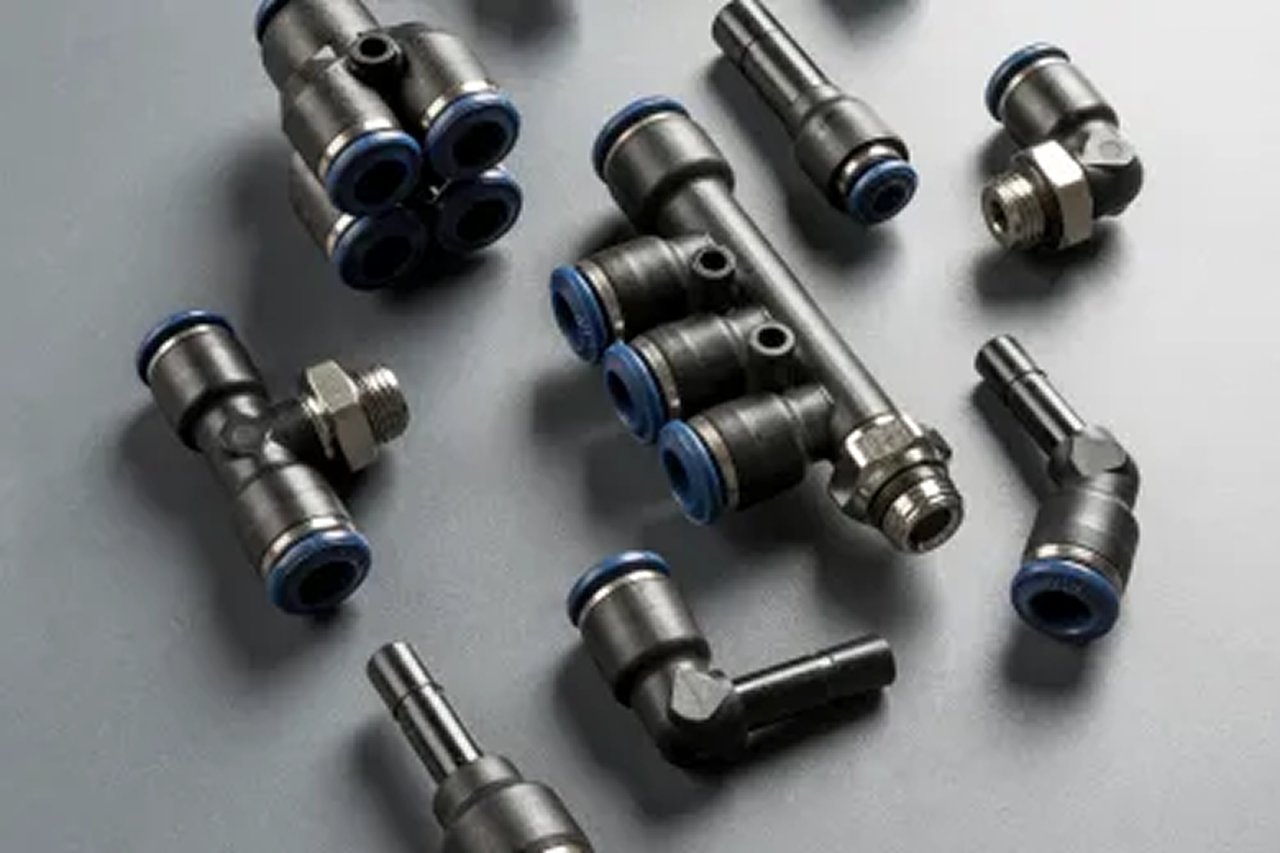
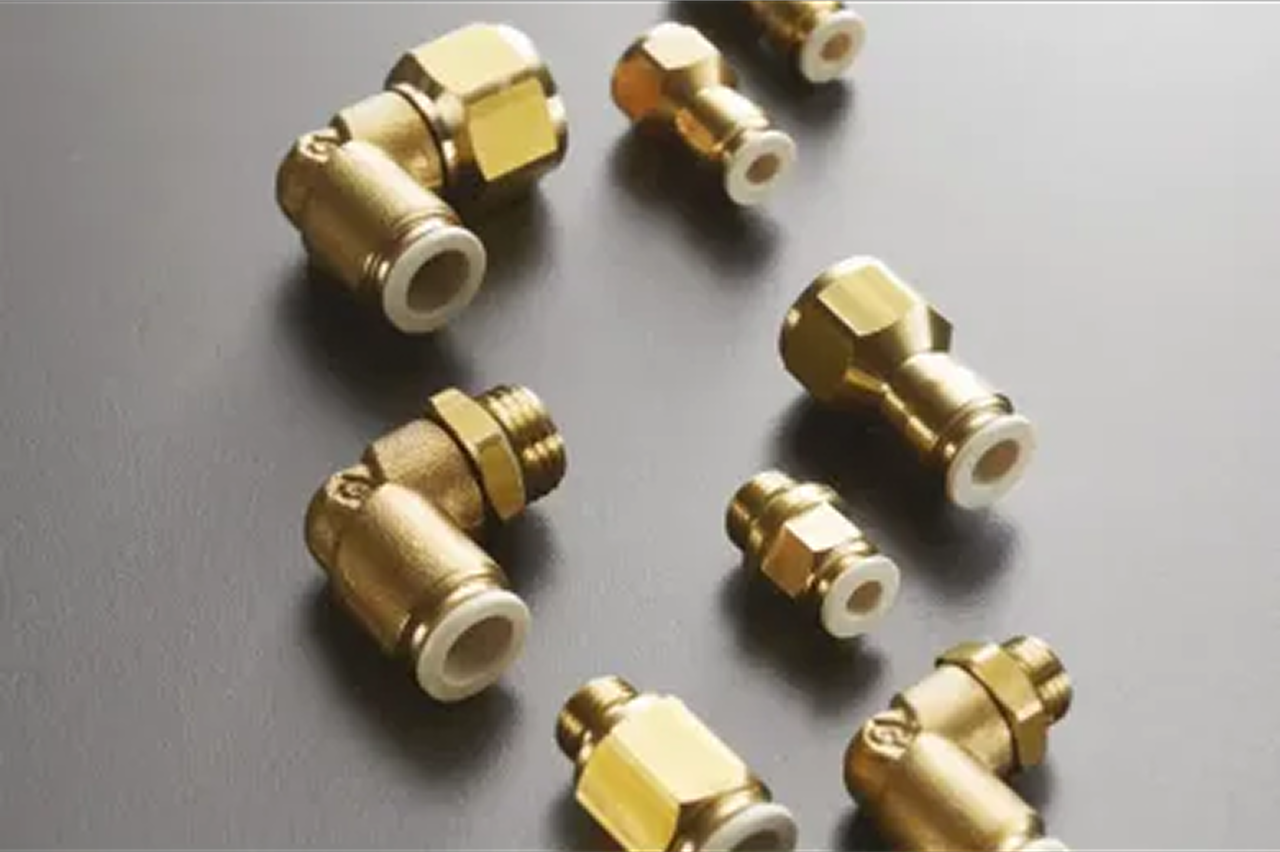
Polyethylene (PE) Tubing — representative product photo
02Why it's needed

Why this matters.

Tips and pointers on when PE is the right call — and when to spec something else. Scroll the strip →

01 · Key point
Lowest cost per foot.

Lightest, lowest-density common tubing polymer — extrusion cost materially below PU and PA12. The right answer where the application doesn''t need flex or high pressure: utility air, condensate drains, instrument-sense, water-side.

02 · Key point
Doesn''t absorb water.

Bore dimensions hold over years of submerged or humid service — cooling-tower side streams, RO/DI plumbing, beverage water-side. Inert to weak acids, weak bases, salts, alcohols, dilute water-treatment chemistries.

03 · Key point
FDA-compliant grade available.

Food-grade extrusion certified to 21 CFR 177.1520 for food/beverage contact. Natural for food contact, blue for water, green for CIP — standard color codes for plant circuit ID.

04 · Pro tip
Spec by application, not price.

PE wins on utility — ≤150 PSI, ≤140°F, static runs, no oil or solvent. Push it past any of those and the failure is fast. The distributor''s edge is knowing the cutoffs before the customer installs the wrong polymer.

05 · Where not to use
Constant-flex robotics, tool drops.

PE fatigue-cracks in a fraction of the cycles PU survives — robot end-effectors and balancer-fed drops split within weeks. → Step up to 95A PU for any cycle-flexing application.

06 · Where not to use
Oil, coolant, solvent contact.

PE swells and stress-cracks under hydrocarbon exposure within months. → Step up to PA12 nylon for cutting fluid, lube mist, fuel, or any chemistry past dilute water-treatment.

07 · Where not to use
UV / outdoor / sustained sun.

Standard natural PE embrittles within one season of sunlight. → UV-stabilized PE for short outdoor; PA12 for indefinite outdoor or ozone-prone equipment rooms.

03Key selection criteria

What we need to spec it right.

From the machine spec sheet → to the part number. Answer what you know — leave the rest blank — and send.

01 · Input
Measure the existing tube or read the fitting size with a caliper — OD must match the fitting exactly. Metric and inch are not interchangeable (6mm = 0.236", 1/4" = 0.250").
Metric: 4mm · 6mm · 8mm · 10mm · 12mm · Inch: 1/4" · 3/8" · 1/2"
02 · Input
PE is for general-purpose air, drain lines, and low-pressure water/utility. Not for oil, coolant, chemical, or weld-spatter exposure — re-spec to PA12 or FEP.
General air · Drain / condensate · Instrument-sense / pilot signal · Low-pressure water / utility
03 · Input
Read the system gauge. PE carries materially lower ratings than PU/PA — verify at operating temperature before quoting.
Typical: 60 PSI · 90 PSI · 120 PSI
04 · Input
Confirm against the PE rating. ~140°F upper ceiling on standard grade — sustained higher = step up to PA12.
Standard PE: -20°F to +140°F
05 · Input
Audit / outdoor / food-contact installs need a specific grade — confirm with the customer.
FDA food-grade (21 CFR 177.1520) · UV-stabilized (outdoor / sunlit) · Standard natural (indoor, dry)
06 · Input
For circuit identification — plant convention varies.
Natural (default) · Black (UV-stable) · Blue (air) · Red (utility)
07 · Input
Distributor pricing breaks at roll size. Need multiple length/qty combinations? Add each as its own quote line (e.g., 4× 100-ft + 1× 500-ft = two lines).
Roll sizes: 100-ft · 500-ft · 1000-ft · Format: "qty × roll-size"

Need different sizes, colors, or quantities? Fill the form, add to quote, then fill again — each click is one quote line.

04Choose your solution tier  ·  core differentiator

Whatever your lever — spec, value, or price — SPC has the right brand.

Most distributors sell one brand per product type. SPC's 60-brand portfolio means every Product Type page surfaces three real options matched to how your customer is buying today. Pick the tier; the quote desk handles the cross-reference.

05How to sell this  ·  distributor talk track

The tier conversation closes the deal. The cross-reference catalog wins the next one.

PE wins on price when the application doesn't need PU flex or nylon pressure — and that's most of the utility-grade tubing footprint in any plant. Sell it where it belongs, bundle the matched fittings, and it's a high-volume recurring stock line.
The SPC difference · how distributors actually buy

The 30-second positioning

PE is a value-tier conversation, not a premium one. The customer is price-conscious by definition. The distributor's edge is knowing the cutoffs — when PE is right and when to redirect to PU or PA12 before the customer installs the wrong polymer.
The sale is rarely a single roll. PE moves in 100-foot and 500-foot rolls, often by the case, for plant utility runs that consume the polymer across dozens of drops at a time.
Tier: Industry Leader tier — deep-stock US distributor across the full OD range, rapid same-day/next-day from US warehouses, full FDA-grade availability, broad color range. The cross-reference partner for plant utility tubing. Emerging tier — European-manufactured with EU spec rigor, well-suited for projects requiring documented EU-grade extrusion. Project-paced lead time; right for spec-driven orders, wrong for next-day plant utility replenishment.

Customer cue → talk move

"Cheapest general-purpose for drain and instrument-air"
That's PE. Quote 1/4" or 3/8" low-density in 500-ft rolls + matched PTC fittings. Confirm pressure under 150 PSI, temp under 140°F.
"PU keeps swelling near the coolant tank"
Wrong polymer. Redirect to PA12 nylon. Don't put PE there either — same chemistry problem, lower pressure rating.
"Food-and-beverage plant"
Spec the FDA-compliant grade per 21 CFR 177.1520. Standard PE is NOT FDA-compliant; the FDA grade is a specific extrusion.
"Robot drops keep cracking, was told PE is cheaper"
Wrong polymer for constant-flex. PE fatigue-cracks in a fraction of the cycles PU survives. Quote 95A PU; the per-foot premium pays back in months.
"Need it Monday"
Industry Leader tier for next-day domestic. Emerging tier for project orders with longer lead.
"Outdoor compressor room — PE cracked after one summer"
Standard natural PE is not UV-stable. UV-stabilized (carbon-black-loaded) PE for short outdoor; PA12 for indefinite outdoor.
"Standardizing all utility tubing"
PE for utility air + drains + water-side; PU for tool drops + robot lines; PA12 for oil/coolant + high-pressure. Matched PTC fittings from a single line.
06Where it's used

Industries served.

Each industry below uses this product across the listed areas. Open an industry to see how it fits the rest of its system.

Also applies to Condensate and drain lines from compressed-air equipment · Instrument-sense and gauge tap lines · Water-side service in cooling and process-water systems · Pneumatic instrumentation panels and control-cabinet plumbing · Educational and demonstration pneumatic setups · Light-duty residential and commercial air systems

09Install · 6 critical steps

The things that matter on the first install.

Step 01
Cut the tube square and deburr the bore
Use a dedicated tube cutter — utility knives and side cutters leave a slanted, deformed end that won't seal in a PTC fitting. Cut face perpendicular within 1-2°. Deburr the inside edge with a pen-style tool. Skipping the deburr is the #1 cause of slow leaks on PE — the flash ring lifts the O-ring.
Step 02
Verify fitting compatibility with PE
Most composite and technopolymer PTC fittings are PE-rated, but some metallic-brass and stainless PTCs have collet designs optimized for the firmer wall of PA or PU and grip PE less reliably. Confirm the fitting datasheet calls out PE compatibility.
Step 03
Mark the insertion depth before pushing in
Insertion depth is in the fitting datasheet, typically 15-22mm depending on OD. Mark with a permanent marker; after insertion, the mark should sit flush against the fitting face. A short-inserted tube is gripped by the collet but not sealed by the O-ring.
Step 04
Push straight to bottom, then tug-test for grab
Push straight (no angle) until the tube bottoms (you'll feel resistance against the bore stop). Tug gently — the collet should grip and resist withdrawal. If it pulls free, either the fitting is wrong or the cut is tapered.
Step 05
Pressurize and soap-test every joint
Bring up to working pressure, brush soap on every PTC joint. Three most common PE leak modes: short insertion (Step 03), debris on the O-ring from a dirty bore (Step 01), and tube-wall damage from over-aggressive cutting.
Step 07
Protect against sunlight, ozone, and abrasion at stress points
Standard natural PE embrittles under UV. Outdoor or window-adjacent runs need UV-stabilized PE or a corrugated conduit sleeve. At abrasion crossings, install grommets, edge protectors, or spiral-wrap.
10Troubleshoot · top failures

Most returns trace to one of these causes.

Symptom
Most likely cause
Fix
Slow leak at a PTC fitting on a PE line installed within the last month.
Insertion depth short (tube not fully seated to the O-ring), bore not deburred (flash ring lifting the O-ring), tube cut at a taper (collet not gripping), or wrong fitting selected (collet ID too large for PE OD tolerance).
Depressurize, withdraw the tube, inspect cut face for squareness and bore for flash. Re-cut + deburr + mark insertion depth + push to flush. If leak persists, verify fitting compatibility — switch to composite or technopolymer PTC with confirmed PE rating.
PE tubing collapsed or flattened locally between supports on a horizontal run.
Support spacing too wide for PE's lower modulus (especially in elevated temperature), or external load applied to the tubing (something laid on top, worker stepped on it, equipment rolled over it).
Replace the collapsed section — bore deformation is permanent. Add support every 12-18 inches on the rerun. If the run is near a hot surface, switch to PA12.
PE tubing kinked at a tight bend and won't recover.
Bend radius tighter than the polymer's minimum, often at a fitting transition where the installer fought the tube around a corner.
Cut out the kinked section. Use a 90° PTC elbow at the corner rather than bending the tube. If bending is required, minimum bend radius is 4-6x OD; sweep gradually.
PE cracked or split lengthwise after months in service.
UV embrittlement from sunlight or ozone on standard natural PE, chemical attack from solvent or oil (PE stress-cracks under hydrocarbon contact), or low-temperature embrittlement (rare in indoor service).
Outdoor or window-adjacent runs need UV-stabilized PE or conduit sleeve; fully replace the failed section — once cracking starts, the polymer is compromised end-to-end. Oil/solvent contact = wrong polymer; re-spec to PA12.
PE drain line weeping at fittings but pressure tests pass when dry.
PE OD tolerance is wider than PA12; at fitting transitions, a hairline gap at the O-ring seat can pass liquid without registering as a measurable air leak.
Inspect the fitting at the wet point. Upsize to a wet-service-rated PTC with tighter O-ring seat, or switch to a barbed-and-clamped fitting. For chronic wet-service drain lines, consider PA12 — tighter OD tolerance pairs better with standard PTC seals.
PE pulled free from a PTC fitting under pressure spike or vibration.
Collet grip on PE is less aggressive than on PA12 — softer outer surface deforms slightly under the collet teeth and creeps free under cycling.
For vibration-prone or pressure-spike applications, switch to PA12. For lighter-duty applications, re-seat the tube to full insertion depth and add a tube clip within 2-3 inches of the fitting.

Get the right polyethylene (pe) tubing on quote in 24 hours.

Send us the application — a specialist routes you to the correct tier with a configured part. Lead-times and pricing returned within one business day.

Request a quote