DISTRIBUTOR-FIRST SUPPLY PARTNER · SINCE 1999 Live · Pneumatic Automation System

Fluoropolymer tubing for the demanding applications standard PU and nylon cannot serve — pharmaceutical, food contact, laboratory, semiconductor, aggressive chemical service. FEP (fluorinated ethylene propylene) is the more flexible, easier-to-handle fluoropolymer and the usual choice for tubing; PTFE (polytetrafluoroethylene) is stiffer and used where its higher temperature ceiling or surface properties are needed. Both are chemically near-inert (resist solvents, acids, bases that would dissolve a thermoplastic), hold a very wide temperature range, are UV-stable for indefinite outdoor service, and have transparent walls for visual flow checks. Trade-offs are real: lower working pressure than PU or nylon at the same OD, several times the cost, project-based stocking rather than deep shelf. Specified when chemistry, purity requirement, temperature, or UV exposure leaves no thermoplastic alternative — not as a general upgrade.
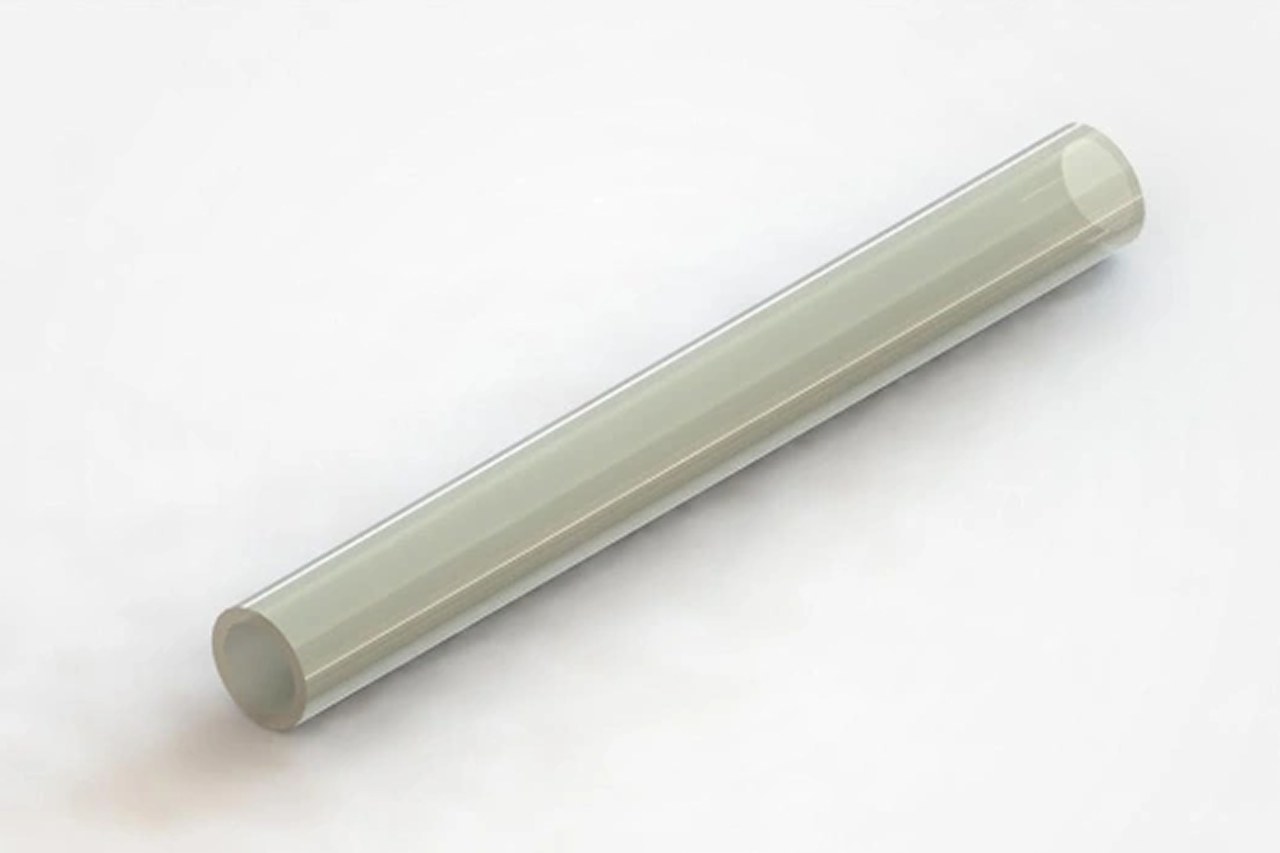
Tips and pointers on when FEP/PTFE fluoropolymer is the right call — and when to spec something else. Scroll the strip →
Inert to concentrated sulfuric, nitric, HF, HCl, NaOH, KOH; aromatics, chlorinated solvents, ketones, alcohols. The only polymer family that survives sulfuric-acid delivery, solvent manifolds, semiconductor wet-process.
FEP service to +400°F continuous; PTFE to +500°F. Both UV-stable and ozone-stable indefinitely — the polymer for hot-process, steam-line proximity, decade-plus outdoor.
Certifications against FDA 21 CFR 177.1550, USP Class VI, ASME-BPE, EU 10/2011. The only polymer that passes bioreactor sample loops, WFI plumbing, GC/mass-spec sample paths.
FEP — more flexible (8-12× OD bend radius), easier routing, usual choice. PTFE — stiffer (12-15× OD), only where temperature exceeds FEP''s 400°F or surface properties demand it. Cleanroom-extruded PFA for sub-ppb semi fab.
Several times the cost per foot without proportional value — fluoropolymer is chemistry-and-regulatory specification, not a quality upgrade. → Step down to PU for standard pneumatic at 1/10th the cost.
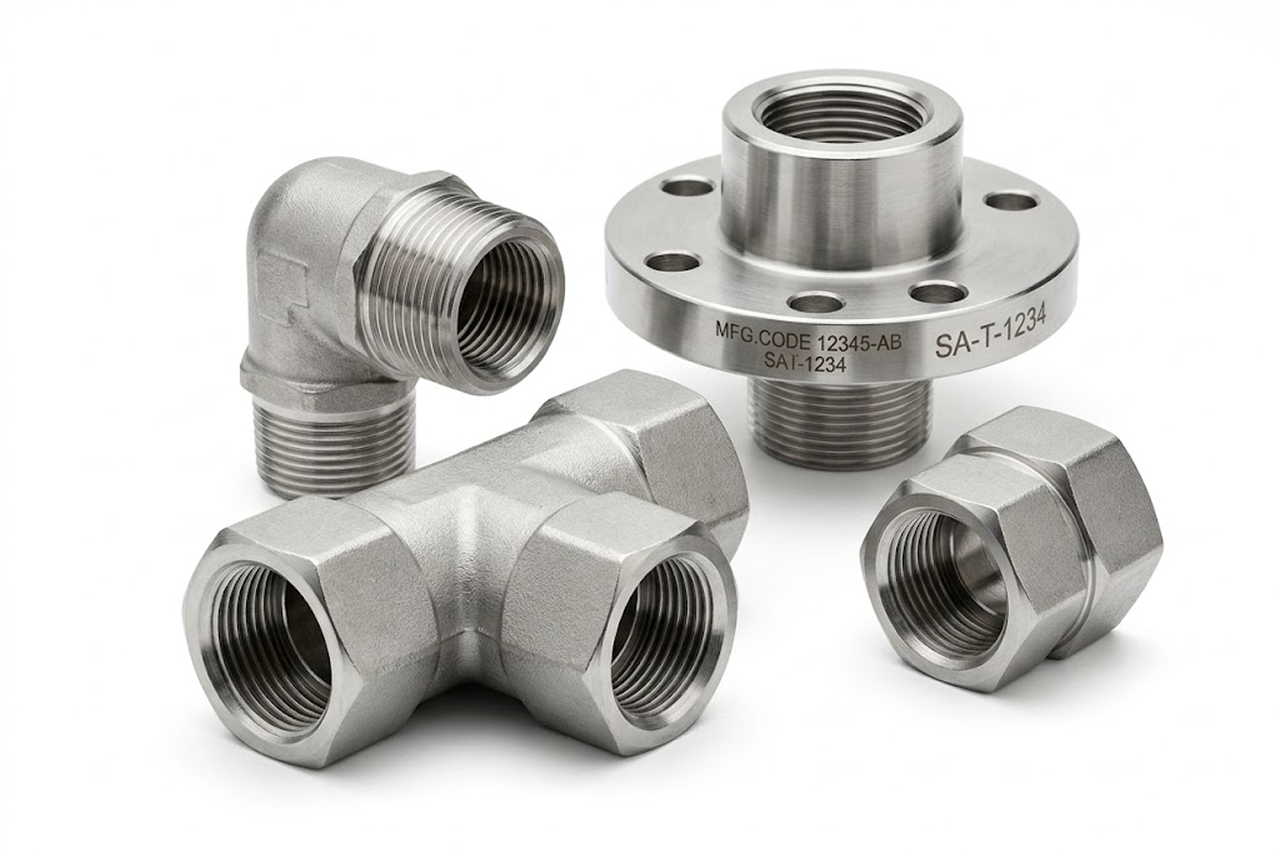
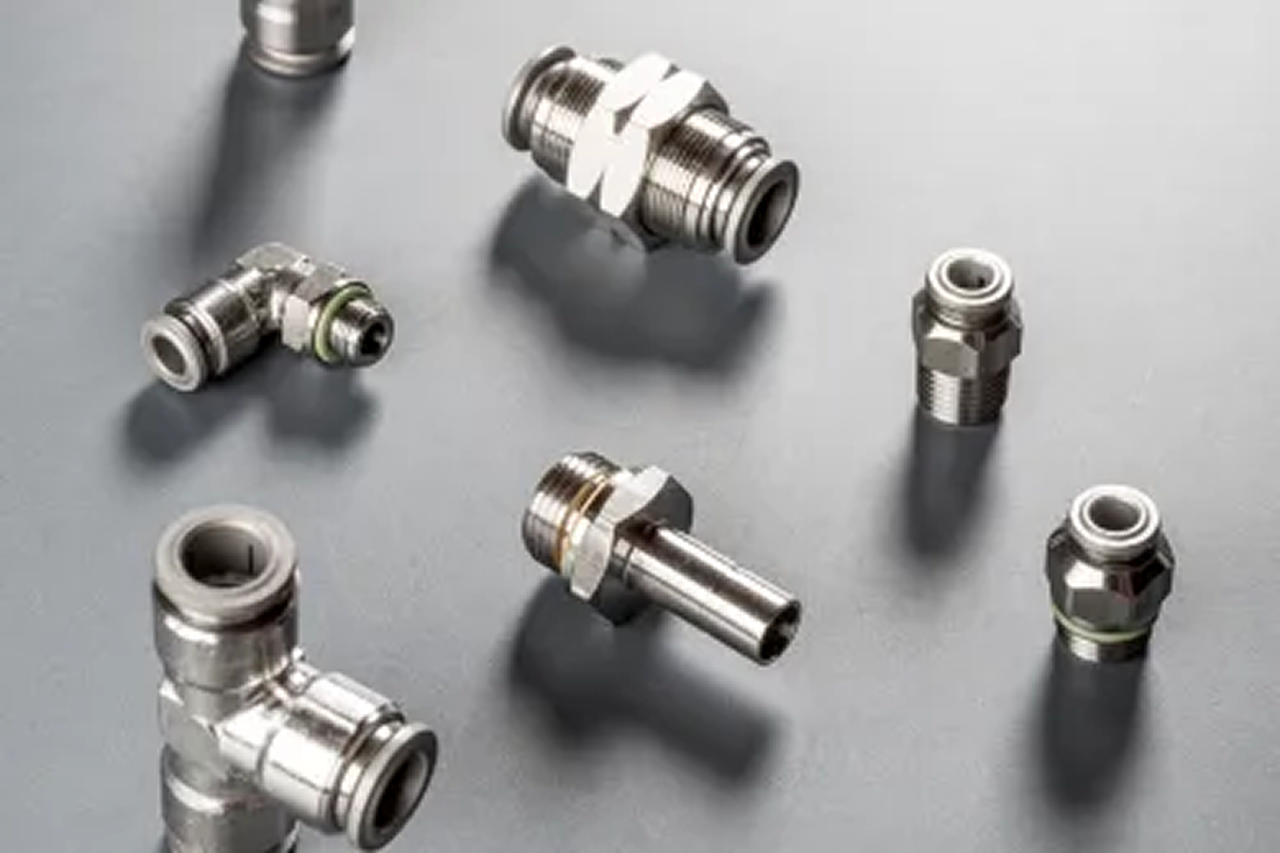
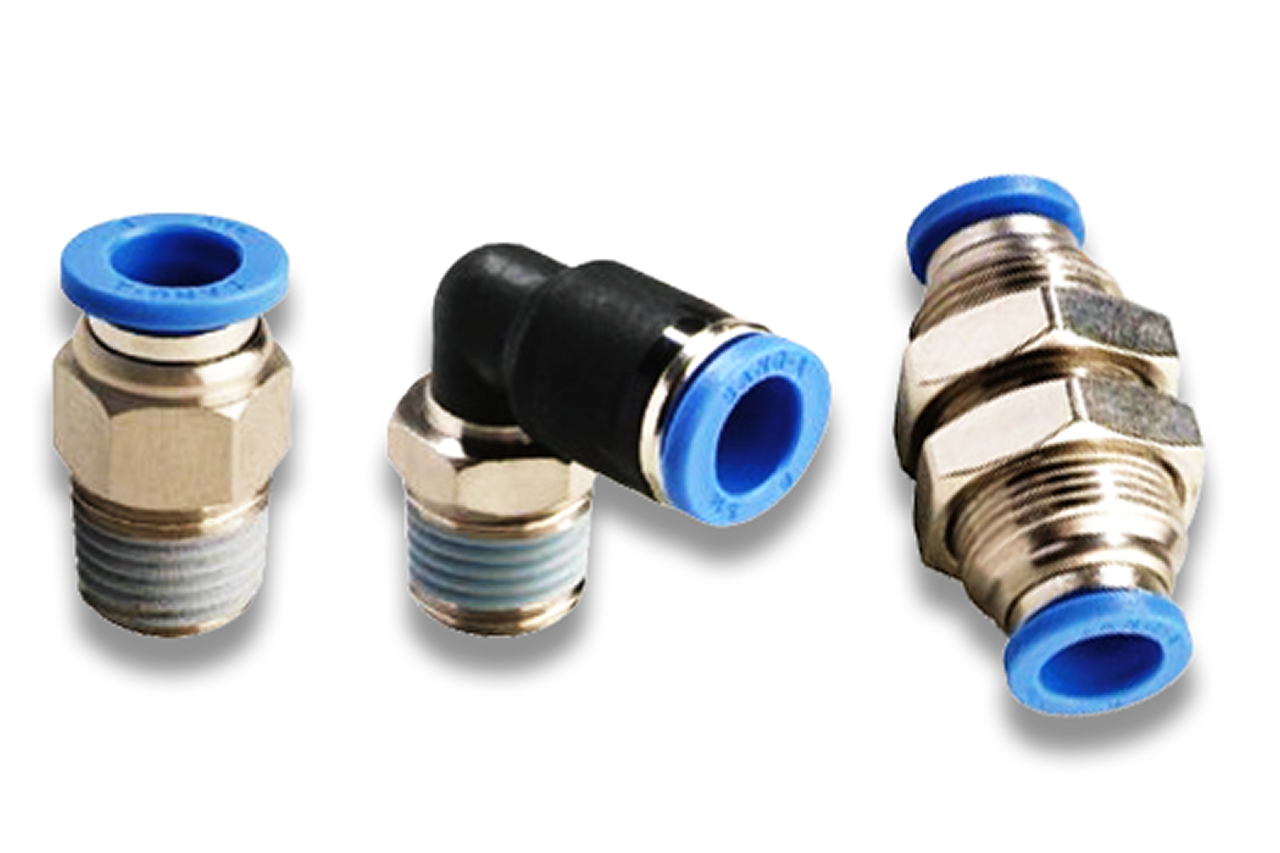
Soft fluoropolymer extrudes past generic PTC collets; 6mm FEP rates only 100-150 PSI ambient. → Pair with compression or flare fittings (instrumentation stainless tube fitting) for sustained pressure or vibration-prone runs.
Over-spec where chemistry is petroleum-based, not aggressive. → Step down to PA12 nylon at 10× lower cost per foot — right for CNC coolant, lubrication, fuel, machine plumbing.
From the machine spec sheet → to the part number. Answer what you know — leave the rest blank — and send.
Most distributors sell one brand per product type. SPC's 60-brand portfolio means every Product Type page surfaces three real options matched to how your customer is buying today. Pick the tier; the quote desk handles the cross-reference.
FEP and PTFE are polymer-of-last-resort tubing — quoted only when chemistry, purity, temperature, or regulatory framework leaves no thermoplastic alternative. Sell it where required, protect the customer from over-spending where a cheaper polymer would have worked.
Each industry below uses this product across the listed areas. Open an industry to see how it fits the rest of its system.
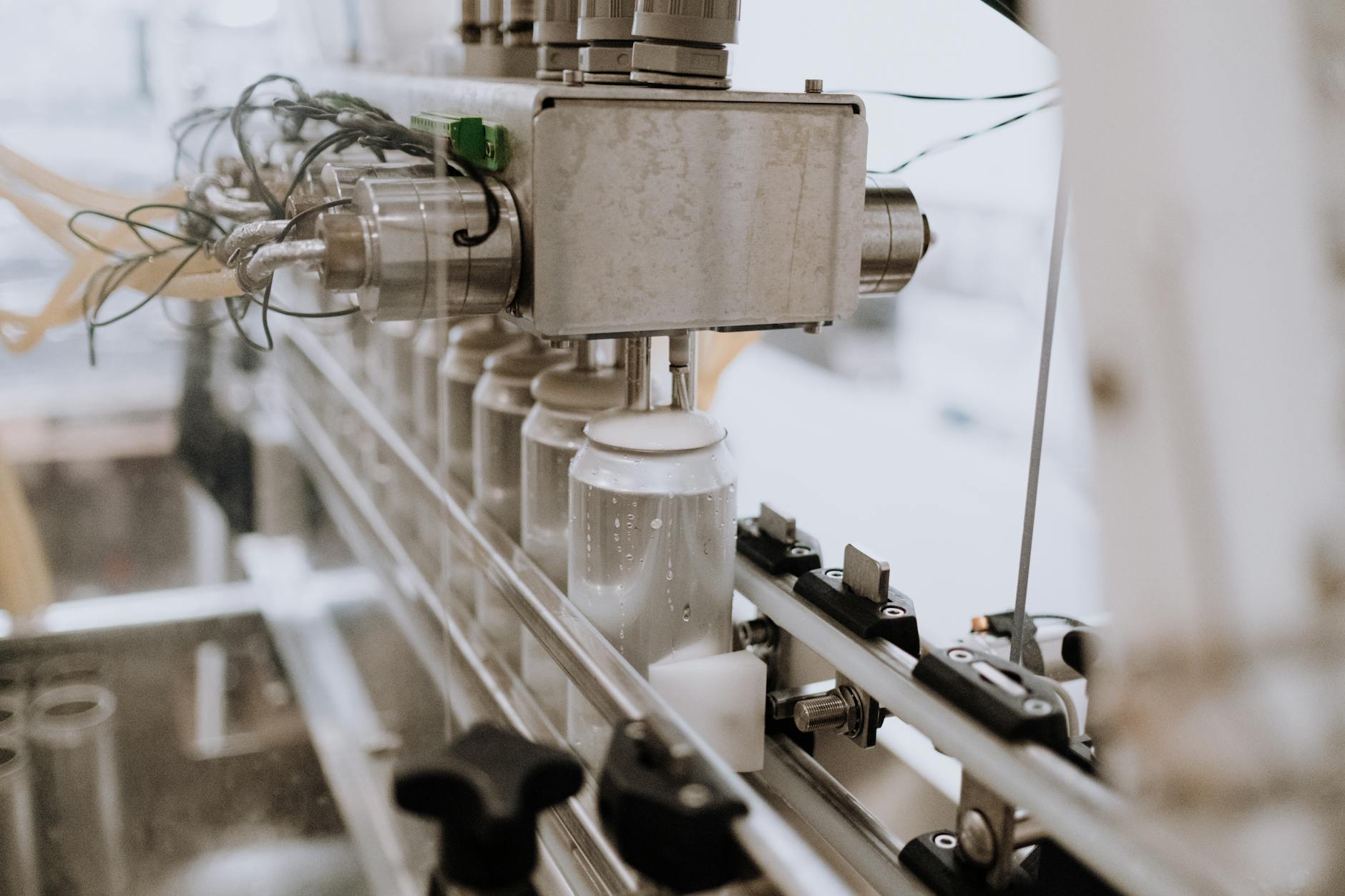 Food & Beverage Processing →
  Pharmaceutical, Medical Device & Laboratory →
 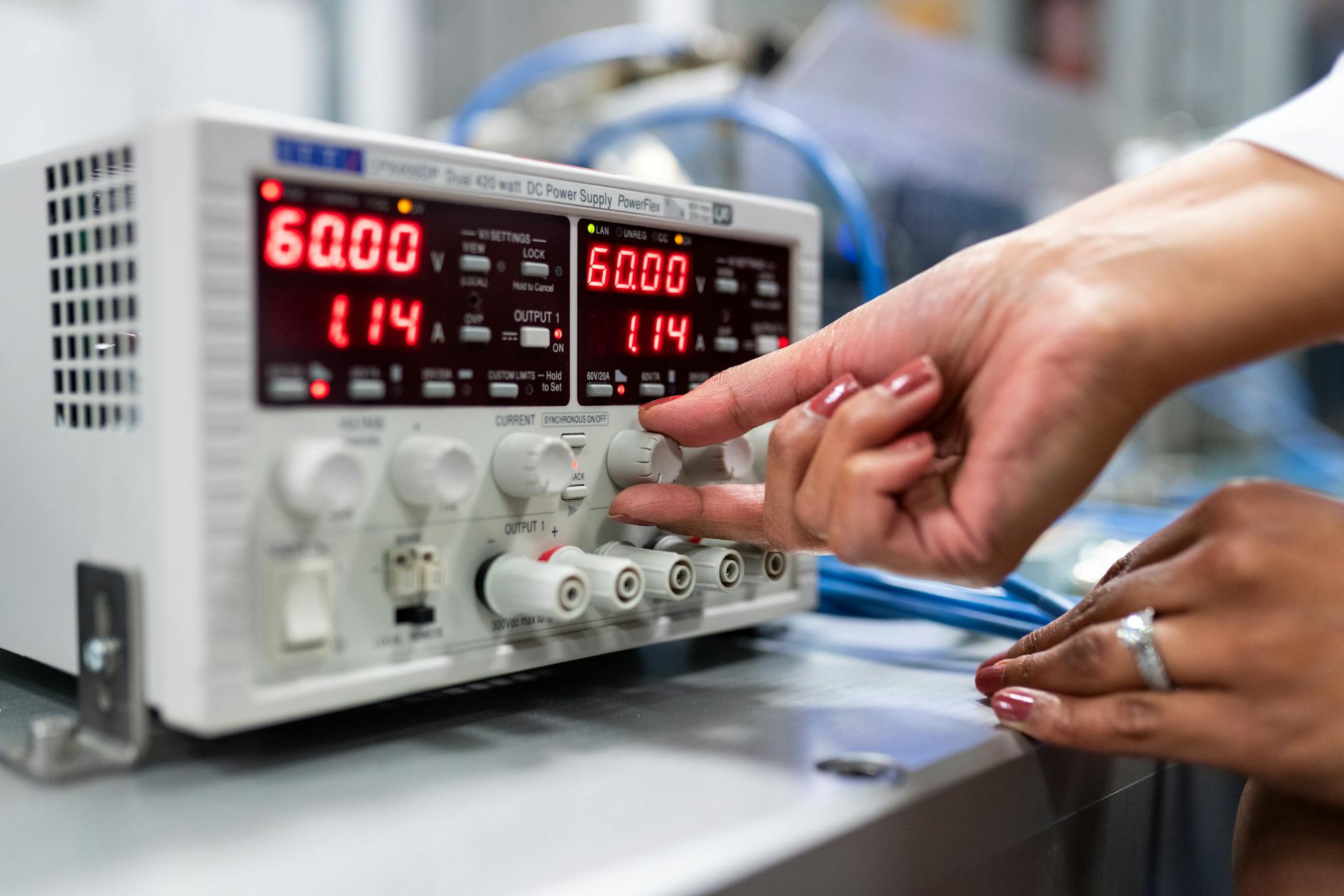 Electronics & Semiconductor →
 Also applies to Small-OD FEP (1/16", 1/8") · Aggressive industrial chemistry service — solvent, acid, base delivery · High-temperature compressed-air or process-gas service (>200°F) · Outdoor and UV-exposed runs requiring decade-plus service life · cost premium against UV-stabilized PA12 or PE justified only where service-life is decades, not years
Every entry is a real product on this site — linked, not just named. Quote them on the same line item.
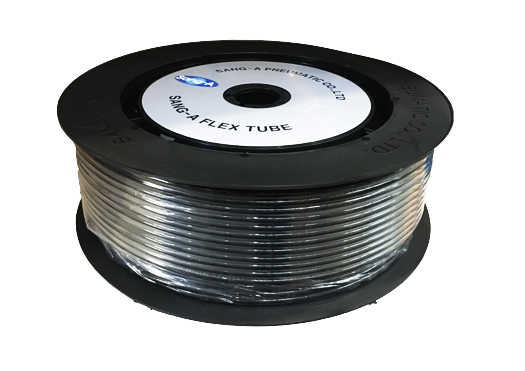
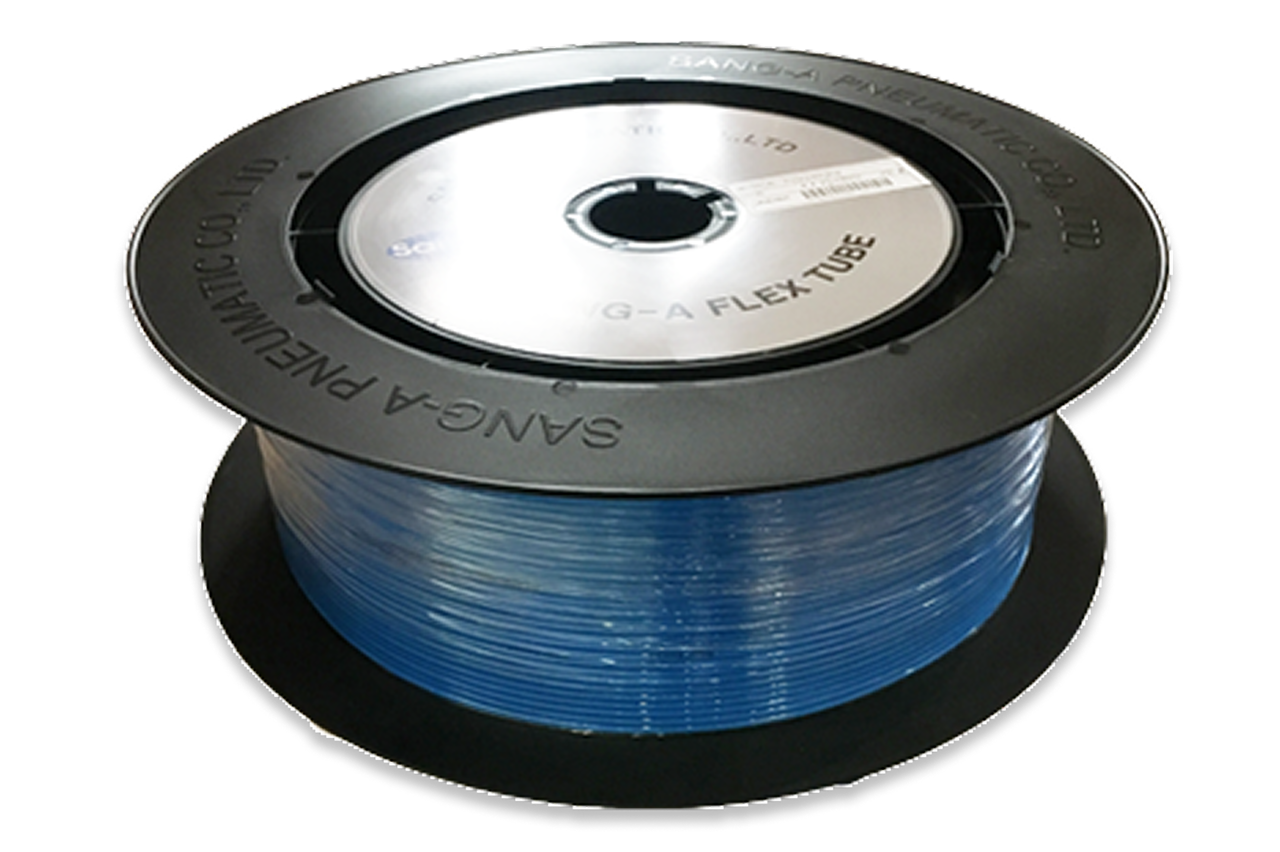
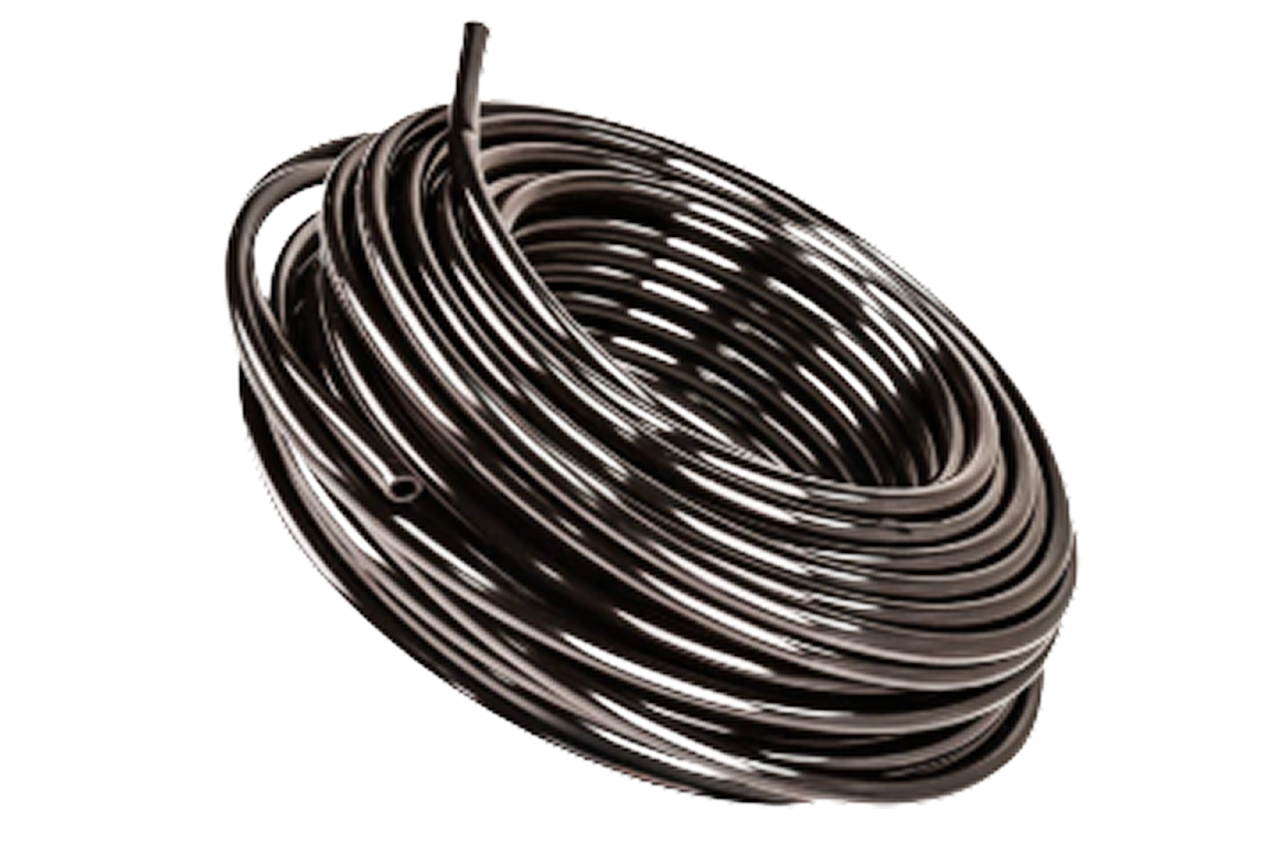
Bundle the certification documentation package with every order — FDA 21 CFR 177.1550, USP Class VI, ASME-BPE, or EU 10/2011 certificates of compliance, per-lot traceability, cleanroom cleanliness statements where applicable. Regulated installs need this on file before audit; pre-organized packages save the customer validation hours.
Send us the application — a specialist routes you to the correct tier with a configured part. Lead-times and pricing returned within one business day.
—. We reply within one business day with pricing, lead-time, and configured parts.