DISTRIBUTOR-FIRST SUPPLY PARTNER · SINCE 1999 Live · Compressed Air System

The instrument set that documents compressed air purity against ISO 8573-1 — the international standard that rates compressed air by three contaminants (solid particles, water, and oil) and reports the result as a three-digit class code, one digit per contaminant, with a lower number meaning cleaner air. Full measurement is not one instrument but three sensors plus a consolidating data logger — a laser particle counter, a dew point sensor, and a residual oil sensor — installed downstream of the entire treatment train at the point where air contacts product. It sits in the monitoring layer as the documentation tool: it does not condition the air, it produces the audit-grade record an FDA, USDA, GFSI, or notified-body inspector will ask for.
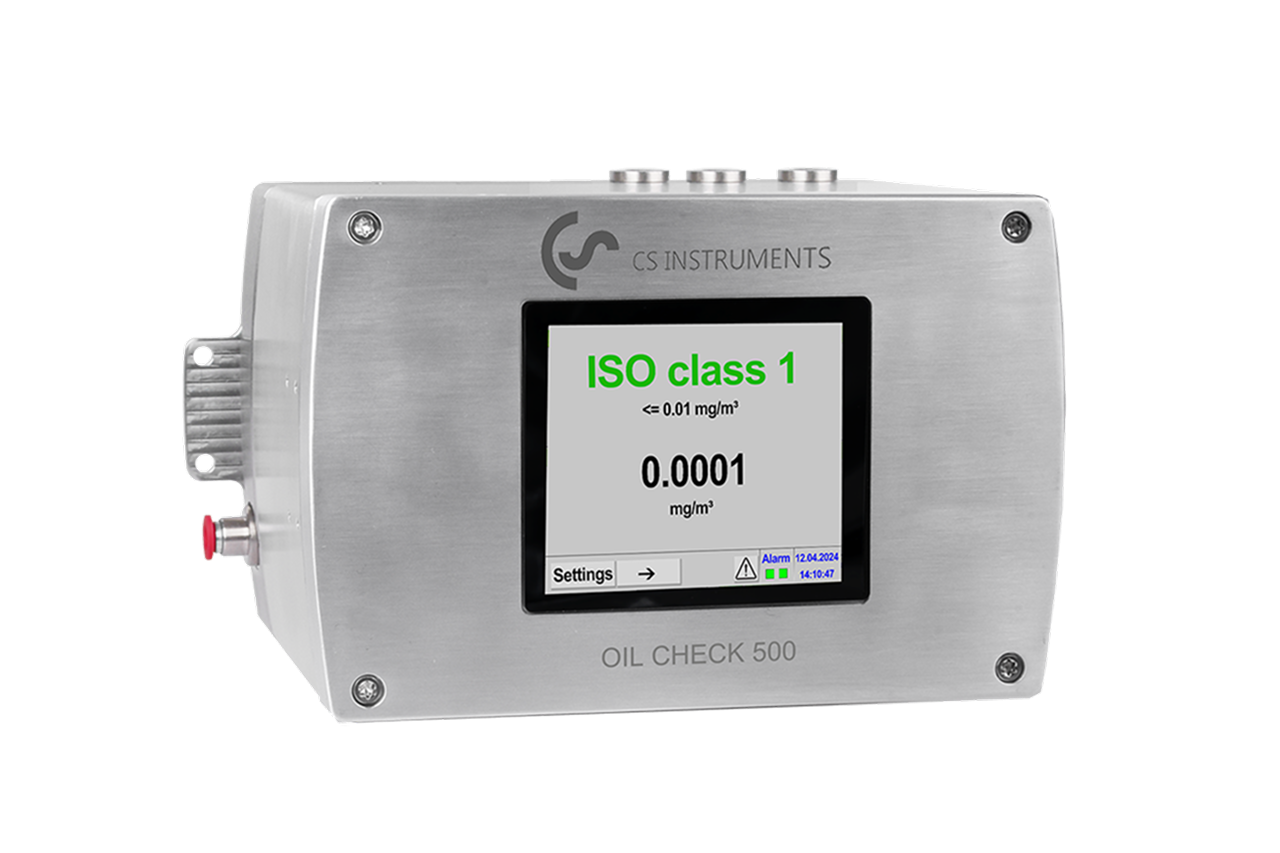
Tips and pointers on when the full ISO 8573-1 analyzer set is the right call — and when to spec something else. Scroll the strip →
ISO 8573-1 class code (e.g. 1.2.1) documented on a continuous logged trail. An inspector arrives, the plant produces the record on demand — that is the difference between conformance and a finding.
Laser particle counter to 0.1 µm, polymer-capacitive PDP sensor, PID-based oil sensor in the low mg/m³ range — consolidated by a logger over Modbus into one time-stamped audit trail with months of history.
"We run an oil-free compressor" is not documentation. ISO 8573-1 Class 0 still requires measurement — the analyzer's oil reading is the proof that closes the audit finding.
Scope sensors to the customer's audit, not the three-parameter default. Water-only audit → dew point monitor. Food contact with documented oil-free → particles + water. Pharma fill line → full three-parameter set.
ISO 8573-1 is verified where air contacts product, not at the dryer. → Re-locate sample tap downstream of final point-of-use filtration; a dryer-outlet reading does not certify the air the product touches.
Auditors ask for calibration certificates and sensing-method validation — import-tier kit can't produce them. → Spec audit-grade sensors with documented calibration program; old uncalibrated sensors are failed equipment for audit purposes.
An instrument without documented readback procedure, calibration cadence, and alarm response is half a deliverable. → Hand off a written SOP with the install — the paperwork is what closes the auditor finding, not the sensor on the wall.
From the machine spec sheet → to the part number. Answer what you know — leave the rest blank — and send.
Most distributors sell one brand per product type. SPC's 60-brand portfolio means every Product Type page surfaces three real options matched to how your customer is buying today. Pick the tier; the quote desk handles the cross-reference.
You can build the cleanest compressed air system in the country, but if the plant cannot produce a logged ISO 8573-1 record on demand, the auditor calls it unverified — and unverified air is non-conforming air.
Each industry below uses this product across the listed areas. Open an industry to see how it fits the rest of its system.
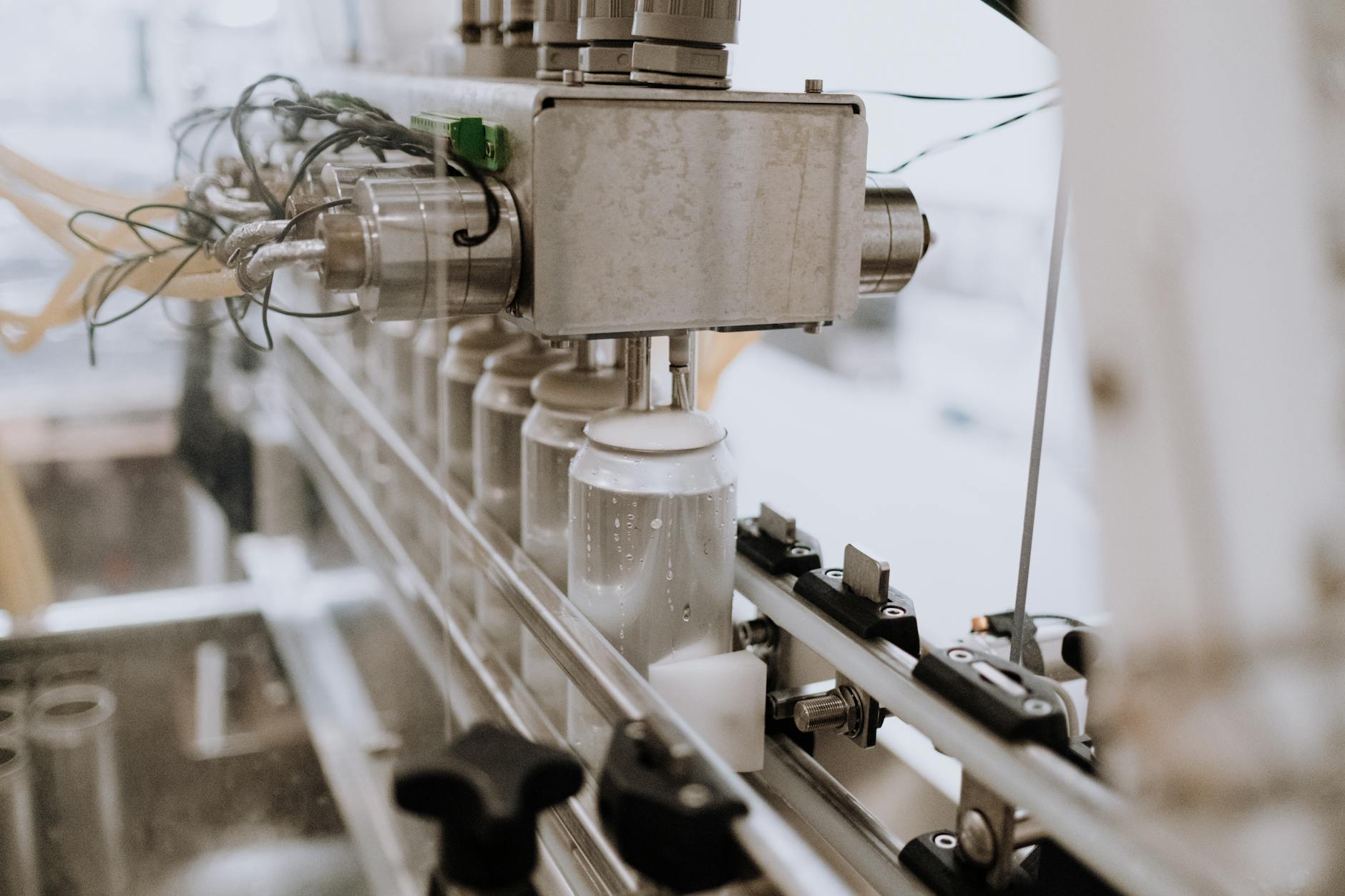 Food & Beverage Processing →
  Pharmaceutical, Medical Device & Laboratory →
 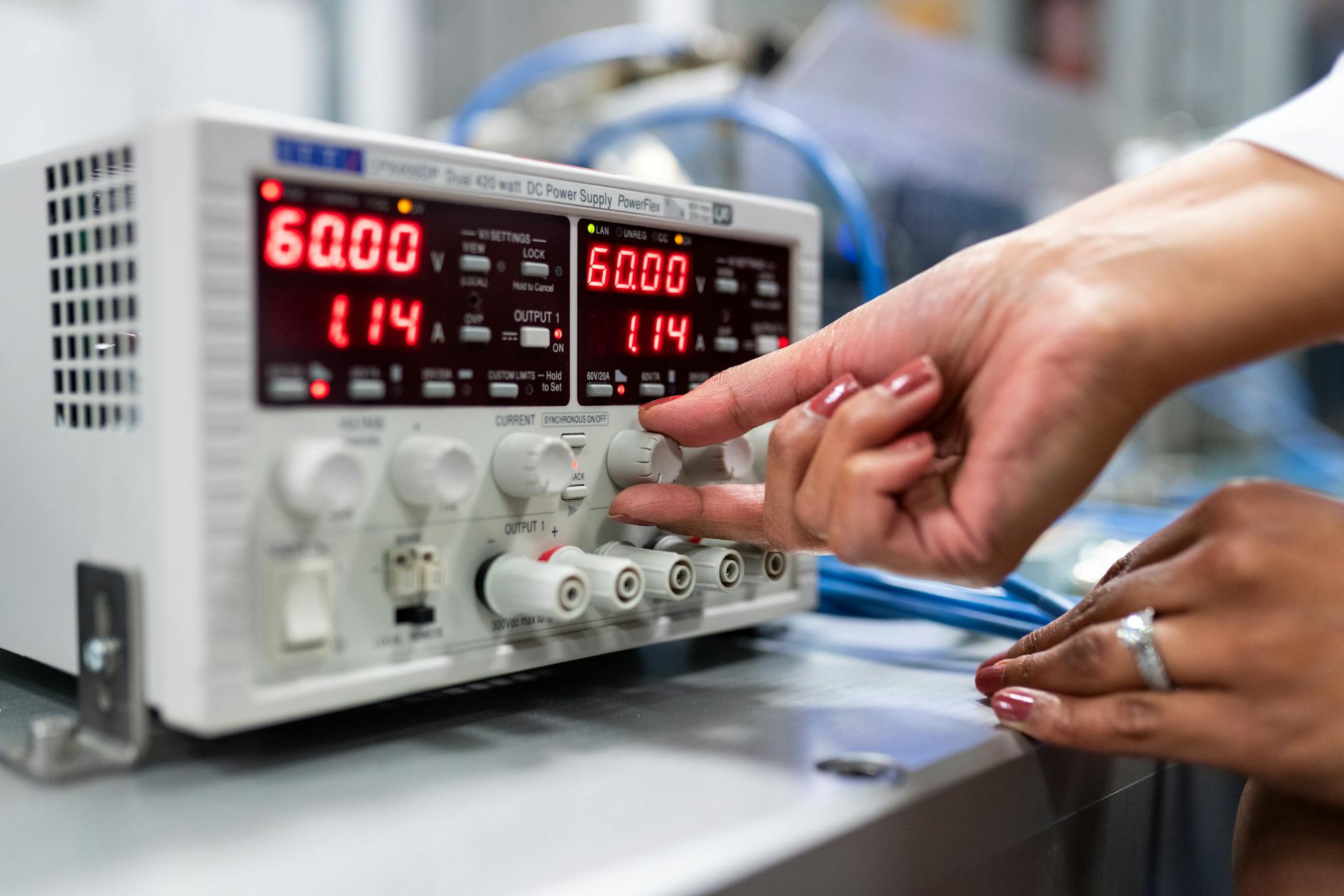 Electronics & Semiconductor →
 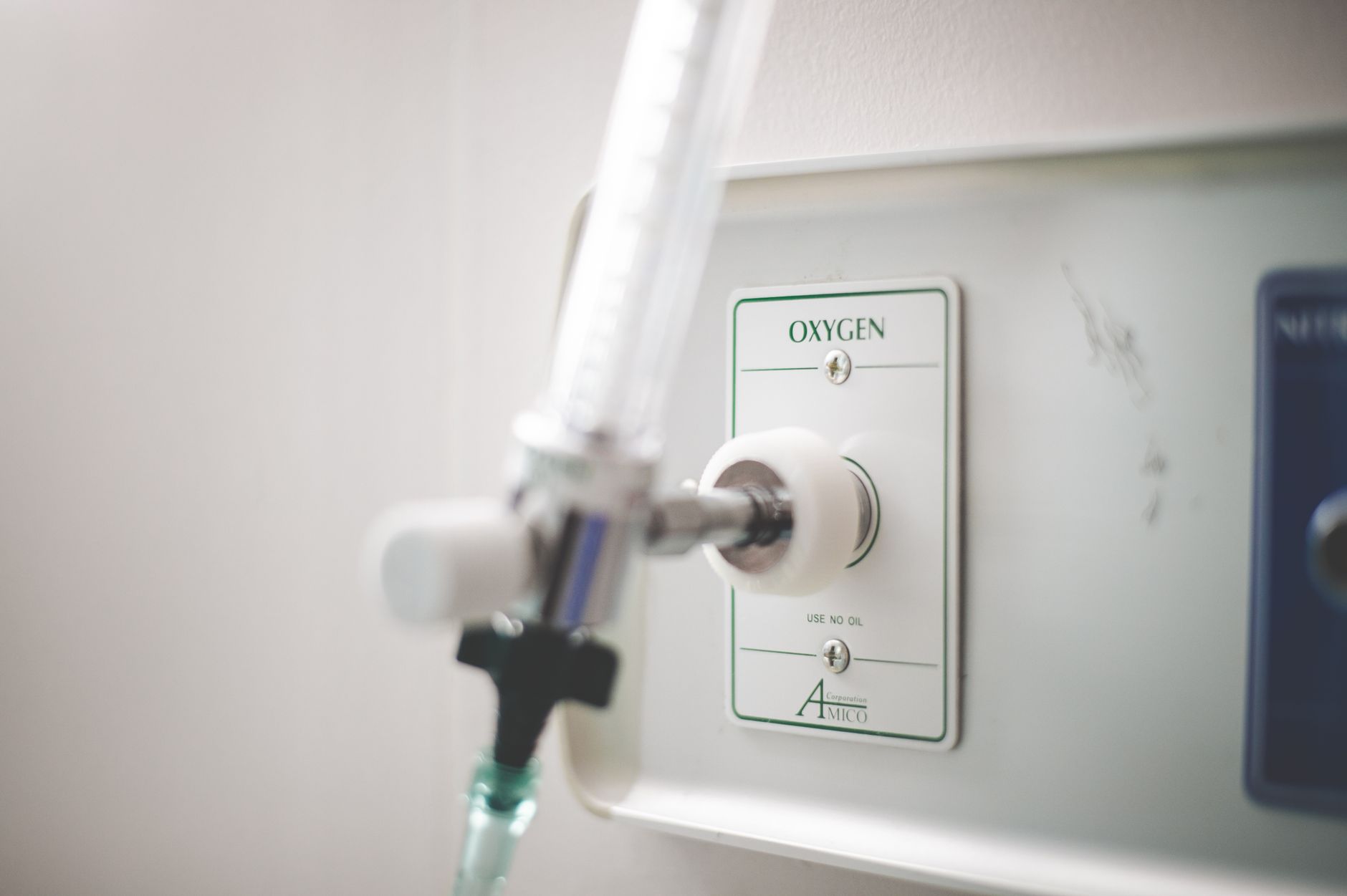 Medical & Dental Equipment →
  Chemical & Petrochemical →
 Also applies to ISO 8573-1 Class 1.2.1 or stricter is typical · Plants undertaking a new ISO 8573-1 compliance program · baseline audit (portable kit, characterize current state) · fixed-install rollout · Third-party compressed air auditors and consultancies
Every entry is a real product on this site — linked, not just named. Quote them on the same line item.
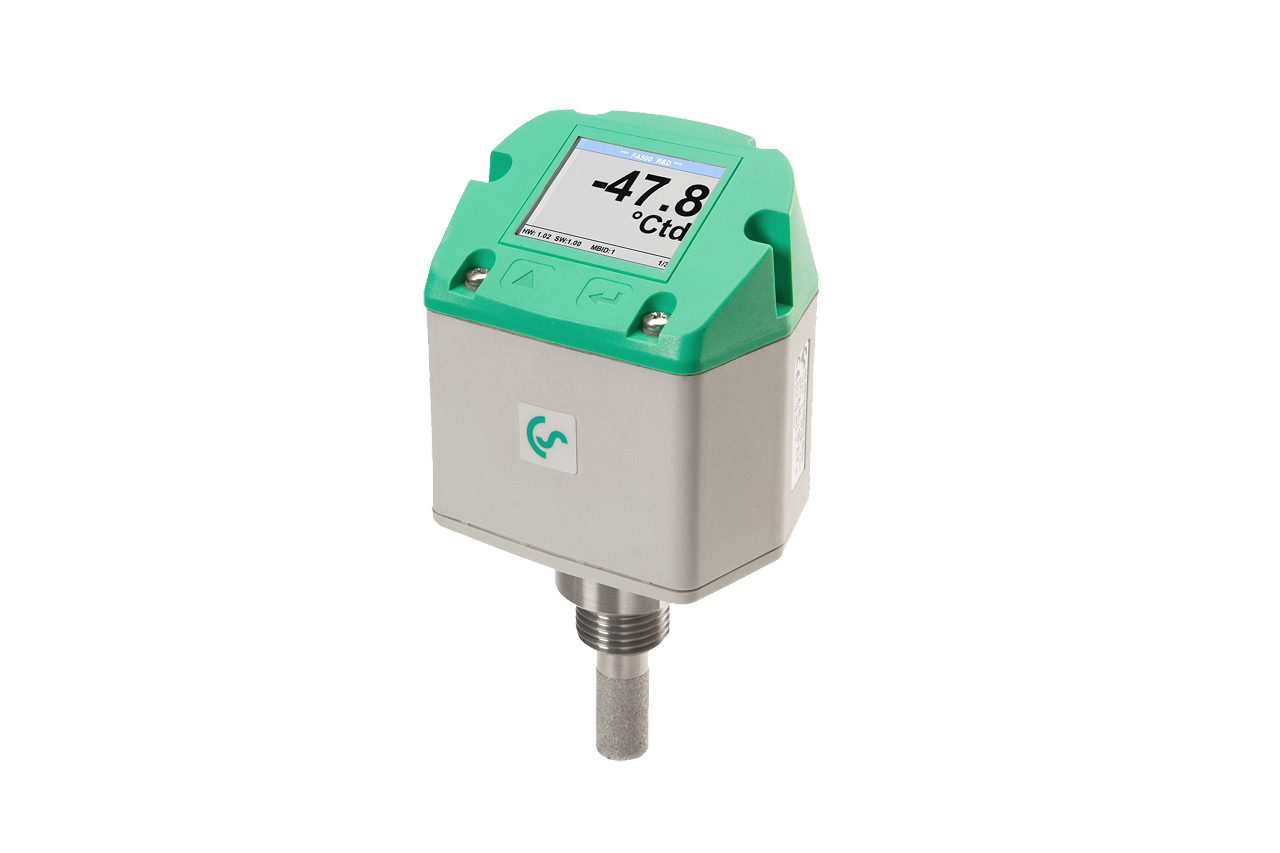
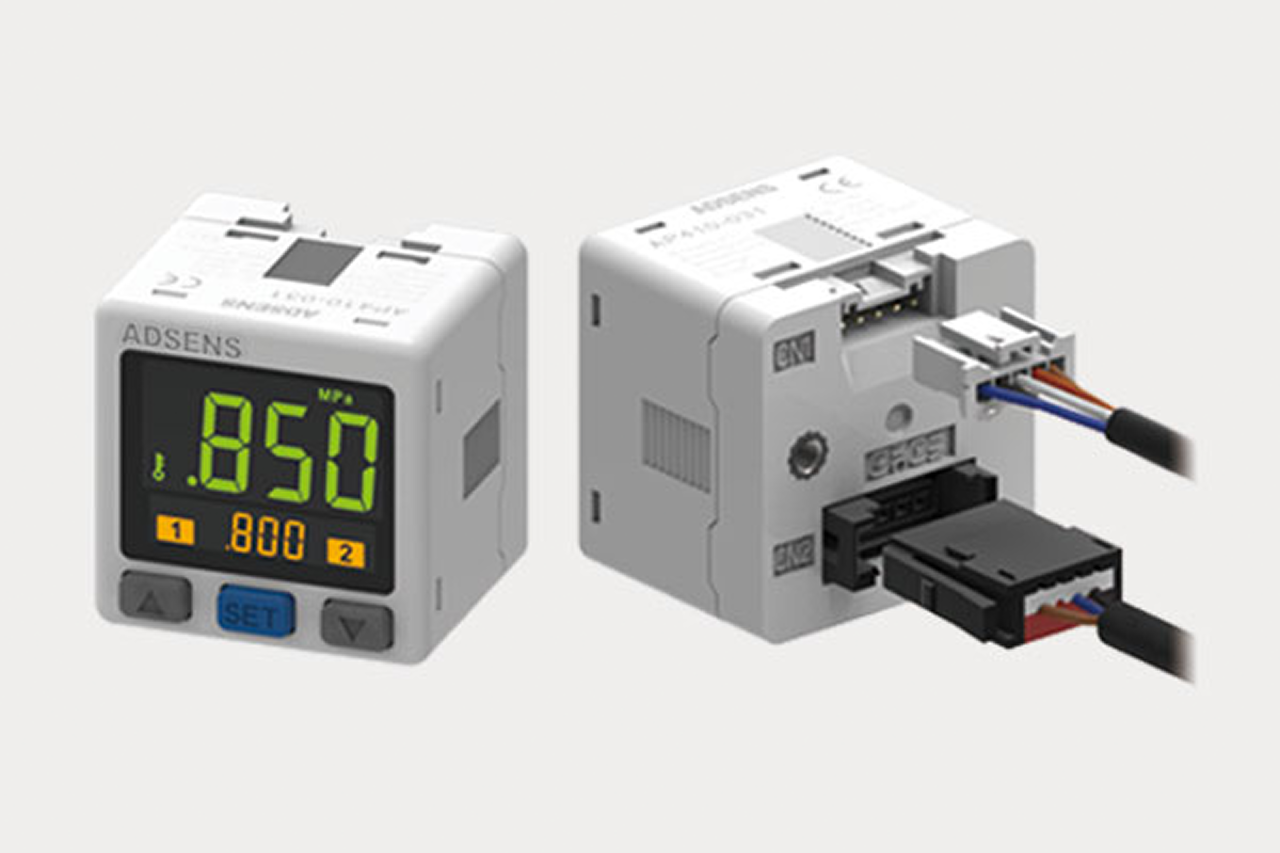
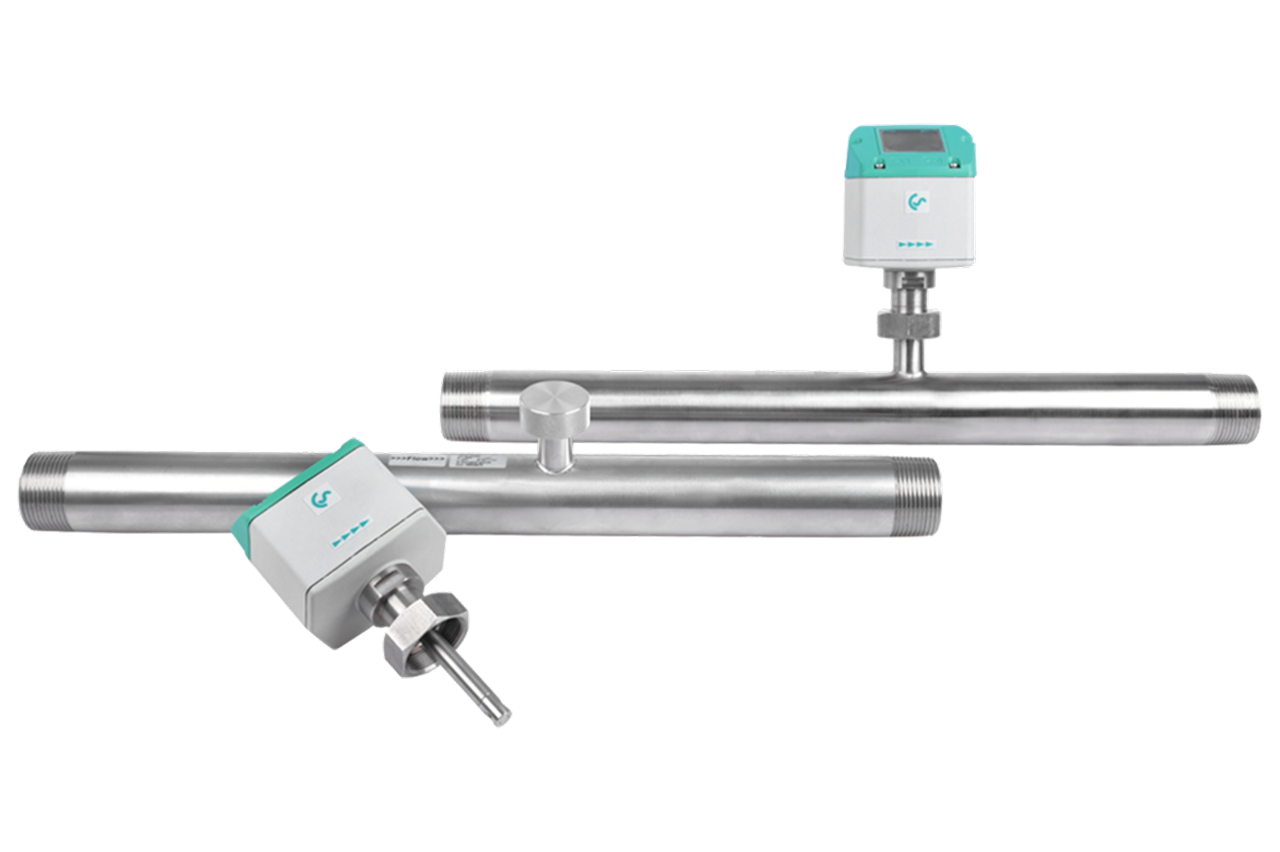
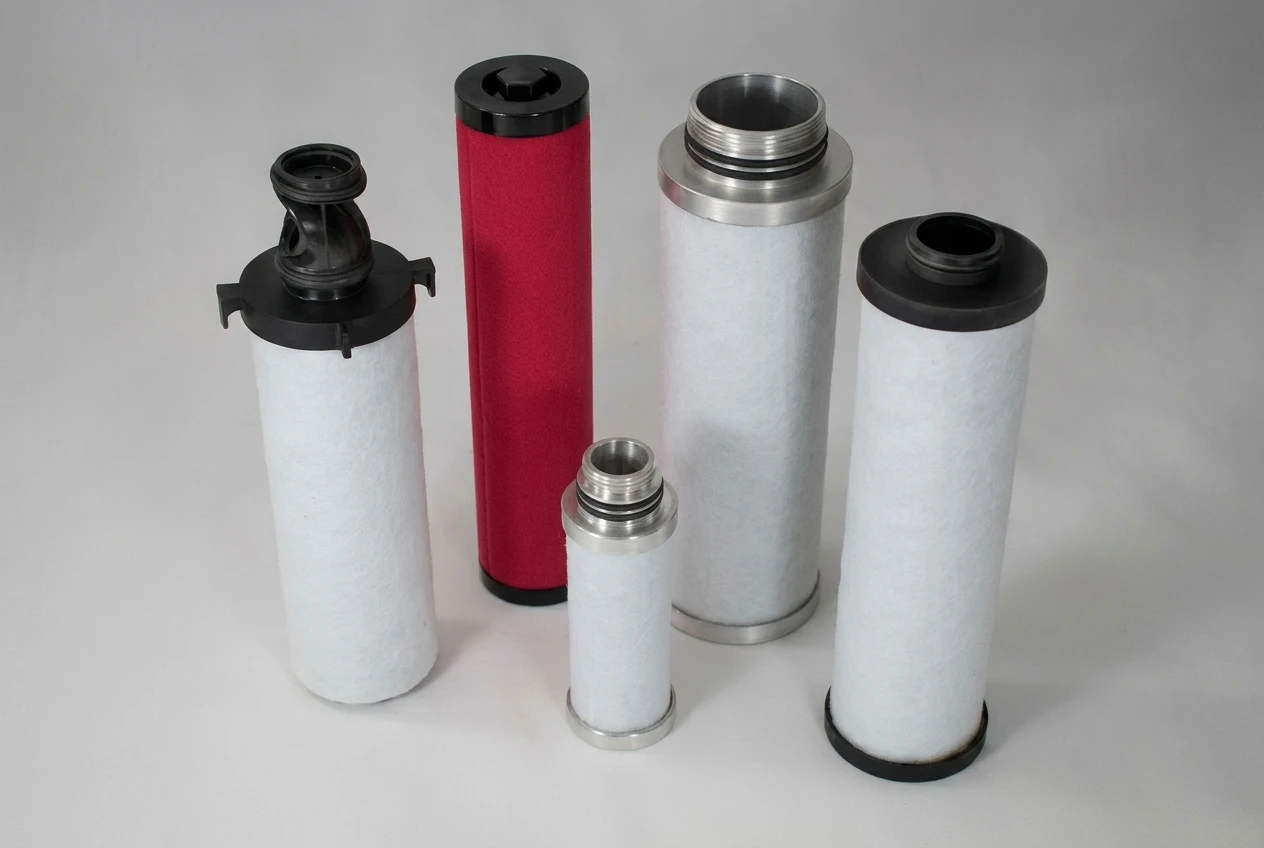
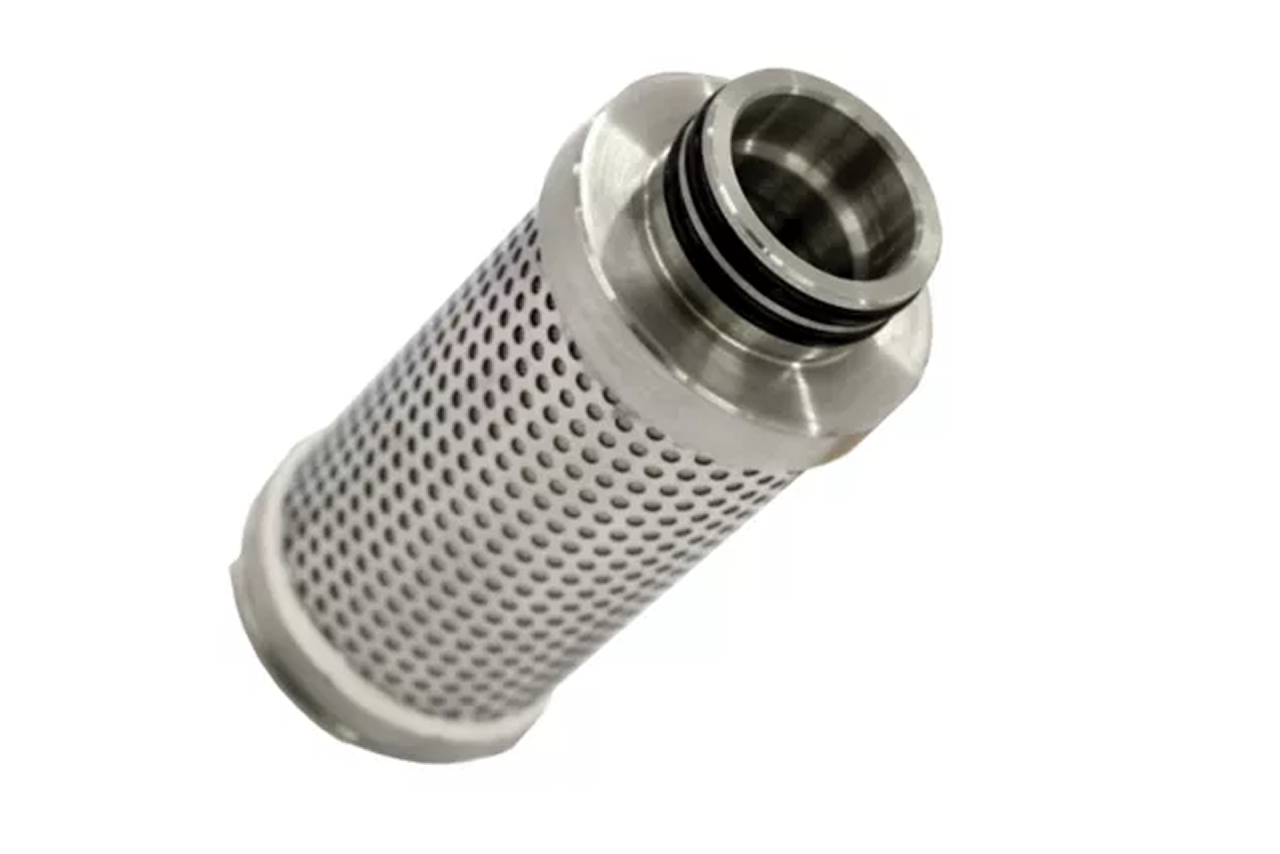
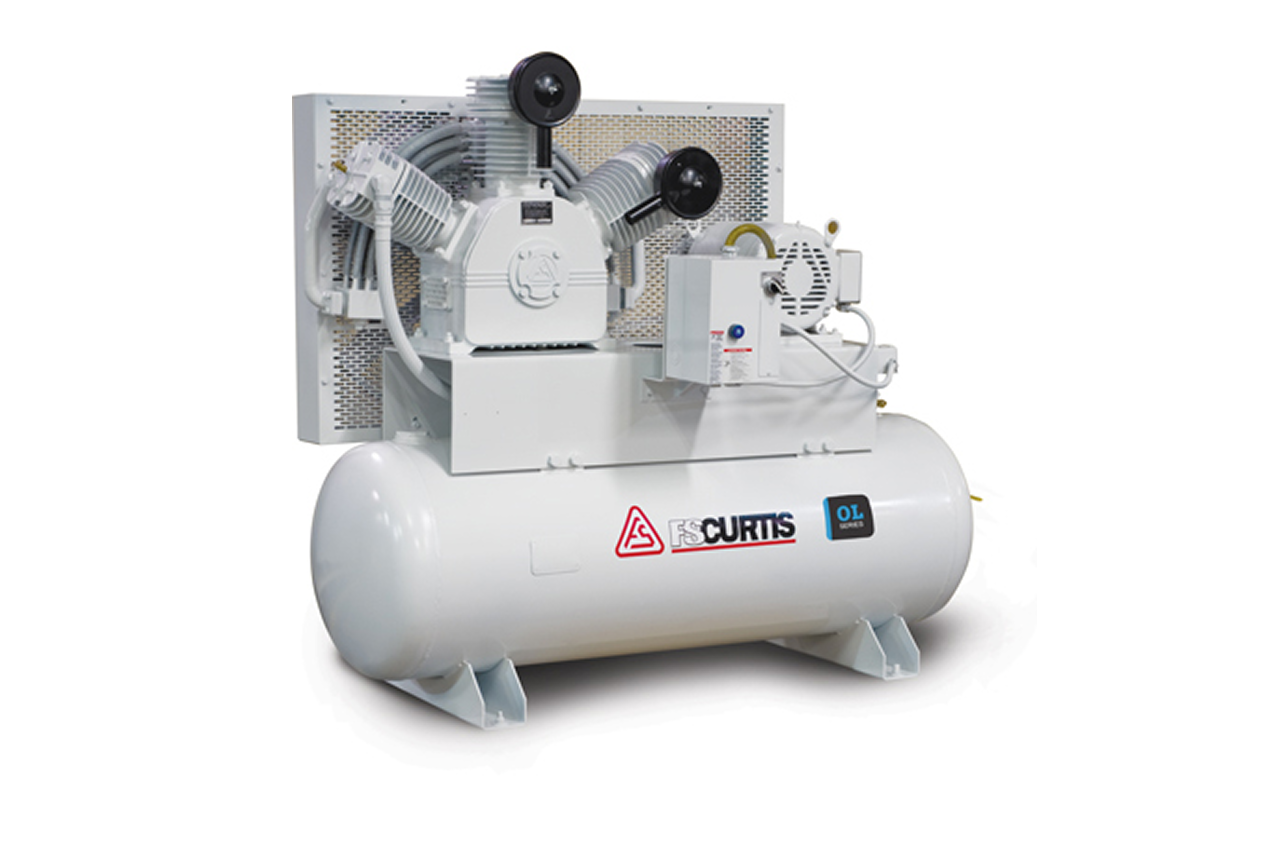
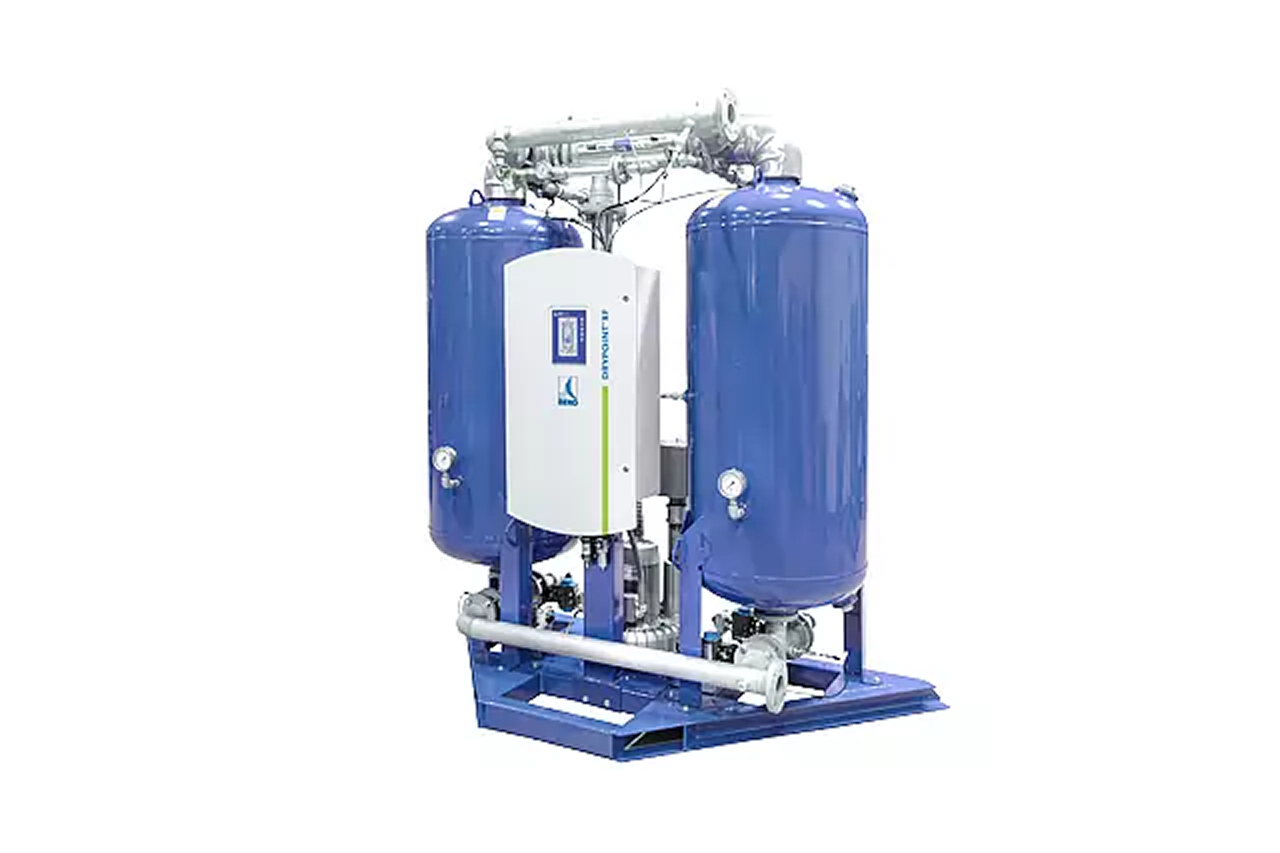
Audit-service consultancies running portable kits across customer sites quote the three sensors + logger + transit case + calibration program as one bundle. Multi-point fixed installs (3+ points of use) stagger calibration cycles so only one point is being serviced at a time.
Send us the application — a specialist routes you to the correct tier with a configured part. Lead-times and pricing returned within one business day.
—. We reply within one business day with pricing, lead-time, and configured parts.