DISTRIBUTOR-FIRST SUPPLY PARTNER · SINCE 1999 Live · Compressed Air System

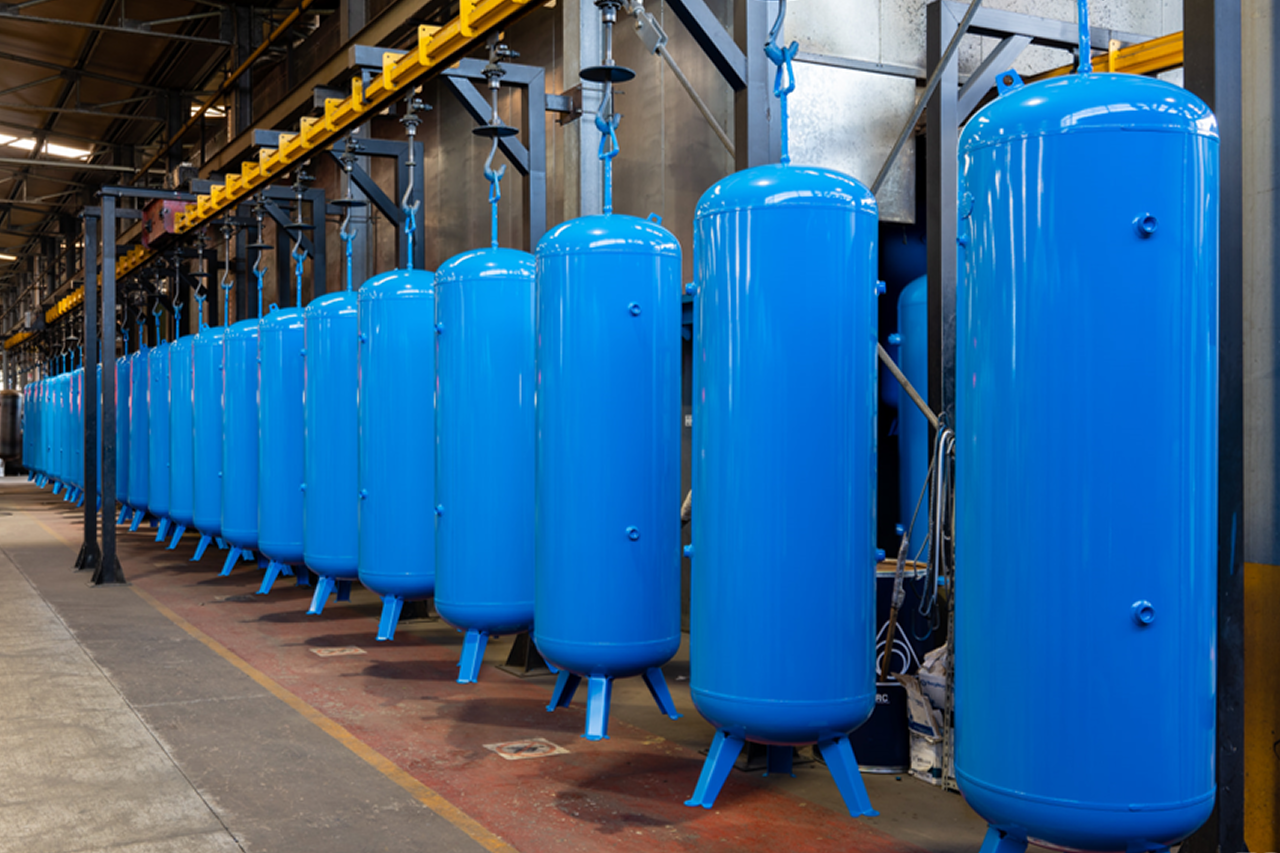
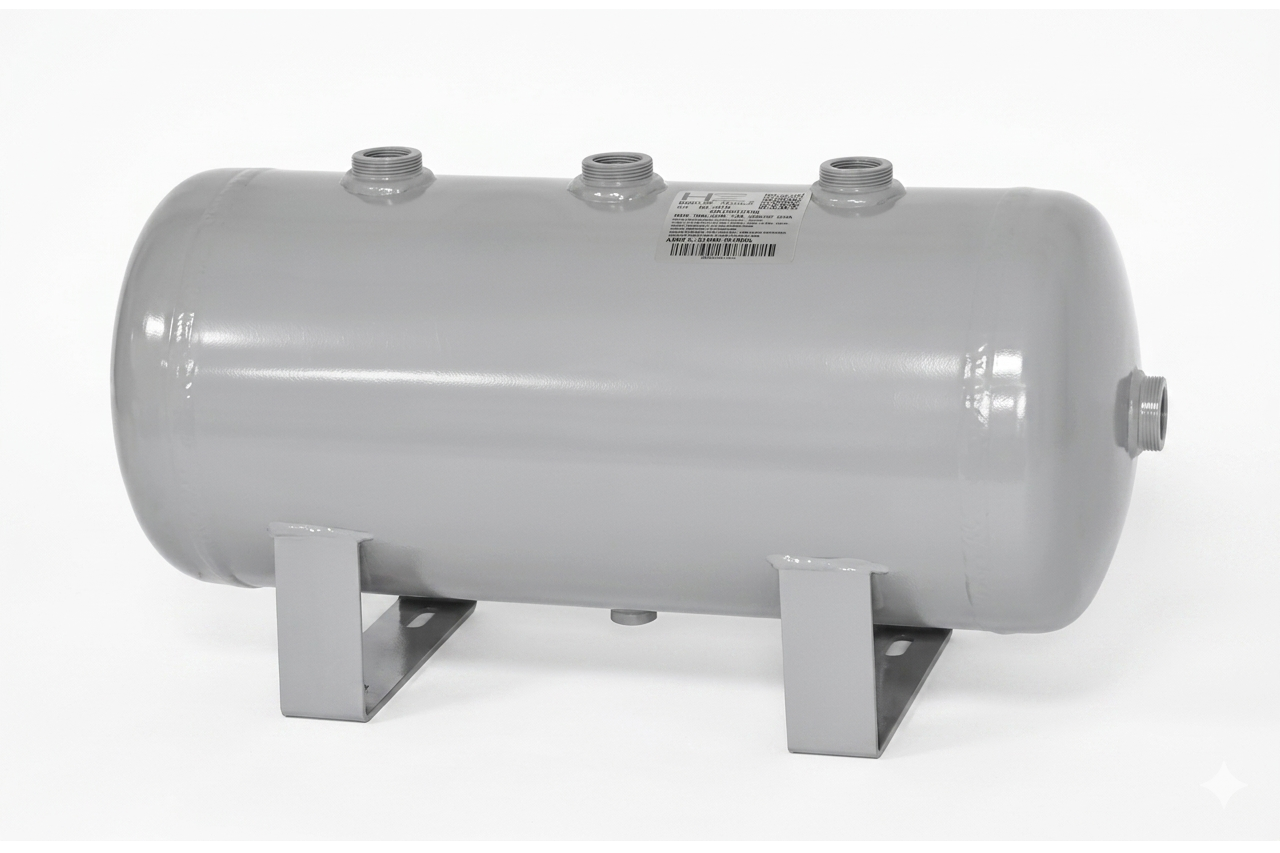
A specialty or custom pressure vessel is an engineered, build-to-spec ASME (American Society of Mechanical Engineers) tank for storage applications the standard catalog cannot cover. It is the engineered tier of the storage layer: when a standard vertical or horizontal receiver does not fit, a vessel is designed, fabricated, inspected, and stamped to the specific requirement instead of pulled from a catalog. Four situations call for it — non-standard geometry, high-pressure ratings above 200 PSI (moving the design from ASME Section VIII Division 1 into Division 2 territory), specialty internal configuration like multi-chamber vessels, or very large volume beyond catalog. Project-based lead times; audit-regulated work (aerospace, defense, FDA) may require the full U-1A Manufacturer's Data Report package.
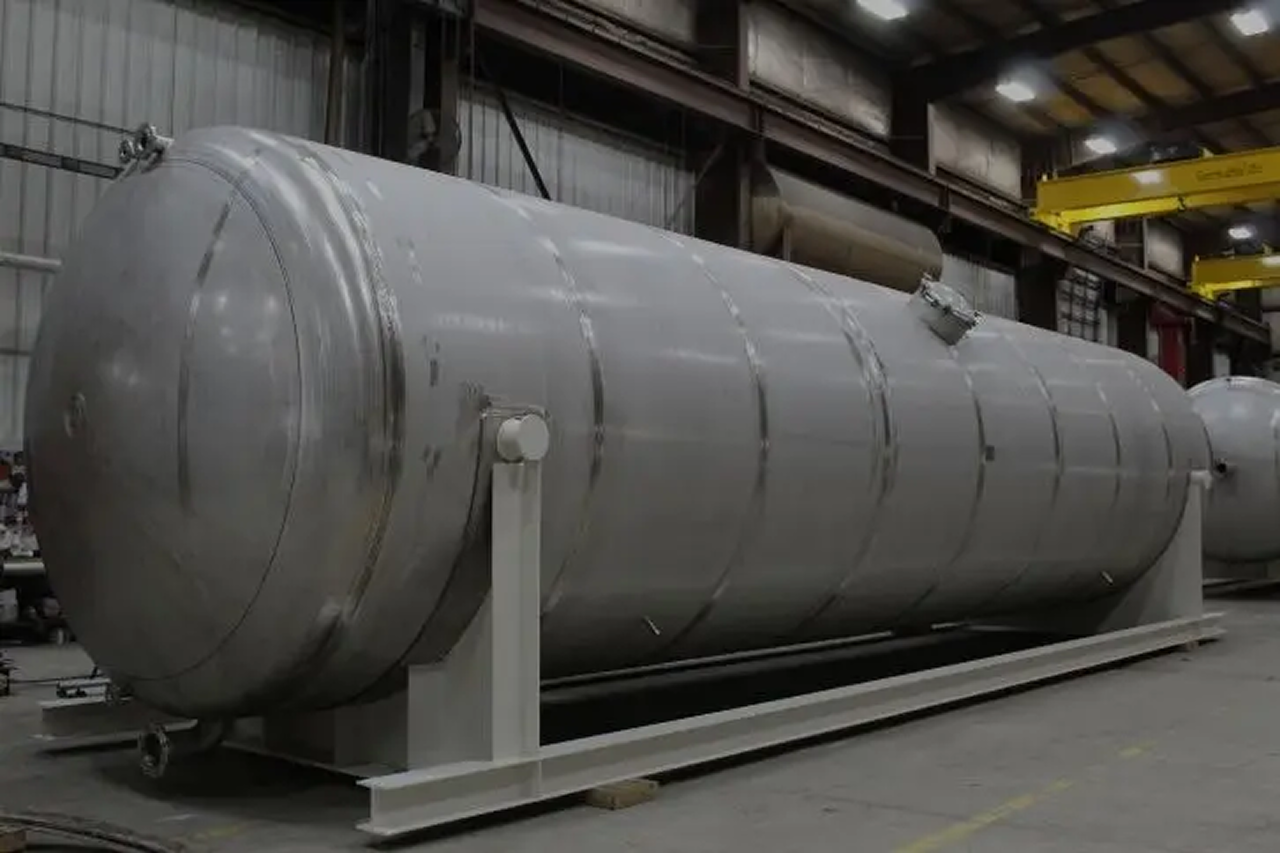
When the catalog stops and engineered fabrication starts. Scroll the strip →
Dimensions, MAWP, material, port schedule, and internals all engineered to the application — not bent to fit a catalog. Standard vertical and horizontal catalog stops at 1,550 gallons and 200 PSI; specialty covers everything above.
Above 200 PSIG (especially above 300) the design moves from ASME Section VIII Div 1 to Div 2 — higher allowable stress, thinner walls for the same pressure, tighter inspection. The only legal path to 600-3,000+ PSIG storage.
Audit-regulated end-uses get the full Manufacturer's Data Report — CMTRs (Certified Material Test Reports), weld procedure qualifications, inspector logs, radiography reports. The documentation package aerospace, defense, FDA, and nuclear customers require.
Get operating + design pressure, temperature, material, geometry, port schedule, code section (Div 1 or 2), and documentation scope on the spec sheet before fabrication. Surprise documentation added mid-build adds 2-4 weeks and 5-15% to project cost.
Standard compressed-air storage up to 1,550 gallons at 165-200 PSI doesn't need engineered fabrication — faster lead time, lower cost, no engineering review cycle. → Re-spec to vertical-receiver-tank (or horizontal where headroom is the constraint).
Div 1 specialty runs 8-16 weeks; Div 2 runs 12-24 weeks; large or exotic vessels run 6-9 months. Surprise delays hold up entire facility builds. → Re-spec to a catalog tank with field workarounds if the schedule won't bend.
Above 15 PSIG in commercial service, ASME stamping and National Board registration are mandatory — non-stamped vessels are illegal and uninsurable. The price delta doesn't compete with the liability. → Re-spec to a U-stamped catalog or specialty vessel, no exceptions.
From the machine spec sheet → to the part number. Answer what you know — leave the rest blank — and send.
Most distributors sell one brand per product type. SPC's 60-brand portfolio means every Product Type page surfaces three real options matched to how your customer is buying today. Pick the tier; the quote desk handles the cross-reference.
Specialty vessels are project sales, not transactional sales. Get the spec sheet first. Don't quote until you know the size, the pressure, the material, the geometry, and the documentation requirement — guessing any one of those throws the quote out by a factor of two.
Each industry below uses this product across the listed areas. Open an industry to see how it fits the rest of its system.
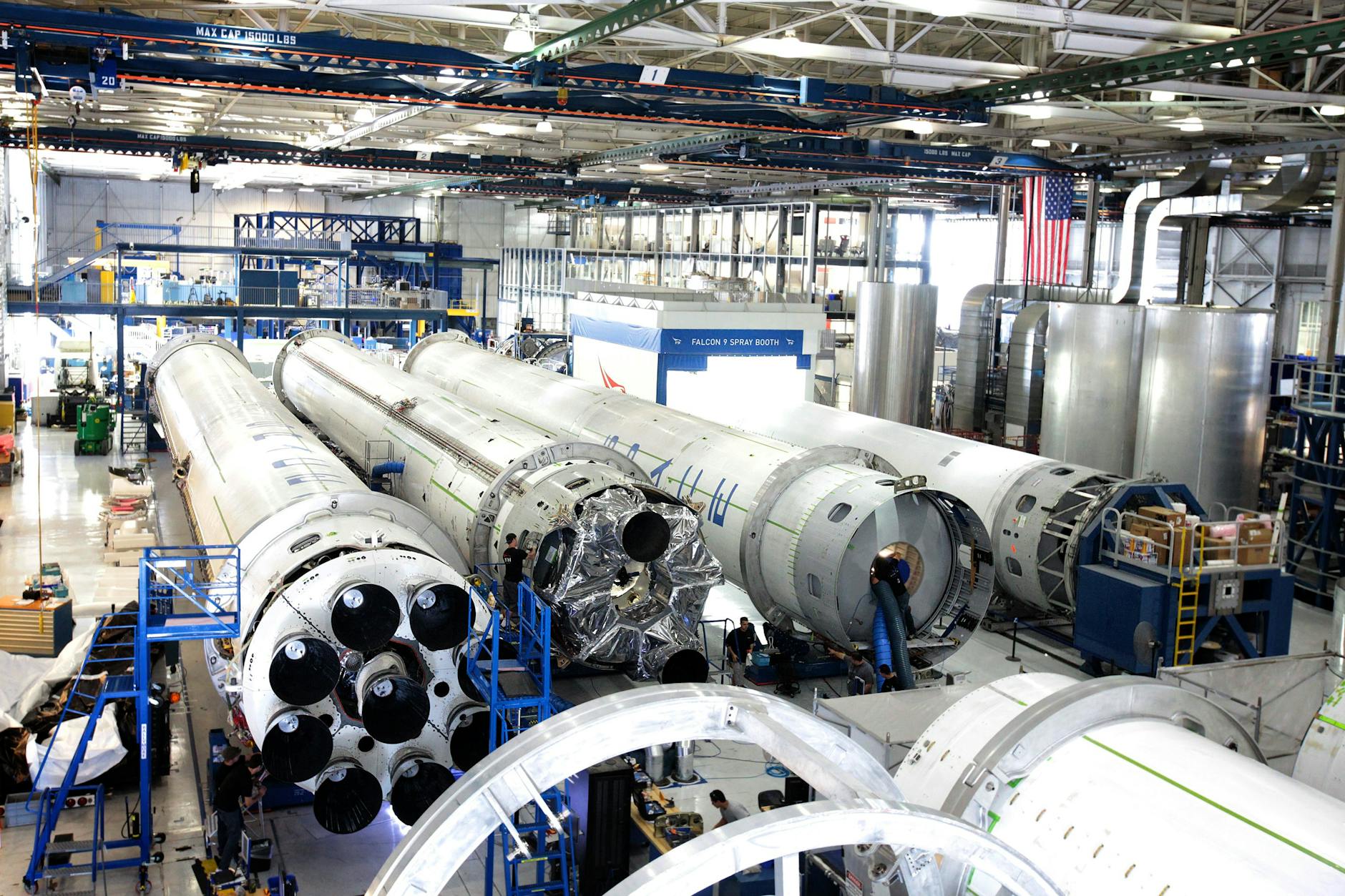 Aerospace & Aviation →
  Pharmaceutical, Medical Device & Laboratory →
  Chemical & Petrochemical →
 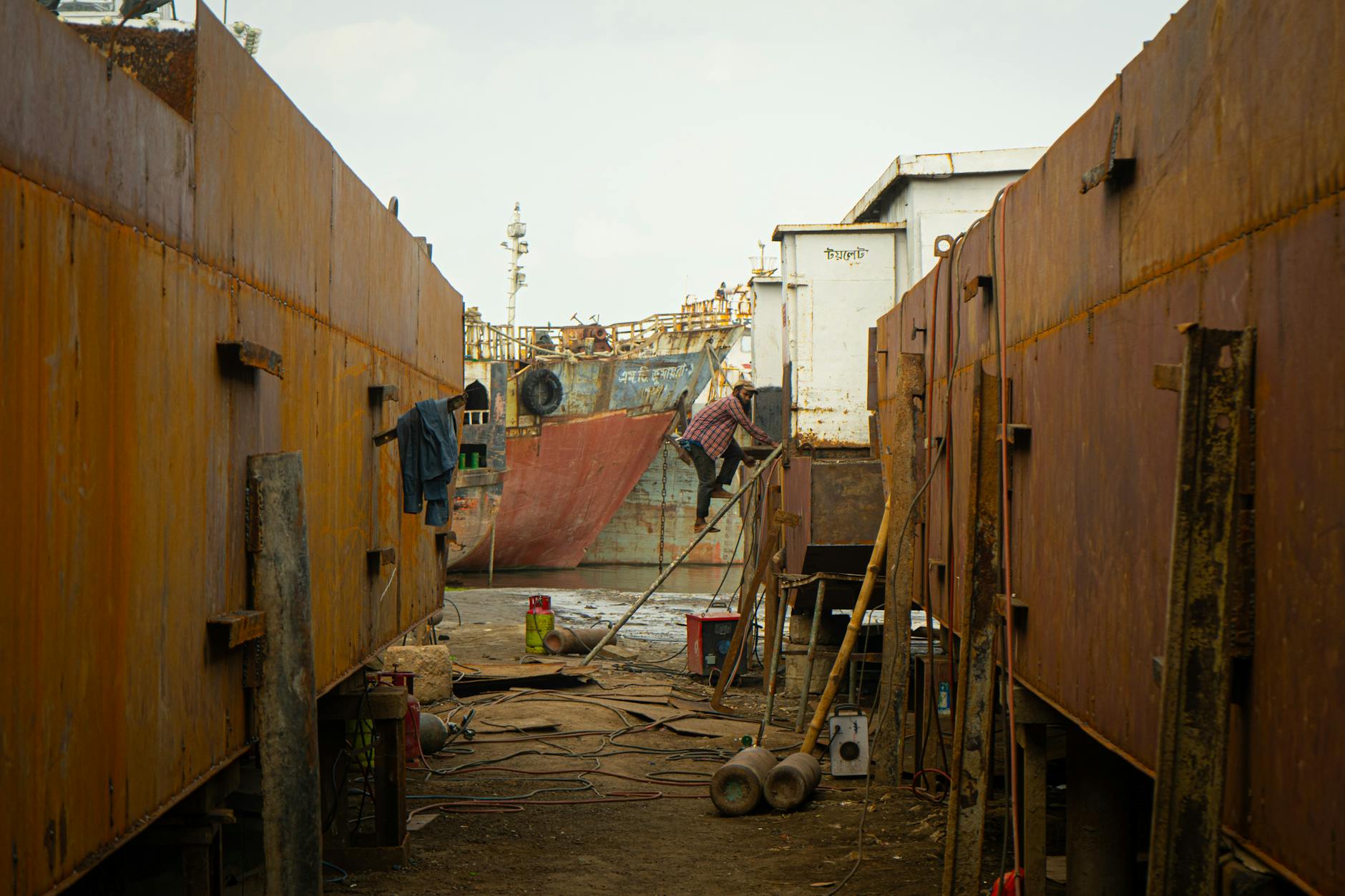 Marine & Shipbuilding →
 Also applies to High-pressure nitrogen and process-gas storage systems · Large-volume air storage for energy systems · Field-erected or shipped in sections with field welds · R&D and engineering test stands · Often the only practical path to keeping a legacy plant in code-compliant operation.
Every entry is a real product on this site — linked, not just named. Quote them on the same line item.
On engineered project work, lock the U-1A Manufacturer's Data Report scope into the spec sheet at engineering review — not at delivery. Surprise documentation requirements added mid-fabrication add 2-4 weeks and 5-15% to the project cost, and risk pushing the entire facility-build schedule.
Send us the application — a specialist routes you to the correct tier with a configured part. Lead-times and pricing returned within one business day.
—. We reply within one business day with pricing, lead-time, and configured parts.