DISTRIBUTOR-FIRST SUPPLY PARTNER · SINCE 1999 Live · Pneumatic Automation System

A proportional pressure regulator gives closed-loop electronic control of pneumatic pressure. A conventional mechanical regulator is set by hand to one fixed pressure. A proportional regulator takes an analog command signal (4-20 mA or 0-10 V) or a digital fieldbus value from the PLC and continuously adjusts the output to hold whatever pressure the command calls for, correcting against an internal pressure-feedback reading. The setpoint can change on the fly, under program control, as fast as the controller sends a new command. Internally it pairs a small pilot valve set, a pressure sensor, and control electronics in one body: the electronics compare the command to the measured output and drive the pilot to close the gap. The reason to specify one is variable pressure under automation — recipe changes, web tension that tracks line speed, force control as part of a press cycle, or test-stand ramps and dwells.
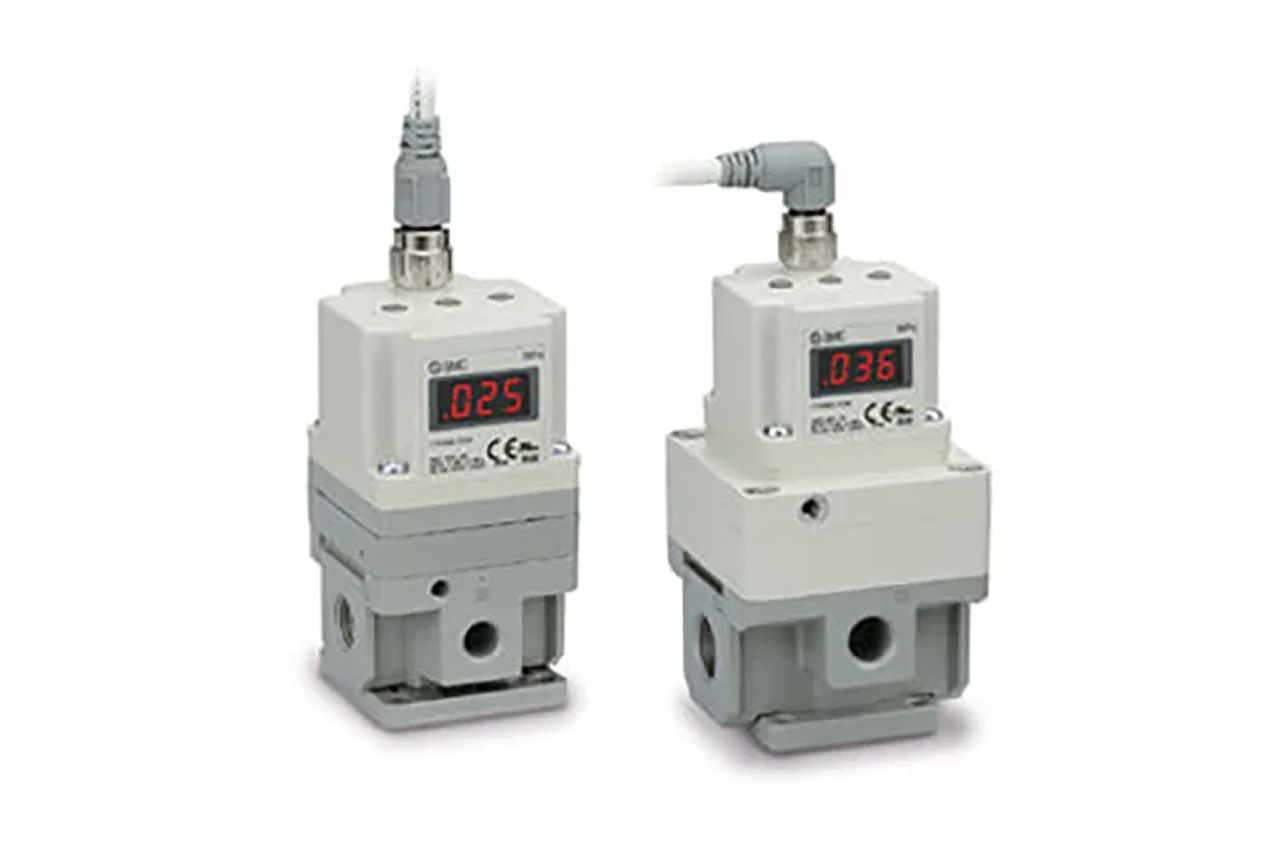
Tips and pointers on when a proportional R is the right call — and when a $50 mechanical R does the job. Scroll the strip →
Takes a 4-20 mA or 0-10 V analog (or fieldbus) command from the PLC and holds output to match — continuously, on the fly. Recipe changes, web tension, force profiles all driven from the same controller that runs the rest of the machine.
Internal pressure sensor compares command to actual output and drives the pilot to close the gap — typical ±0.5% of full scale linearity and repeatability. A mechanical R drifts with downstream conditions; the proportional R holds.
Leak test, burst test, fatigue cycle — the proportional R IS the pressure-profile actuator. Ramp-and-hold, step changes, dwell sequences all called from the test program rather than a hand-set regulator.
Most common selection error. 4-20 mA for noisy industrial environments; 0-10 V for shorter runs; fieldbus (Ethernet/IP, Profinet, IO-Link) on networked architectures. Supply pressure must run 15–20 PSI above max setpoint, with 0.01-micron coalescing filtration upstream.
If pressure is set once at startup and held, the proportional R is 5–10× the hardware cost plus power, signal wiring, and complexity — buying nothing. → Re-spec to a standalone mechanical regulator at a fraction of the cost.
Simple "pressure on / pressure off" isn't a regulation problem — a solenoid valve does it cheaper and with no closed-loop overhead. → Switch to a directional solenoid valve; reserve the proportional R for continuous setpoint variation.
Pilot valve seats are precision components — inlet contamination is the #1 failure mode and the regulator dies inside a year on dirty or wet air. → Add a coalescing 0.01-micron filter at the same line item, not as an afterthought.
From the machine spec sheet → to the part number. Answer what you know — leave the rest blank — and send.
Most distributors sell one brand per product type. SPC's 60-brand portfolio means every Product Type page surfaces three real options matched to how your customer is buying today. Pick the tier; the quote desk handles the cross-reference.
The proportional regulator is sold to the controls engineer or integrator, not the maintenance buyer. The maintenance buyer wants a $50 hand-set regulator. The controls engineer wants a $500 proportional regulator because the application demands it. Knowing the difference at the first conversation is the sale.
Each industry below uses this product across the listed areas. Open an industry to see how it fits the rest of its system.
Also applies to Automated assembly and manufacturing machines · Web tension control on continuous processes · Pressing, clamping, and force-control operations · Pneumatic positioning systems (low-precision) · Vacuum process control · NOT typically used for
Every entry is a real product on this site — linked, not just named. Quote them on the same line item.
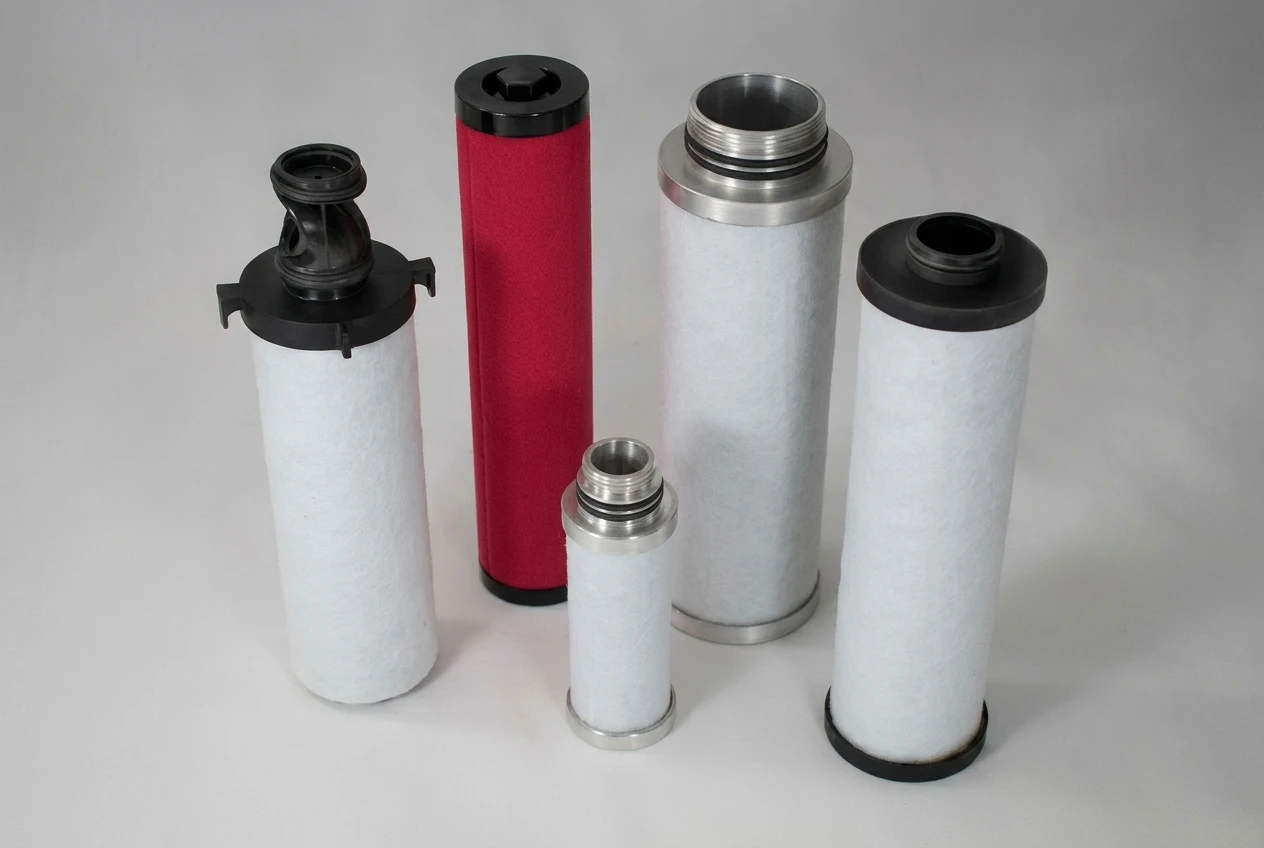
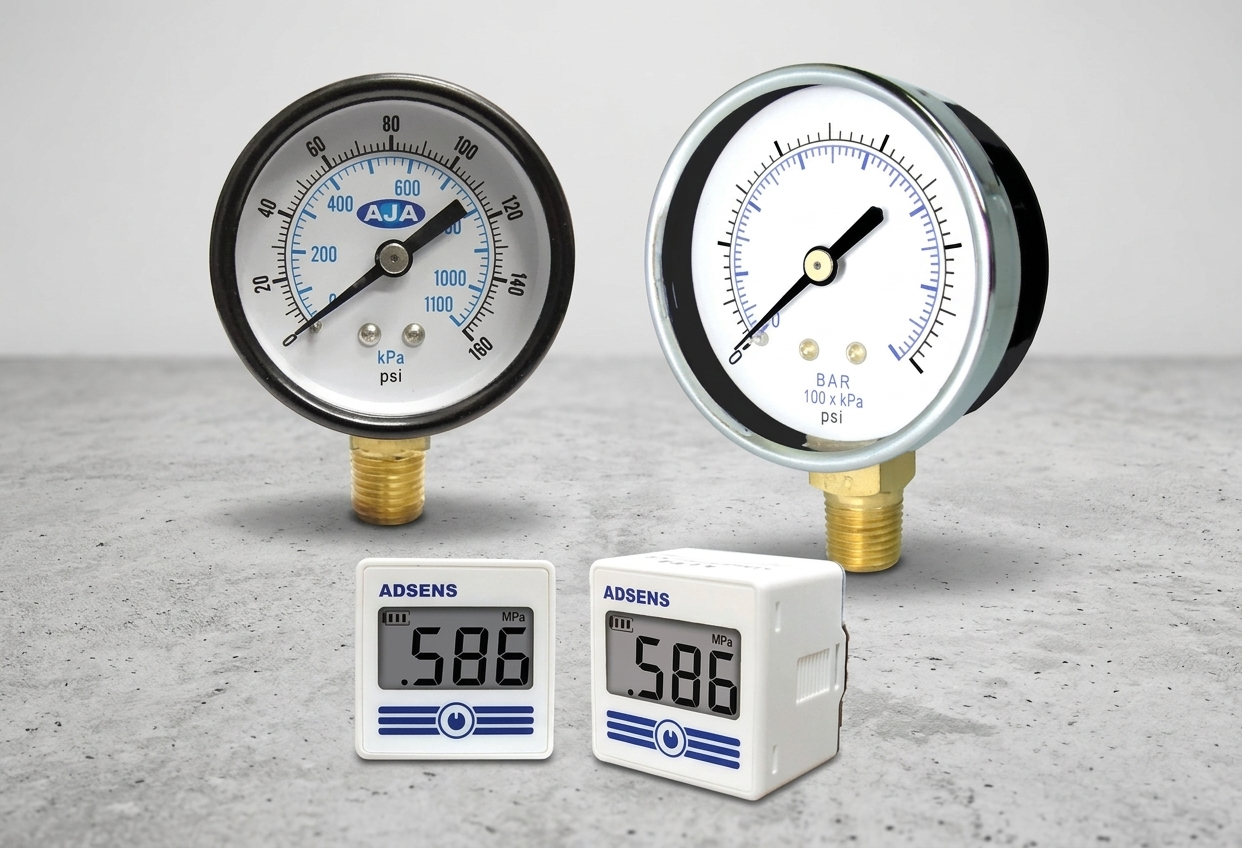
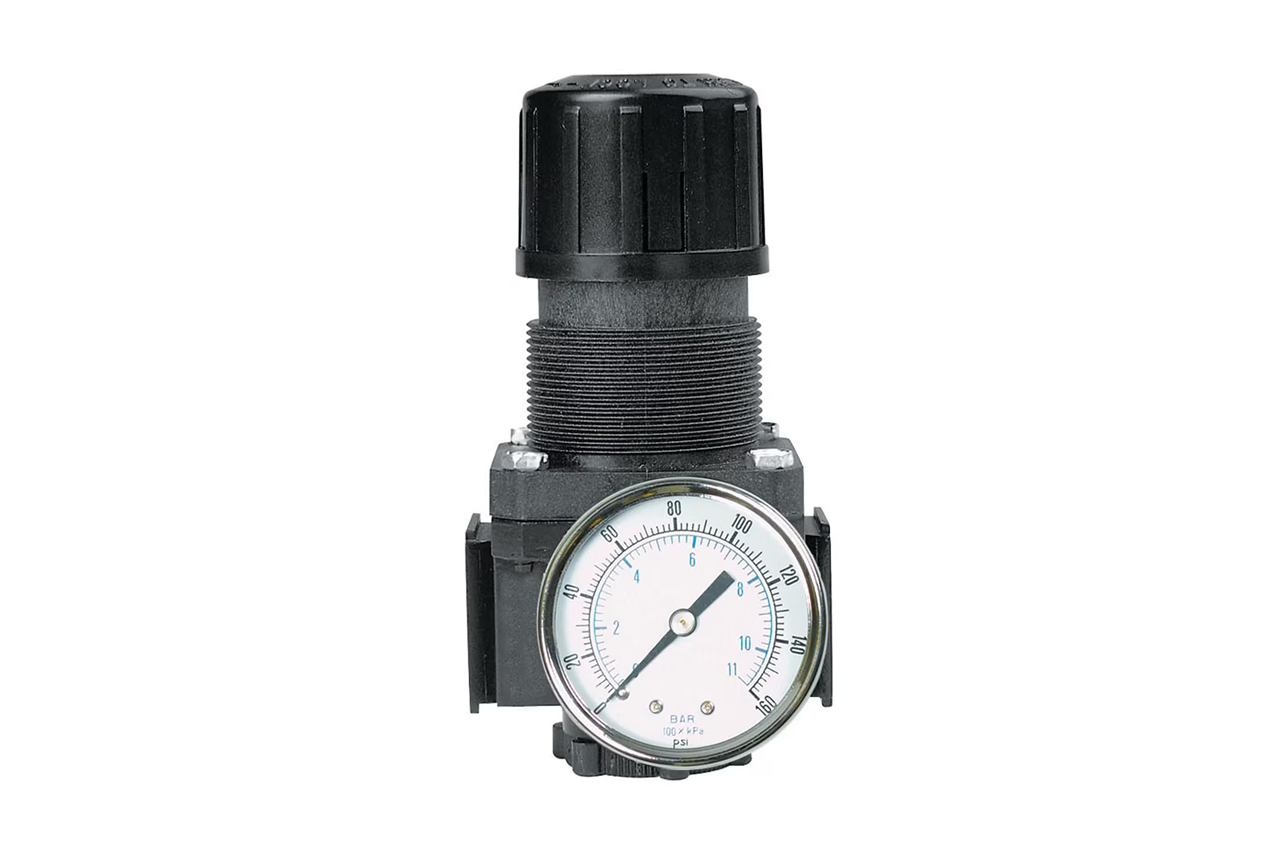
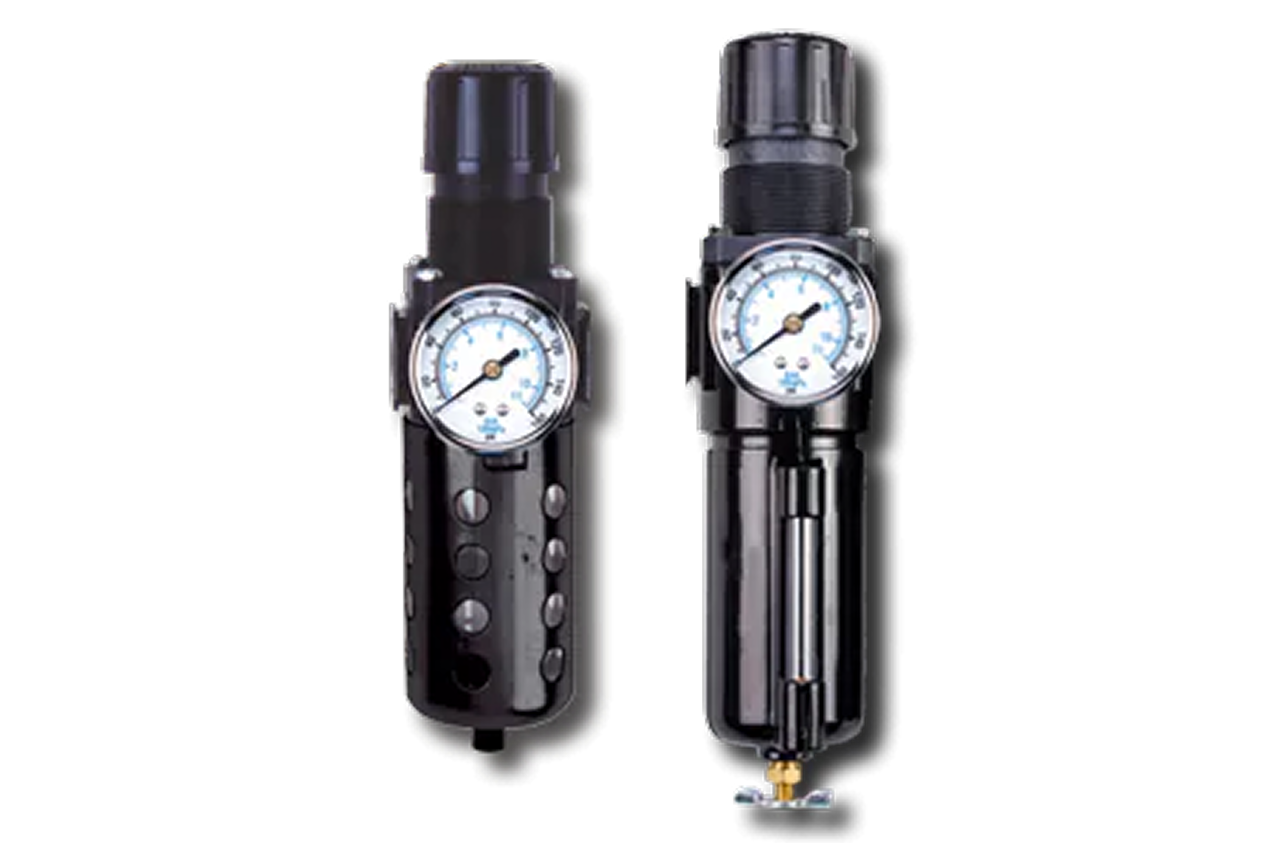
Proportional regulators are not bulk-stock items — they're application-engineered selections. Stock the upstream coalescing filter (the universal protective accessory) by the box instead, since every proportional regulator install needs one.
Send us the application — a specialist routes you to the correct tier with a configured part. Lead-times and pricing returned within one business day.
—. We reply within one business day with pricing, lead-time, and configured parts.