DISTRIBUTOR-FIRST SUPPLY PARTNER · SINCE 1999 Live · Pneumatic Automation System

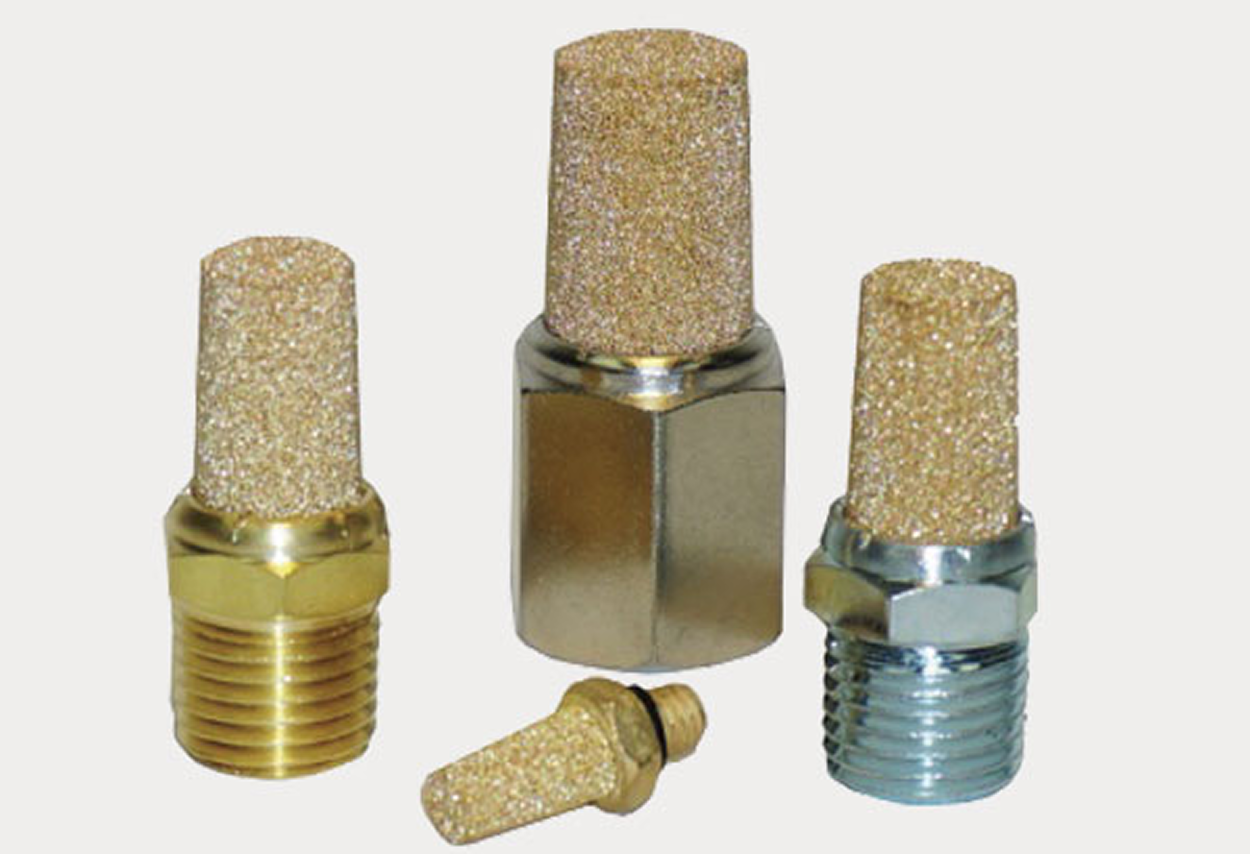
A sintered bronze muffler threads into a valve or cylinder exhaust port and quiets the sharp blast of air released each time the valve shifts. Its working element is a porous bronze body, made by compacting and heat-fusing bronze powder so the finished part is shot through with fine interconnected passages. Exhaust air takes the place of one loud jet and instead diffuses out across thousands of those tiny passages at low velocity, dropping the noise into the OSHA-acceptable range. The bronze element is also a coarse filter — it keeps shop debris from being drawn back into the exhaust port. Bronze is the durable workhorse of the muffler family and the default for general industrial duty: the metal element resists mechanical damage, handles heat, and tolerates the oil mist and dust of a typical plant, though it is exactly that dust and oil that eventually clogs it and drives replacement.
Tips and pointers on when sintered bronze is the right call — and when to spec something else. Scroll the strip →
An unmuffled 5/2 solenoid dump hits 90-100 dBA — above OSHA's 85 dBA action level. The porous bronze element diffuses one loud jet across thousands of fine passages and brings the line back under threshold.
Metal body handles 35-300°F, dropped tools, guarded contact, and the oil-mist-plus-dust of a typical atmosphere. The default that outlasts every other component on the valve.
The same porous network that diffuses exhaust also blocks shop debris, insects, and ambient particulate from being drawn back through the port during the brief vacuum phase after every dump.
40 micron is the right call when in doubt. Step to 10 micron for cleaner installs and reverse-flow filtration; step to 90 micron on high-Cv manifolds where standard grade creates measurable back-pressure.
Bronze corrodes in salt air, sanitizer spray, and chemical atmospheres — and sheds corrosion products back into the air stream. → Switch to plastic-body muffler any time the ambient is corrosive to metals.
Foundry, cement, grain, or heavy-lubricator duty loads the porous element in weeks, not months. Sluggish valves are the late symptom. → Shorten the PM cadence rather than fighting the source — bronze is cheap enough for monthly swaps on dirty manifolds.
EOAT, gantries, and high-speed pick-and-place pay a cycle-rate penalty for every gram of muffler mass. → Switch to plastic for cost and weight on moving manifolds where the duty is light and exhaust stays cool.
From the machine spec sheet → to the part number. Answer what you know — leave the rest blank — and send.
Most distributors sell one brand per product type. SPC's 60-brand portfolio means every Product Type page surfaces three real options matched to how your customer is buying today. Pick the tier; the quote desk handles the cross-reference.
Bronze is the default muffler — the workhorse for general industrial duty. Count the valves, quote the full set, then put it on the customer's annual PM list. That's where mufflers stop being a one-time line and start being a recurring reorder.
Each industry below uses this product across the listed areas. Open an industry to see how it fits the rest of its system.
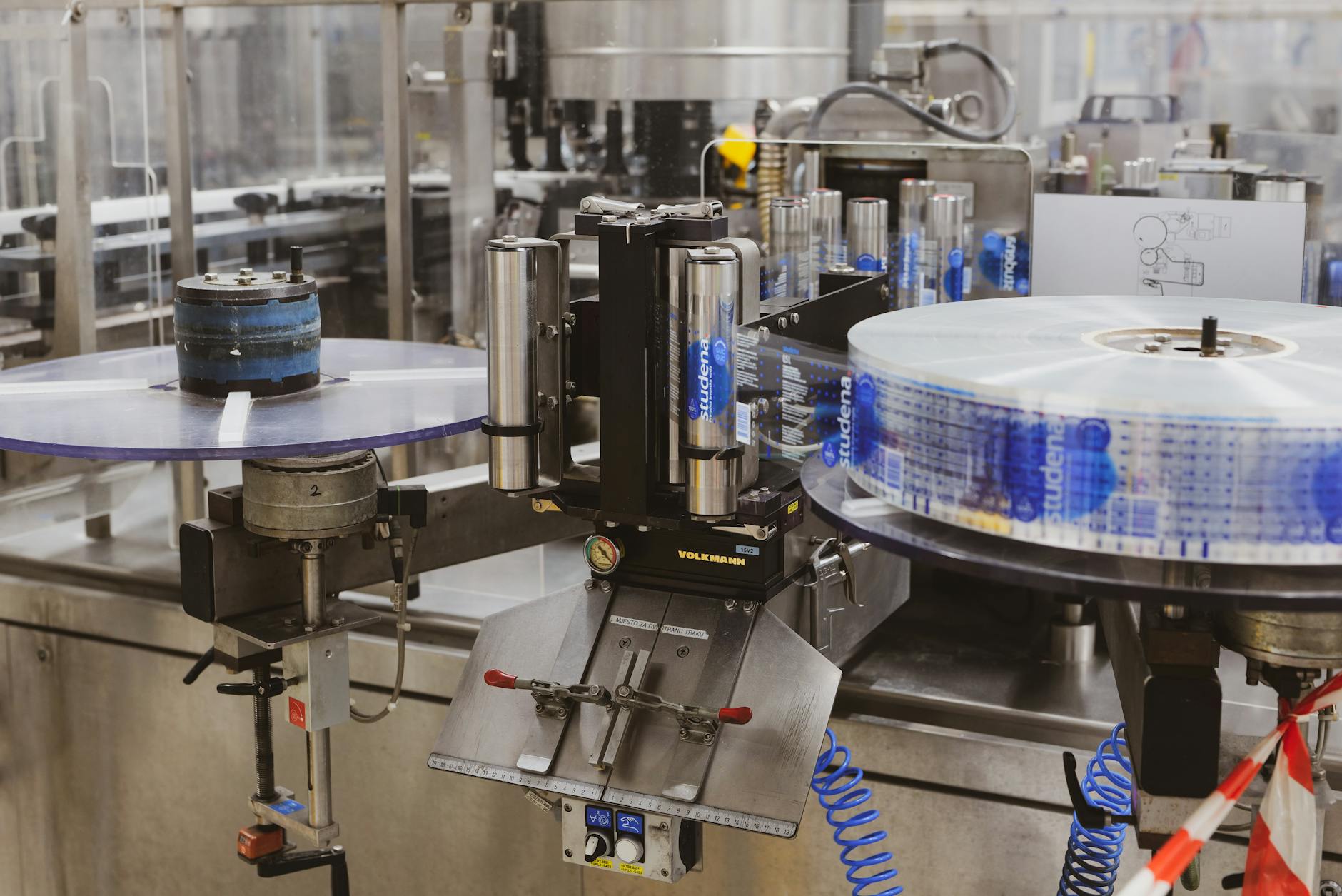 Packaging & Printing →
 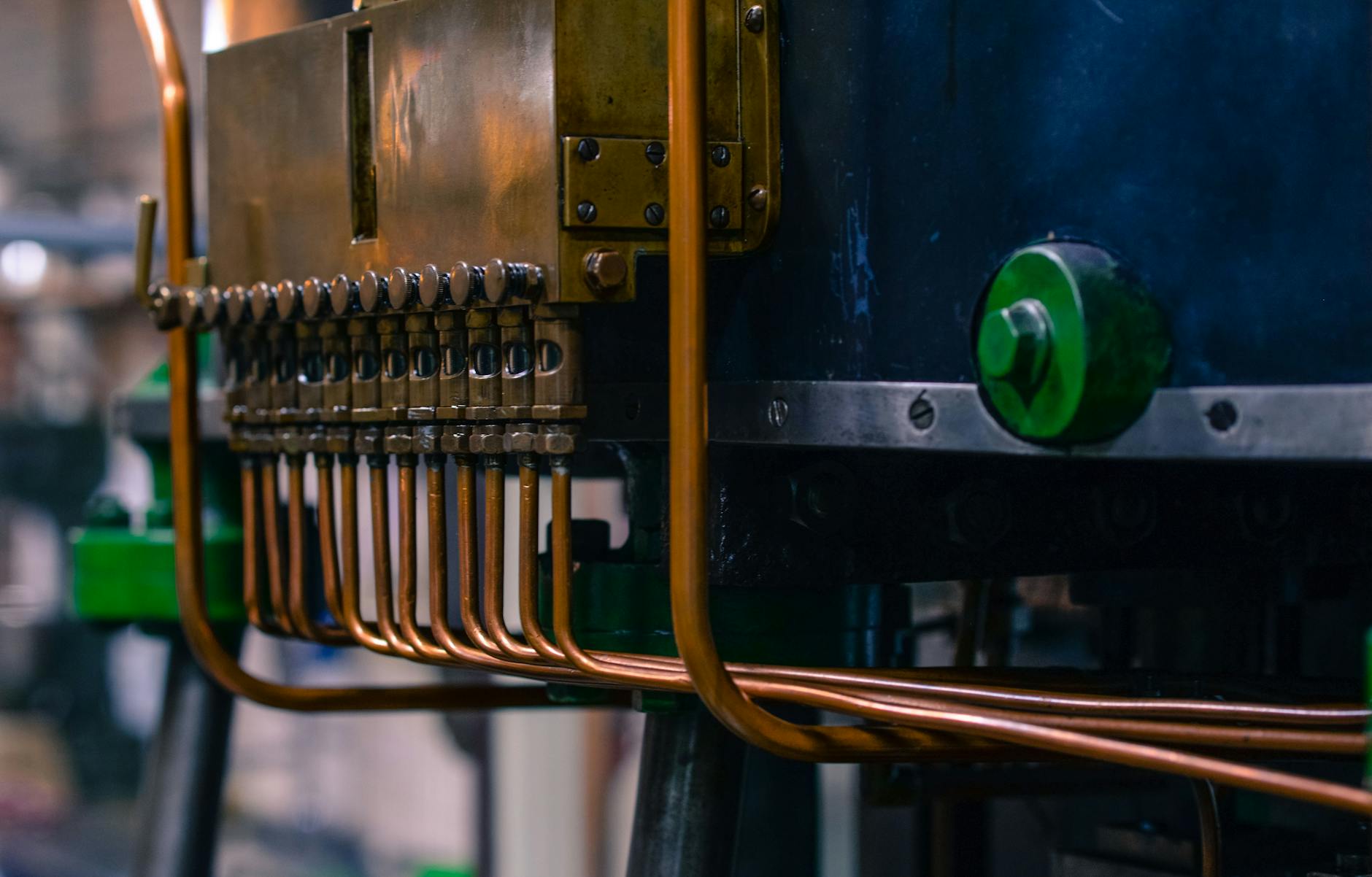 Metalworking & Fabrication →
  Mining & Heavy Equipment →
  Construction & Infrastructure →
 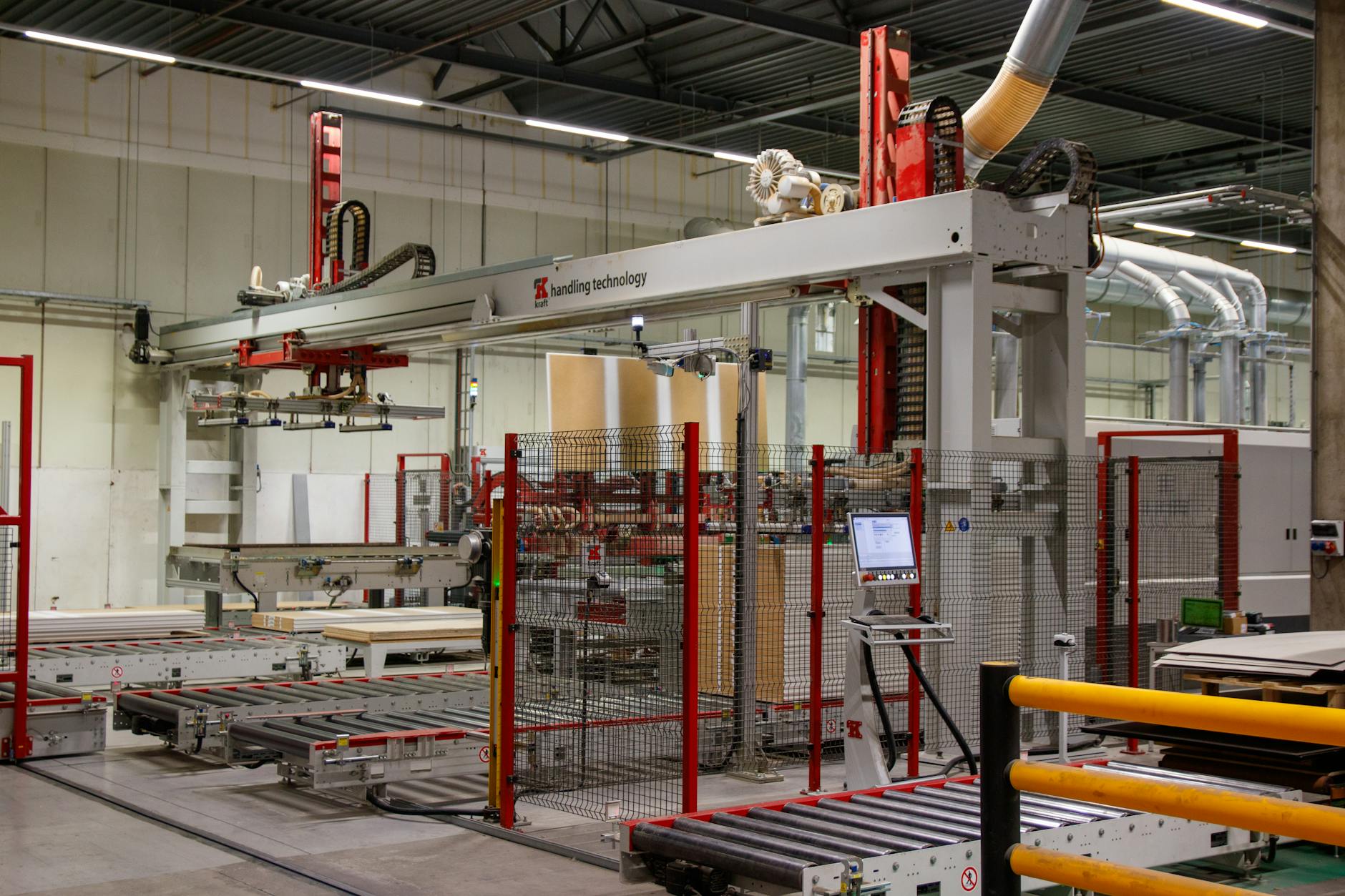 Material Handling & Conveyors →
  General Manufacturing →
 Also applies to 500-2,000 sintered-bronze mufflers · 6-month PM · Compressor enclosure venting · unload valve (vents the compressor head between load cycles) · Pneumatic test benches in service shops · Plant-air drain and blowdown vents
Every entry is a real product on this site — linked, not just named. Quote them on the same line item.
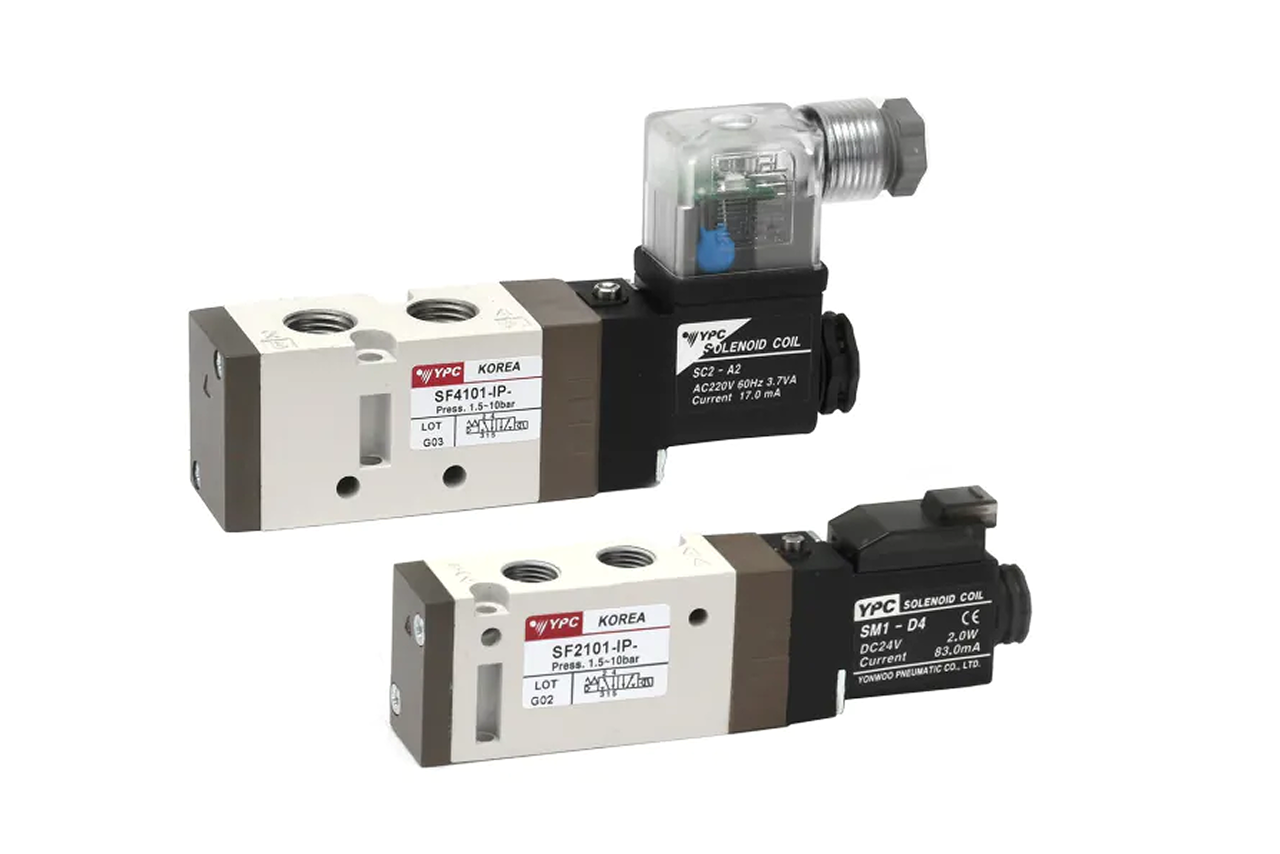
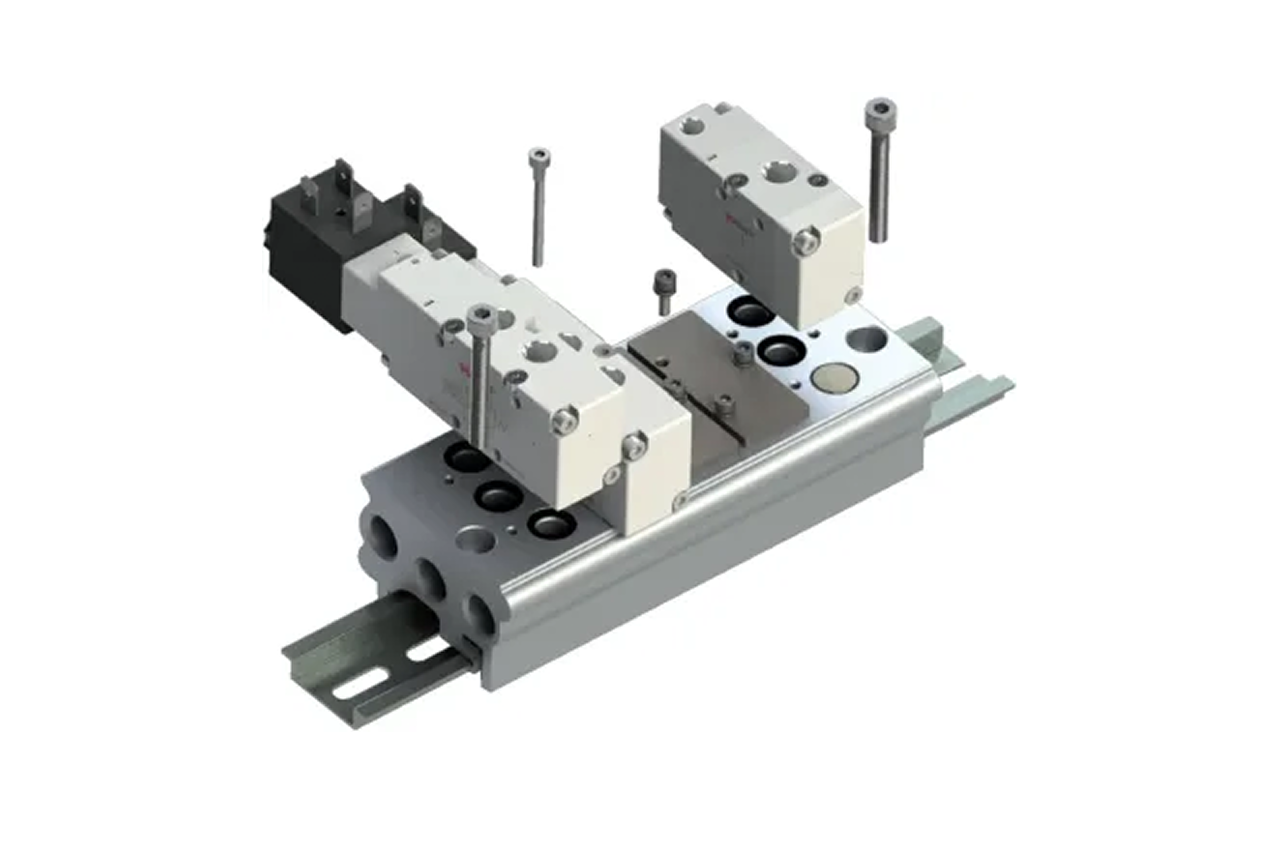
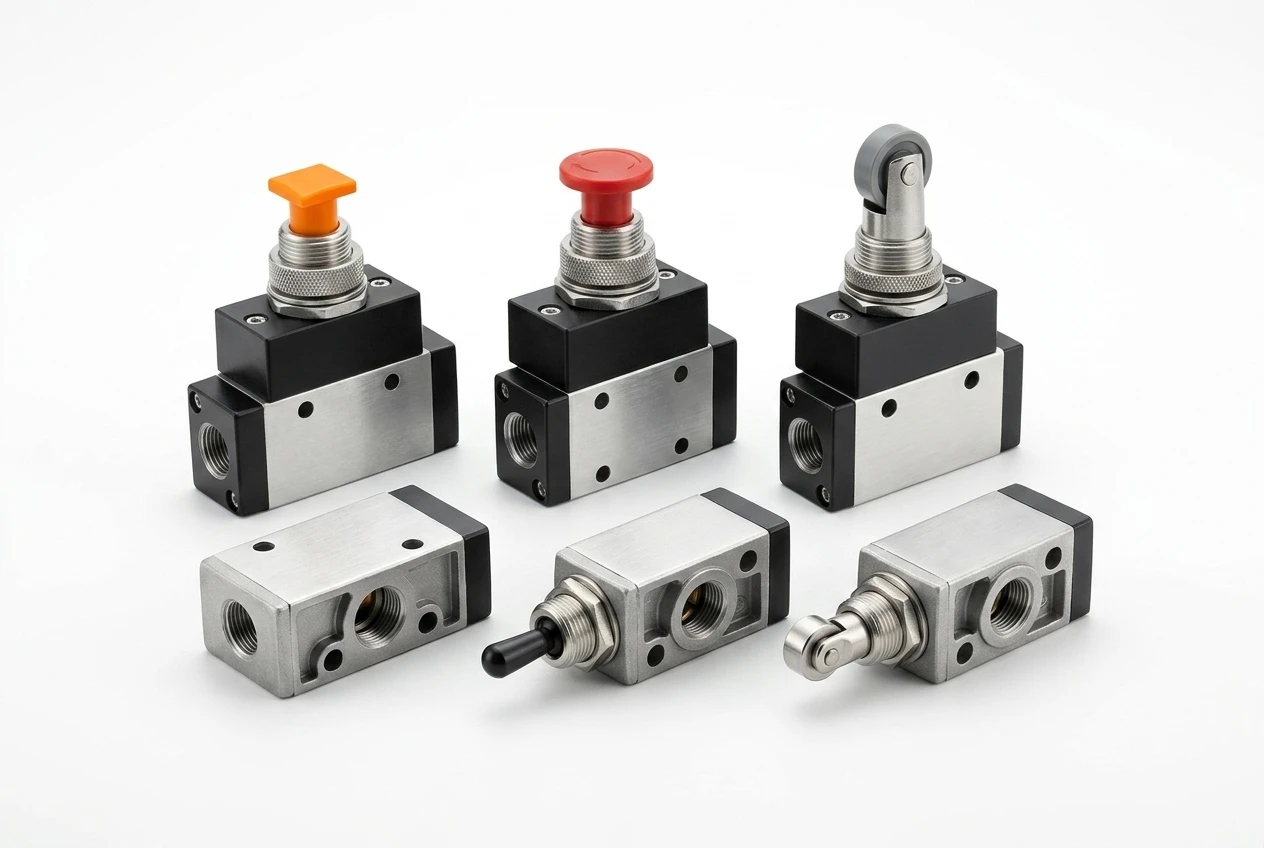
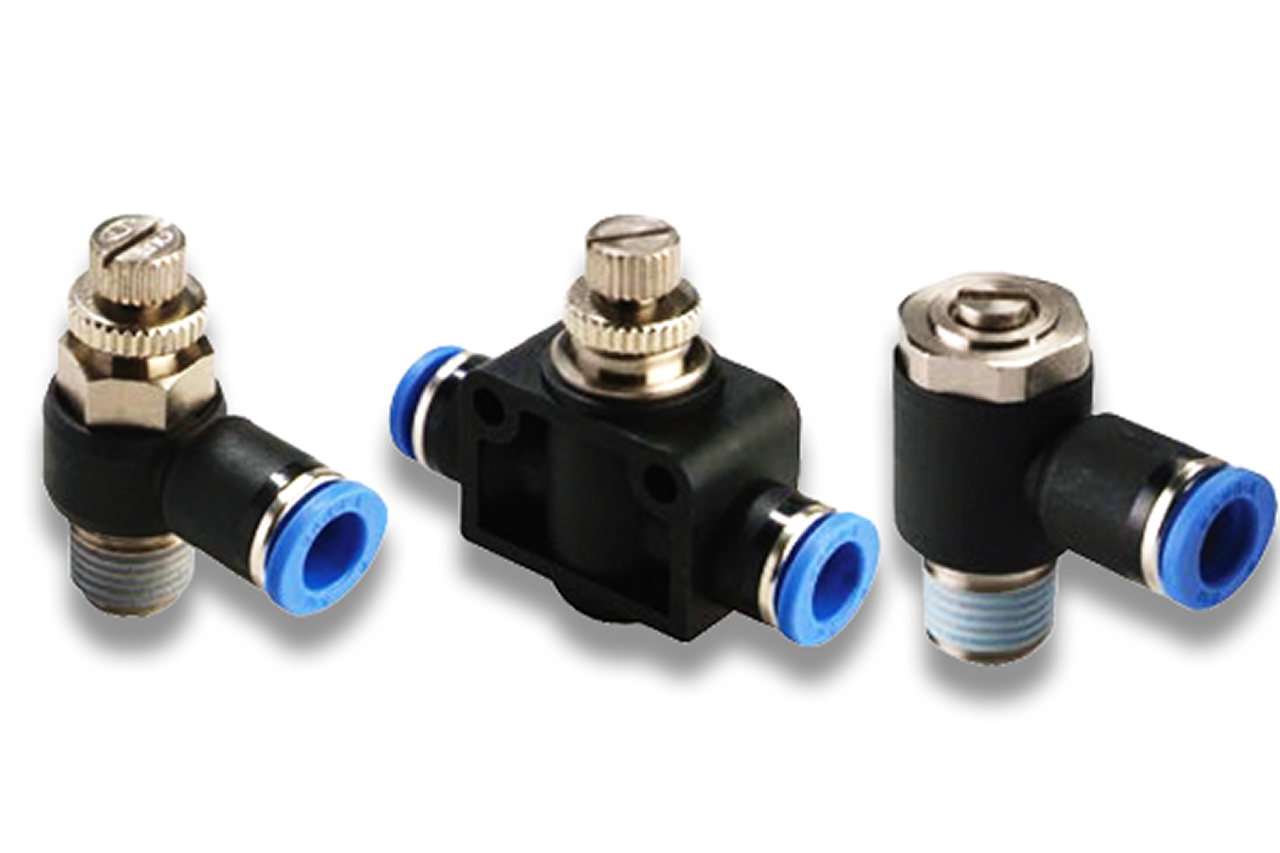
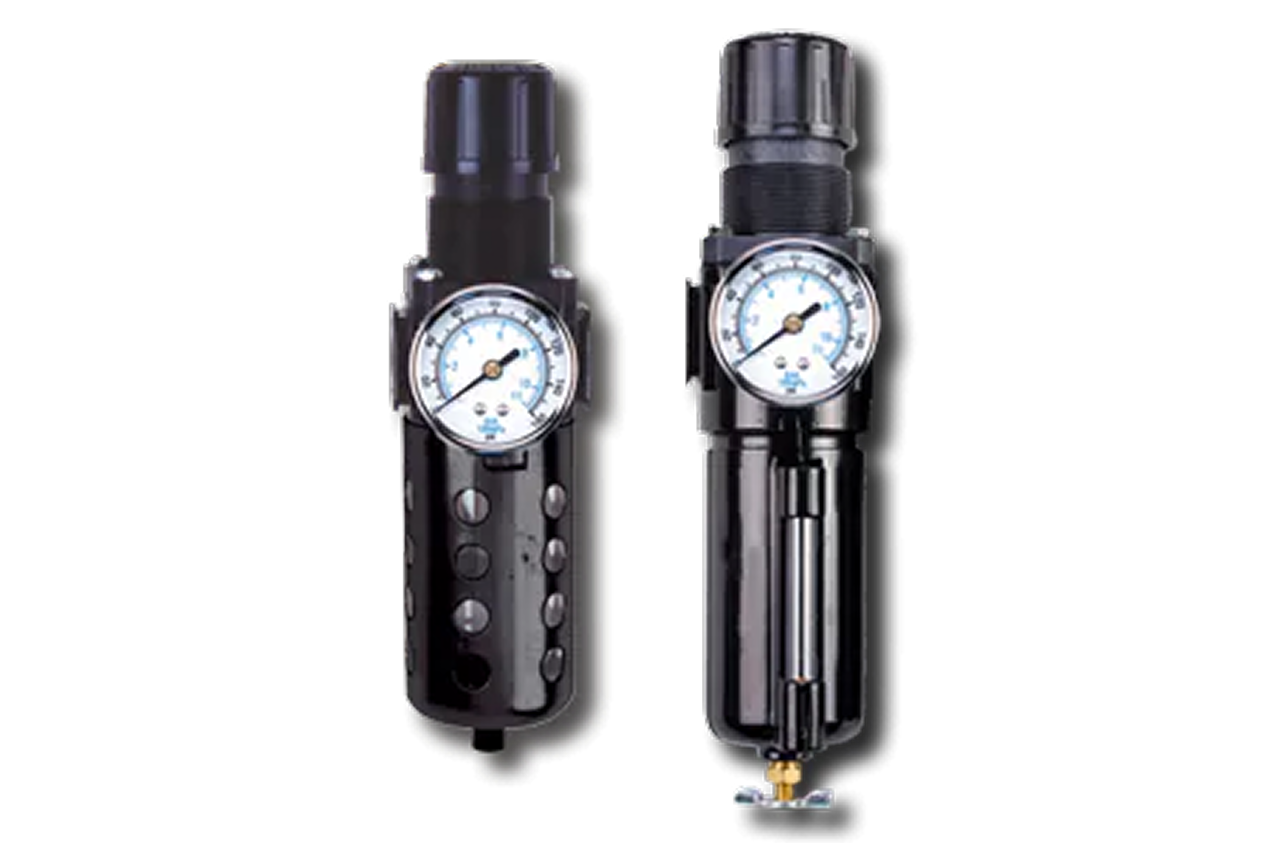

Stock sintered-bronze mufflers in pack-of-10, 25, or 50 cases of the customer's most common thread size on their MRO shelf. A 50-valve line carries 80-100 mufflers replaced every 6-12 months — that's 80-200 mufflers per machine per year. Drop a year's worth at install; PM becomes a 30-minute walk-the-machine swap rather than a parts-runner trip.
Send us the application — a specialist routes you to the correct tier with a configured part. Lead-times and pricing returned within one business day.
—. We reply within one business day with pricing, lead-time, and configured parts.