DISTRIBUTOR-FIRST SUPPLY PARTNER · SINCE 1999 Live · Pneumatic Automation System

SPC Company
Pneumatic Automation / Control & Valving / Directional Control Valves / Valve Replacement Parts
Layer 03 · Control & Valving Industry Leader · SMC Emerging · AIGNEP
01What it is

Valve Replacement Parts

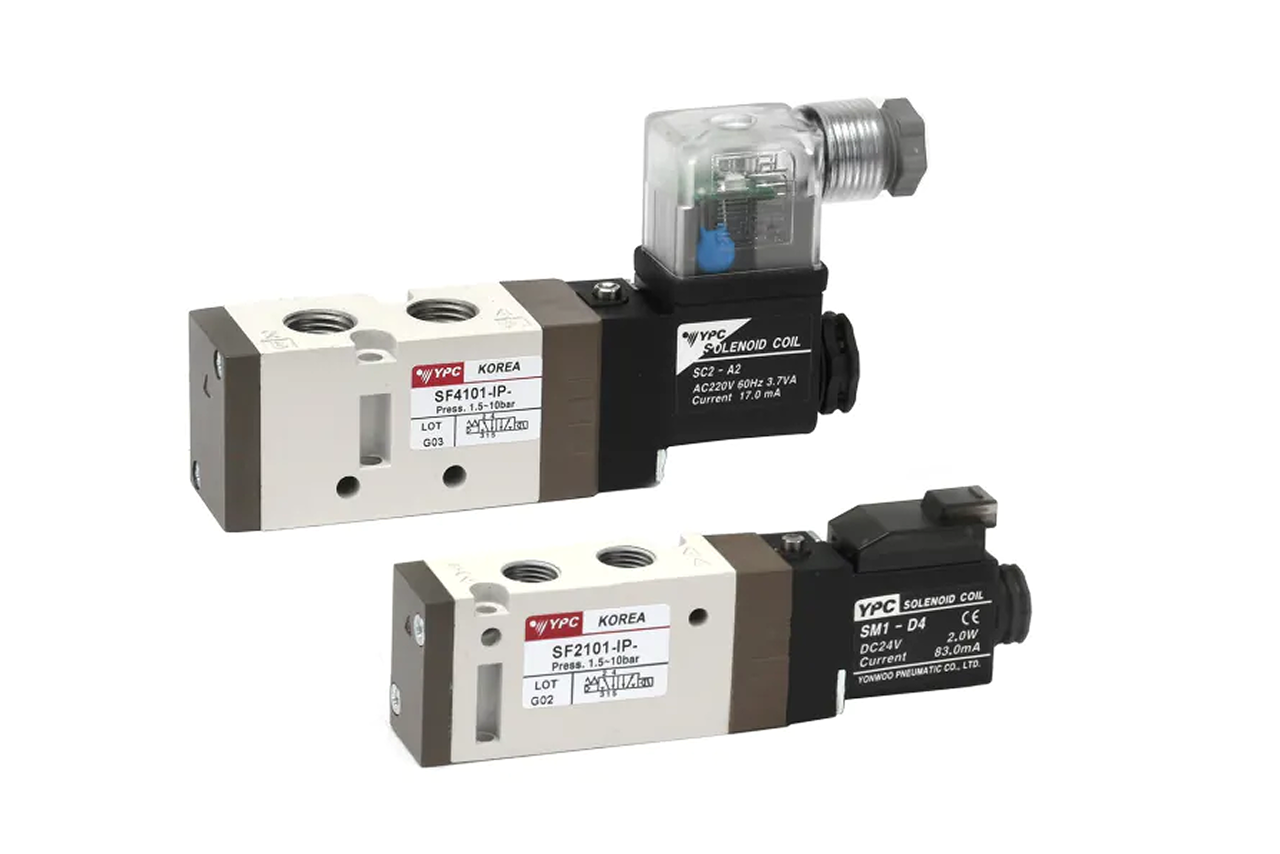
Valve replacement parts are the manufacturer's internal seals and service components that rebuild a leaking or sticking solenoid valve instead of replacing the whole valve. A directional control valve fails in a small number of recognizable ways: a continuous audible hiss from a damaged internal seat or spool seal, slow or sticky shifting from contamination working into the spool bore, or a 5/3 valve drifting off its center position as spool seals lose their seal. In each case the valve body, coil, and spool are still serviceable — what has worn is the elastomer. Some manufacturers package the seals as a single model-matched seal kit; others — SMC and AIGNEP among them — supply the seals, gaskets, and sub-plate components as individual replacement parts catalogued against the valve series rather than as one packaged kit. Either way, the repair restores the valve at a fraction of replacement cost and downtime, and it is the strongest recurring-MRO item in the directional-control family — every solenoid valve in a plant is a future rebuild candidate.
Where it's used General Manufacturing
General Manufacturing application
02Why it's needed

Why this matters.

Tips and pointers on when the seal-kit rebuild is the right call — and when to replace the whole valve. Scroll the strip →

01 · Key point
Rebuild costs a fraction of replacement.

Body, spool, and coil last decades; elastomer seals last years. A $30–80 seal kit restores the valve in 15–30 minutes of bench work — the alternative replacement valve is 5–10× the kit price and may force re-piping if the model is different.

02 · Key point
Failure modes are recognizable.

Continuous audible hiss at rest = spool or seat seal damage. Slow/sticky shifting = contamination in the spool bore. 5/3 center drift = center-position seal leaking. Each maps to a seal-level repair — body, spool, and coil still good.

03 · Key point
Strongest recurring-revenue line in DCVs.

Every solenoid in every plant is a future seal-kit candidate; 3–7 year seal life on continuous duty. A 50-valve plant on 5-year life consumes ~10 kits/year. Standing quarterly auto-ship of 2–3 kits converts unpredictable expense into planned MRO.

04 · Pro tip
Brand + series + model + function + port size.

SMC SY3000 seals do NOT fit SMC VFR; AIGNEP 01V seals do NOT fit 03V. A near-match won't seal. Also match seal material — NBR (nitrile) for general plant air, FKM above ~80°C or chemical service. Wrong material works initially, fails fast in the wrong environment.

05 · Where not to use
Damaged spool, body, or coil.

Bent spool from over-torque, cracked body from over-pressure, burned coil — the seal kit is the wrong fix. → Re-spec to full valve replacement. Bench-test first: leak at body or fitting threads = replace; leak at exhaust = seal kit.

06 · Where not to use
Recurring failures on the same station.

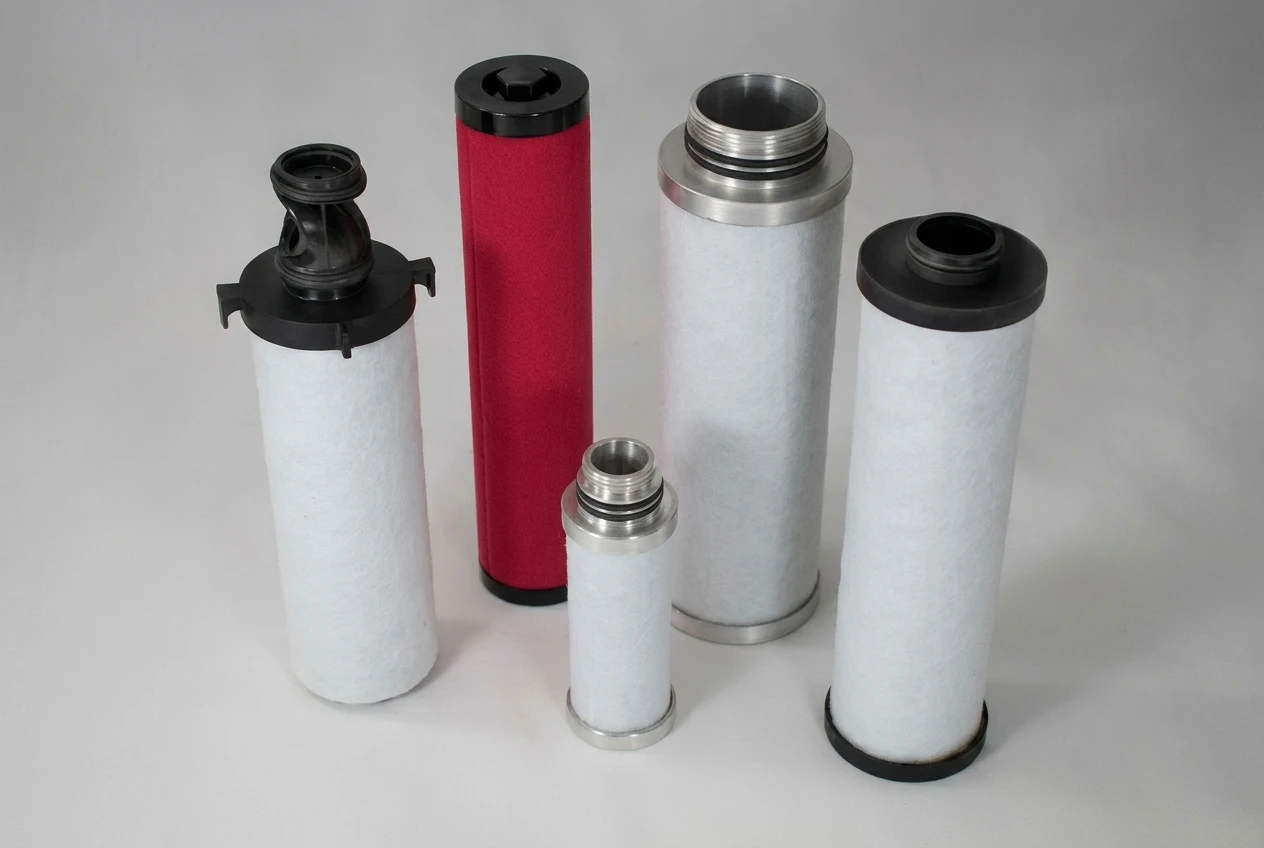
Third seal kit in two years on the same valve = upstream air-quality problem, not a valve defect. → Quote the kit AND coalescing-element refresh together; selling more kits without fixing the root cause loses customer trust.

07 · Where not to use
Discontinued or unknown-brand valve.

Manufacturers discontinue parts on 10–15 year cycles; older series and out-of-business brands may have no kit available. → Cross-reference to a current model from the same manufacturer or pivot to a full valve replacement with a cross-reference SKU.

03Key selection criteria

What we need to spec it right.

From the machine spec sheet → to the part number. Answer what you know — leave the rest blank — and send.

01 · Input
Read the valve nameplate or original PO. Parts are matched to an exact valve — a near-match will not seal. SMC SY3000 seals do NOT fit SMC VFR; AIGNEP 01V seals do NOT fit 03V. SMC/AIGNEP supply as individual parts per series; other brands ship a packaged kit per model.
Brands: SMC · AIGNEP · Festo · Numatics · Parker · Series examples: SY3000 · VFR · 01V · 03V
02 · Input
Each function code carries a different seal count and arrangement; port size may sub-select parts within a series.
5/2 single-sol · 5/2 double-sol · 5/3 closed-center · 5/3 open-center · 3/2 · Port: 1/8" · 1/4" · 3/8"
03 · Input
Confirms a parts-level repair is the right fix vs. a full valve replacement. Body / spool / coil damage = replace whole valve.
Continuous hiss (seal damage) · Slow / sticky shift (contamination) · 5/3 center drift (center-position seal) · Body leak (replace valve, not seals)
04 · Input
Match the original valve spec. Wrong material works initially but fails fast in the wrong environment.
NBR / nitrile (general plant air — standard) · H-NBR (mild elevated temp) · FKM (above ~80°C / chemical / petrochem / ATEX)
05 · Input
Count affected valves or set up a standing PO against the maintenance schedule. A 50-valve plant on 5-year seal life consumes ~10 kits/year — quarterly auto-ship of 2-3 kits is the typical standing pattern.
Single rebuild kit (one valve) · Case pack (10-25 of same series) · OEM-bundle (kit + matching coil + sub-base seals)

Need different sizes, colors, or quantities? Fill the form, add to quote, then fill again — each click is one quote line.

04Choose your solution tier  ·  core differentiator

Whatever your lever — spec, value, or price — SPC has the right brand.

Most distributors sell one brand per product type. SPC's 60-brand portfolio means every Product Type page surfaces three real options matched to how your customer is buying today. Pick the tier; the quote desk handles the cross-reference.

05How to sell this  ·  distributor talk track

The tier conversation closes the deal. The cross-reference catalog wins the next one.

Valve replacement parts are the recurring-revenue line that turns a one-time valve sale into a 5-10 year reorder pattern. Set up the standing order at the original valve sale and the customer never thinks about it again.
The SPC difference · how distributors actually buy

The 30-second positioning

Quoting starts with brand-series-model identification. SMC and AIGNEP supply seals as individual replacement parts catalogued per series — the catalog lookup gives a part number for each elastomer. Some other manufacturers package them as a single seal kit per model. Either way the parts required are the same; only the packaging differs. Selection always requires brand + series + model + sometimes function code (5/2, 5/3, 3/2) and port size.

Tier framing is essentially absent. The replacement parts must match the installed valve — there is no "Industry Leader vs. Economical" choice, only the right part or the wrong part. The brand call was made at the original valve install; the seal-kit sale is downstream of that decision.

The most consultative move is the air-quality conversation. Recurring seal failures on the same valve or circuit are an upstream air-quality problem, not a valve defect. A particulate-contaminated supply degrades seals at multiples of the clean-air rate; a wet supply causes elastomer swelling and chemical breakdown; an over-oiled lubricator washes some elastomer compounds. When a customer asks for the third seal kit in two years on the same station, pivot to FRL coalescing-filter replacement and upstream water-removal verification. Selling more seal kits without fixing the root cause is a short-term win and a long-term customer-trust loss.

Repair-vs-replace is the second consultative move. A seal kit makes sense when body, spool, and coil are confirmed good. When any are damaged (bent spool from over-torque, cracked body from over-pressure event, burned coil), the seal kit is the wrong fix — quote a full valve replacement.

The recurring-revenue lever is converting one-time seal-kit sales into standing reorders tied to the maintenance schedule. A 50-valve plant on 5-year seal life replaces ~10 valves' seal kits per year on average; a standing order pre-positions kits in inventory before failures occur, improves MTTR (mean time to repair), and locks in the seal-kit business for the duration of the maintenance contract.

Customer cue → talk move

"Need a seal kit for this SMC SY3000"
Look up SMC service-parts catalog for SY3000; quote individual seal items (SMC supplies per-piece, not as one kit). AIGNEP same pattern on 01V/03V.
"Third seal failure on the same station this year"
Air-quality problem. Quote the seal kit AND upstream coalescing-element replacement together; discuss FRL service interval.
"Valve leaking; how do I know if it's seals or the spool?"
Bench-test first. Pressure at supply with valve at rest, listen for the leak source. Leak at exhaust = supply-to-exhaust spool seal. Leak at cylinder port = spool-to-cylinder seat. Leak at body = body damage, replace the valve.
"Quote me 50 SY3000 seal kits for plant-wide refresh"
Bulk quote at volume break. Discuss schedule — all at once or quarterly batches? Quarterly smooths the customer's cash flow.
"Replacement coil instead of full valve"
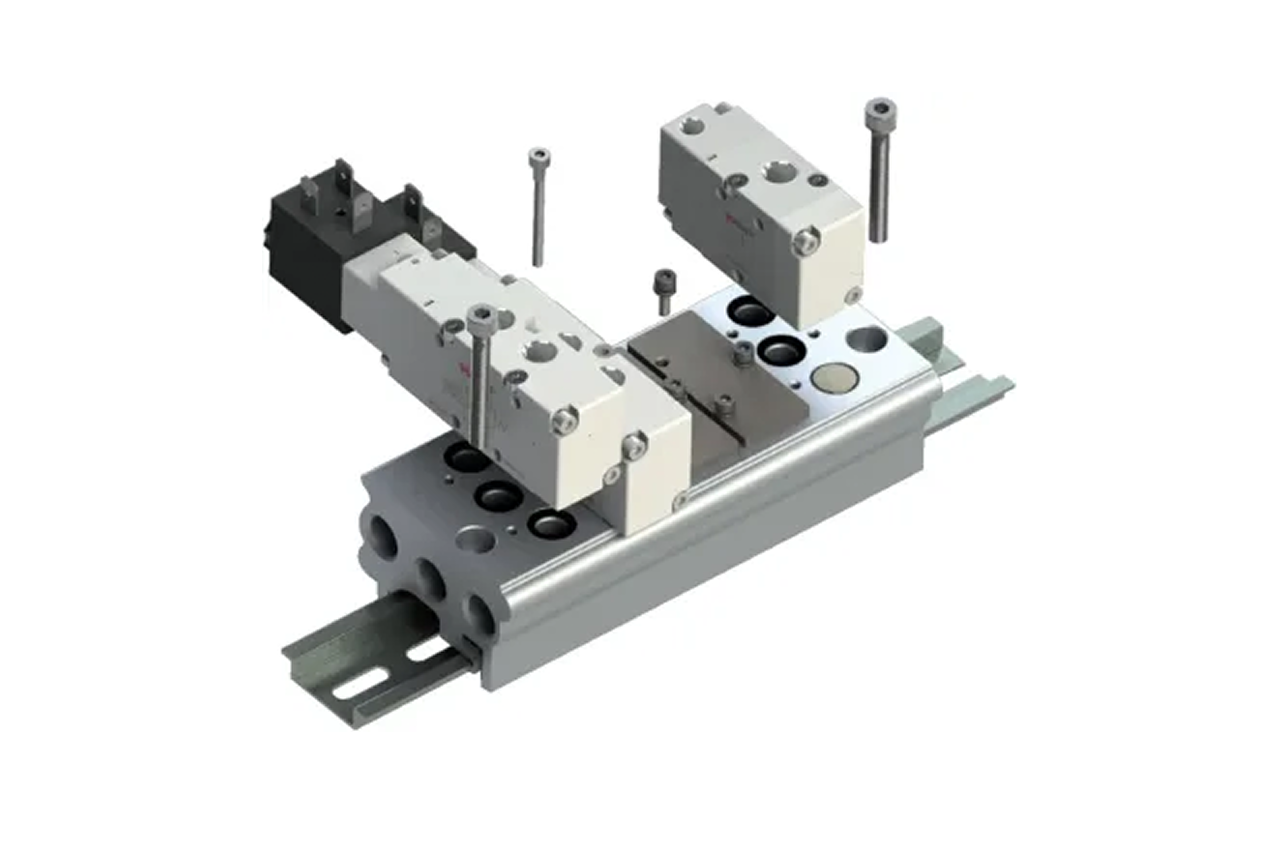
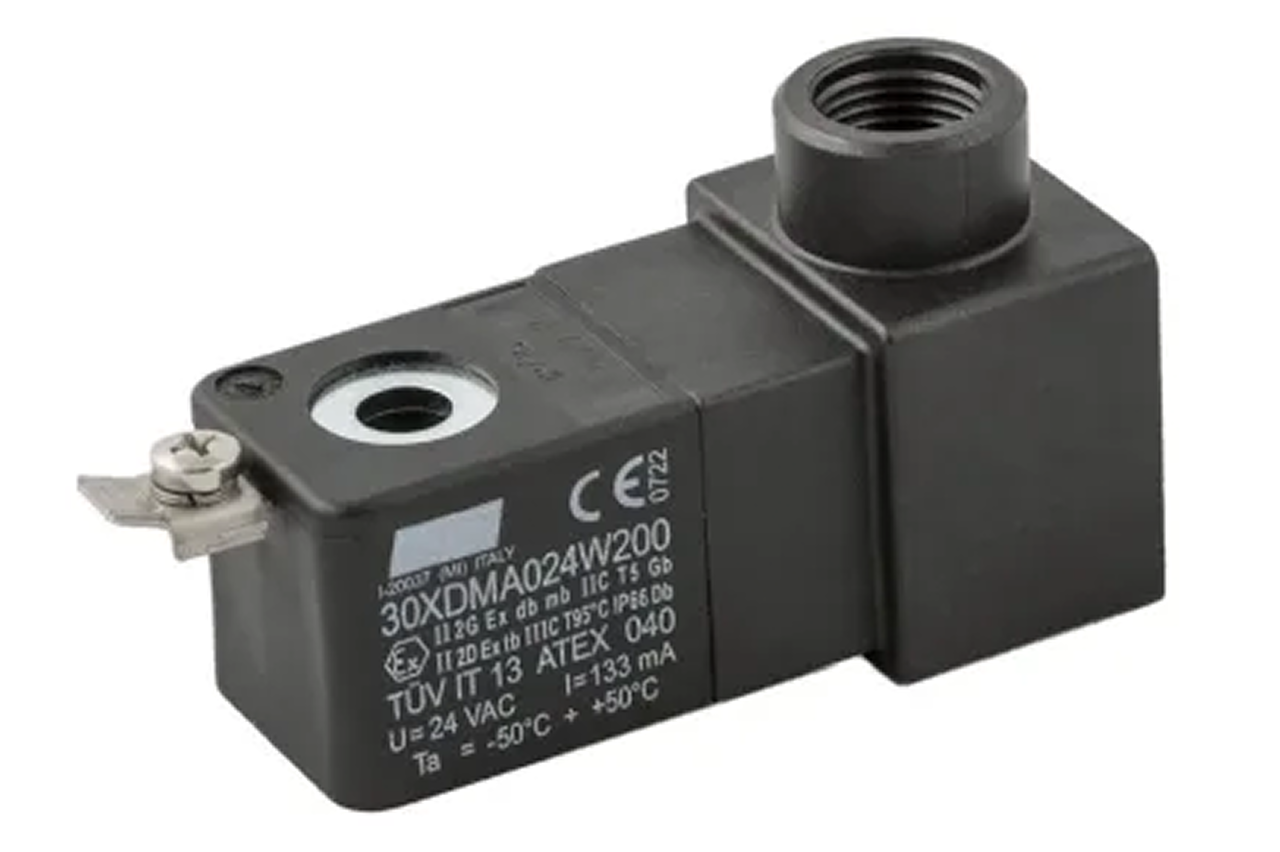
Coil is also a replacement part. Order by valve series and coil voltage; typically a 5-minute swap with no spool disassembly.
"Standing order, what frequency?"
Tie to maintenance interval. 50-valve plant on 5-year seal life = ~10 kits/year. Quarterly auto-ship of 2-3 kits is typical.
"Brand X valve from 1995, do you have parts?"
Lookup against the manufacturer's legacy catalog. Some maintain availability for 20-30 years; others discontinue on a 5-10 year cycle. If unavailable, pivot to full valve replacement with a cross-reference.
"FKM seals or NBR for this valve?"
Match the original spec. Plant air is NBR; chemical / petrochem / high-temperature is FKM.
06Where it's used

Industries served.

Each industry below uses this product across the listed areas. Open an industry to see how it fits the rest of its system.

Also applies to Plant-wide maintenance schedules · High-cycle 24/7 production lines · Reactive replacement on individual valve failures · Plant air-quality remediation projects · Bundled remediation + rebuild quote · Mothballed equipment recommissioning · Distributor MRO stocking · OEM repair / refurbishment · IO-Link cycle-count-driven planned replacement

09Install · 6 critical steps

The things that matter on the first install.

Step 01
Confirm valve brand, series, and model before ordering parts
Replacement parts are matched to one specific valve's geometry — a near-match seal kit will not seal. Spool diameter is wrong, seat depth is wrong, seal cross-section is wrong. Read the nameplate carefully; if unreadable, photograph the valve and send to the distributor for cross-reference.
Step 02
Confirm seal material against the original spec
NBR (nitrile) for general air, FKM for high-temperature or chemical service. Match the original. Installing the wrong material may work initially but fails fast in the wrong environment.
Step 03
Depressurize and isolate the valve before disassembly
Close the upstream shutoff; vent the downstream by manually overriding the valve into the exhaust position. Verify zero pressure with a gauge or with the manual override before opening the body. Disassembling a pressurized valve creates a parts-and-air projectile hazard.
Step 04
Disassemble per the manufacturer's service procedure
Most solenoid valves disassemble with 4-6 retaining screws holding the end cap, pilot, or spool retainer. Photograph each step during disassembly — reassembly is much harder without the visual record, particularly on 5/3 valves with center-position springs and detent elements.
Step 05
Clean the spool bore before installing new seals
Any contamination remaining will tear or damage the new seals on the first cycle. Wipe the bore with a clean lint-free cloth; for heavy contamination, flush with a small amount of valve-compatible solvent (verify against the manufacturer's recommendation — wrong solvent attacks the elastomers). Inspect the spool for scoring; scoring requires spool replacement (the spool is typically not a seal-kit item but is available separately on most series).
Step 06
Reassemble with new seals lightly lubricated with the manufacturer's recommended lubricant
Most seal-kit instructions specify a light coating of silicone grease or pneumatic-spec lubricant before assembly. Skipping lubrication can cause the seals to roll or tear on first cycle. Reassemble in reverse order; verify the spool slides smoothly before re-tightening the end cap. Pressure-test at system pressure and cycle through all positions before returning to service — a rebuilt valve that leaks at the bench needs the seals re-checked (most common cause: a seal pinched or rolled during assembly).
10Troubleshoot · top failures

Most returns trace to one of these causes.

Symptom
Most likely cause
Fix
Rebuilt valve leaks immediately after assembly
Seal pinched, rolled, or torn during reassembly (#1 cause — seals are easily damaged on installation, especially on tight bores), OR wrong-series seal kit installed, OR spool bore wasn't cleaned and contamination tore the new seal, OR an end-cap or retainer screw isn't torqued to spec.
Disassemble, inspect each seal carefully for damage or improper seating. Replace any damaged seal. Verify the seal kit part number matches the valve series. Re-clean the spool bore. Re-torque retainer screws to spec.
Rebuilt valve worked initially but leaks again within weeks
Upstream air quality degrading the seals at an accelerated rate (most likely if recurring), OR wrong seal material installed for the service (NBR in FKM-spec service), OR spool surface scored and damaging new seals on every cycle.
Service the upstream coalescing filter; verify the FRL removes water and particulate adequately. Verify seal material matches the application. Inspect the spool — replacement spool required if scored.
Seal kit arrived missing an O-ring or component listed in the kit
Manufacturing defect (rare), OR the kit is missing the right parts for the specific valve sub-variant (some kits cover a range of models and require checking which components apply to the specific model being serviced).
Cross-check the kit's contents against the manufacturer's parts list for the specific model. Contact the distributor if confirmed missing. Some kits include extra components that are not used on every model — verify against the parts list.
Seal kit does not exist for an older valve model
Manufacturer has discontinued parts on a 10-15 year cycle (common for older series), OR the valve was made by a manufacturer no longer in business, OR the valve is from a niche product line that never had service parts published.
Cross-reference to a current valve model from the same manufacturer (often the new series has a service-bulletin for retrofitting old valves with new seals), OR replace the valve with a cross-reference from a different brand, OR scavenge parts from a sister-machine's valve if the customer has multiples.
Rebuilt valve shifts correctly but cycle count on a smart valve terminal doesn't recognize it as the same valve
Some smart terminals track per-valve cycle history by serial number or electronic ID; replacing seals doesn't change the valve's identity, but if the valve was removed and reinstalled the diagnostic context may have been reset.
Verify the valve's electronic ID is intact (typically a barcode or EEPROM on the body). If the diagnostic history was reset, the new cycle count baseline starts at zero; document in the maintenance log.
Seal kit is the wrong size for the valve
Wrong series specified at order, OR the valve is a sub-variant of the series (different port size or function code that requires a different kit).
Return the wrong kit and re-order against the correct part number. Cross-check the valve series against the kit's applicability list before next order.

Get the right valve replacement parts on quote in 24 hours.

Send us the application — a specialist routes you to the correct tier with a configured part. Lead-times and pricing returned within one business day.

Request a quote