DISTRIBUTOR-FIRST SUPPLY PARTNER · SINCE 1999 Live · Pneumatic Automation System

A plastic-body muffler does the same job as a bronze one — quieting valve exhaust — in a lighter, lower-cost, corrosion-resistant package. It threads into the valve exhaust port and breaks the exhaust blast through a fine stainless mesh screen held behind a perforated plastic shell, spreading one loud jet into many quiet low-velocity streams. (Some plastic mufflers instead use a porous sintered-plastic insert as the element; the mesh-screen construction is the high-flow style and the one SPC's plastic line is built around.) The trade against bronze is robustness: a plastic body will not take the same mechanical abuse or heat, so it is the right choice where weight, cost, or corrosion resistance is the deciding factor and the duty is light — clean-air panel builds, test benches, and atmospheres where moisture or chemicals would attack a metal element. Like every muffler it is a consumable, clogging with dust and oil mist over its service life.

Tips and pointers on when plastic is the right call — and when bronze should win instead. Scroll the strip →
A 5/2 solenoid dumping 80 PSI unmuffled hits 90-100 dB — above OSHA's 85 dB action level. Mesh-screen-behind-perforated-shell breaks one loud jet into thousands of slow streams and brings the line back under threshold.
Washdown food, marine, coastal air, chemical vapor — environments that pit bronze in months don't touch a nylon body. No corrosion products shed back into the air stream, which is what NSF and pharma audits care about.
A 10-valve plastic manifold sheds 0.5-1 lb vs. bronze on EOAT, gantries, and high-speed pick-and-place. Real cycle-rate gain on every moving sub-assembly where payload is the constraint.
Plastic wins on three drivers only: corrosion, weight, or short-life fixture cost. If none apply, the spec is bronze. On high-Cv manifolds, step to the high-flow diffuser body so back-pressure doesn't slow valve actuation.
The polymer body deforms past its 35-120°F service range. High-cycle solenoids run their exhaust ports warm and will collapse a plastic body in weeks. → Re-spec to sintered bronze any time exhaust temperature is in question.
Plastic cracks under dropped tools, operator kicks, and guard interference. → Re-spec to sintered bronze on construction, mining, fabrication, or any install at boot-height in walk-through aisles.
UV, ozone, and freeze-thaw embrittle the polymer body over a season — and dropped tools or vibration finish the job. → Re-spec to sintered bronze for on-equipment, outdoor, and any install exposed to weather.
From the machine spec sheet → to the part number. Answer what you know — leave the rest blank — and send.
Most distributors sell one brand per product type. SPC's 60-brand portfolio means every Product Type page surfaces three real options matched to how your customer is buying today. Pick the tier; the quote desk handles the cross-reference.
Mufflers are the consumable everyone forgets until the line gets loud or the valve slows down. Count the valves, quote the full set, put it on the PM list.
Each industry below uses this product across the listed areas. Open an industry to see how it fits the rest of its system.
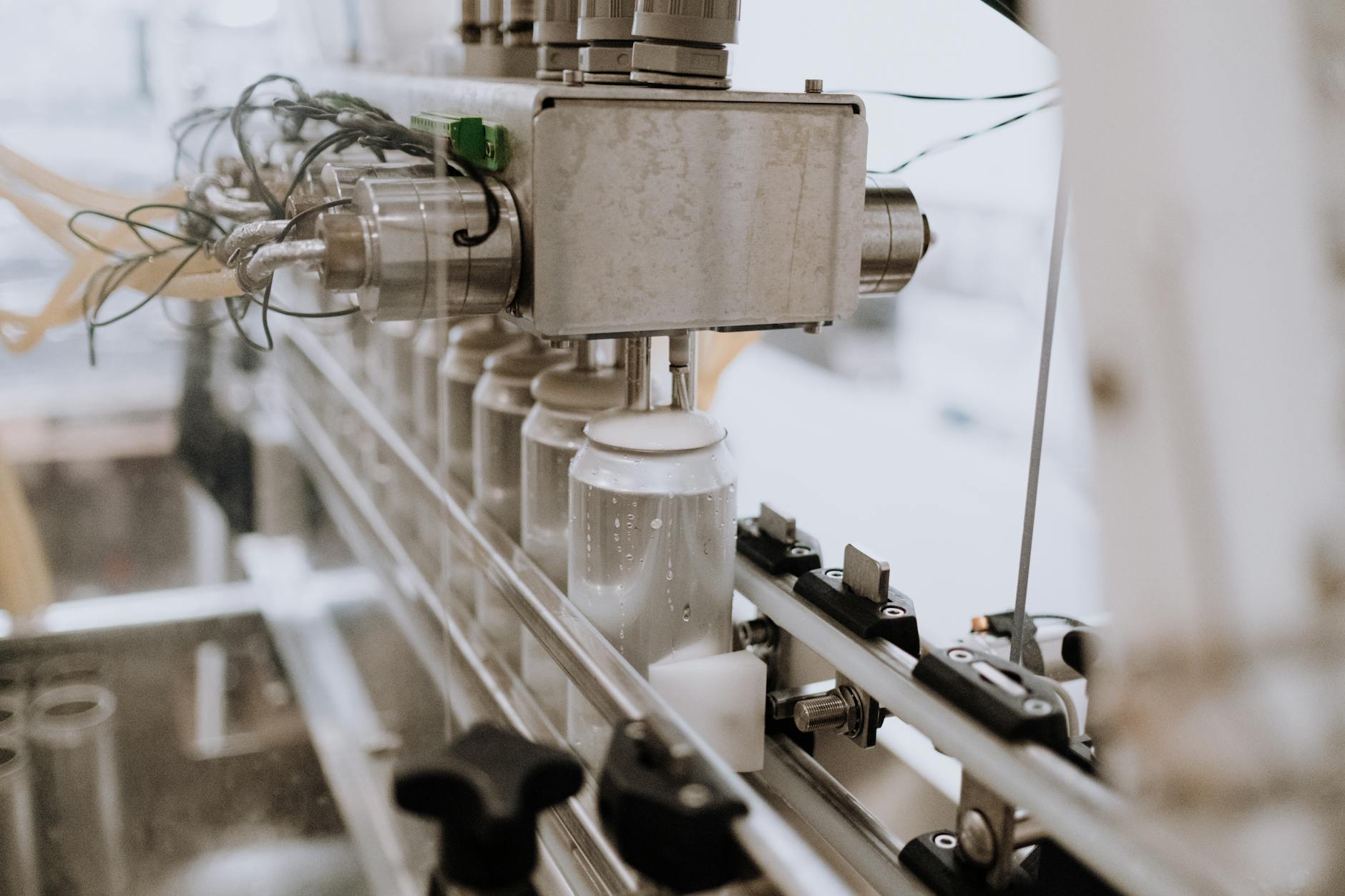 Food & Beverage Processing →
  Pharmaceutical, Medical Device & Laboratory →
  Marine & Shipbuilding →
 Also applies to Clean-air panel builds & control cabinets · Test benches & prototype fixtures · washdown areas (zones routinely sprayed with water and sanitizer) · Mobile or weight-sensitive sub-assemblies · EOAT (end-of-arm tooling — the gripper/tool assembly at the robot wrist) · 0.5-1 lb · Indoor low-cycle assembly cells · Plastic-mounted valve banks in OEM equipment
Every entry is a real product on this site — linked, not just named. Quote them on the same line item.
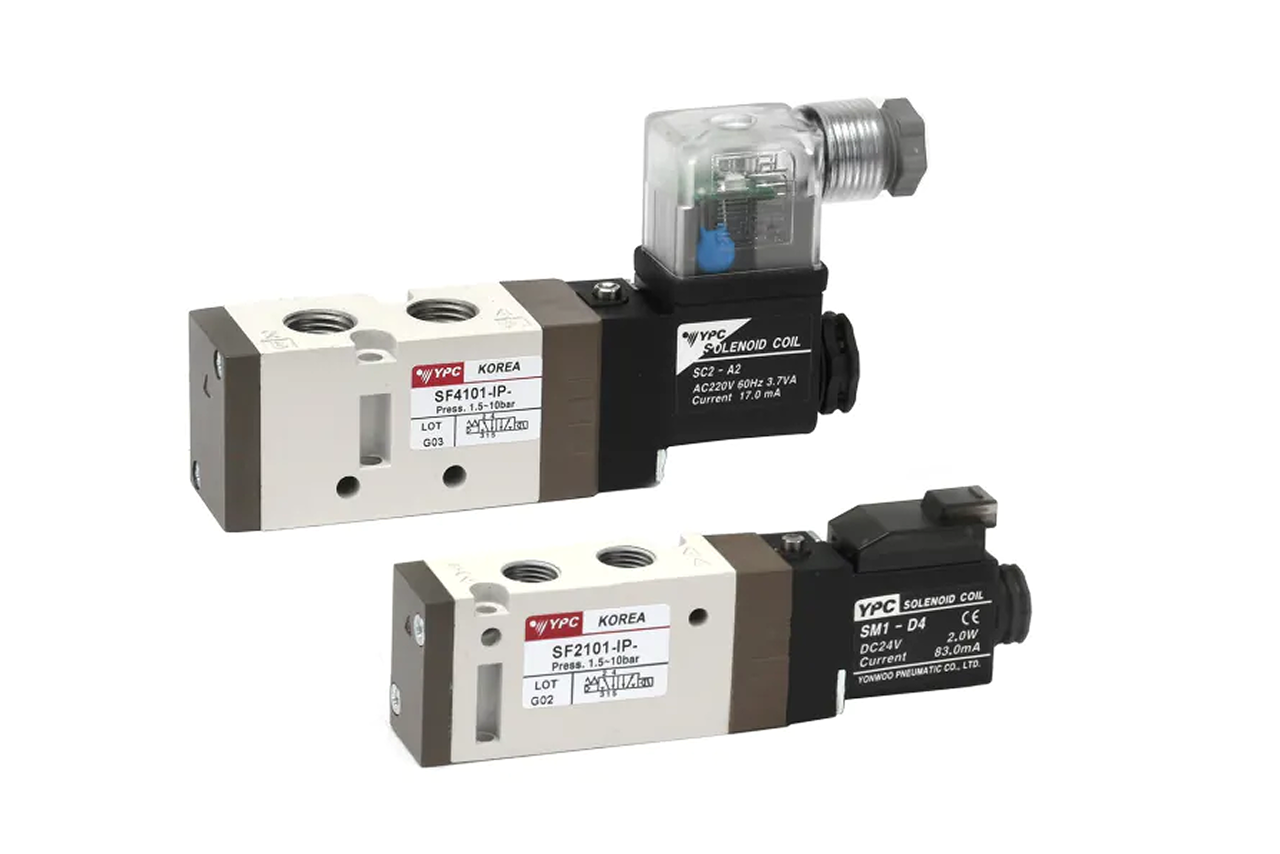
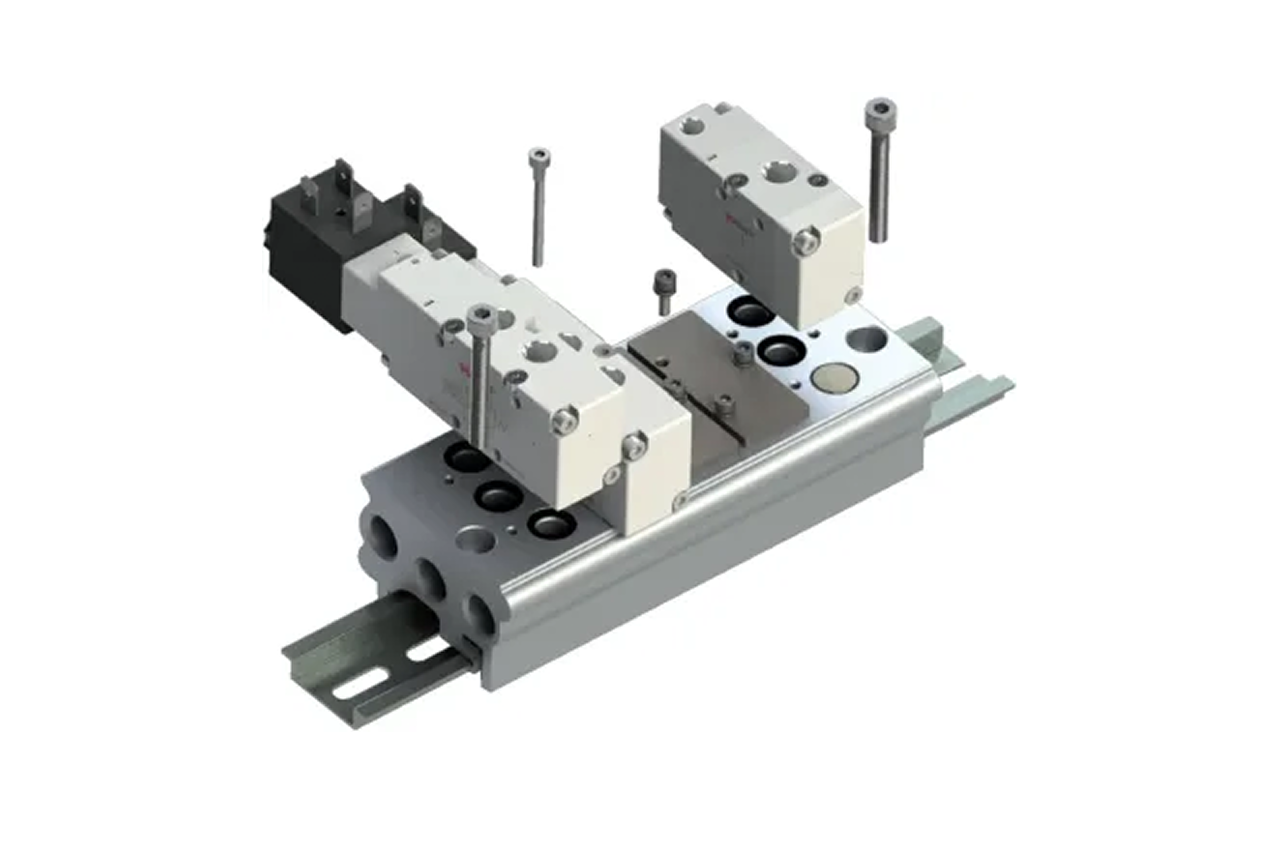
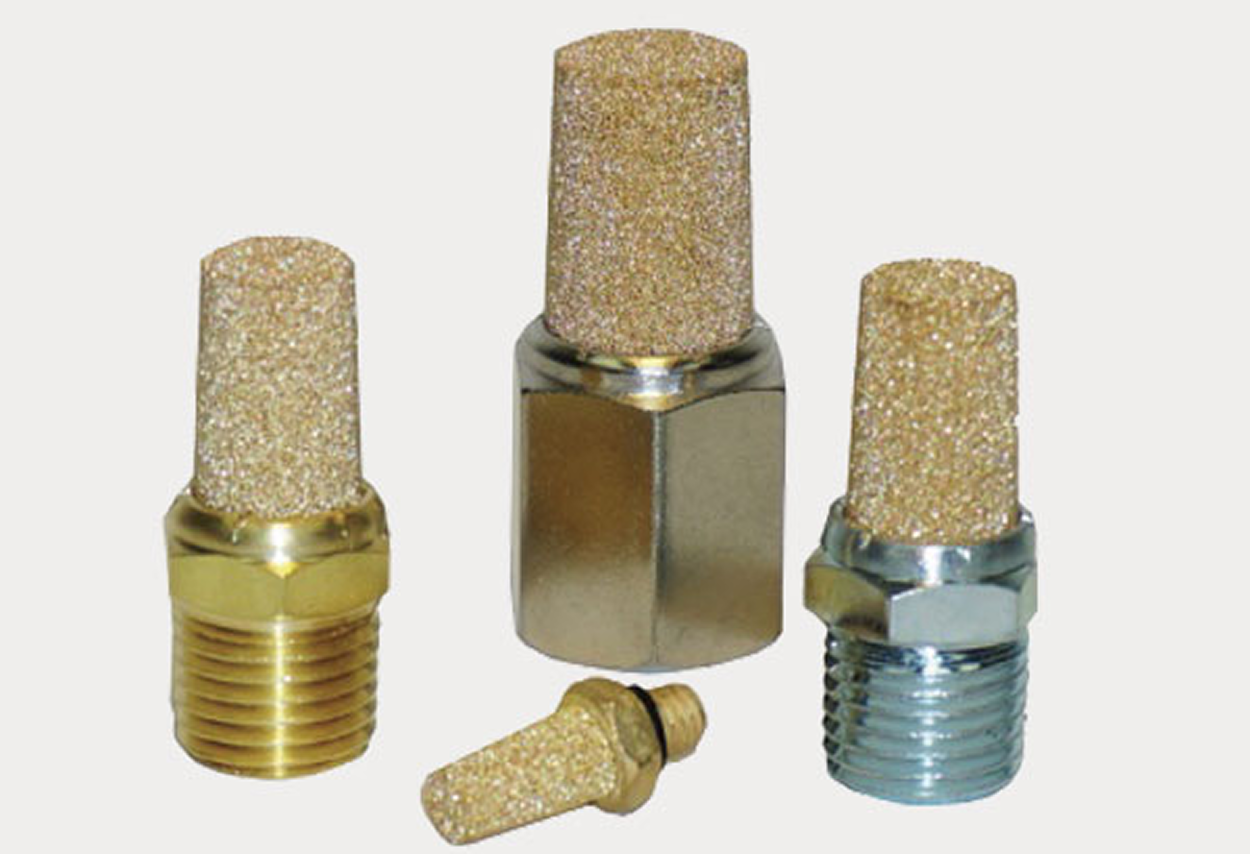
Stock plastic-body mufflers in pack-of-10 or pack-of-25 cases of the customer's most common thread size on their MRO shelf. A 20-valve machine carries 35-40 mufflers replaced every 6-12 months — that's 35-80 mufflers per machine per year. PM becomes a 30-minute walk-the-machine swap rather than a parts-runner trip.
Send us the application — a specialist routes you to the correct tier with a configured part. Lead-times and pricing returned within one business day.
—. We reply within one business day with pricing, lead-time, and configured parts.