DISTRIBUTOR-FIRST SUPPLY PARTNER · SINCE 1999 Live · Product System

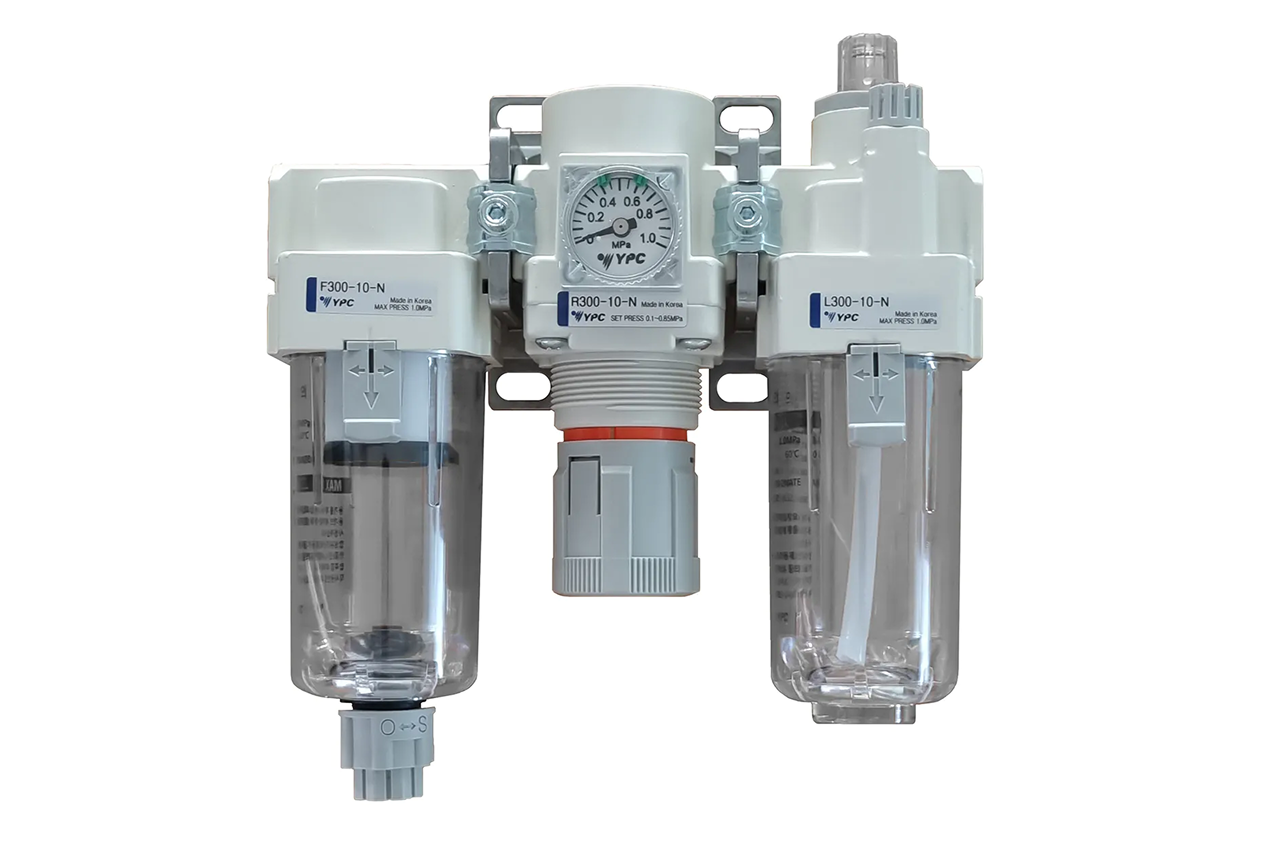
The lubricator stage of air preparation sold as an individual modular unit. It meters a controlled mist of oil into the compressed air stream for equipment that requires lubricated air. Air flowing through the unit draws oil from a reservoir bowl and atomizes it; an adjustable drip rate sets how much, and a sight dome shows the oil level so an operator can refill it. The lubricator is the one air-prep stage that is usually omitted. Most modern pneumatic equipment is built for non-lubricated air with self-lubricating internal materials, and a lubricator on such equipment contaminates downstream sensors and product with oil. It is required only for old-style pneumatic tools — impact wrenches, jackhammers, sand rammers — heavy-duty legacy cylinders on older seal materials, and any equipment whose nameplate or spec sheet calls for lubricated air. When in doubt, the equipment's documentation decides. As a standalone unit it adds the L stage to a filter-regulator train or replaces the lubricator on a modular assembly. It is placed last in the air-prep order, after the regulator, so oil mist is added to clean, pressure-set air just before it reaches the equipment.
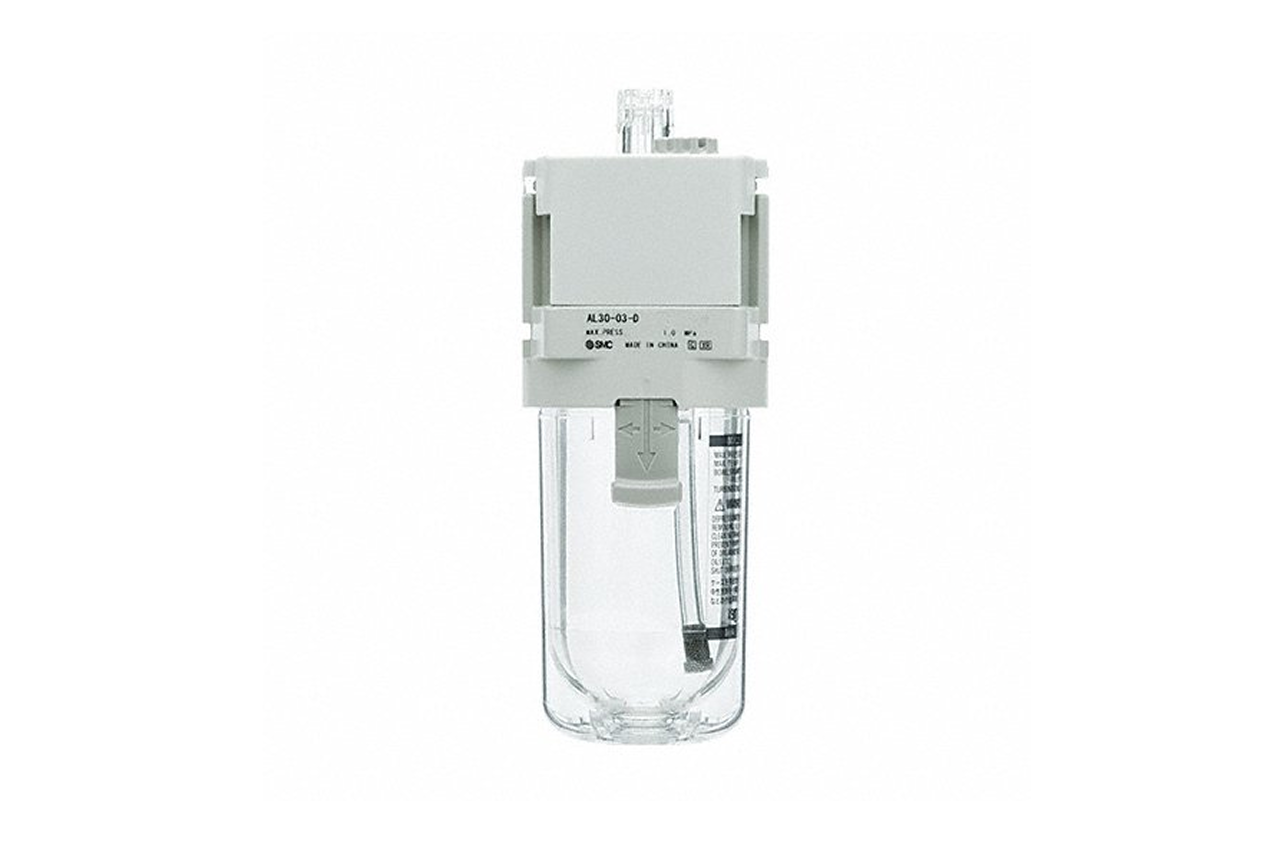
Tips and pointers on when the lubricator is the right call — and when added oil is the maintenance bill. Scroll the strip →
Old-style impact tools, jackhammers, sand rammers, chipping hammers, and heavy-duty legacy cylinders on older seal materials all depend on metered oil for piston lubrication and seal life. Nameplate decides — never default to L.
As a standalone unit the L adds the lubricator stage to an existing F+R train or replaces just the L on a modular F+R+L without disturbing the filter and regulator. Goes last in the air-prep order, after the regulator.
Standard fog drops out within ~10–15 ft — fine for L mounted near the equipment. Micro-fog (sub-micron mist) stays airborne and carries to distant tools through long distribution runs.
Sight glass should show 1 drop every 1–5 strokes with the machine actually running — static settings don't translate to running flow. Use ISO VG 32 air-line oil (NSF H1 for food); never motor oil, compressor oil, or WD-40.
Anything 2010+ runs on PTFE, lip-seal compounds, sintered bronze — added oil fouls sensors and contaminates product. → Re-spec to a filter-regulator (F+R); the L is the maintenance bill, not the fix.
Oil carryover is a product-rejection event on contact-food lines and contaminates clean-room and lab air. → Omit the L absolutely; quote an F+R with stainless bowl and coalescing element instead.
Mounting the L before the R sends oil into the regulator diaphragm and kills it within months. → L goes last in the air-prep order, after the regulator — oil mist is added to clean, pressure-set air just before it reaches the equipment.
From the machine spec sheet → to the part number. Answer what you know — leave the rest blank — and send.
Most distributors sell one brand per product type. SPC's 60-brand portfolio means every Product Type page surfaces three real options matched to how your customer is buying today. Pick the tier; the quote desk handles the cross-reference.
The lubricator question gets answered by the equipment, not the buyer.
Each industry below uses this product across the listed areas. Open an industry to see how it fits the rest of its system.
Also applies to Pneumatic impact tools & hand tools · Heavy-duty legacy cylinders · Sand blasting & abrasive equipment · Paint spray guns (lubricated type) · Sand & bead casting machinery · Rotary air motors (legacy oiled type) · NOT for
Every entry is a real product on this site — linked, not just named. Quote them on the same line item.
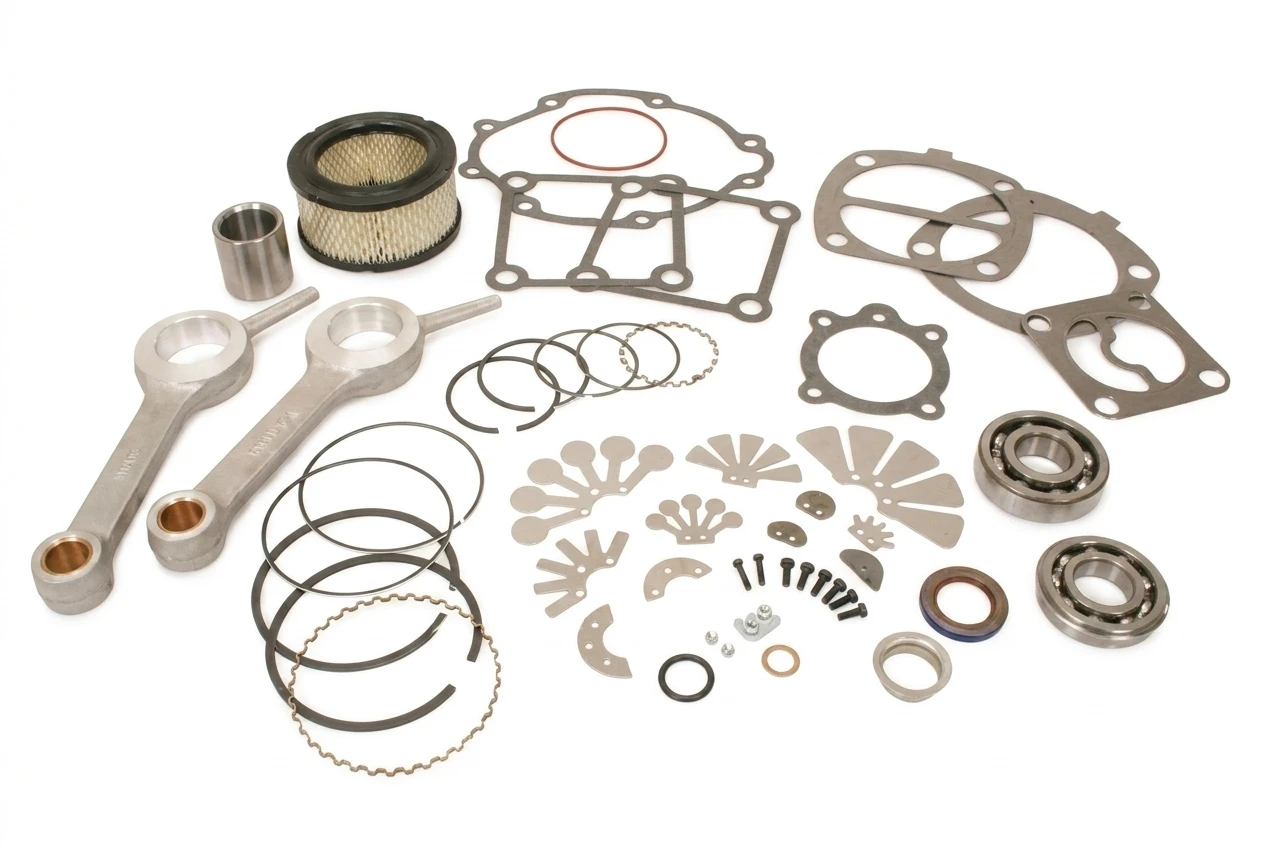
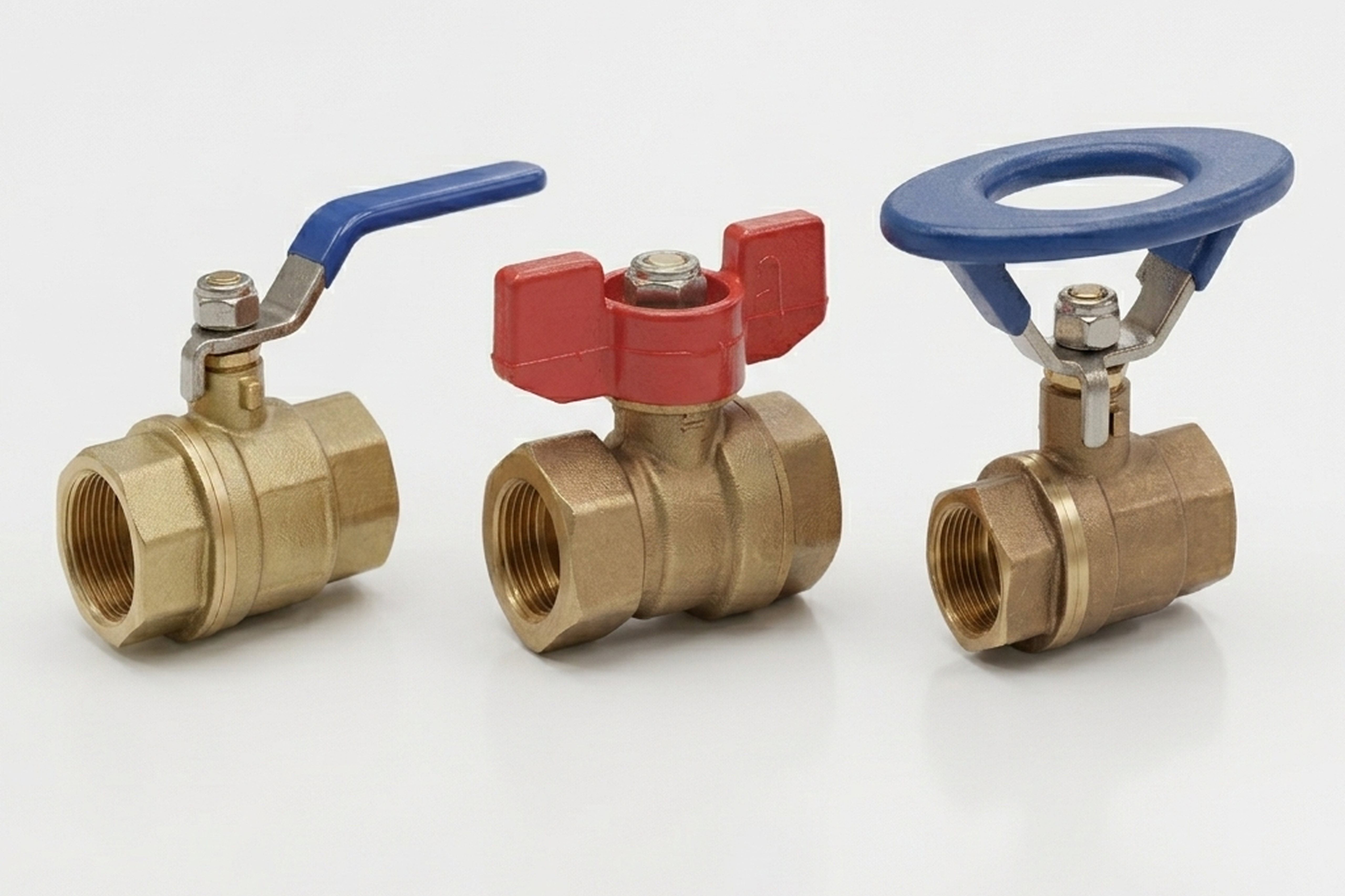
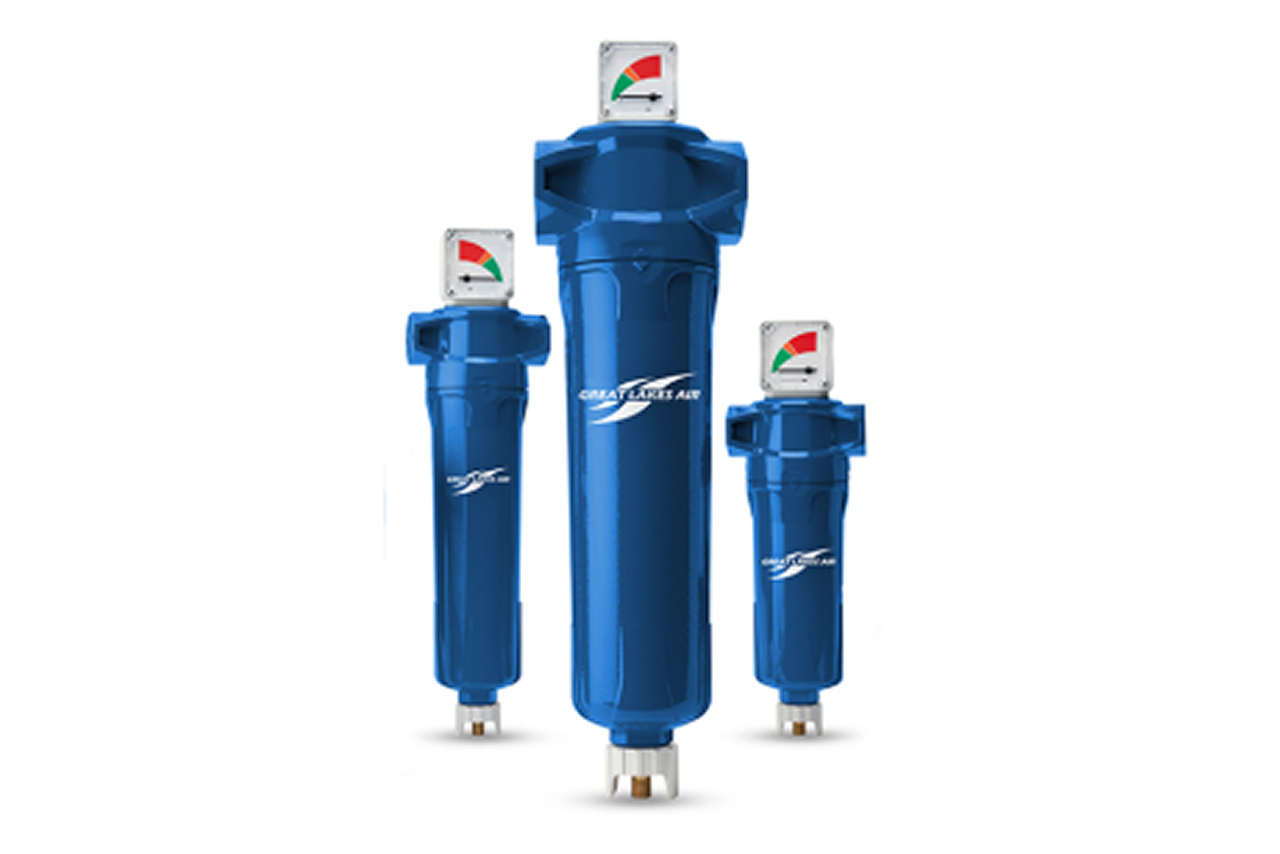
Quote the L with matched air-line oil supply (gallon or 5-gallon containers) as a bundled re-order — the L is useless without oil, and customers fill it with whatever's in the maintenance closet (motor oil, WD-40) if you don't get the right grade onsite first.
Send us the application — a specialist routes you to the correct tier with a configured part. Lead-times and pricing returned within one business day.
—. We reply within one business day with pricing, lead-time, and configured parts.