DISTRIBUTOR-FIRST SUPPLY PARTNER · SINCE 1999 Live · Pneumatic Automation System

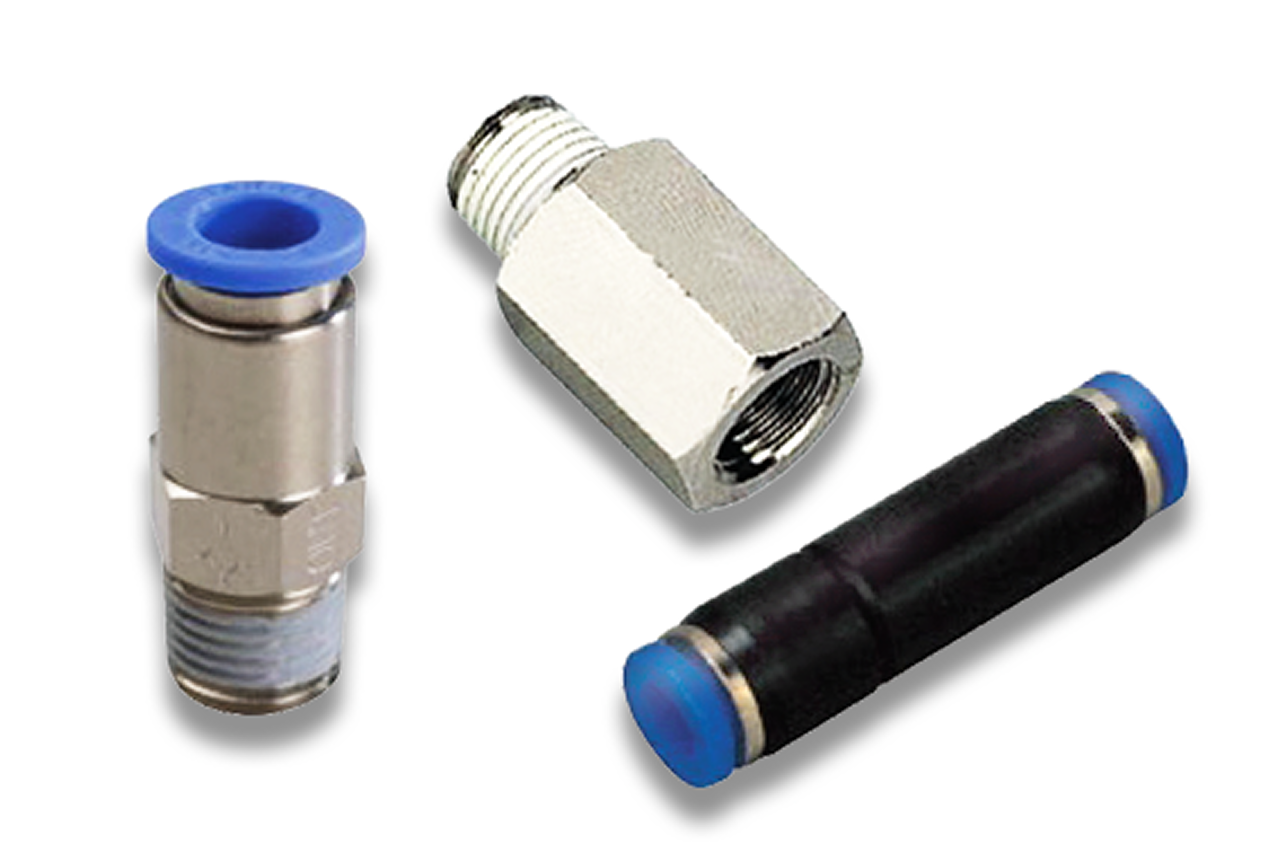
A check valve is an inline pneumatic component that lets air pass one way and seals against flow in the other. It is the cheapest, simplest line-protection device in the system — a few dollars, installs in seconds, and does three jobs no other component does cleanly: holds a load on a cylinder if supply pressure is lost (the pilot-operated variant traps air on both sides of the piston), prevents backflow that would feed pressure into a circuit that should be isolated, and builds simple pneumatic logic (paired with other checks, it forms shuttle and AND/OR functions without any electrical actuation). It installs in series with cylinders, valves, and shared-supply branches, and is sized to the same tube OD (the outside diameter of the air line) as the machine's push-to-connect fittings.
Tips and pointers on when the check valve is the right call — and when to spec something else. Scroll the strip →
A spring-loaded poppet lifts above a low cracking pressure (1–5 PSI) and reseats the instant flow reverses or supply drops. Two pilot-operated checks at the cylinder ports trap air on both sides of the piston and lock the rod where it was — $20–50 load safety the DCV can't deliver.
Two or more cylinders on the same line — a standard inline check in each branch keeps exhaust air from back-feeding into adjacent cylinders and causing unexpected motion. The fix for "strange motion" on packaging diverters and parallel reject stations.
Two checks form a shuttle valve (OR logic); multiple checks plus shuttle valves build AND, OR, and priority functions with no electrical signal. Standard tool for hazardous-area equipment, portable rigs, and any station where electrical controls are absent.
For load holding the pilot-op check must trap the air actually holding the load — between the DCV and the cylinder chamber. Pilot line goes to the OPPOSITE cylinder chamber, not to supply. Two per double-acting cylinder; arrow points toward the actuator.
Checks are automatic and one-way — they don't isolate for lockout-tagout. → Re-spec to quarter-turn shutoff valve when the job is deliberate, manual, lockable isolation rather than backflow prevention. The two often pair in series on compressor discharge.
A check blocks reverse flow but does not throttle the forward direction. → Re-spec to flow control valve when the application needs tunable bidirectional metering for line balancing or pilot signal timing.
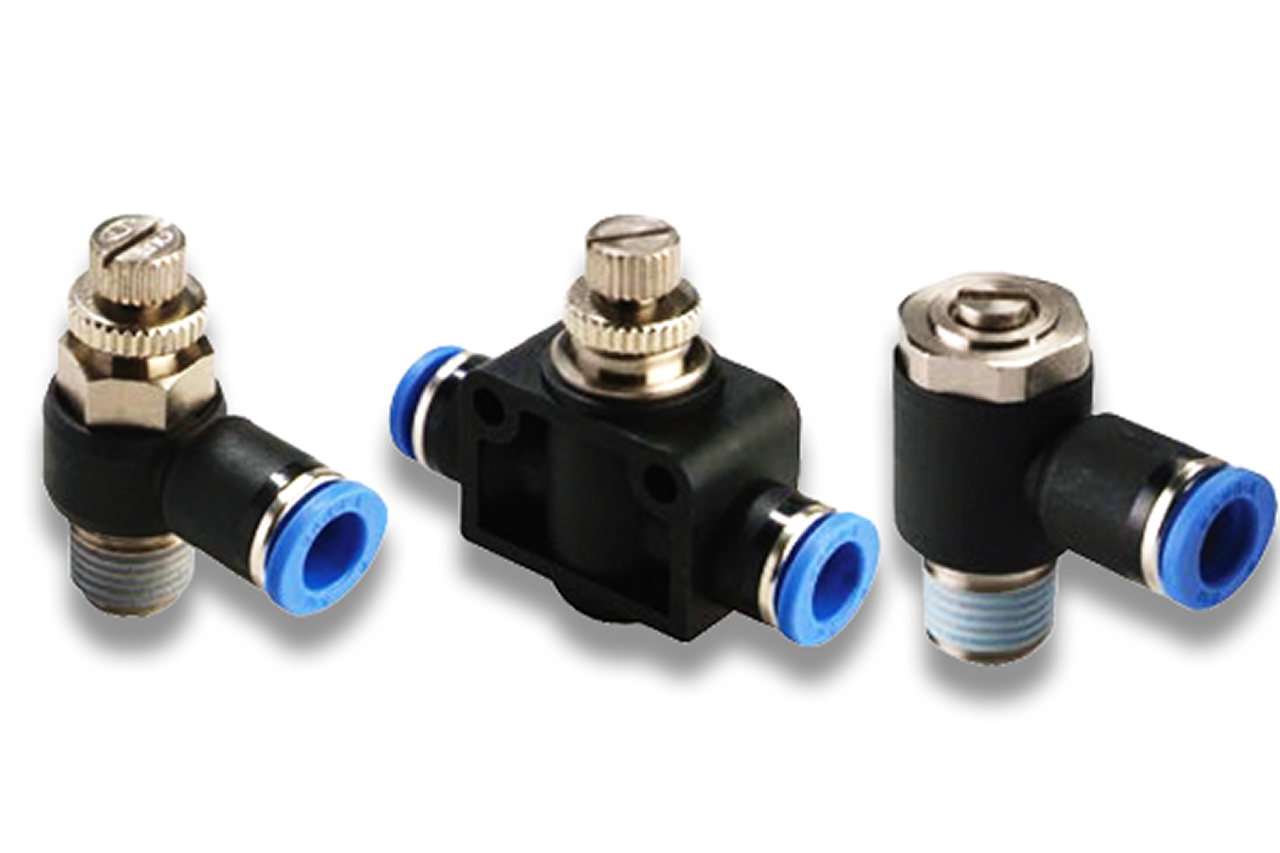
A standalone check just opens or closes — it can't meter exhaust to smooth a cylinder's stroke. → Step up to speed controller at the cylinder port. The speed controller is an integral check plus needle valve in one body; the right call when one-direction throttling is wanted.
From the machine spec sheet → to the part number. Answer what you know — leave the rest blank — and send.
Ask whether the cylinder holds a load. If yes, two pilot-operated check valves go on every cylinder quote — and the customer almost always asks why the original integrator didn't do this.
Each industry below uses this product across the listed areas. Open an industry to see how it fits the rest of its system.
Also applies to Load-holding on lift, clamp, and indexing cylinders · Shared-supply circuits on multi-cylinder machines · Pneumatic-only sequential logic on hazardous-area equipment · Vacuum hold-on with check-valve backup · Pressure-balanced cylinder circuits · Aftermarket retrofit for safety improvement · Compressor discharge backflow protection
Every entry is a real product on this site — linked, not just named. Quote them on the same line item.
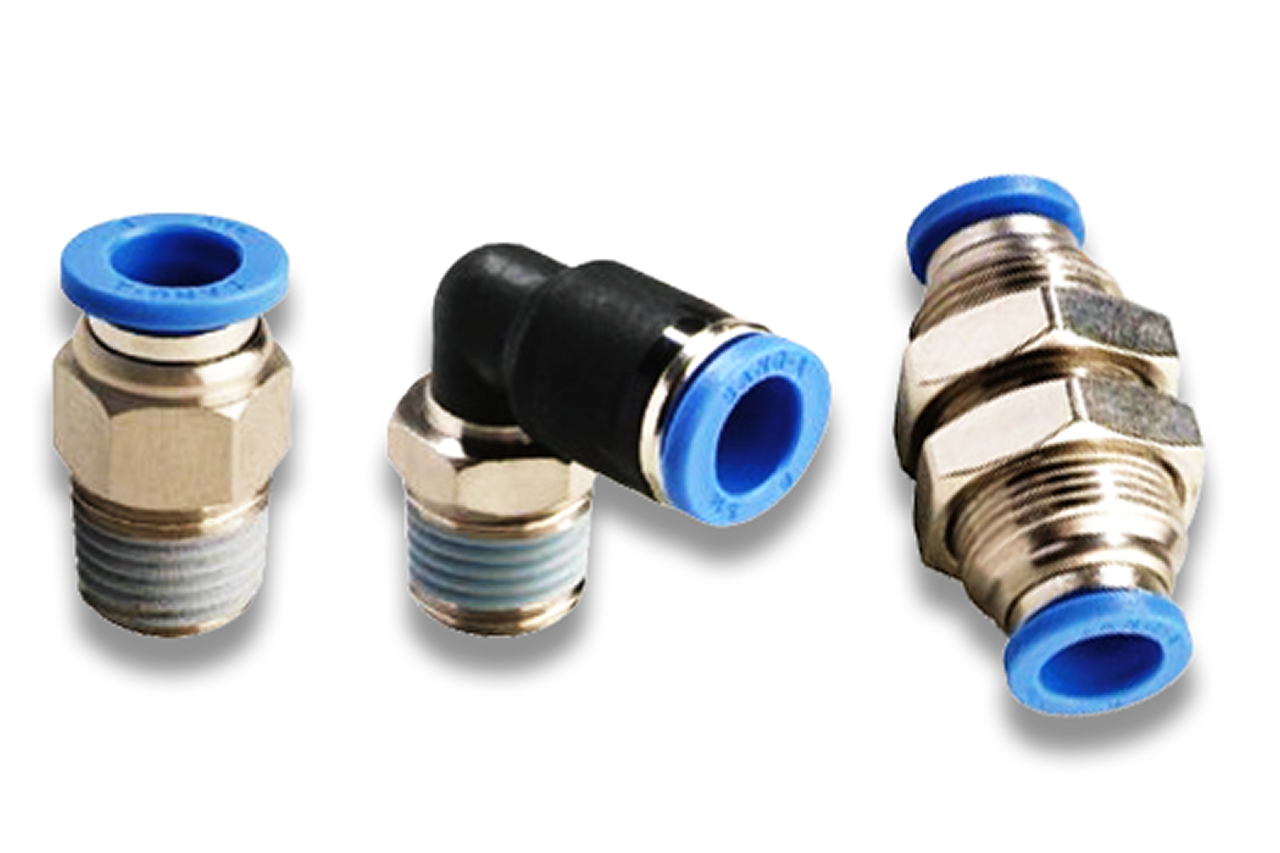
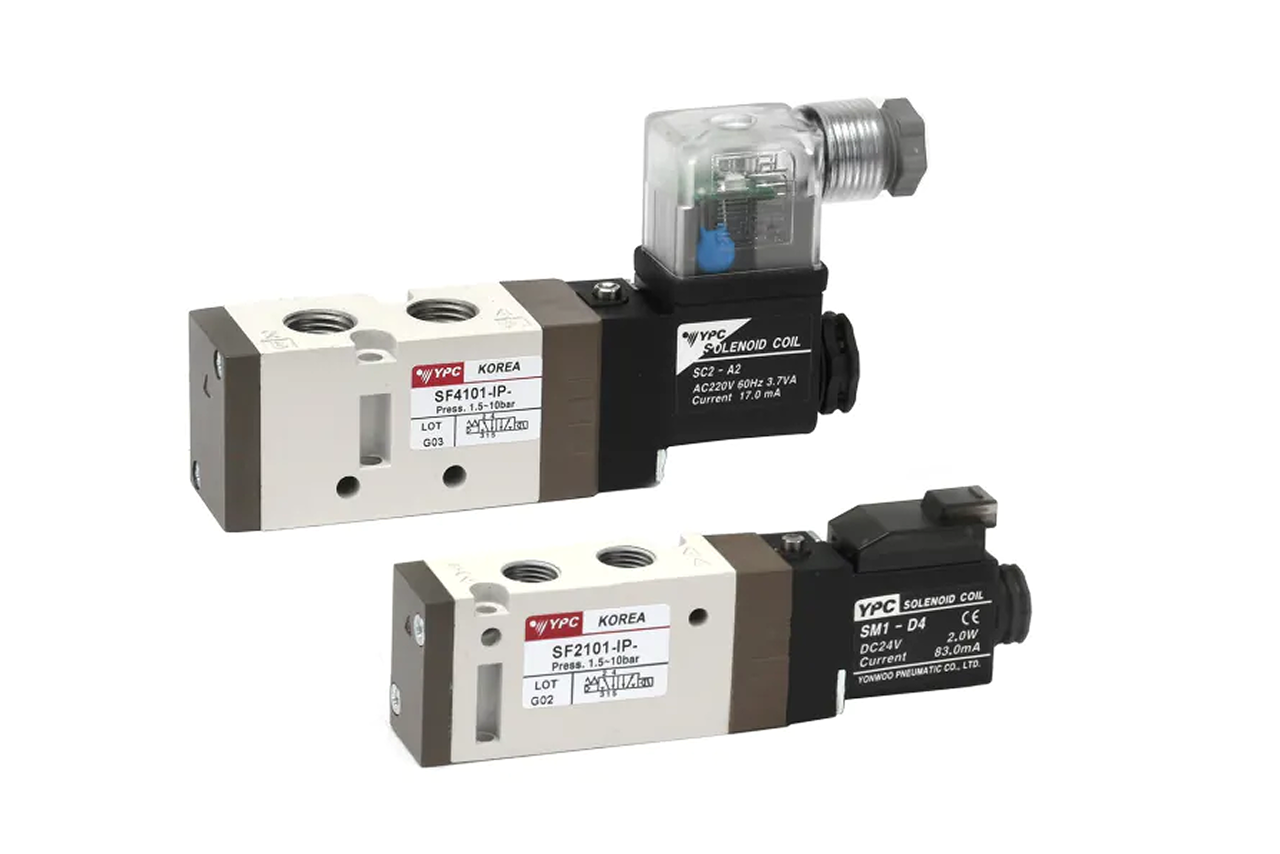
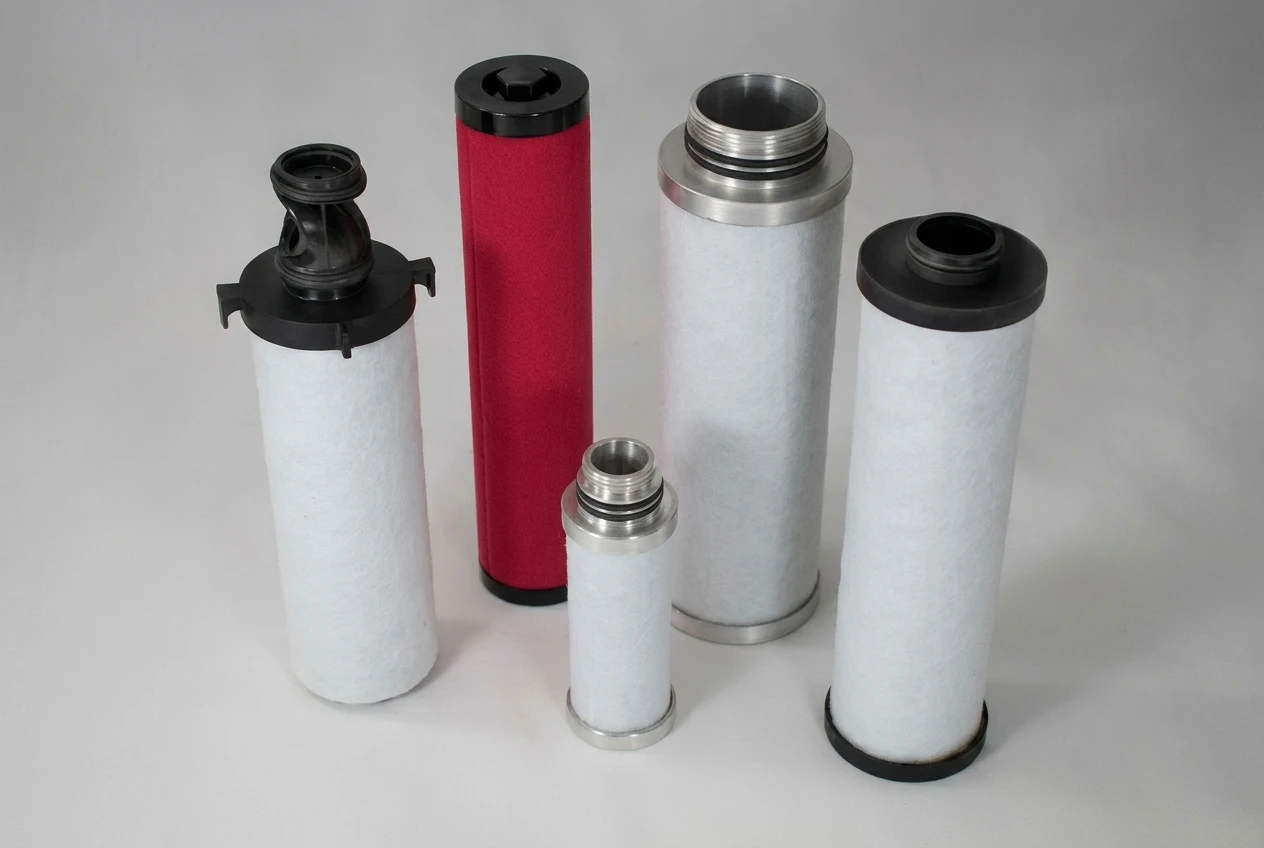
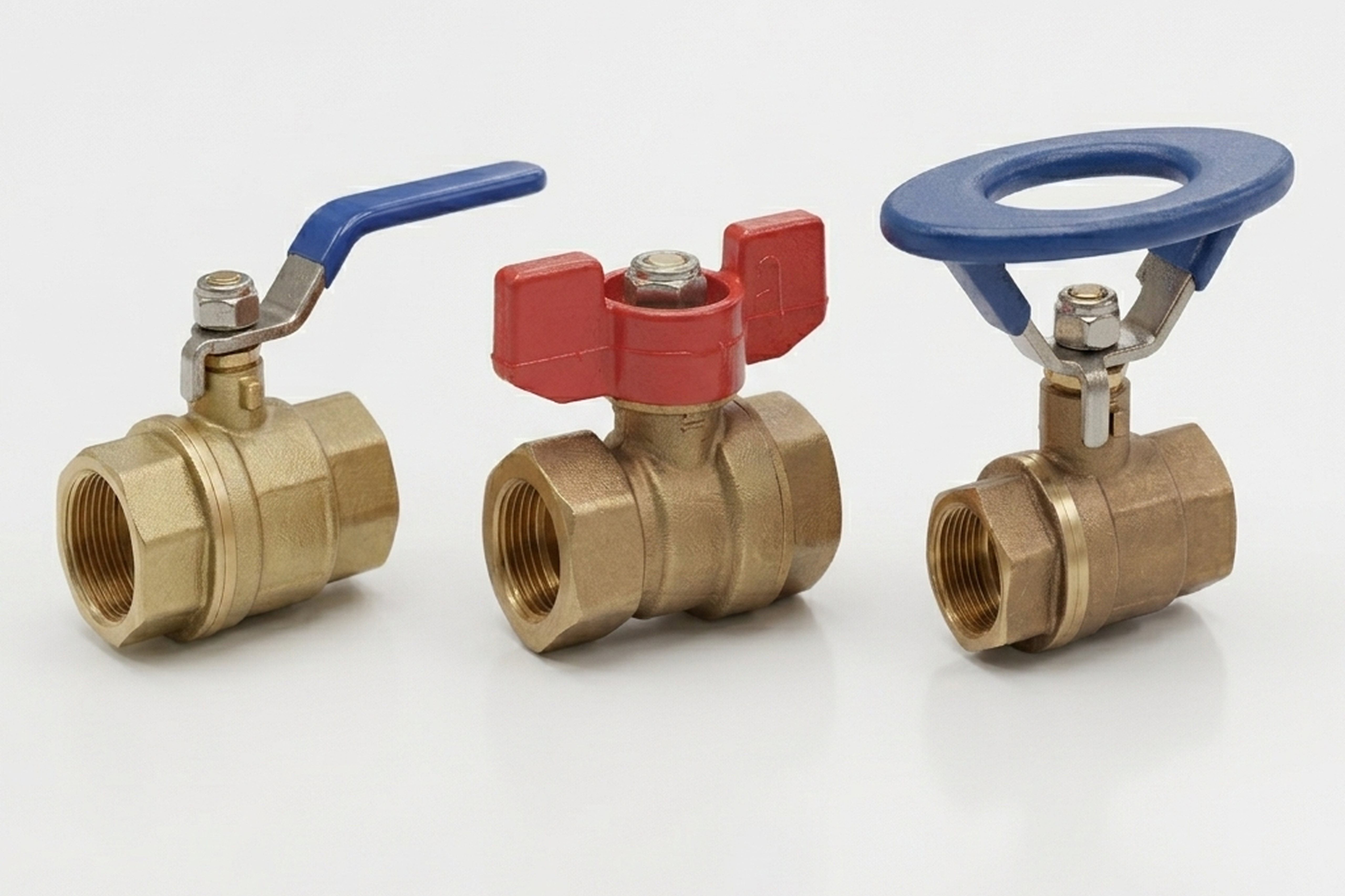
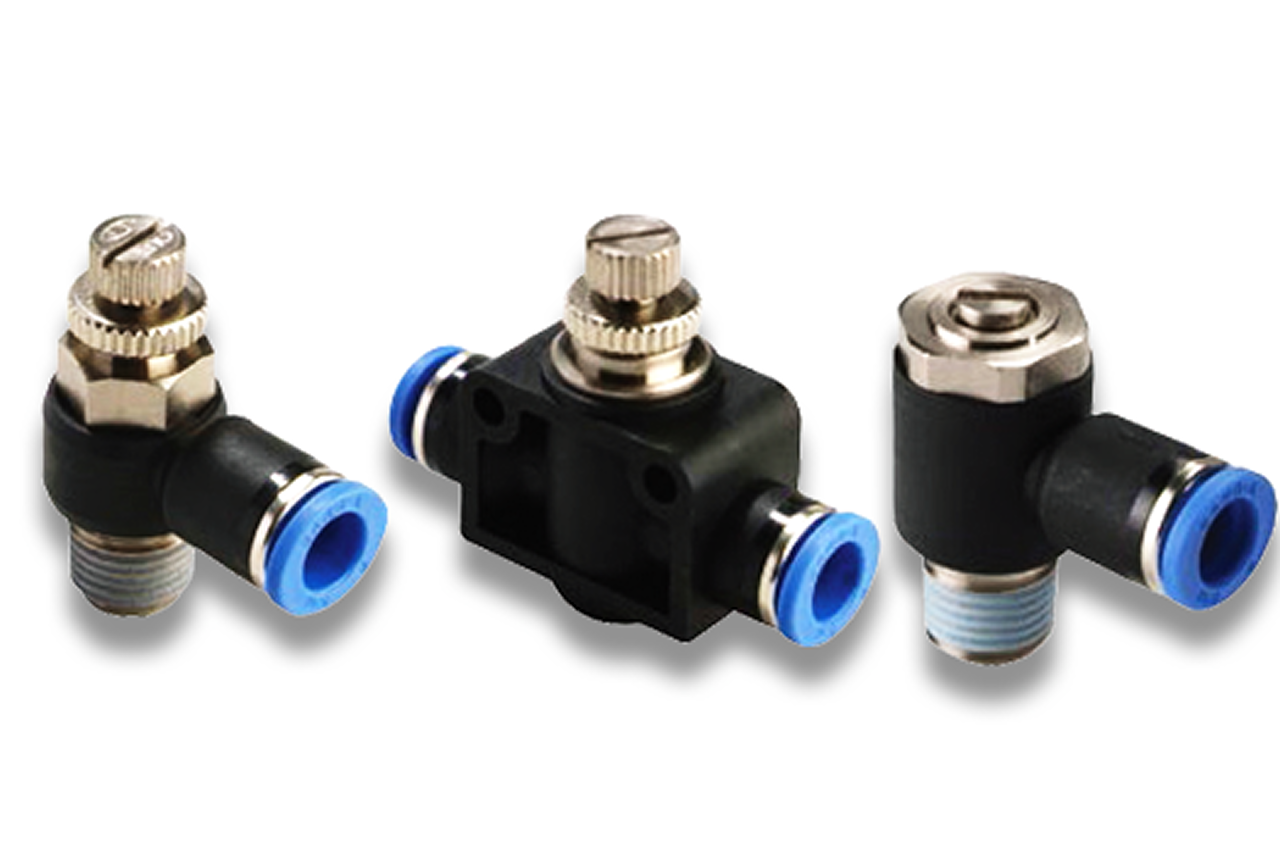
Stock check valves in box quantities of 50 or 100 at the manufacturer's volume break. A 16-cylinder load-holding machine consumes 20-50 checks per build; plants doing infrastructure refresh roll through cases. Pilot-op and standard inline often stock separately — they're different SKUs.
Send us the application — a specialist routes you to the correct tier with a configured part. Lead-times and pricing returned within one business day.
—. We reply within one business day with pricing, lead-time, and configured parts.