DISTRIBUTOR-FIRST SUPPLY PARTNER · SINCE 1999 Live · Compressed Air System

Synthetic compressor oil registered for incidental food contact — the lubricant a food, beverage, or pharmaceutical plant specifies when its audit demands an audit-cleared fluid on any compressor that could place oil, or oil-laden compressed air, near product. Built on H1-cleared synthetic base stocks and supplied in standard ISO viscosity grades (the international viscosity scale — ISO 32, 46, 68 are the common food-grade grades), and selected by OEM cross-reference against whatever proprietary-branded fluid the unit currently runs. Looks, pours, and fills like any other synthetic compressor oil; the difference is the registration on the paperwork.
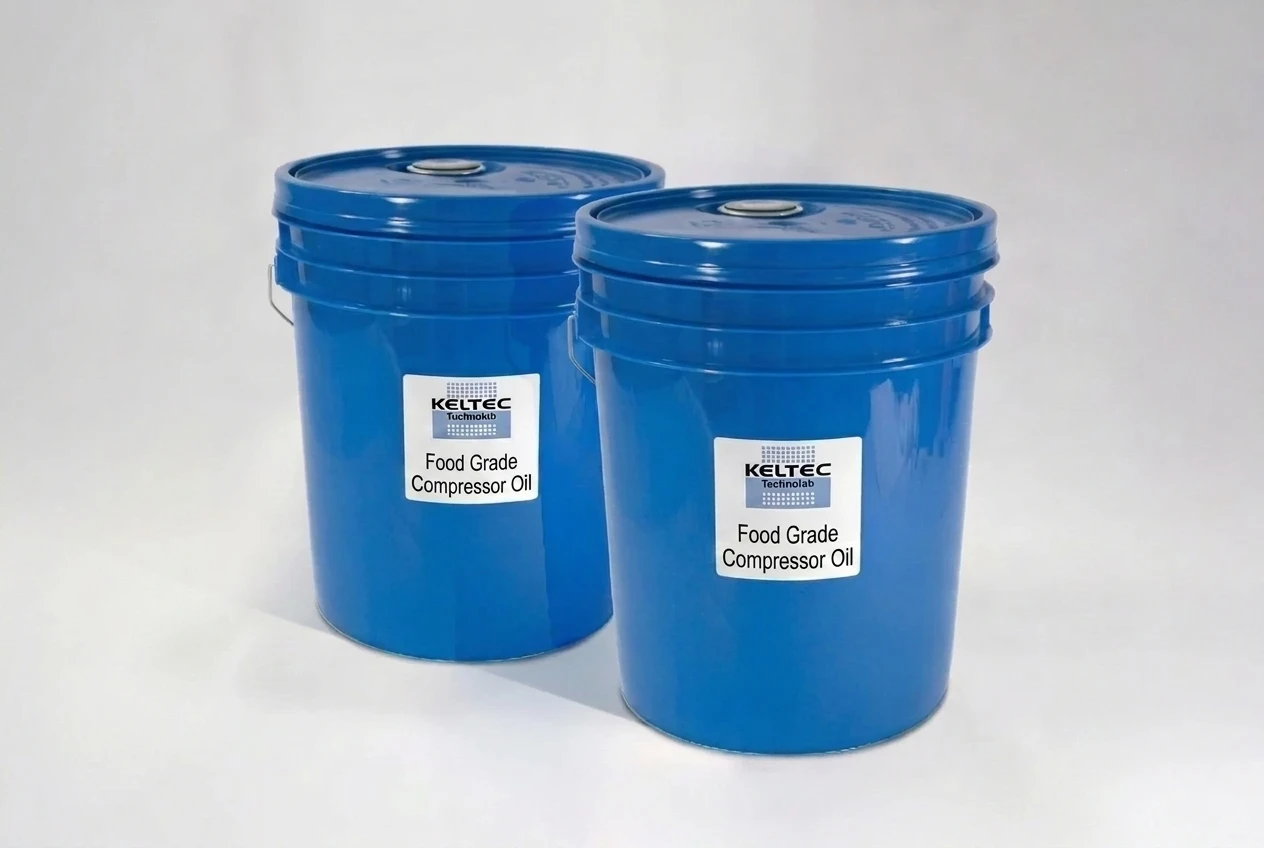
Tips and pointers on when food-grade H1 is required — and what the audit actually looks for. Scroll the strip →
Customer isn't shopping the oil — they're shopping audit defense. NSF H1 registration document ships with every fill and goes straight into the lube log. The binder is what passes the audit, not the gallon.
OEM aftermarket equivalent H1 oils cross-reference to Roto-Foodgrade, Sullube FG, QuinSyn FG, IR Ultra FG Coolant — 25-40% lower per gallon with equivalent H1 registration.
H1 chemistry is more constrained than standard packages, so ~6,000 service hours per drain against ~8,000 for non-H1 synthetic. Still well above the 2,000-4,000 of mineral; TCO-positive against the OEM-branded H1.
Open every food/pharma conversation with: "Does your audit require H1 on the compressor?" If yes → H1 cross at matching ISO grade (typically 32/46/68), registration number on the quote. If no → route to standard synthetic. Then ask about plant-wide consolidation (some H1 lines cover compressor + hydraulic + gear-drive in one SKU).
No audit-driven H1 requirement = no reason to pay for H1. Shorter intervals, higher per-gallon cost, no performance upside. → Re-spec to standard synthetic for packaging machinery, automotive assembly, general MRO.
Consolidating H1 SKUs by substituting a "close" ISO grade is an audit-finding waiting to happen — the OEM spec governs and the auditor checks it. → Match the OEM ISO grade exactly; one H1 SKU per compressor model, not per plant.
Air-oil separator targets <3 ppm but never reaches zero — on a food line, ANY measurable trace is a finding. → Add a 0.01 micron coalescer at compressor discharge; H1 + coalescer is the audit-defensible architecture.
From the machine spec sheet → to the part number. Answer what you know — leave the rest blank — and send.
Most distributors sell one brand per product type. SPC's 60-brand portfolio means every Product Type page surfaces three real options matched to how your customer is buying today. Pick the tier; the quote desk handles the cross-reference.
The customer with a food-grade requirement is not price-shopping the oil — they're buying audit defense. Sell the registration, not the gallon.
Each industry below uses this product across the listed areas. Open an industry to see how it fits the rest of its system.
 Food & Beverage Processing →
  Pharmaceutical, Medical Device & Laboratory →
  Chemical & Petrochemical →
  General Manufacturing →
 Also applies to Plant-wide H1 consolidation · High-value vendor-lock conversation
Every entry is a real product on this site — linked, not just named. Quote them on the same line item.
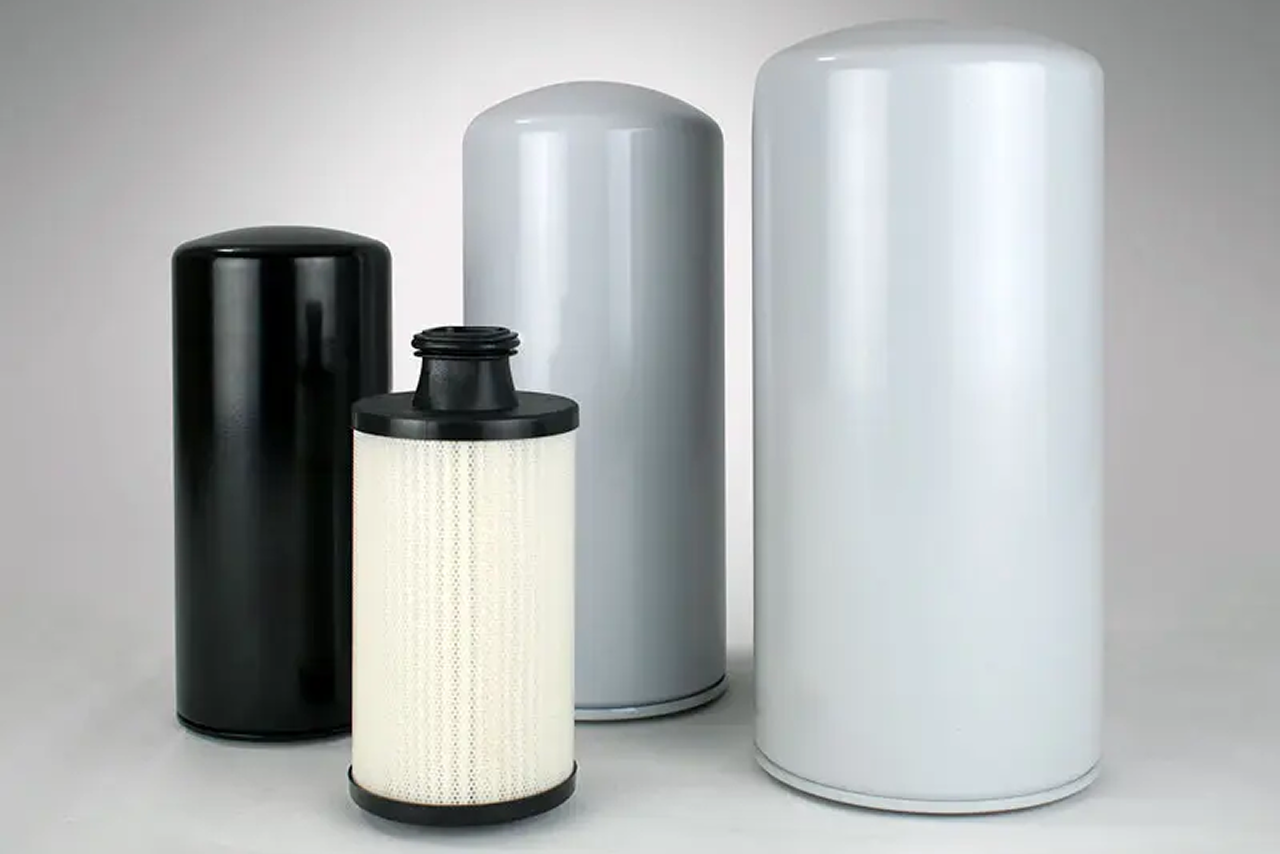
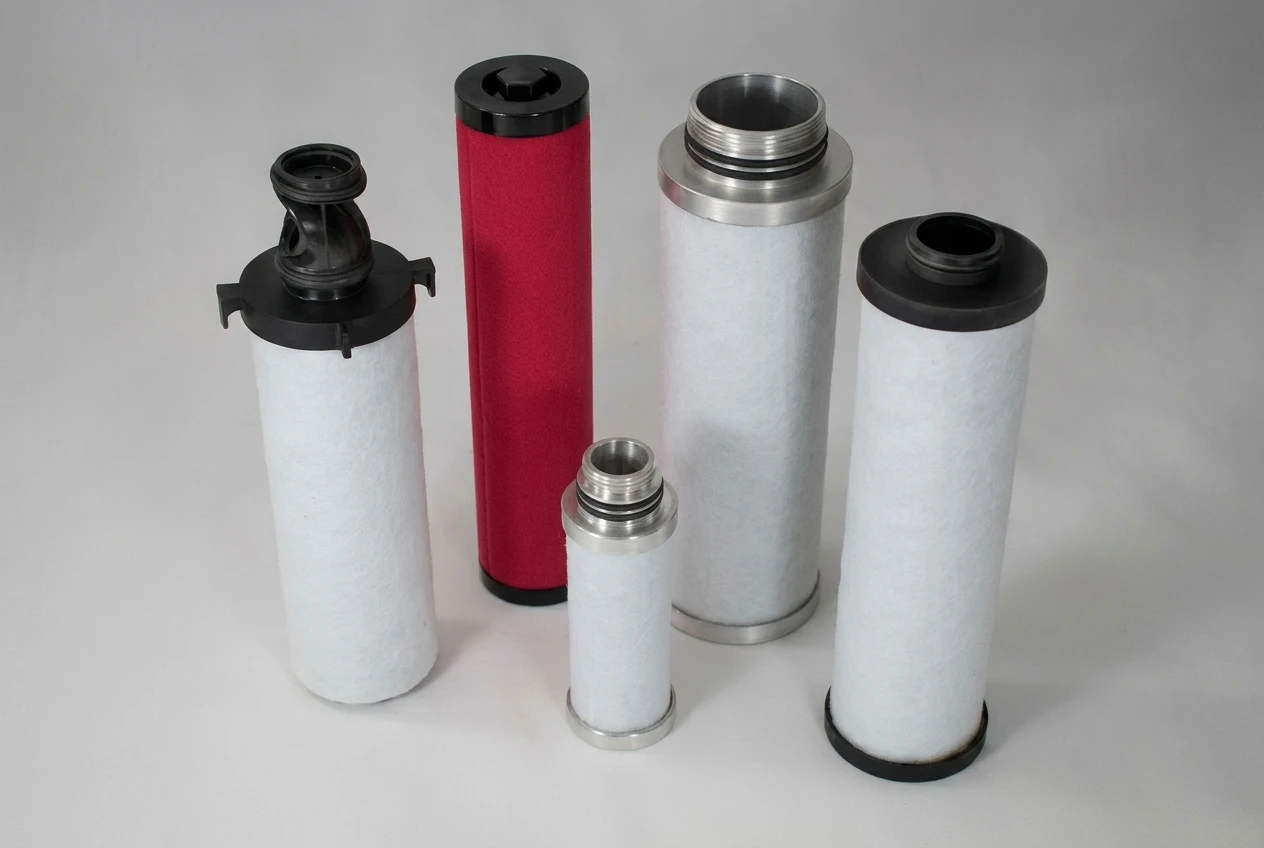

Stock 55-gallon drums at the customer's site once they're past the initial conversion. Food-grade customers are recurring on the audit cycle — drum-quantity pricing locks the multi-year supply and the registration paperwork burden stays with you. Ship the NSF H1 registration document with every drum — it goes straight into the audit binder, and the binder is what keeps the account away from competitor catalogs.
Send us the application — a specialist routes you to the correct tier with a configured part. Lead-times and pricing returned within one business day.
—. We reply within one business day with pricing, lead-time, and configured parts.