DISTRIBUTOR-FIRST SUPPLY PARTNER · SINCE 1999 Live · Compressed Air System

SPC Company
Compressed Air / Service / MRO / Compressor Service Parts / Compressor Service Valve — Replacement
Layer 08 · Service / MRO Emerging · Conrader
01What it is

Compressor Service Valve — Replacement

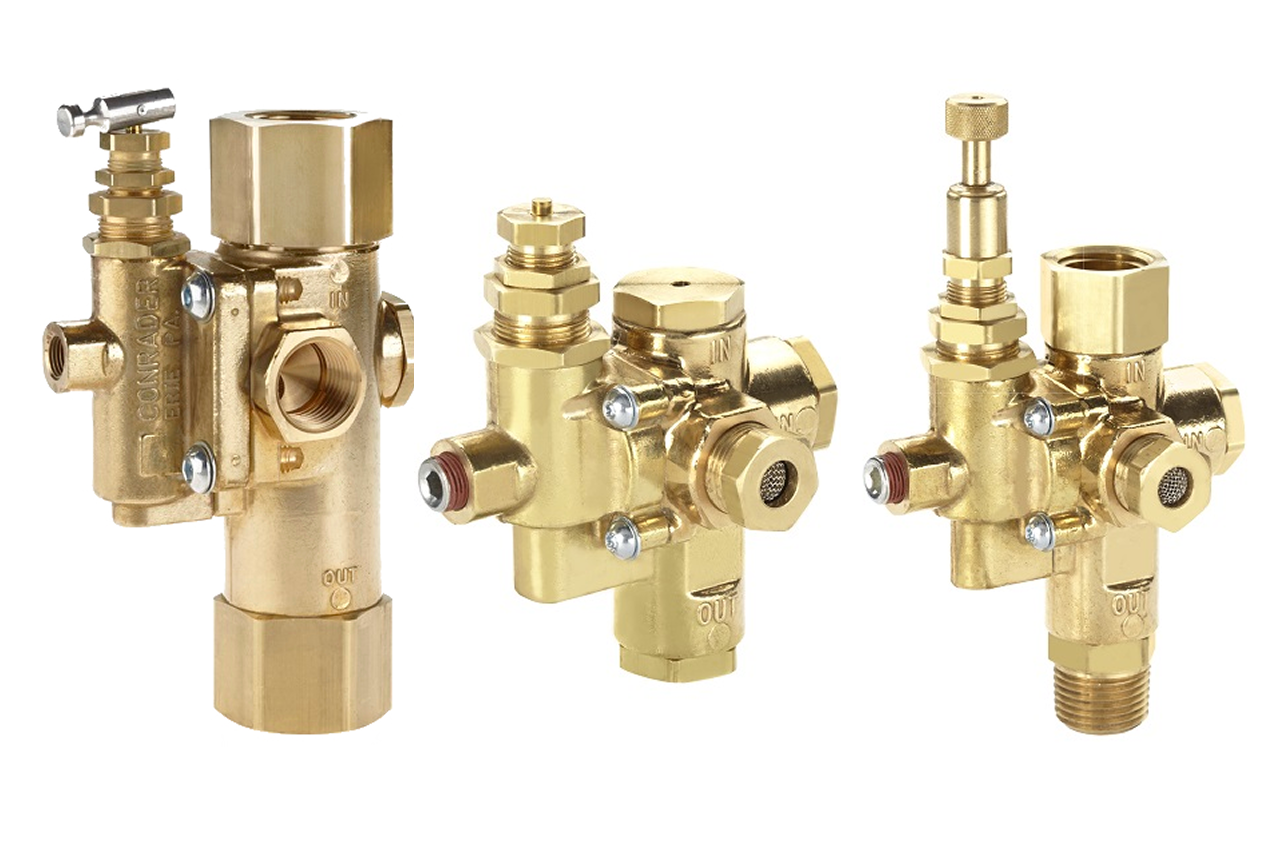
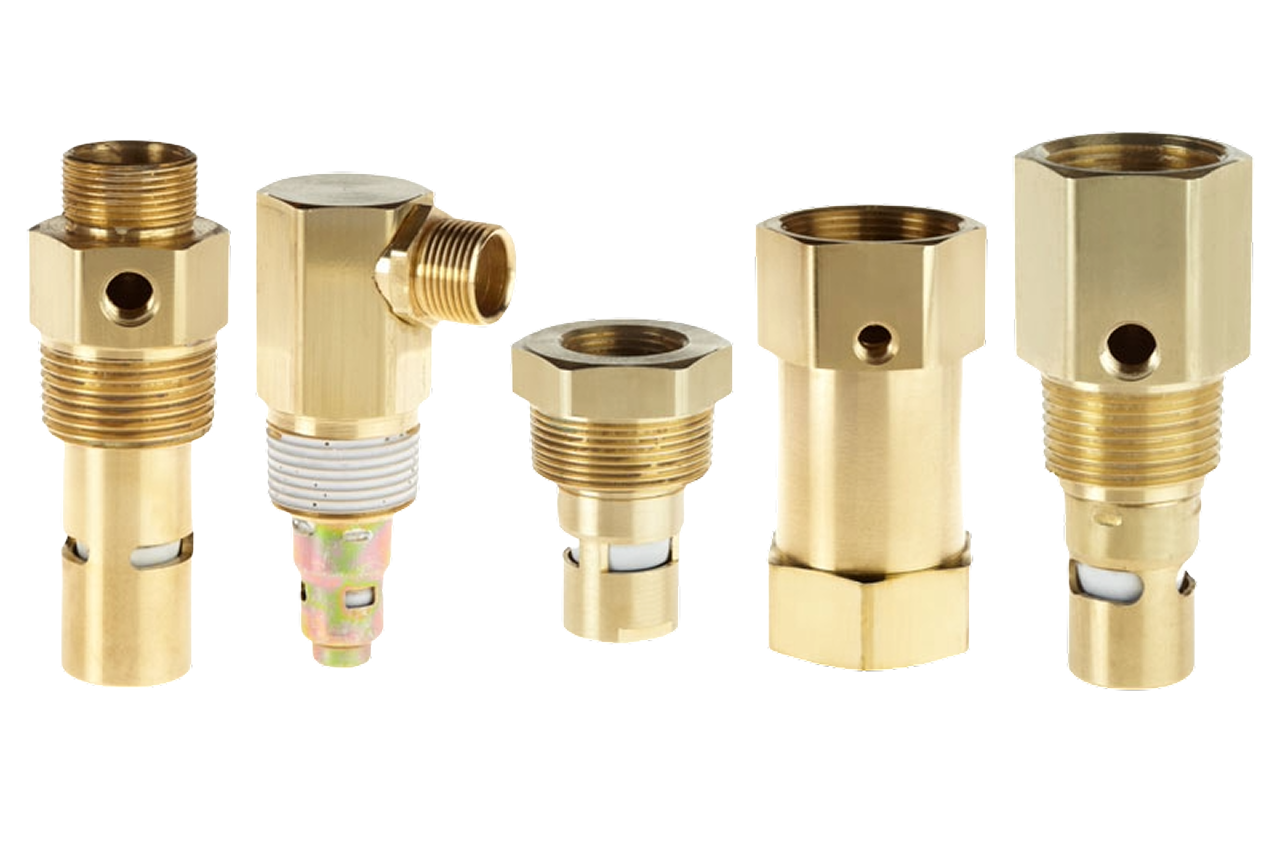
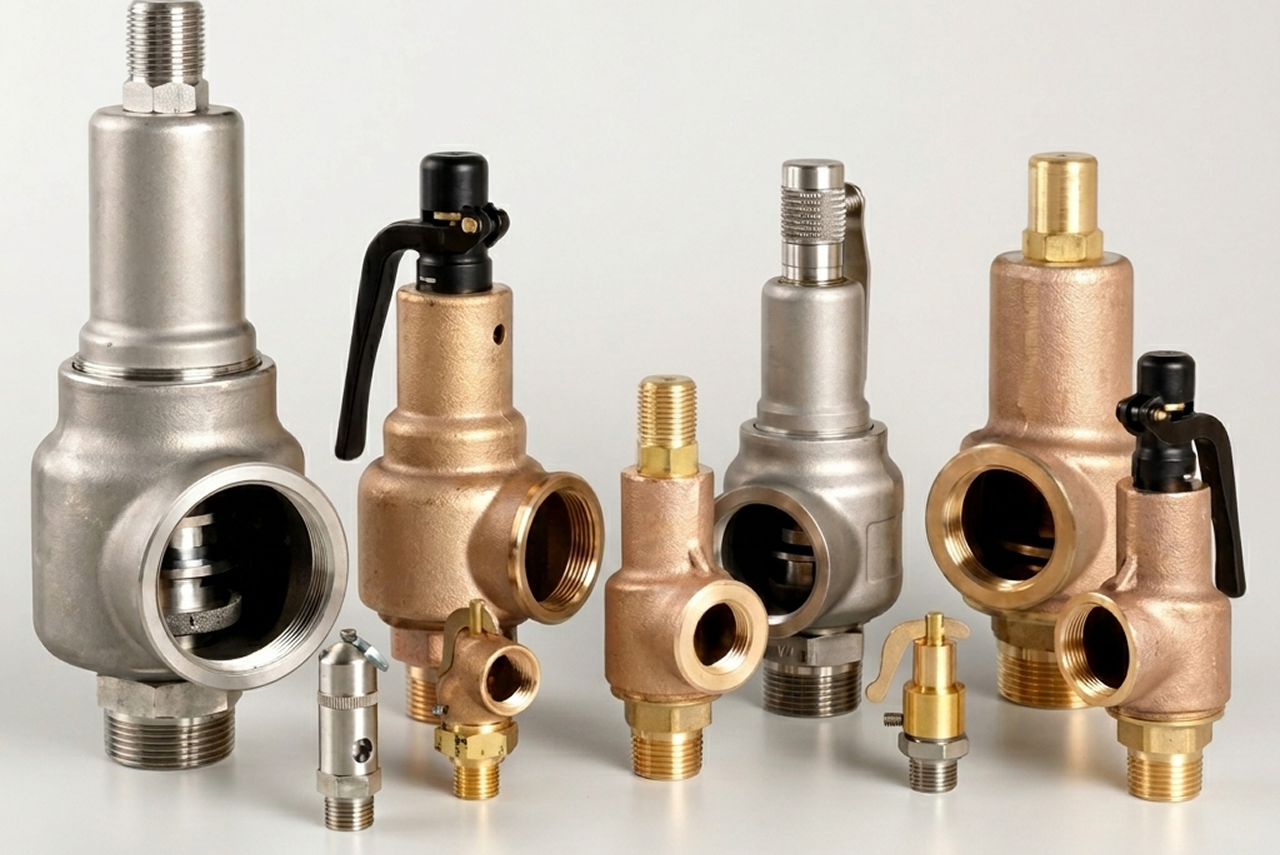
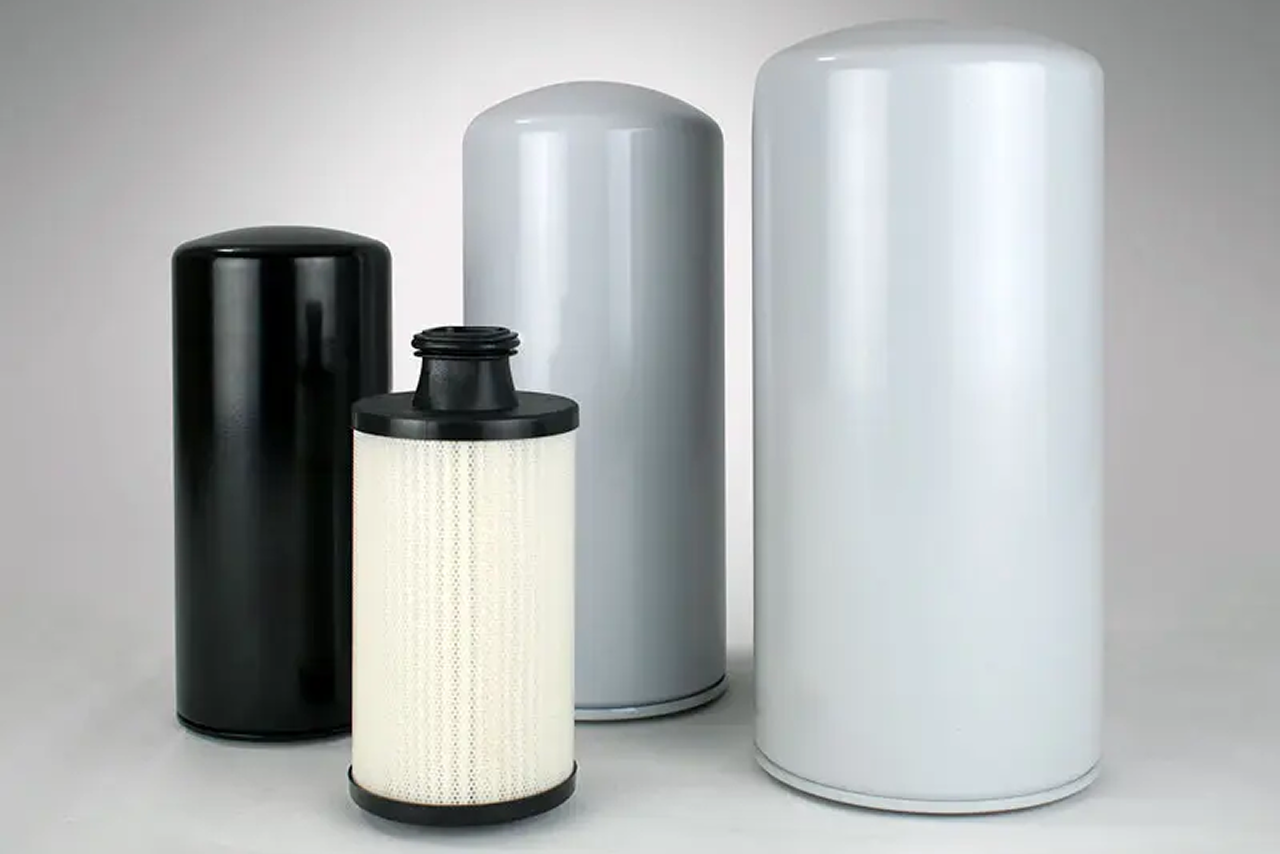
A compressor service valve replacement is an aftermarket cross-reference to one of the four control and safety valves that govern how an air compressor loads, unloads, holds pressure, and protects itself — the unloader valve, the inlet control valve, the discharge check valve, and the safety relief valve. The replacement is matched by the OEM (original equipment manufacturer — the brand that built the compressor) make, model, and HP, plus port size, pressure rating, and connection type. Installed at the same location as the original failed valve, it returns the compressor to service without sourcing through the OEM channel. Unlike the scheduled oil and filter consumables, these are failure-driven wear parts — replaced when a symptom appears rather than on a fixed interval. They sit in the Service-MRO (maintenance, repair, and operations) layer of the compressed air system.
Where it's used General Manufacturing
General Manufacturing application
02Why it's needed

Why this matters.

Tips and pointers on when the aftermarket valve cross is the right call — and when the failure points somewhere else. Scroll the strip →

01 · Key point
It saves 40-60% vs OEM list.

OEM aftermarket equivalent catalogs cross-reference by OEM make/model/HP — same body, same seat, same pressure rating, often the same underlying manufacturer behind both labels. OEM list runs nearly double for an identical-spec part.

02 · Key point
Same-day ship beats OEM.

OEM channel ships from a regional warehouse, often 2-3 days. Compressor downtime runs $500-2,000/hour; the distributor that identifies and ships the right cross within hours wins the next ten years of MRO on the account.

03 · Key point
Symptom maps to the valve.

Hard-start = unloader failed closed. Won't cycle off = inlet valve stuck open (rotary) or unloader stuck open (recip). Overnight pressure drop = discharge check leaking back. Weeping at operating pressure = safety relief aged or mis-rated.

04 · Pro tip
Cross by photo, three parameters.

Lead with: "Photo the failed valve, the nameplate, and the port connection." Resolve port size, pressure rating, and connection type → OEM aftermarket equivalent cross — whichever catalog crosses cleanest. Mismatched port = leak path; mismatched rating = weep or no actuation; mismatched connection = won't install.

05 · Where not to use
Inside the OEM warranty window.

New-unit warranty terms vary and an aftermarket valve can complicate a claim. → Use OEM during warranty; convert to the aftermarket cross at first post-warranty failure. Quote the kit-on-the-shelf at the same time.

06 · Where not to use
Receiver safety valves without ASME.

Safety relief on a receiver tank is a code item — ASME certification on the replacement is non-negotiable in any code jurisdiction. → Confirm ASME-stamped on the cross-reference part; setpoint stays ~25 PSI above max operating pressure.

07 · Where not to use
Small portable / pancake units.

Integrated valves at the pump head, not serviceable as discrete parts — there's no aftermarket cross for a 1.5 HP pancake. → Route to whole-pump or whole-compressor replacement; don't quote a service-valve cross.

03Key selection criteria

What we need to spec it right.

From the machine spec sheet → to the part number. Answer what you know — leave the rest blank — and send.

01 · Input
Photo the nameplate — drives the cross-reference. Type determines which valve family applies: recips use pilot-unloaders at the head; rotary screws use inlet control valves at the air-end intake.
Type: reciprocating · rotary-screw · OEM example: Atlas Copco · Quincy · Sullair · Ingersoll Rand · Chicago Pneumatic · Champion
02 · Input
Pattern-match the symptom to identify the failed valve before quoting.
Hard-start / motor strain = unloader failed closed · Won't cycle off = inlet valve stuck open (rotary) or unloader stuck open (recip) · Overnight pressure drop = discharge check leaking back · Weep at operating pressure = safety relief aged or mis-rated
03 · Input
Pull the part number off the body of the old valve where legible — the fastest cross. OEM aftermarket equivalent catalogs map OEM part numbers directly to aftermarket equivalents, no diagnosis needed once the number is in hand.
OEM part number (legible) · Photo of valve body stamp · Unknown — diagnose by symptom
04 · Input
Must match the original exactly. Mismatched port = leak path; mismatched rating = either weeps or won't actuate; mismatched connection = won't install. Measure NPT thread; read rating off body stamp.
NPT port: 1/8" · 1/4" · 3/8" · 1/2" · 3/4" · 1" · Pressure: 100 PSI · 150 PSI · 200 PSI · 250 PSI · Safety relief: ASME-stamped (code requirement)
05 · Input
Emergency replacement plus shelf-spare locks the multi-year MRO relationship. Downtime at $500-2,000/hr makes a $150 spare obvious math. Fleet of same-model compressors? Quote the spare-kit package.
Single valve (emergency replacement) · Valve + shelf-spare · Spare-kit package (unloader + check + safety relief, 10-15% under piece-by-piece) · Multi-compressor: 1 kit per OEM make/model

Need different sizes, colors, or quantities? Fill the form, add to quote, then fill again — each click is one quote line.

04Choose your solution tier  ·  core differentiator

Whatever your lever — spec, value, or price — SPC has the right brand.

Most distributors sell one brand per product type. SPC's 60-brand portfolio means every Product Type page surfaces three real options matched to how your customer is buying today. Pick the tier; the quote desk handles the cross-reference.

05How to sell this  ·  distributor talk track

The tier conversation closes the deal. The cross-reference catalog wins the next one.

Service valves don't get bought — they get demanded. The customer with a failed unloader is not comparing your price to a catalog; they're comparing your speed-to-cross-reference and same-day-ship against their downtime cost-per-hour.
The SPC difference · how distributors actually buy

The 30-second positioning

The service-valve sale has three layers. First, symptom-to-part diagnostic. The customer rarely calls and says "my unloader is bad"; they call and say "my compressor won't start" or "it won't shut off" or "I lose pressure overnight." Pattern-match the symptom in one question:
• Hard-start, motor strain, contactor chatter → unloader valve failed closed; head pressure isn't venting.
• Compressor runs continuously and won't cycle off → inlet control valve stuck open (rotary screw) or unloader stuck open (recip).
• Pressure in the receiver drops overnight even with all leaks fixed → discharge check valve leaking backward.
• Safety valve discharging at normal operating pressure or weeping continuously → safety relief valve aged, contaminated, or wrong-rated.

Second, OEM cross-reference. Once the failed valve is identified, the customer needs a part matching port size, pressure rating, and connection type to the original. OEM aftermarket equivalent catalogs cover Atlas Copco, Quincy, Sullair, Ingersoll Rand, Chicago Pneumatic, ABAC, Kaishan, and most other major brands. Lead with the cross: "Photo the failed valve, the compressor nameplate, and the port connection — I'll quote the aftermarket equivalent and we'll ship today."

Third, spare-on-the-shelf. Once you've sold the emergency replacement, sell the customer the same valve on the shelf for next time. Compressor downtime at $500-2000 per hour makes a $150 spare a no-brainer; a maintenance department that's been burned once will pre-stock willingly.

Catalog tier: Primary OEM aftermarket equivalent catalog — broad OEM coverage, U.S.-distributed, single aftermarket source for the full service-valve family. Secondary catalog covers the full valve family (unloader, inlet, check, safety relief, combination piloted unloader-check) with strong coverage on Atlas Copco / Quincy / Sullair crosses. Quote whichever ships fastest on a given OEM-to-part lookup.

Customer cue → talk move

"My compressor won't start / motor straining"
Unloader replacement. Did the compressor recently shut down under load? If yes, head pressure didn't vent — confirm unloader is the failure, not a stuck contactor or check valve. Quote aftermarket cross + ship same-day.
"Compressor runs nonstop, won't cycle"
Inlet control valve (rotary screw) OR unloader stuck open (recip). Confirm machine type. On rotary screw, rule out the pressure-switch setpoint before quoting the valve.
"Tank pressure drops overnight"
Discharge check valve. The non-obvious part: replace the check AND inspect the seat at the receiver tank connection — both can leak. A new check against a damaged seat seeps within weeks.
"Safety valve is dripping / hissing"
Safety relief replacement, plus check the discharge pressure setpoint against the safety valve rating. Safety valve should be set ~25 PSI above maximum operating pressure. Weeping at normal operating pressure means fouled, aged, or rated too tight.
"My OEM wants $X for the same part"
Aftermarket cross is typically 40-60% under OEM list with equivalent or longer warranty. Quote with the OEM part number on the line AND the aftermarket cross so the maintenance team can verify the spec match.
"Can I just rebuild the old valve?"
For larger unloaders and check valves, sometimes — but labor almost always exceeds new-valve cost, and rebuilds ship from third parties with no warranty. New aftermarket is the standard; rebuilds are an edge case.
"I want to keep one of each on the shelf"
Sell the spare-kit package. Quote unloader + check + safety relief for the customer's specific compressor as a kit; price it 10-15% under buying piece-by-piece. Locks the multi-year MRO relationship.
06Where it's used

Industries served.

Each industry below uses this product across the listed areas. Open an industry to see how it fits the rest of its system.

Also applies to Rotary screw compressors (oil-injected, all major brands) · 2-3 sets of these valves · Reciprocating (piston) compressors · Combination piloted unloader-check (continuous-run service) · Receiver-tank installations (any compressor with downstream receiver) · Code-required for receivers above certain sizes · Two-stage piping into intercooler / aftercooler assemblies · NOT typically used in: small portable / consumer / pancake compressors.

09Install · 6 critical steps

The things that matter on the first install.

Step 01
De-pressurize the system and lock-out before opening anything
Shut the compressor off at the disconnect, vent the receiver to zero, tag-out the disconnect. Service valves sit on the pressure boundary; opening one with the system pressurized is dangerous. Document the lock-out in the customer's maintenance log.
Step 02
Photo the failed valve in place before removal
Note port size, threading direction, position, and any pilot tubing connections. The replacement must match these exactly — a photo is faster and more accurate than measurement after removal, and it lets you cross-reference with the supplier if the diagnosis isn't confirmed.
Step 03
Match port size, pressure rating, and connection type to the original
OEM aftermarket equivalent catalogs sort by these three parameters plus the OEM cross. Mismatched port = leak path; mismatched pressure rating = either weep or non-function; mismatched connection = won't install. Confirm all three against the failed valve before ordering.
Step 04
Use thread sealant rated for compressed-air service
PTFE (polytetrafluoroethylene — the "Teflon" tape standard for threaded fittings) pipe tape OR liquid thread sealant — NOT plumber's putty, NOT silicone caulk. The seal must hold against pressure cycling, vibration, and temperature swing for years. Apply per the manufacturer's instruction; over-application clogs adjacent passages.
Step 05
Test the replacement under cycling pressure, not static pressure
Restart the compressor, run a full load/unload cycle, check for leaks and correct function (unloader vents on stop, check holds on stop, safety doesn't weep). Static pressure tests miss intermittent leaks; cycle-test on the bench before declaring the repair done.
Step 06
Verify the safety valve setpoint and update the maintenance log
Safety valves get bumped or accidentally adjusted during service in the discharge area. Confirm the setpoint is correct (typically 25 PSI above max operating pressure) and functions on test-pull. Log the replacement date, OEM part number, and aftermarket cross part number — service valves are failure-driven, but the failure-mode trend matters (a customer replacing unloaders every 6 months has a different problem than one replacing them every 5 years).
10Troubleshoot · top failures

Most returns trace to one of these causes.

Symptom
Most likely cause
Fix
New unloader installed, compressor still won't start cleanly.
Head-pressure vent path still blocked downstream of the new unloader, OR the check valve has also failed (holding head pressure even with unloader open), OR the unloader was installed backward, OR the motor starter / contactor welded contacts from the prior failure.
Confirm the unloader is venting (audible discharge at shutdown). If yes but no clean start, replace the check valve too — they often fail together on aged compressors. If no audible vent, re-check orientation and connections. If both valves are confirmed good, inspect the starter contacts.
Replacement check valve still allows backflow.
Receiver-side seat is damaged (new valve seated against a worn seat = re-leak), OR debris from the prior valve failure is lodged in the new seat, OR the valve is rated below operating pressure, OR install orientation is wrong.
Pull the new valve, inspect the seat surface AND the mating connection on the receiver side. Clean any debris. Replace the mating connection if visibly damaged. Confirm the orientation arrow matches flow direction. Re-test under full cycle pressure.
Safety valve weeps at normal operating pressure.
Safety valve rated too close to operating pressure (margin too thin), OR aged/fouled and the seat seal has degraded, OR operating pressure is creeping above the original spec without anyone noticing.
Check actual operating pressure against the pressure-switch setpoint AND against the safety valve rating. Safety valve rating should be ~25 PSI above max operating. If the margin is right and the valve still weeps, replace — aged safety valves are not field-rebuildable. If margin is wrong, dial the pressure switch back OR upsize the safety valve.
Inlet control valve on rotary screw hunts or oscillates between load and unload.
Pressure-switch differential too tight, OR pilot air signal restricted, OR new inlet valve's spring/seat tolerance differs from the old, OR demand is right at the load/unload threshold and the system is sensitive.
Widen the pressure-switch differential (typically 10-20 PSI between cut-in and cut-out). Inspect pilot tubing for kinks or blockage. If the new valve is hunting where the old one didn't, swap for an OEM-spec match — generic crosses can have different actuation curves.
Combined unloader-check unit shows weep at the discharge port after replacement.
Combination units have two seals in series; one or both can fail at install. Most common: contamination or improper sealant on assembly. Less commonly, the piloted unloader is opening at incorrect setpoint and releasing through the discharge path.
De-pressurize, pull the combination unit, inspect both seal surfaces. Reclean and reinstall with fresh thread sealant. If it still weeps, confirm the pilot pressure tap is on the correct port for that compressor's control architecture — incorrect tap location causes mis-staged opening.
Aftermarket cross doesn't actuate the same as the OEM valve it replaced.
Spec match on port + rating + connection is correct, but the actuation curve (the spring rate or pilot-pressure setpoint) differs from the OEM. The aftermarket and OEM are spec-compatible, not actuation-identical.
For inlet valves and combination units, swap to the catalog's OEM-spec match (OEM aftermarket equivalent catalogs label which crosses are spec-identical vs. spec-compatible). For unloaders and check valves, actuation difference is rarely a problem — confirm the symptom isn't a different underlying issue before swapping out a spec-compatible cross.

Get the right compressor service valve — replacement on quote in 24 hours.

Send us the application — a specialist routes you to the correct tier with a configured part. Lead-times and pricing returned within one business day.

Request a quote