DISTRIBUTOR-FIRST SUPPLY PARTNER · SINCE 1999 Live · Compressed Air System

An inlet control valve is the throttle on a rotary-screw compressor's intake — a butterfly or poppet valve mounted to the air-end intake throat, downstream of the intake filter and upstream of the rotors. A fixed-speed air-end runs at a single RPM, so the only way to match output to changing demand is to control how much air it's allowed to breathe in. When the control panel calls for air the valve sits fully open; when system pressure reaches cut-out the valve slams closed and the air-end spins against no resistance, drawing parasitic horsepower only. Selected by cross-referencing the OEM compressor make, model, and HP to an aftermarket part number — year-of-manufacture variants often require different valve bodies, so a serial-number-level cross-reference is the safest path.
Tips and pointers on when the inlet control valve is the right call — and when the symptom belongs to a different part. Scroll the strip →
Throttles the air-end intake between full-open and full-closed so the motor stays at a single steady RPM — the difference between roughly 90 kW loaded and 25-35 kW unloaded on a 100 HP screw. Replaces the impossible alternative of starting the motor 30+ times an hour.
Closed disc blocks pressurized hot oil-laden air from the separator tank blowing back through the rotors on every stop. Oil weeping at the intake filter housing is the unmistakable signature of seal failure.
Atlas Copco, IR, Sullair, Quincy, Kaeser, Gardner Denver sell their own valves at full list with multi-week lead. Leading-tier aftermarket crosses ship same-day from US stock at roughly half the price — textbook aftermarket capture.
Year-of-manufacture variants within the same model line use different valve bodies — the single most common cross-reference miss. Capture make, model, HP, and serial before quoting. With the intake housing off, watch the valve on a commanded unload to isolate body vs. solenoid before shipping the wrong part.
Small recips manage starting with an unloader and a check valve — no inlet throttle in the design. → Re-spec to an unloader valve for any reciprocating machine without a rotary-screw air-end.
Stuck-closed unloader produces the same surface symptom as a stuck-open inlet. If the valve moves on a commanded unload but the machine still runs full-load, → Re-spec to an unloader-valve cross — replacing the inlet won't fix the wrong part.
Aftermarket cross-reference voids most factory warranties on the air-end and control package. → Re-spec to the OEM-genuine valve until warranty expires, then convert to the cross at the first post-warranty service event.
From the machine spec sheet → to the part number. Answer what you know — leave the rest blank — and send.
Most distributors sell one brand per product type. SPC's 60-brand portfolio means every Product Type page surfaces three real options matched to how your customer is buying today. Pick the tier; the quote desk handles the cross-reference.
If the customer's rotary-screw is hard to load, hard to unload, or oil is weeping from the intake on every shutdown — the inlet control valve is the first part to suspect and the easiest aftermarket cross to win.
Each industry below uses this product across the listed areas. Open an industry to see how it fits the rest of its system.
Also applies to Fixed-speed industrial rotary-screws, 25-200 HP plant range · $400-$1,200 · Fixed-speed lubricated rotary-screws, 5-25 HP commercial range · VFD rotary-screw compressors · Aging installed-base machines past OEM warranty · 8-15+ years old · Compressors with confirmed seal failure (oil blowback) · Compressors with load/unload control issues · Multi-machine rotary-screw fleets on service-route agreements
Every entry is a real product on this site — linked, not just named. Quote them on the same line item.
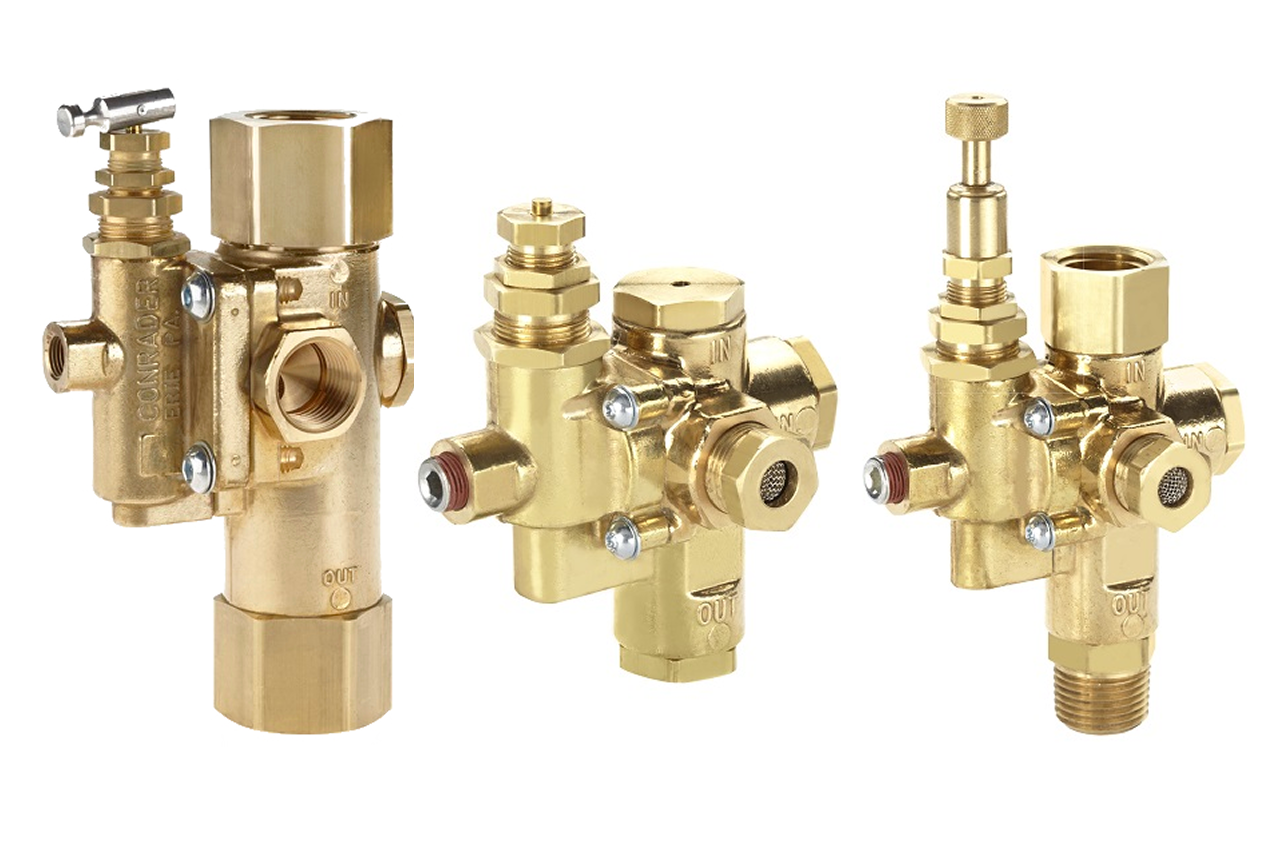
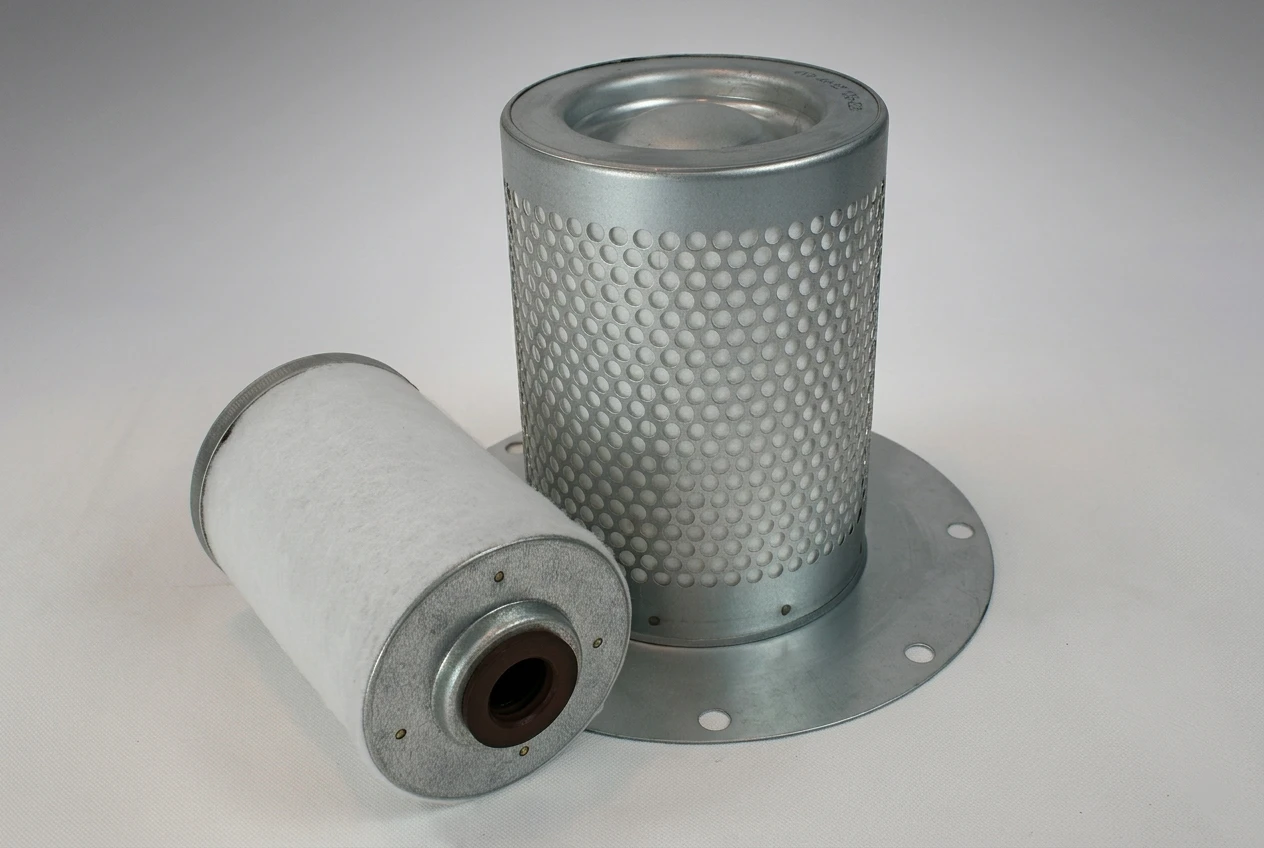
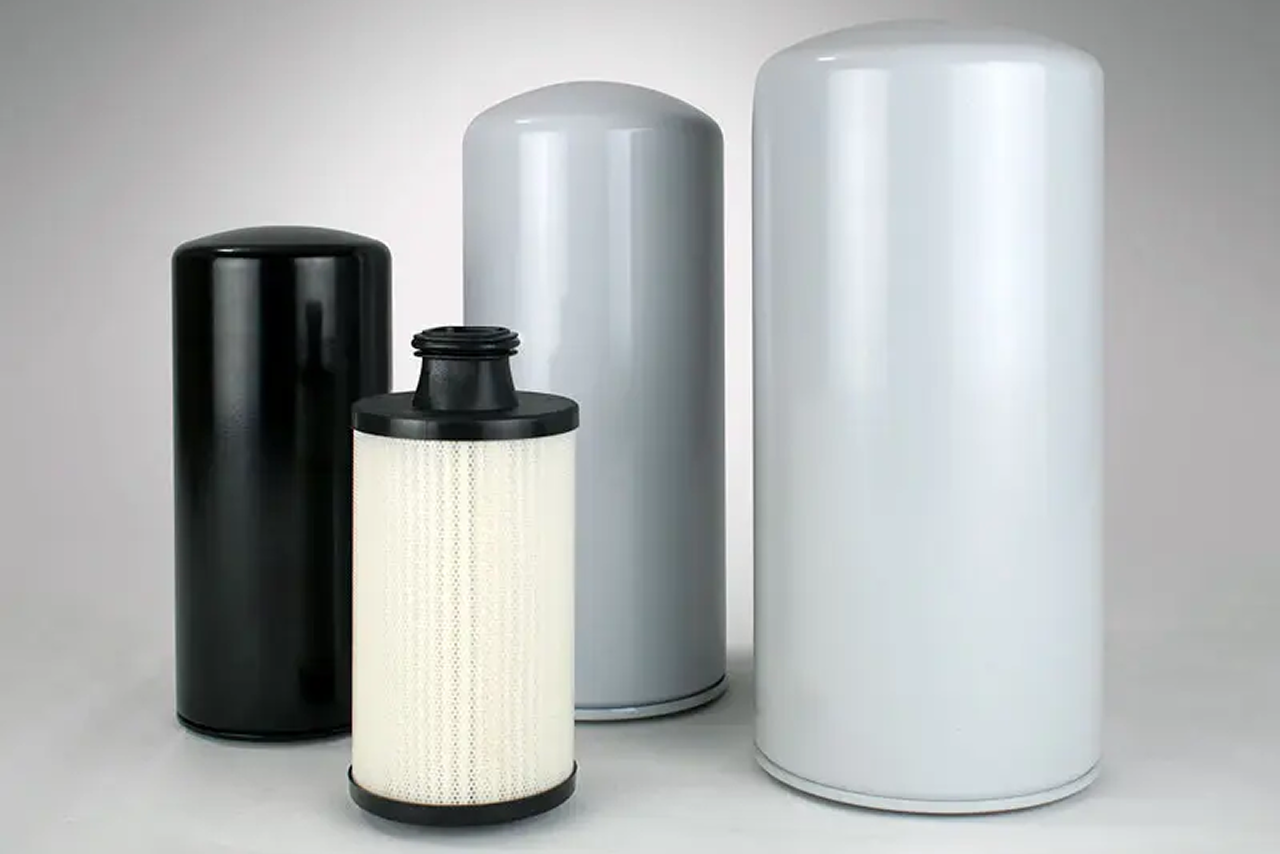

Service-route customers stock 1-2 inlet-valve crosses per common compressor model on the truck. The control-valve bundle (inlet + unloader + thermostatic) is the natural pre-pack.
Send us the application — a specialist routes you to the correct tier with a configured part. Lead-times and pricing returned within one business day.
—. We reply within one business day with pricing, lead-time, and configured parts.