What it is
The layer that produces the measurements
Five instruments — flow, leak, dew point, ISO 8573-1 air quality, pressure — that turn nameplate-rated capital into a documented record.

Five instruments, five different measurements. Flow tells you what the plant uses; the leak detector tells you what it wastes; dew point tells you whether the dryer is working; the ISO 8573-1 analyzer tells you whether the air is compliant; the pressure sensor tells you whether the filters and points of use are healthy. This page walks each measurement, what it answers, and how to scope the right instrument to the audit or program that brought the customer in.
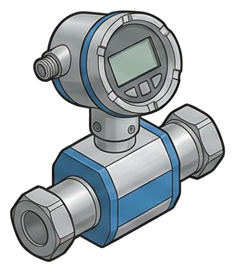 Thermal Mass Flow Meter Ultrasonic Leak Detector
 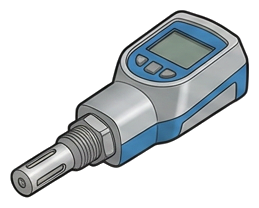 Dew Point Monitor
 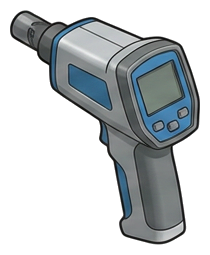 Air Quality Analyzer Iso 8573 1
 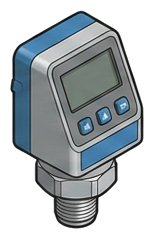 Pressure Sensor
 Tap any type to jump to its page. The Decision Guide further down asks three questions that funnel the spec to one of these.
Five instruments — flow, leak, dew point, ISO 8573-1 air quality, pressure — that turn nameplate-rated capital into a documented record.
Sizing a compressor, hunting wet air, defending an audit, running a leak program, or watching filters? Each question points to a different tool.
A thermal mass flow meter on the header plus an ultrasonic leak detector is the full energy-audit kit — every other decision anchors to flow.
Compressed air is the most expensive utility in most plants and the most unmeasured. Skip this layer and every upstream decision is a guess.
An instrument is only audit-grade if its calibration is current. Quote the calibration program from day one — annual, semi-annual for pharma.
A one-brand bench by design — calibration discipline and audit-grade documentation are the differentiators. Adsens carries the pressure volume.
Distributor-facing reading. The trade-off column is the one that closes the loop — every type buys something and gives something up. Knowing what each type costs you is how the right one gets on the quote without a callback.
Reading the brand bench column — the bar shows how many of SPC's tier slots (Industry Leader · Emerging · Economical · adjacent) carry an option at that product type. Monitoring is a deliberately narrow bench across the layer — CS Instruments dominates because the calibration discipline, condensation-insensitive sensing, and audit-grade documentation are the differentiators that separate audit instruments from shop-air instruments, and Adsens carries pressure because most pressure-sensor work doesn't need audit-grade calibration. Narrow benches here are the right answer, not a gap to fill.
Draw a line from the customer's answer at the top to the type name at the bottom. This is the page distributors screenshot and send to a customer the day before a quote call — so the customer comes prepared with the answers, and the call is about the brand and the budget, not the basics.
If the customer doesn't know which measurement they need, work the business problem backward: "what conversation made you call us?" An electric bill that jumped → flow meter + leak detector. A wet-air complaint at the tools → dew point monitor. An auditor's finding on compressed-air purity → ISO 8573-1 analyzer scoped to the parameters in the finding. Filters being changed on a calendar regardless of condition → pressure-sensor differential pair. The instrument follows the question, not the other way around.
What you can't measure, you can't manage — and what you don't manage is the largest line on your electric bill.
If the customer answers most of these at the first call, the second call is the quote. If they can't answer any, the system monitoring are rarely the only spec gap — flag it and push for a site walk.
Compressed air is the most expensive utility in most plants and the most unmeasured. Every other layer — the compressor, the dryer, the filters, the distribution — runs on assumptions about demand, dew point, leakage, and delivered pressure that almost nobody verifies until something breaks. The Monitoring layer is the instrumentation that closes that gap: a flow meter on the header that says what the plant actually consumes, a leak detector that converts invisible loss into a dollar-figure worklist, a dew point monitor that proves the dryer is hitting spec before wet air shows up at the tools, an ISO 8573-1 analyzer that produces the audit record a regulated customer has to put in front of an inspector, and a pressure sensor on every filter and point of use that turns calendar-based maintenance into condition-based maintenance. Get this layer wrong — or skip it entirely, which is the usual case — and every upstream decision is a guess. Get it right and the system becomes a managed cost center with a documented record, not a fixed utility bill nobody questions.
The instrumentation layer — flow, leak detection, dew point, ISO 8573-1 air quality, and pressure across every stage. Monitoring feeds two adjacent layers: rising dew-point or differential readings trigger Treatment-layer service (dryer health, filter change-out), and the leak-survey worklist drives Service / MRO consumable replacement (fittings, couplers, hose, FRL kits). What this layer measures is what the next layer fixes.
Tell us the end-use, the rough flow, and what climate the unit would sit in. We'll come back with a configured quote — the right type, the right tier, and the upstream gear the warranty assumes.
—. We reply within one business day with pricing, lead-time, and configured parts.