DISTRIBUTOR-FIRST SUPPLY PARTNER · SINCE 1999 Live · Pneumatic Automation System

A rotary joint is a push-to-connect swivel with built-in bearings that passes air across a rotating or oscillating interface so the tube never twists, winds up, or kinks as the tool or fixture turns. One side mounts to the rotating member; the other stays fixed to the supply line; the bearing-supported core spins between them while air flows continuously through the joint. It is the answer wherever a hard fitting would put the tube itself on a rotating axis — turntables, hose and cable reels, rotary indexers, end-of-arm tooling, swinging arms. The headline selection spec is maximum operating RPM, which is rated by tube size: bigger tube = lower allowable RPM, and there are two series — a standard line and a high-speed line — chosen by the RPM the application demands at that tube size. It is air-only, sized to the same tube OD as the machine's push-to-connect fittings, and quoted as a separate component, not bundled into the tubing.
Tips and pointers on when the rotary joint is the right call — and how to size it. Scroll the strip →
Built-in bearings carry the rotating member so the core spins freely while air flows through. The fixed side stays plumbed to supply; the rotating side turns with the tool. The tube never winds up — no twist, no kink, no fatigue at the connection.
The single most important selection number. Bigger tube = lower allowable RPM. Standard series tops out at 500 RPM on the smallest tube and drops to 250 RPM at 1/2". The high-speed series runs up to 1500 RPM on small tube. Match the rated RPM to the application before anything else.
Two model families: standard (straight + elbow bodies) for typical turntable and reel speeds, high-speed (straight, elbow, nipple, bush bodies) when the RPM exceeds the standard rating at the required tube size. Pick the series off the RPM-by-tube-size table, then pick the body off the connection geometry.
Run PU (polyurethane) tubing on high-speed joints — never nylon or hard tube. A stiff tube transmits load into the bearings as the assembly spins and can overload and destroy them. PU flexes and absorbs the motion. This is the most common premature-failure cause and it is fully preventable at the tubing line item.
Any time a fixed fitting would put the air line on a rotating or oscillating member, the tube fatigues, work-hardens, and eventually splits at the connection. The rotary joint moves that motion into a bearing built for it. If it spins or swings and carries air, it wants a rotary joint.
Air service only. Handles 0–150 psi working pressure and pulls vacuum to −14.5 psi, so it serves both blow-off / actuation circuits and vacuum pick-and-place on a rotating head. Temperature range 32–140°F. Not for liquids, coolant, or hydraulic media.
If the connection point doesn''t actually turn — a flexing or articulating arm that only bends, not spins — a rotary joint is overkill and its bearings add a failure point. → Re-spec to a standard PTC fitting plus a service loop of flexible PU tube. Save the rotary joint for true rotating or oscillating interfaces.
From the machine spec sheet → to the part number. Answer what you know — leave the rest blank — and send.
Most distributors sell one brand per product type. SPC's 60-brand portfolio means every Product Type page surfaces three real options matched to how your customer is buying today. Pick the tier; the quote desk handles the cross-reference.
The first question is always RPM at the tube size. That one answer picks the series — standard or high-speed — and everything else is body style and tube OD. Get the RPM and the tube size in the same breath.
Each industry below uses this product across the listed areas. Open an industry to see how it fits the rest of its system.
Also applies to Rotary indexing tables and dial machines · End-of-arm tooling (EOAT) on robots · Hose and cable reels · Swinging and oscillating arms · Rotating welding, deburring, and finishing heads · Rotating vacuum pick-and-place · Turntable paint, coating, and inspection fixtures
Every entry is a real product on this site — linked, not just named. Quote them on the same line item.
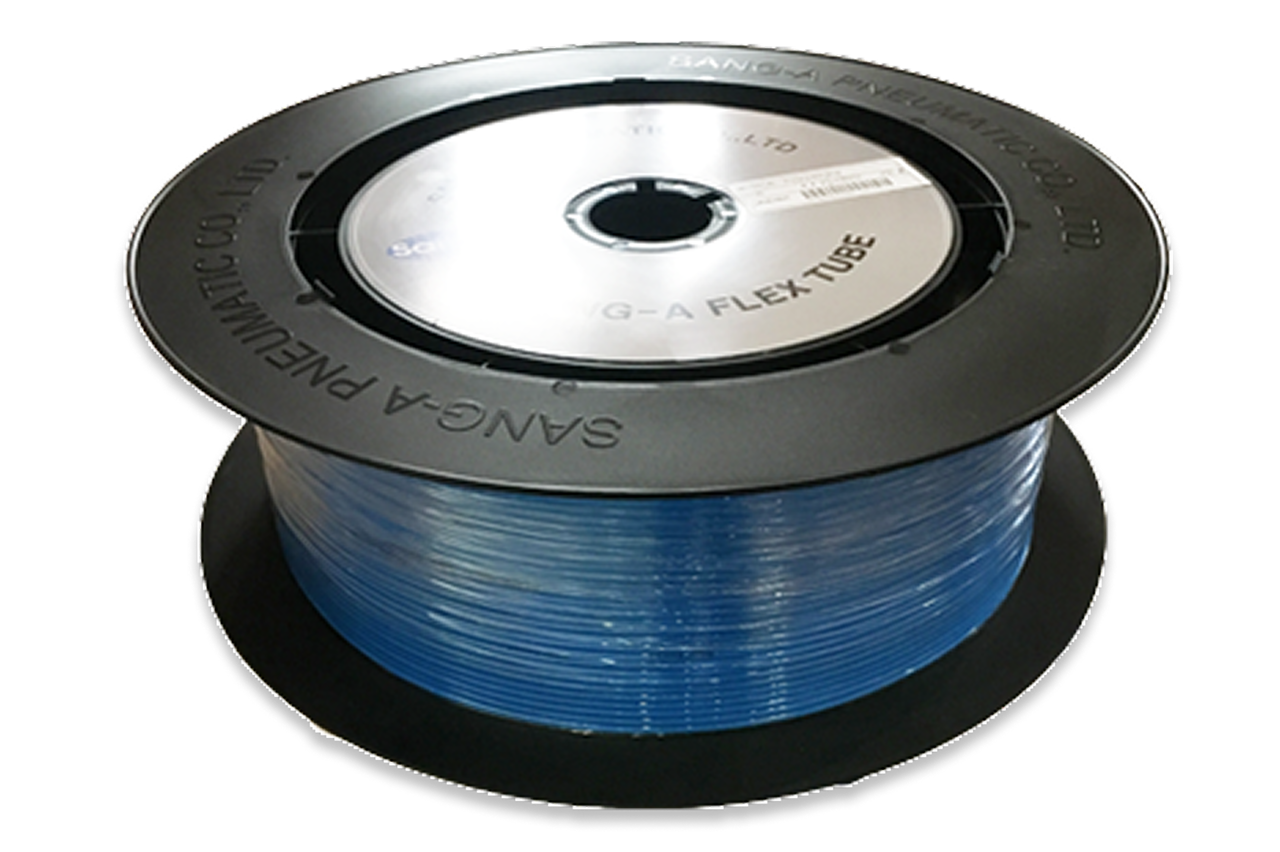
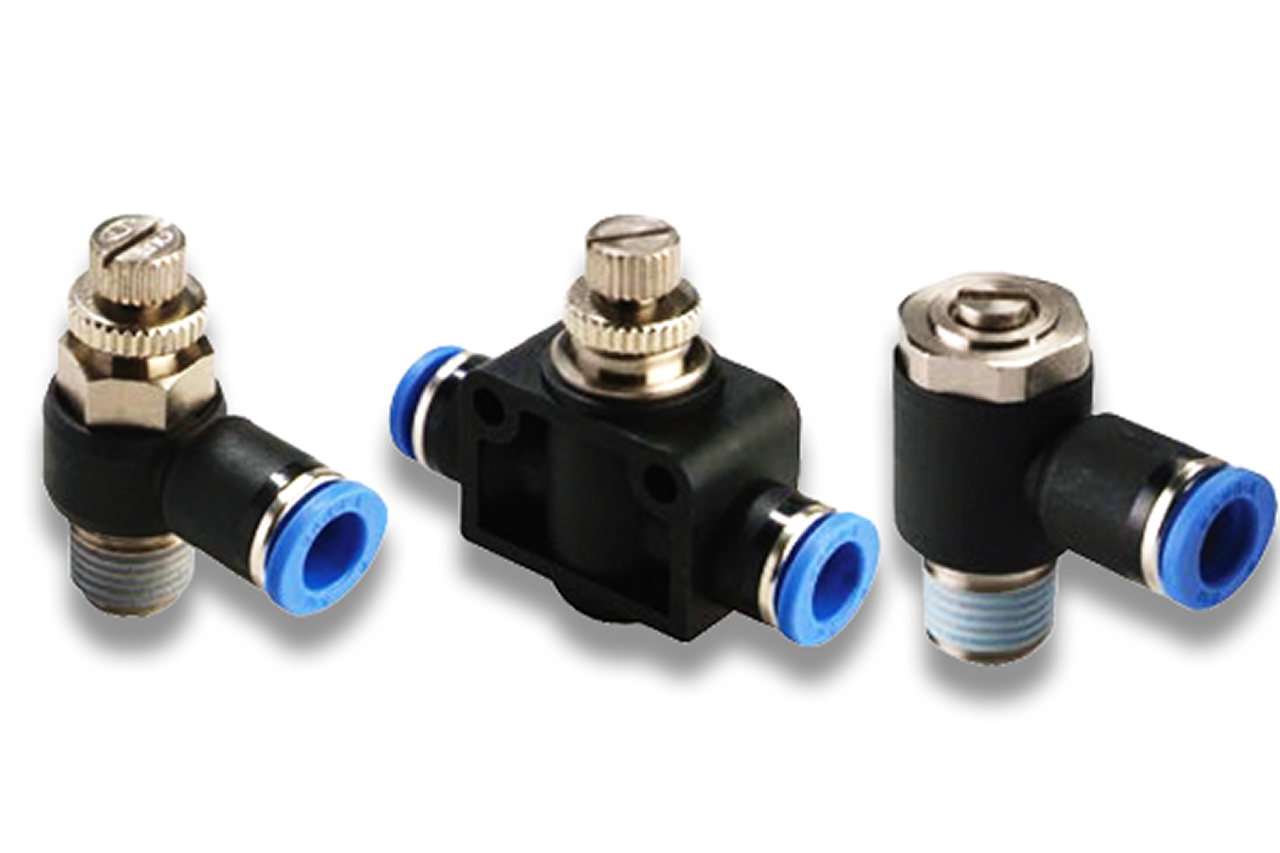
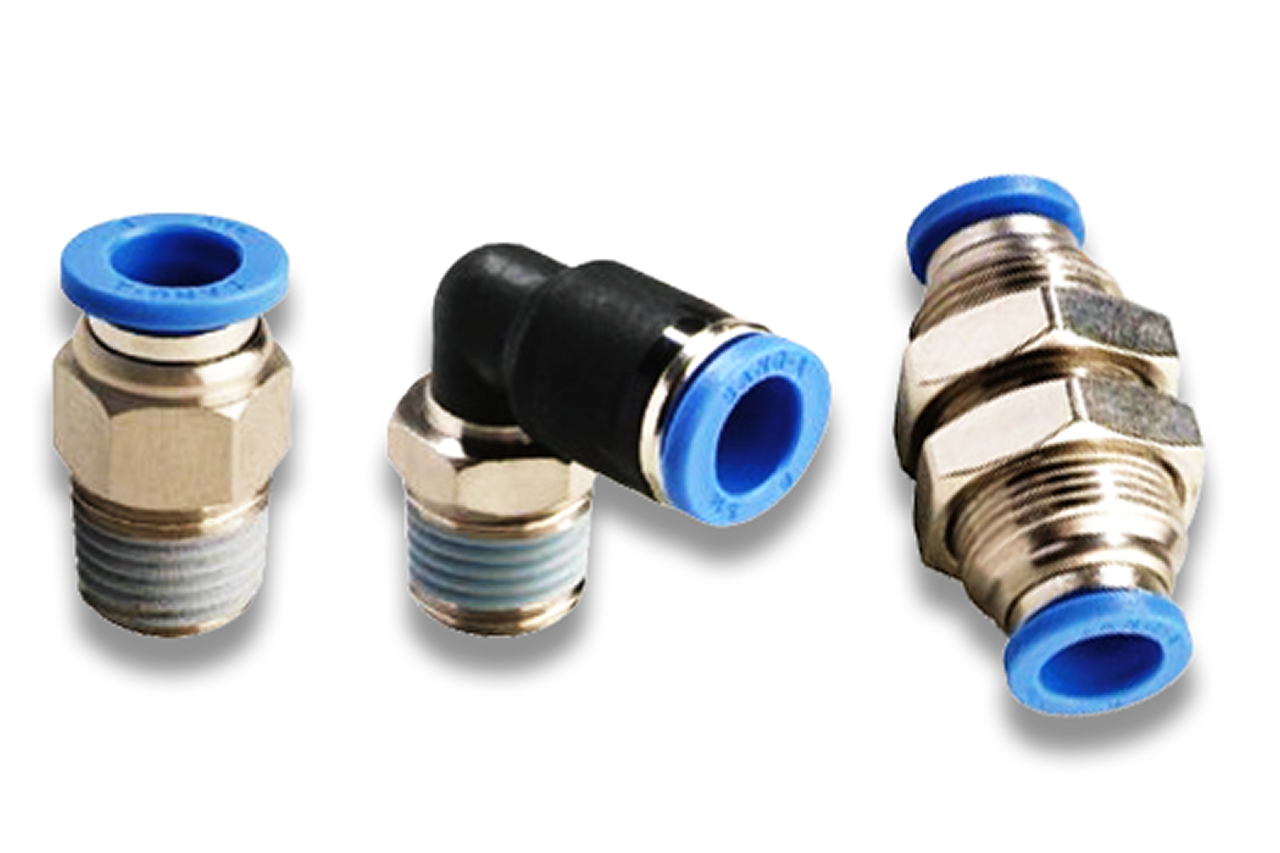
Stock the high-volume small sizes (5/32"–1/4") in both standard and high-speed series — they're different SKUs and the series call is non-negotiable per the RPM-at-tube-size table. Always pair matched-OD PU tubing in the same box on high-speed joints; the wrong tube is the #1 premature-failure cause and stocking them together prevents the mismatch at the bench.
Send us the application — a specialist routes you to the correct tier with a configured part. Lead-times and pricing returned within one business day.
—. We reply within one business day with pricing, lead-time, and configured parts.